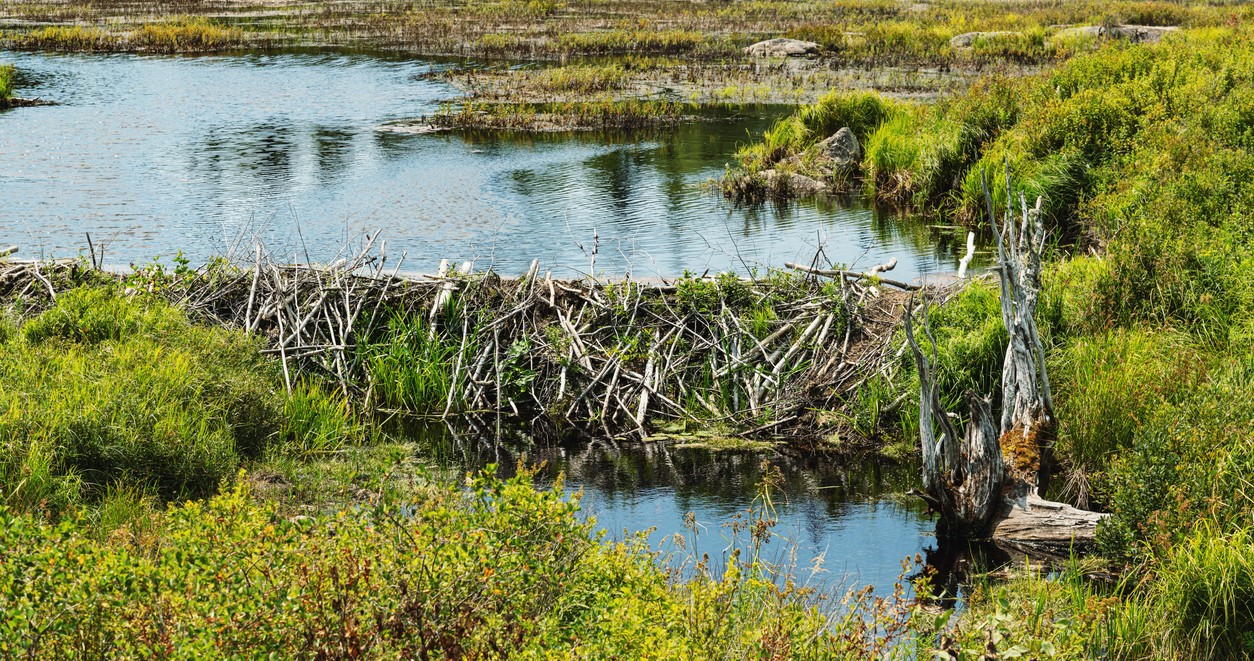
At the State Water Contractors science conference in June 2026, Dr. Katie Holzer, watershed scientist for the City of Gresham, Oregon, opened her presentation on how beavers improve water quality by explaining that her interest in the animals began early....
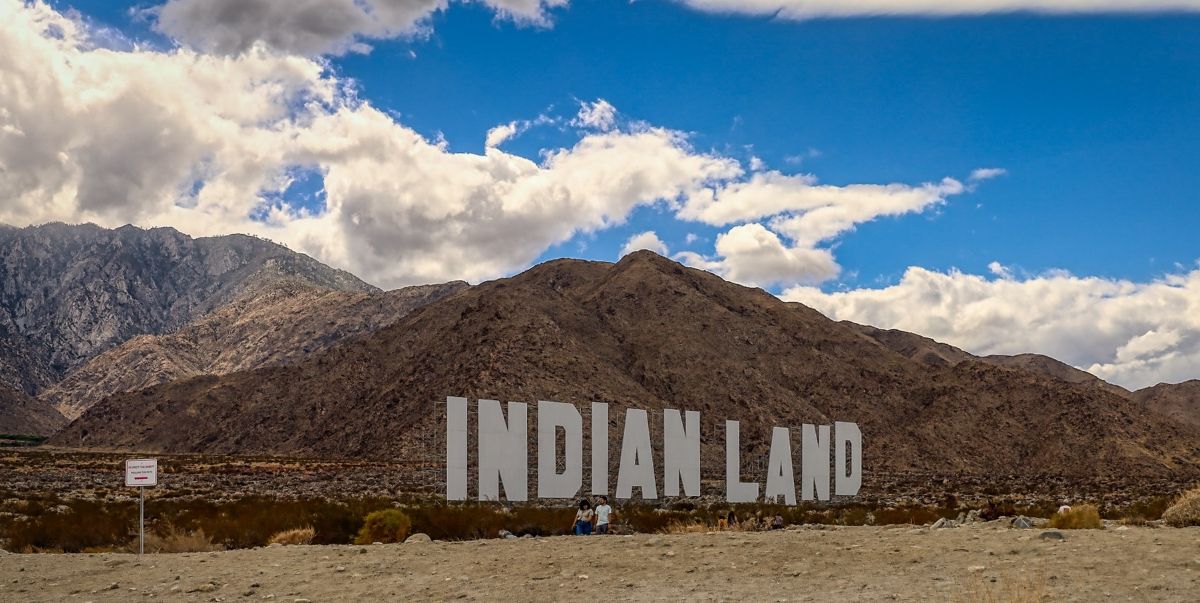
By John Hart In the never-ending California water quarrels, the state’s Native American tribes seem to be having a moment. After centuries of neglect (or much worse), the Indians—to use the term they themselves fall back on—are starring in unfolding...
State Water Board update highlights new monitoring tools, a statewide mapping effort, Caltrans stormwater research, and DTSC’s search for safer tire chemicals. At its June 16 meeting, the State Water Resources Control Board received an informational update on California’s work...
State agencies highlight nature-based solutions for the Delta Nature-based solutions use natural systems and working landscapes to reduce greenhouse gas...
by Robin Meadows The San Francisco Bay-Delta estuary has been a food desert for fish for two decades and the introduced overbite clam is a major culprit. The fish eat tiny creatures called zooplankton, which in turn eat tiny plant-like...
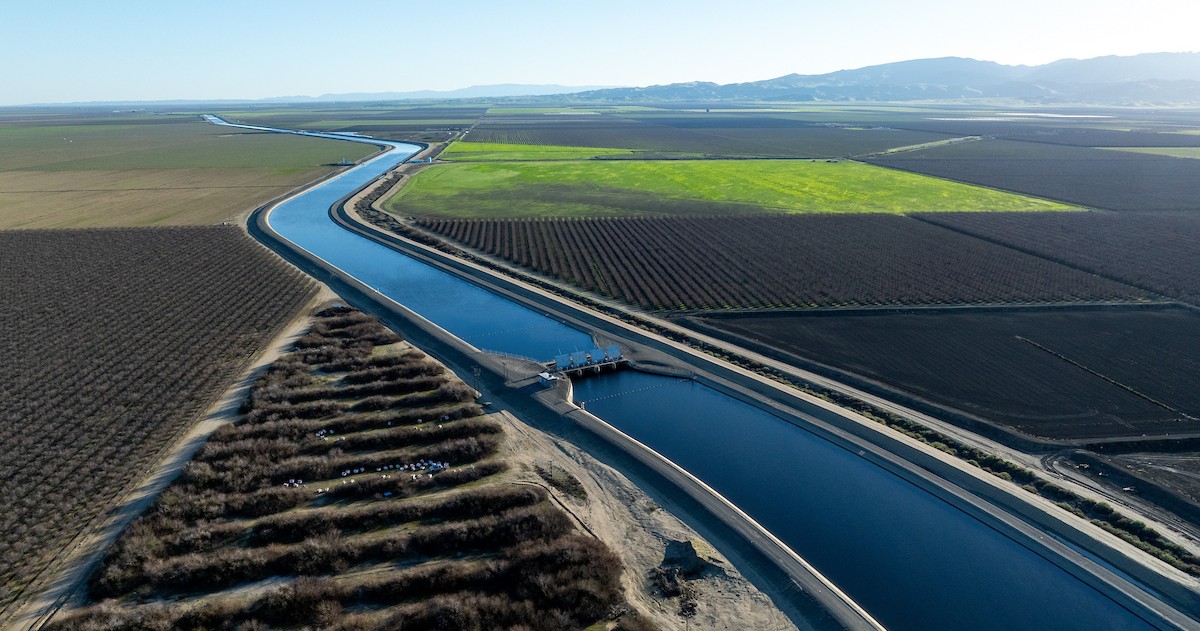
Groundwater-driven land sinking in the San Joaquin Valley is reducing aqueduct capacity, prompting interim repairs and long-term planning. At Metropolitan Water District’s May Imported Water Subcommittee meeting, Christopher Martin, executive policy advisor for the State Water Project at the California...