
by Robin Meadows
It’s a hot, mid-summer day but a welcome breeze keeps a team of bird conservationists cool as they walk along an earthen levee in Suisun Marsh, a flat expanse between San Francisco Bay and the Delta. Mount Diablo rises to the south and the Vaca Mountains ring the horizon to the north. The deep blue waters of Grizzly Bay are on one side of the levee, and wetlands managed by the privately-owned Island Duck Club are on the other.
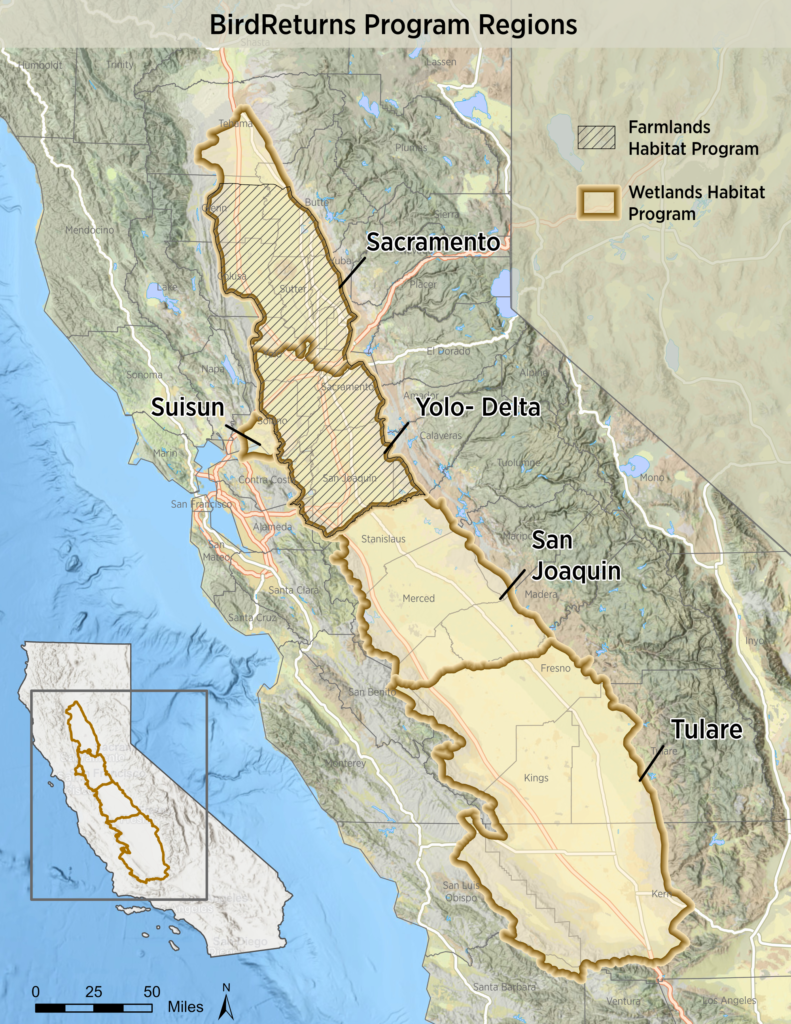
The team is here to track the effectiveness of a program called BirdReturns, which helps birds in California’s vast Central Valley. The valley is a key stopover for waterbirds and shorebirds migrating along the Pacific Flyway, which extends from Alaska to South America.
“They’re pretty incredible journeys,” says Ashley Seufzer, Working Lands Program Manager at Audubon California, which is a BirdReturns partner. “It’s a feat of strength, especially for small birds.”
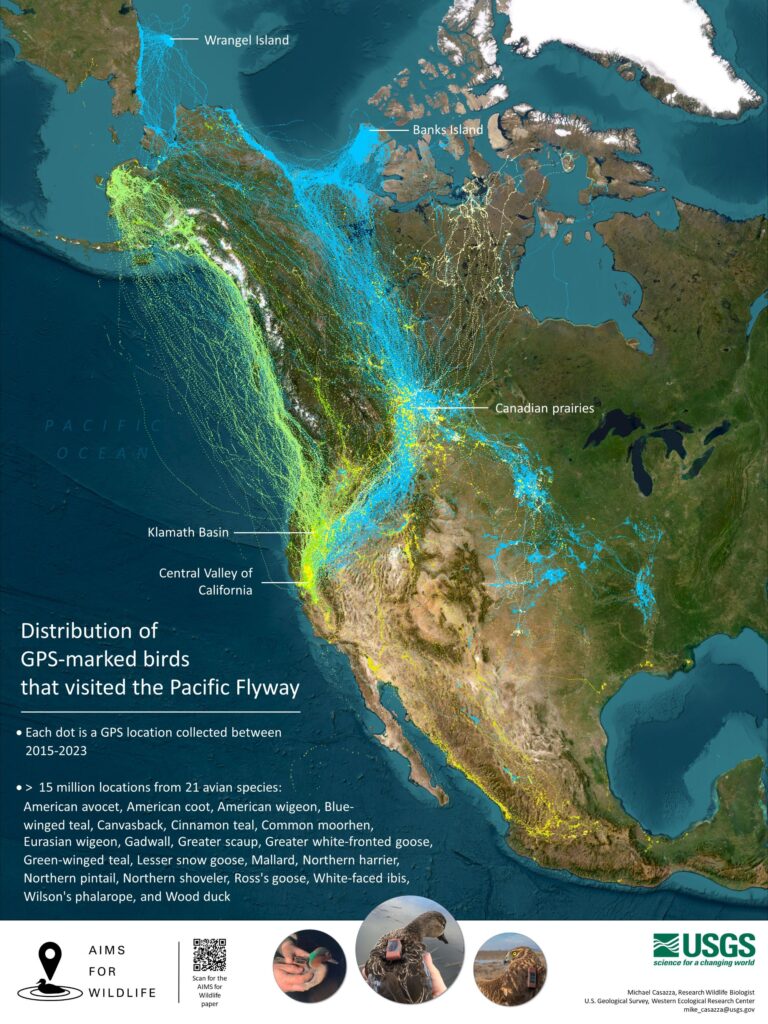
But the Central Valley has lost 95% of the wetlands where migrating birds once rested and refueled. BirdReturns pays farmers and wetland managers to flood strategic points during the late spring through early fall dry season, providing temporary wetlands when and where birds need them.
“Today everything is managed so we have to make intentional choices to flood habitat where and when birds need it,” Seufzer continues. “The impact is huge―when wetlands are flooded in the summer, it’s like an oasis.”
more than 57,000 birds belong to 157 species, 76 of which were confirmed or probable breeders. Courtesy of Ashley Seufzer.
Now BirdReturns has expanded to include Suisun Marsh duck clubs, which account for about half of this 115,000-acre managed wetland. So far, the marsh looks to be a much-needed addition, yielding among the highest densities of shorebirds in the program.
“Suisun Marsh’s proximity to the Bay and central position in the Pacific Flyway make it very attractive to birds,” says Bobby Walsh, an avian ecologist at Point Blue Conservation Science, a California-based wildlife conservation nonprofit that is also a BirdReturns partner. The Nature Conservancy, an international conservation nonprofit, is also a program partner.
The land is usually dry as can be this time of year in the Island Duck Club. For decades, the club has followed the rhythm of flooding its diked ponds in the fall for ducks, geese and other waterfowl, and draining them in the spring to grow plants that produce the seeds many of these birds eat.
But this summer the club’s landscape has a new rhythm. More than 500 of the club’s 600-plus acres were flooded in April to give waterbirds and shorebirds places to nest and raise their broods. “Many ducks and shorebirds nest in fields close to ponds and when the young hatch, they race to reach water for food and safety,” Walsh says. “Then the young need water for a couple of months until they can fly and reach the safety of the sky.”
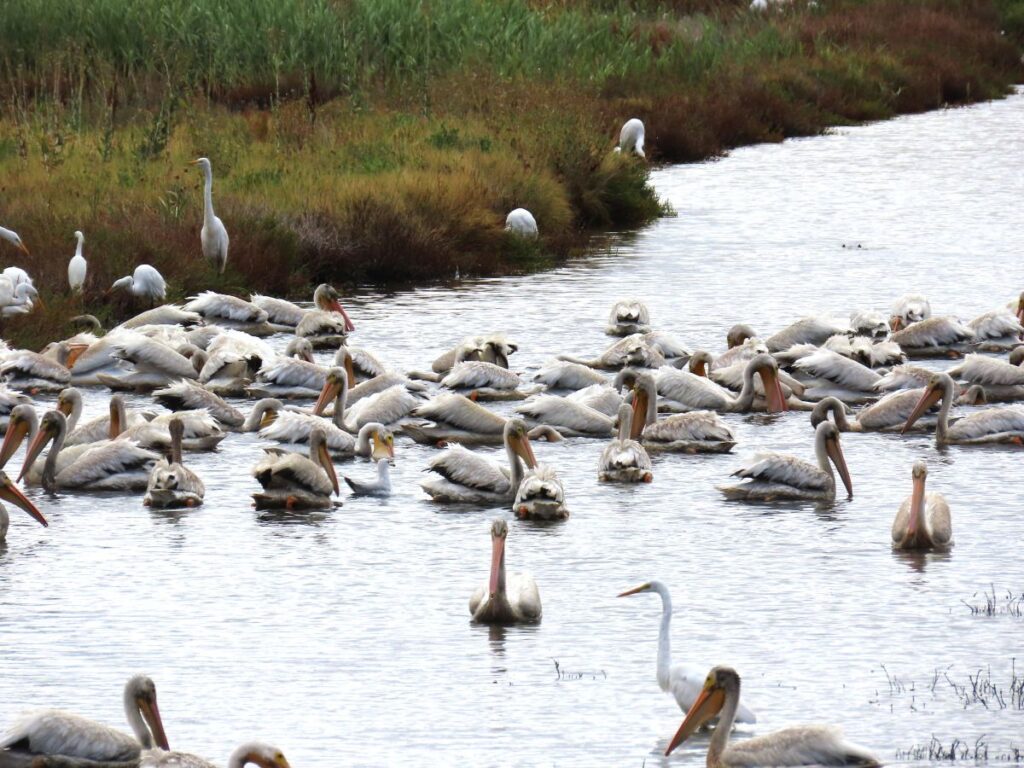
Today, in late July, the club has started to pump the water out, a process that takes two weeks and costs $25,000 in diesel fuel. The resulting mix of shallow ponds and mudflats make it a draw for the many birds that have just begun migrating to the Bay Area. White pelicans congregate by the hundreds to feast on the fish that are concentrated as the ponds shrink.
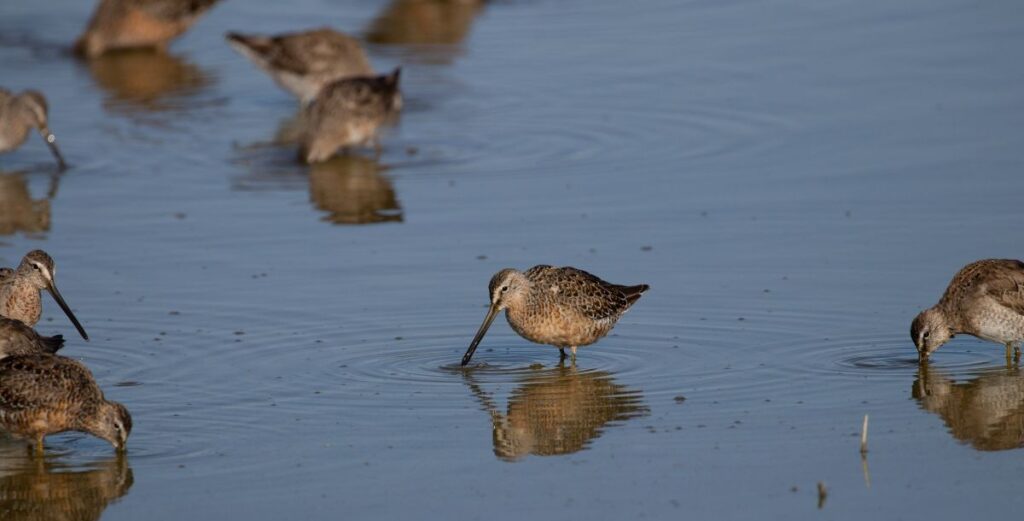
Least sandpipers, the world’s smallest shorebird, wheel overhead and land in a pool of water to immediately start feeding in the shallows. Likewise, long-billed dowitchers feed industriously nearby, moving their heads up and down so rapidly that they are likened to sewing machines. As long-distance migrants that fly as far as Russia, the dowitchers need to eat as much as they can.
The tules and cattails lining the ponds are perfect nesting spots for songbirds, including wrens, blackbirds and yellowthroats. River otters visit the summer-flooded ponds too, as evidenced by the frequent piles of shell fragment-studded scat they’ve left behind.
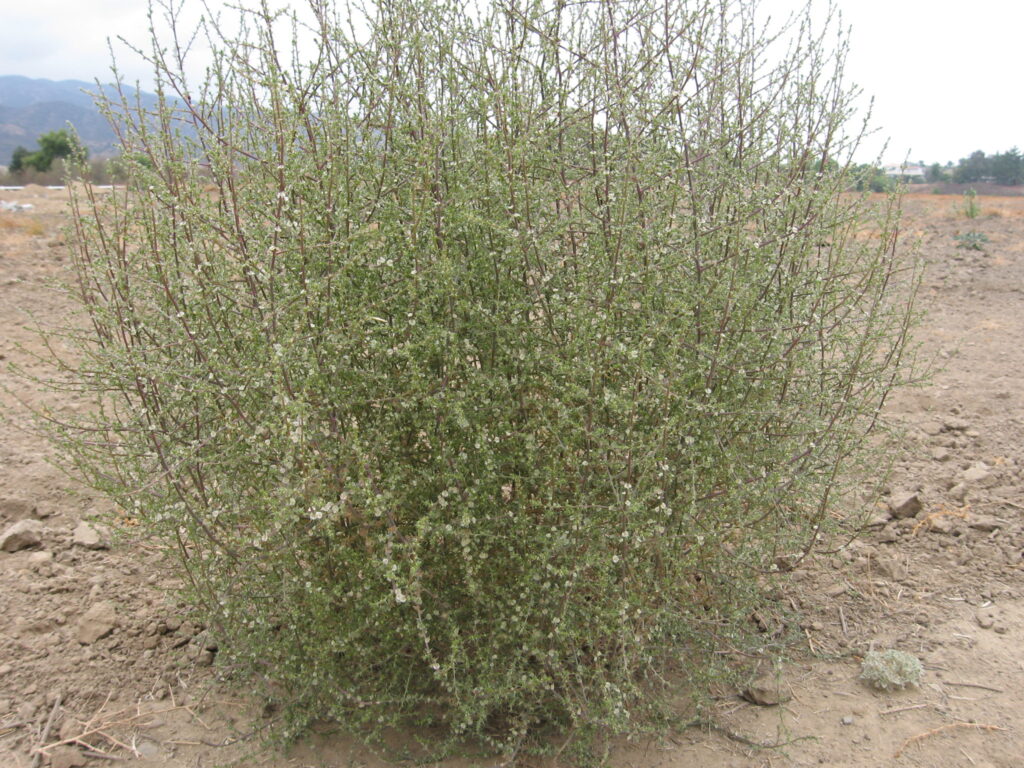
Neighboring duck clubs had previously participated in BirdReturns, which is in its third year in Suisun Marsh, and Evans and his club members decided to participate this summer. The draw for them is that flooding can help control Russian thistles, invasive plants also known as tumbleweeds.
“They’re so prolific, each plant makes up to 25,000 seeds,” says Arthur Evans, president of the 15-member Island Duck Club. “Huge swathes of the marsh have been overcome by Russian thistle.”
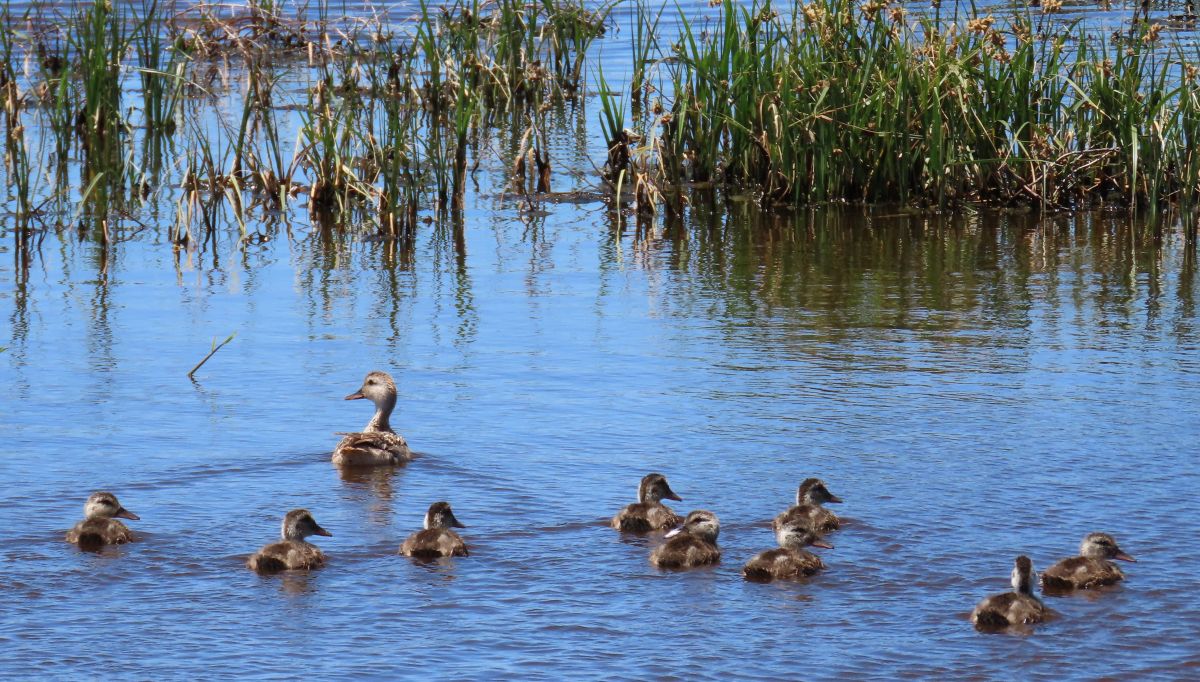
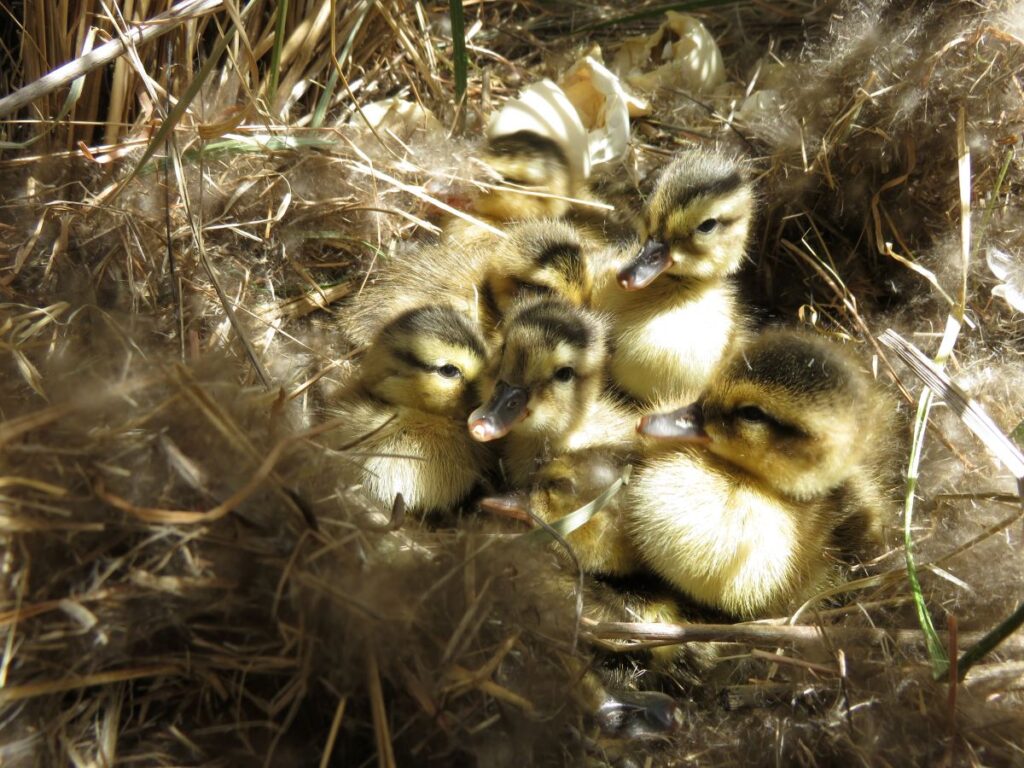
Besides staving off Russian thistles, summer flooding benefits the clubs by giving the ducks they prize a place to breed. Ducklings born in the Island Duck Club have already fledged but the BirdReturns team exclaims over several families of Gadwall ducklings swimming behind their moms in a pond in another duck club that’s still full to the brim. “It’s a great nursery,” Walsh says.
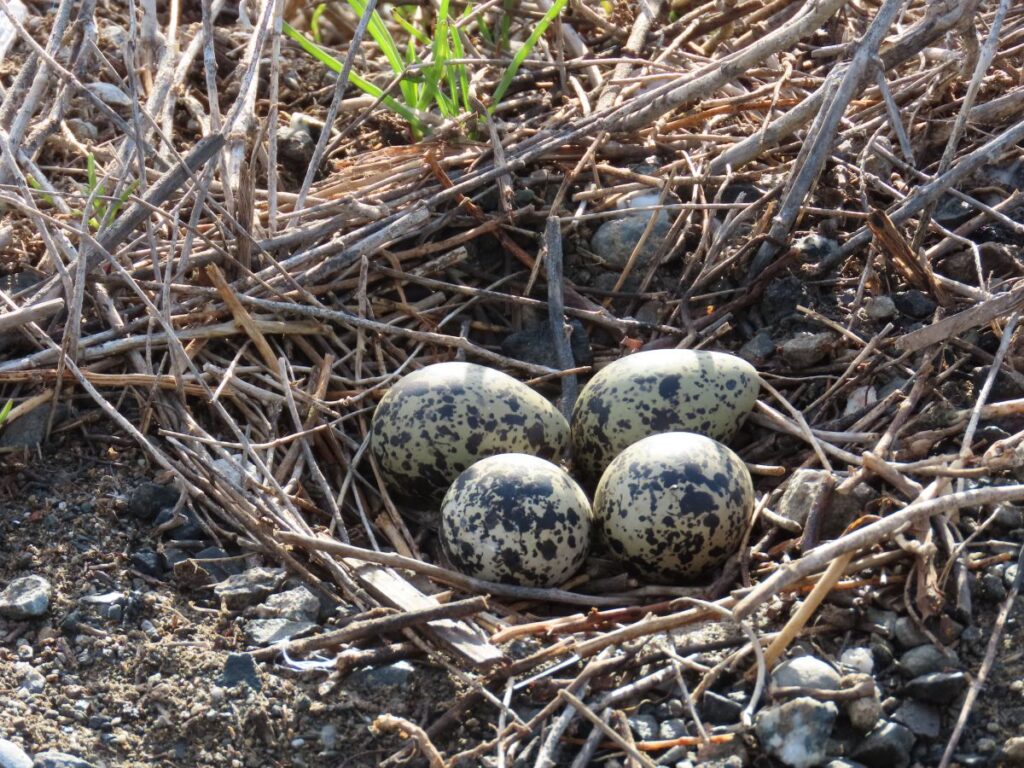
Evans loves the burst of life in summer-flooded ponds as much as anyone, asking the team for a list of birds they’ve seen and heard. He also sets out orange cones to mark the nests of killdeer, small shorebirds with white neck bands that lay their speckled eggs directly on ground near ponds. But his primary responsibility is making the duck club work.
When ponds are flooded until August rather than the usual practice of draining them in the spring, that halves the growing season for Fat Hen and other plants that produce the seeds that many overwintering ducks depend on. Evans wonders if there will be enough food for these ducks or if they’ll land in the fall, say “hey, there’s no food, let’s go over there” and spend the season in someone else’s club.
“That would be a failure for us,” Evans says. “We’re skating a fine line in terms of what’s best for the club.” That said, he can envision alternating what he calls Fat Hen years with BirdReturns years as well as coordinating with other duck clubs to ensure there’s always some summer flooding for birds.
Providing local breeding habitat is vital to the state’s duck populations. “California’s waterfowl season depends on birds raised here,” Audubon California’s Seufzer says, adding that most of the mallard, gadwall and cinnamon teal harvests come from birds bred in-state.
The BirdReturns team hopes Suisun Marsh is as successful for duck clubs as it is for the program. Besides being attractive to shorebirds, the marsh is relatively cost-effective to flood thanks to the availability of water in the Bay-Delta. “Suisun Marsh could be critical during drought years,” Seufzer says.

