Articles on implementation of the Sustainable Groundwater Management Act (SGMA), State Water Board intervention, land subsidence, groundwater recharge, contamination, markets, banking and storage.
As droughts intensify and groundwater warms, contaminants can move into underground aquifers – threatening drinking water and agriculture. By Sanket...
By Monserrat Solis, SJV Water Some Kings County farmers may see invoices for groundwater pumping fees from the state by the end of this year, or as soon as October. The state Water Board Resources Control Board is preparing to...
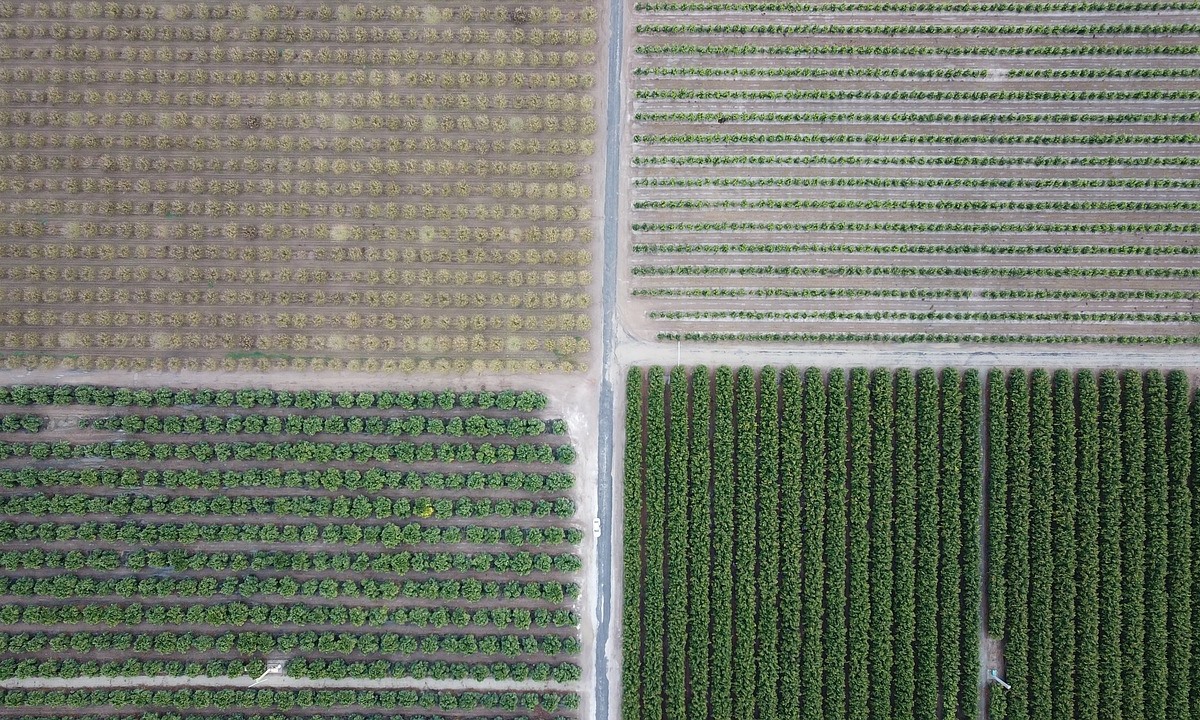
By Monserrat Solis, SJV Water Kings County farmers are either underreporting how much groundwater they pump – by a lot. Or bad data is to blame. According to the state Water Resources Control Board, farmers in the Tulare Lake subbasin,...
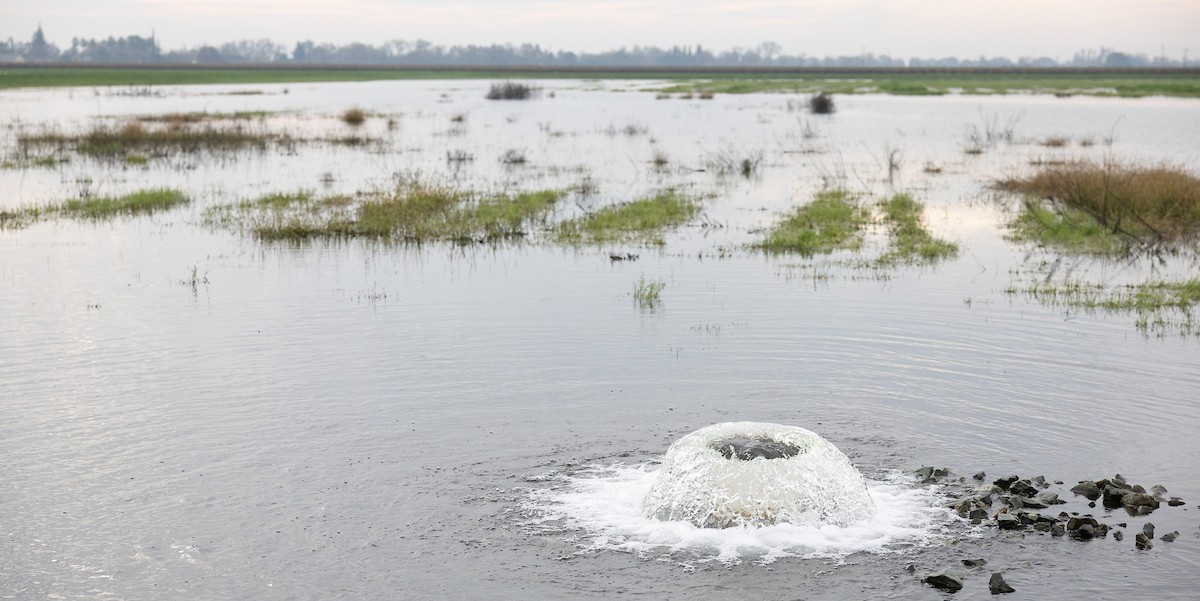
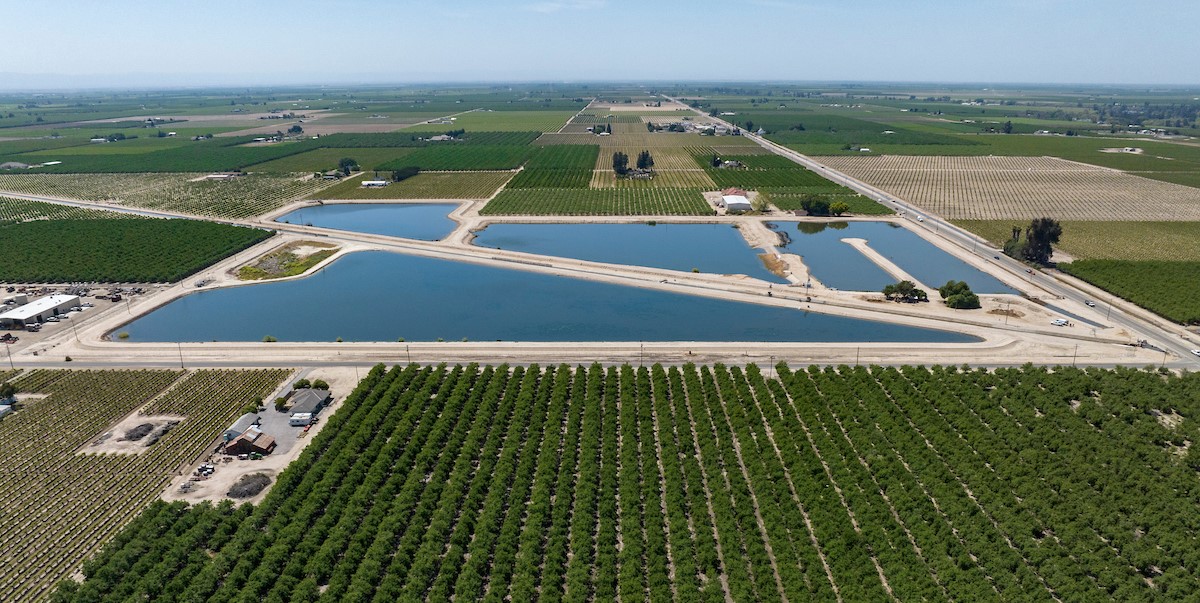
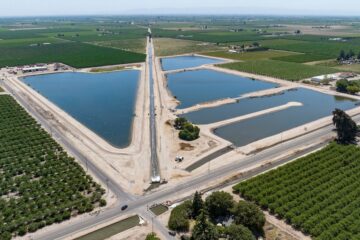
From the Department of Water Resources: Managed aquifer recharge can do more than replenish groundwater. This new brochure explores how thoughtfully designed recharge projects can also support flood risk reduction, ecosystem enhancement, water quality, climate resilience, working lands, and drought...
Curious how groundwater recharge efforts are progressing across California? This new Annual Groundwater Recharge Round-Up provides a statewide snapshot of...
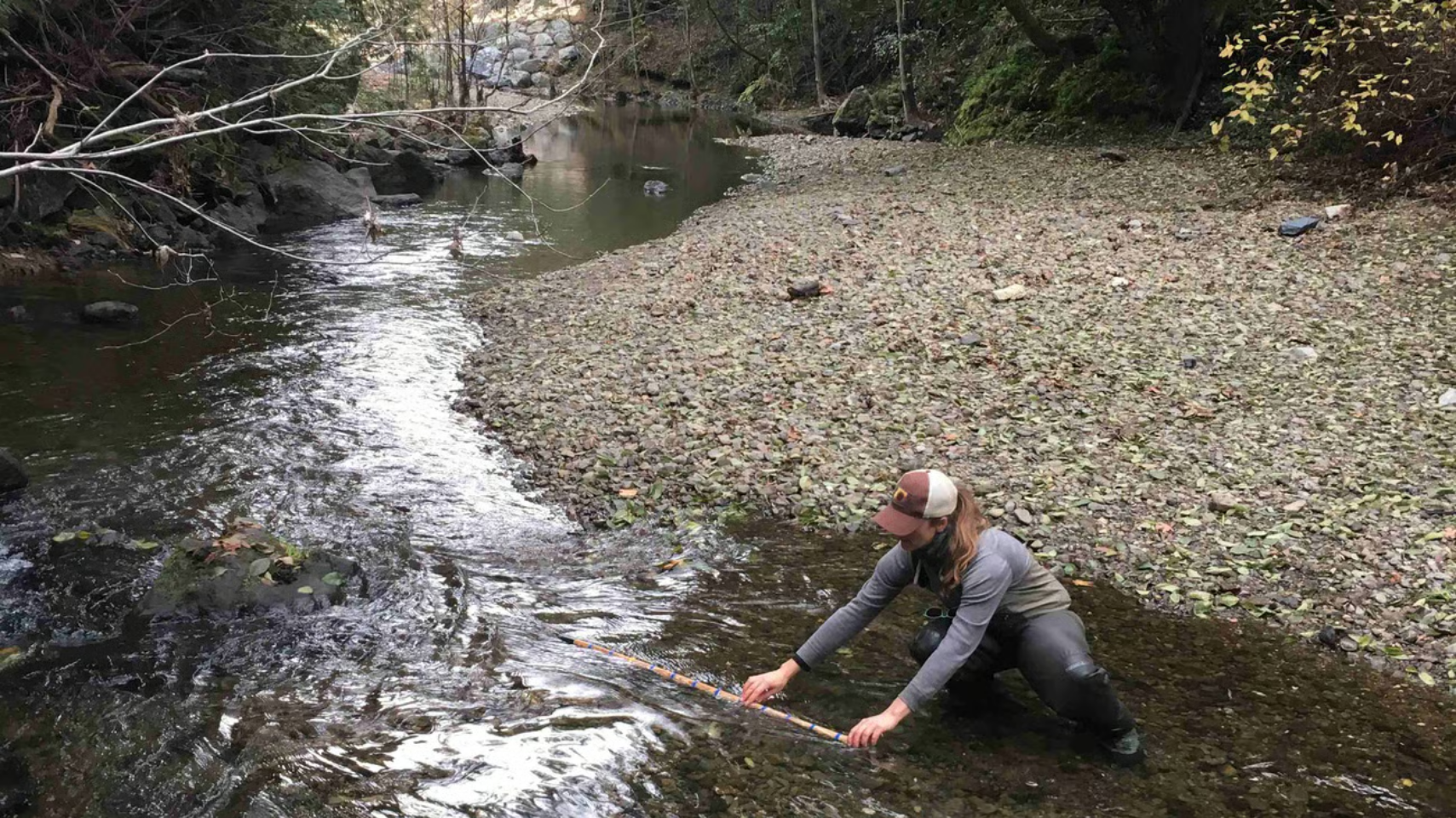
Sonoma County appealed a lower court’s decision to invalidate amendments to its well-permitting ordinance under the public trust doctrine. By Carly Nairn, Courthouse News Service The county of Sonoma did not violate the public trust doctrine when it amended an...
UC ANR and CAFF recommend assistance for farmers who use limited groundwater to avert losing small farmers Press release from the UC Agriculture and Natural Resources (UCANR) and the Community Alliance with Family Farmers (CAFF): Small farms across the state...