
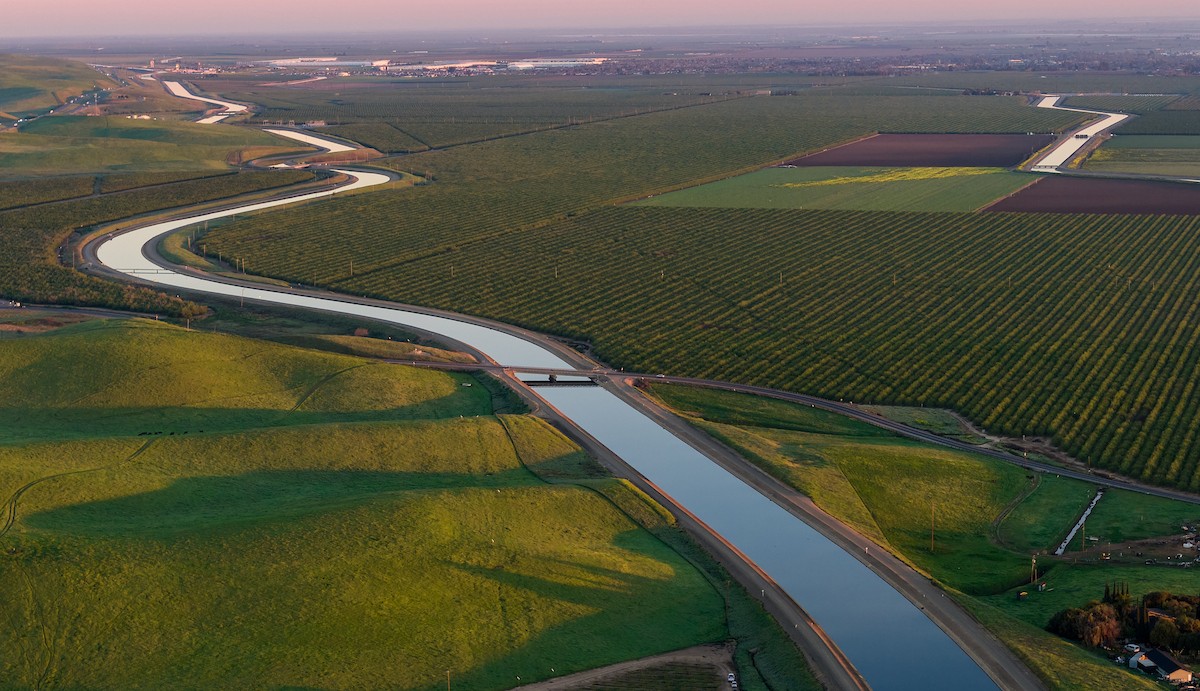
Several news sources featured in the Daily Digest may limit the number of articles you can access without a subscription. However, gift articles and open-access links are provided when available. For more open access California water news articles, explore the main page at MavensNotebook.com.
In California water news this weekend …
Solano coalition warns of water supply threat
“A broad coalition of Solano County cities, businesses, agricultural interests, health care providers and community organizations is asking Gov. Gavin Newsom’s administration to intervene before a new Bay-Delta water plan is finalized, warning that proposed flow requirements could put the county’s water supply at risk. The coalition, led by the Solano Economic Development Corporation, is asking the governor’s office to direct the State Water Resources Control Board to formally recognize the 2000 Putah Creek Accord as the governing framework for the Putah Creek watershed. The request comes as the State Water Board moves toward adoption of an updated Bay-Delta Water Quality Control Plan. Written comments on the final draft are due Sept. 18, with the board scheduled to consider adoption of the plan Oct. 28-29. … ” Read more from the Vacaville Reporter.
State Water Board issues water quality certification for proposed Sites Reservoir
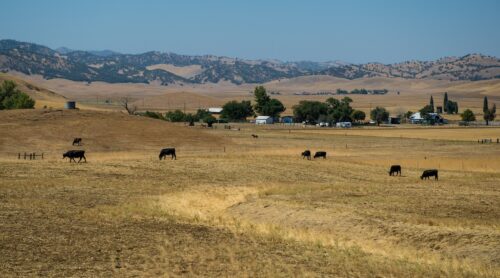
“The State Water Resources Control Board issued a water quality certification for the proposed Sites Reservoir Project in Northern California, satisfying one of the major requirements for construction of a 1.5 million-acre-foot water storage facility that would be the largest built in California in more than 50 years. The off-stream reservoir in Glenn and Colusa counties, near the community of Maxwell, would divert water from the Sacramento River when flows are relatively high, storing it for farms, cities and the environment. The water quality certification is separate from the Sites Project Authority’s related water rights application, which the State Water Board will consider at its Nov. 4 public meeting. While the water right proceeding focuses on the diversion and use of water for the project, the certification focuses on project construction. The state and regional water boards are responsible for protecting the state’s water quality, including through issuance of water quality certifications under section 401 of the federal Clean Water Act. Certifications must ensure compliance with water quality standards and other appropriate requirements of state law. If the state issues a certification with conditions, those conditions are incorporated into the federal permit or license. … ” Read more from the State Water Board.
SEE ALSO: California approves water quality cert for Sites Reservoir, from Action News Now
Tribes, California, and local governments sign historic agreement to restore vital Clear Lake watershed
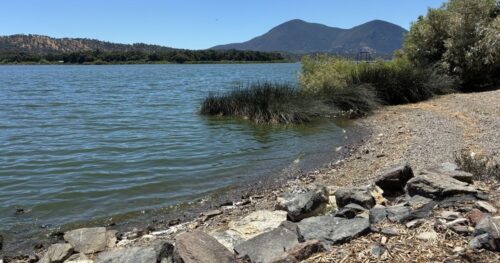 “Tribal, state, and local governments today gathered at Big Valley Rancheria to announce a landmark partnership to restore the Clear Lake watershed through shared stewardship of its lands, waters, and native species. Together, the partners will improve water quality, restore habitat, strengthen native fish populations, and support healthier ecosystems for future generations. One of the biggest agreements of its kind, this is California’s first watershed co-management agreement since the passage of AB 1284 (Ramos, 2024) and the state launched its Tribal Stewardship Policy in March. “This partnership is unique – it brings together communities and purposes that have traditionally been disparate, if not oppositional, and finds common ground where it matters most: the lake itself,” said Governor Gavin Newsom. “There are different histories, different meanings, but it’s the same water. A healthier Clear Lake means stronger, healthier communities, no matter what role the lake plays in their lives, whether it’s a cultural touchstone, an economic engine, a social anchor, or an ecological lifeline.” … ” Read more from the Natural Resources Agency.
‘Today is monumental’: California tribes unite with state, county to restore Clear Lake
“Dancers from the Big Valley Band of Pomo Indians moved in rhythm across the grass along the lakeshore here Friday, their feet kicking dust into the air as songs rang out across the water. Behind them, a plume of smoke from the Lucas Fire rose into the blue sky — a familiar summer scene in Lake County, where seasons of rampant wildfire, drought and other environmental challenges have increasingly reshaped the landscape. But this gathering at the Big Valley Rancheria was hopeful, focused on the future of the lake, the largest within California, and the protection of the threatened Clear Lake hitch, known by regional tribes as the chi. Tribal leaders joined state and local officials to sign a sweeping agreement that will give seven tribal governments a formal role alongside California and Lake County in restoring and managing Clear Lake’s vast watershed. … ” Read more from the Santa Rosa Press Democrat.
SEE ALSO: California’s biggest lake is in crisis. Now tribes are coming back to save its sacred fish, from the LA Times | Read more from Yahoo News.
California bill gives water agencies new shield as Los Angeles wildfire hydrant lawsuits grow
“California lawmakers advanced a measure that would bolster the legal defenses available to public water agencies as litigation grows over dry hydrants and other water system breakdowns in Los Angeles-area wildfires, the Los Angeles Times reported. The proposal could influence who is held responsible after deadly fires — and make it harder for devastated communities to seek accountability when critical systems fail. Senate Bill 1153 has cleared the California Legislature, according to the Los Angeles Times. Under the measure, public water agencies would not be considered responsible for designing, building, or maintaining their systems for wildfire defense or suppression. … ” Read more from The Cool Down.
In commentary this weekend …
An anti-regulatory federal government tries to strongarm California over who controls the State’s water resources
Chris Shutes and Gary Bobker write, “The latest chapter in the Trump Administration’s war on California opened on September 3 and 4, 2026, when the U.S. Bureau of Reclamation– which operates the largest water project in California – and Westlands Water District – the largest irrigation district in the country and a recipient of federal water – rejected California’s proposed update of the Bay-Delta Plan, the water quality standards for the San Francisco Bay-Delta estuary required under both state and federal law. Writing to the State Water Resources Control Board (Board), Reclamation and Westlands threatened to withdraw from so-called Voluntary Agreements (VAs) that are the proposed center of the Bay-Delta Plan update. The Board issued its latest draft of the Plan on August 19, 2026. The Board’s expectation is to approve the Plan in meetings on October 28, 29, and 30. The long overdue update is needed to address the collapse of fishery populations, the growth of toxic algal blooms, and other water quality problems plaguing the estuary as a result of unsustainable water diversions and habitat destruction. … ” Continue reading this commentary.
In people news this weekend …
Promotions, passings, profiles – submit people news items to maven@mavensnotebook.com.
Dr. Diane McKnight assumes Delta ISB Chair as Dr. Steve Lindley becomes Chair elect
 “The Delta Independent Science Board is led by a chair, chair elect, and past chair, who are elected from among its 10 members. These leaders progress through each two-year role in succession, ensuring continuity and institutional knowledge. On September 1, 2026, Dr. Diane McKnight assumed the role of chair of the Delta ISB, following her two-year term as chair-elect. She will lead her first meeting on September 17. “I am honored to serve as the chair of the Delta ISB. It has been a privilege to collaborate with my esteemed colleagues on important reviewsover the past few years,” said Dr. McKnight. “I look forward to continuing to collaborate with my colleagues as we support evidence-based solutions to address our most pressing environmental challenges, while upholding the highest standards of scientific integrity.” Prior to the chairship transition, at the August 17, 2026, meeting, the Delta ISB members voted to appoint Dr. Steve Lindley as the next chair-elect, putting him in line to assume chair duties in two years. … ” Read more from the Delta Stewardship Council.
After scandal and turmoil, Valley Water turns to 25-year veteran as its next CEO
 “Aaron Baker, a 25-year veteran of the Santa Clara Valley Water District, on Tuesday was named CEO by the agency’s board, taking the helm of Silicon Valley’s largest water district after a year of political turmoil and as a winter looms that could be marked by extreme weather due to very strong El Niño conditions. Also known as “Valley Water,” the district, based in San Jose, is a government agency that provides drinking water and flood protection to 2 million people in Santa Clara County. With 876 employees and a $1.2 billion budget, the district is the fourth-largest government agency in Santa Clara County, behind Santa Clara County, the city of San Jose, and the city of Santa Clara. A wholesale water provider founded in 1929, the district purchases water from the State Water Project and the federal Central Valley Project, and manages local groundwater and reservoirs, then sells water to roughly a dozen cities and private companies that distribute it to homes and businesses. … ” Read more from the San Jose Mercury News.
United Water mourns the passing of Board President Lynn E. Maulhardt
 “United Water Conservation District (United Water) announces with deep sadness that Board President Lynn E. Maulhardt died today. Maulhardt represented Division 4, the northeast portion of the City of Oxnard, and had served on United Water’s Board of Directors since 1985, a tenure of more than four decades, including multiple terms as Board President. He was most recently re-elected in November 2024, with a term set to run through December 2028. “Lynn understood that protecting this valley’s water meant protecting the relationships behind it,” said Mauricio Guardado, General Manager of United Water. “He built trust with farmers, cities, regulators and neighbors alike, because he knew that’s how you actually secure a resource for the long term. He spent four decades making sure Ventura County’s farms and families could count on this water, and count on each other. I’ve lost a mentor and a friend today, and this District has lost one of the most steadfast champions it has ever had.” … ” Read more from United Water Conservation District.
Podcasts …
VIC BEDOIAN: California’s Water Plan is in Trouble
Governor Gavin Newsom’s state water plan received a major setback in recent days. Both the U.S. Bureau of Reclamation and the massive Westlands Water District have pulled their support for the Voluntary Agreements, known officially as the Healthy Rivers and Landscapes program. It is the keystone for an expansive plan that includes building the controversial Delta Tunnel and Sites Reservoir in northern California. That plan could now be in trouble. KPFA’s Vic Bedoian spoke with Barbara Barrigan-Parrilla of Restore the Delta about the implications.
AgNET NEWS HOUR: Edward Ring warns California must prepare for the next flood
On a recent episode of the , Edward Ring, director of Water and Energy Policy at the California Policy Center, returned for Part 1 of a two-part conversation about California water and the infrastructure he believes the state needs to better prepare for both drought and flooding. Ring focused first on sediment buildup in the San Joaquin River and South Delta, warning that a future period of heavy rain could overwhelm the system. He pointed to the major flooding of 1997 and argued conditions could be worse today because meaningful sediment removal has not occurred in decades.
AgNET NEWS HOUR: Edward Ring outlines a water plan for California agriculture
On a recent episode of the AgNet News Hour , Edward Ring, director of Water and Energy Policy at the California Policy Center, returned for Part 2 of a conversation on California water, laying out the combination of projects he believes could substantially increase supplies for farms, communities and cities. Ring began with one of the issues discussed in Part 1: dredging the Sacramento-San Joaquin Delta. He argued sediment removal could improve the Delta’s ability to move water while also reducing flood risk. Ring also pointed to research suggesting the turbidity created by dredging can provide smaller fish with protection from predators. But dredging is only one piece of his proposed water strategy.
THE JEFFERSON EXCHANGE: A bird die-off brought Klamath water rivals together
Lower Klamath Wildlife Refuge in 2021(Erik Neumann / JPR)An avian botulism outbreak in the Klamath Basin has now killed an estimated 15,480 birds, according to an updated count provided Sept. 3. The deaths have devastated waterbird populations at the Tule Lake and Lower Klamath national wildlife refuges. But the crisis has also prompted unusual cooperation among farmers, tribes, conservation groups and government agencies that have long clashed over the basin’s scarce water.
TAHOE TAP: Stephanie Hampton – UC Davis Tahoe Environmental Research Center
Lake Tahoe is one of the most studied lakes in the world, and understanding what’s happening beneath its famously clear surface is critical to protecting its future. On this episode of Tahoe TAP, hosts Mike Peron and Rob Galloway sit down with Dr. Stephanie Hamption, Director of the UC Davis Tahoe Environmental Research Center, and a professor of environmental science and policy, for a conversation about the science behind Lake Tahoe and the challenges facing freshwater ecosystems.
(RE)TURNING TO THE RIVER: Writing the watershed
How can art – specifically writing – help us better connect with nature? Hear from San Joaquin Valley writers, poets, and community members about how to give voice to a river.
WATER IS A MANY SPLENDOR’ED THING: The Great Salt Lake
 The Great Salt Lake has some very special benefits to mankind and environment. First of all, it’s the greatest natural lake west of the Mississippi River. The migration of birds come to the Great Salt Lake to fatten up so they can continue to migrate across the desert. And then we have the benefits to man; that Cold Smoke that skiers look for during each winter season. Water is a Many Splendor’ed Thing brings you another water relationship that has a personally significant impact to your life. Produced by Stephen Baker, Bringing People Together to Solve Water Problems, water@operationunite.co 530-205-6388
Sunday reads …
A reading guide for new California water wonks
“Water is a universal foundation for every problem and opportunity in California. Most people use it every day, yet even experts with decades of experience don’t know it all. (Alas, too many advocates and pundits almost don’t know it at all.) Welcome! Immense numbers of books and articles have been written on California water. Here is a selection of some readings and websites useful for folks who want to become California water wonks as serious journalists, students, agency and NGO leaders or workers, consultants new to the area, professors and instructors, or just obsessed members of the public. Bon appétit! ” Read the list from the California Water Blog.
In regional water news this weekend …
SACRAMENTO VALLEY
Lake Oroville update: Feather River floating classroom, well project ongoing near Thermalito Afterbay Dam
“Feather River Floating Classroom raft tours are returning this fall! Sponsored and developed by DWR, the Floating Classroom program guides participants through Feather River spawning habitat while DWR and Pacific States Marine Fisheries Commission scientists describe Chinook salmon conservation efforts supported by the State Water Project. Discussion topics include ongoing and planned research, restoration and monitoring projects, and fisheries management activities. … The Thermalito Afterbay is a 57,000 acre-foot, off-stream reservoir contained by the Thermalito Afterbay Dam and is part of DWR’s State Water Project facilities in Oroville. Construction on the Afterbay began in 1966 and was completed in 1967. It stores water that flows through the Thermalito Pumping-Generating Plant during power generation and provides controlled releases to the Feather River and irrigation water to over 150,000 acres of local farmland. The need for managing seepage at the Afterbay was recognized during planning, design, and construction. … ” Read more from DWR.
California wine demand is falling as growers pull up thousands of acres of vines
“When it comes to wine, the number of people taking a sip is slipping. Local winemakers came together Friday for an annual event in Downtown Sacramento to help promote their products and boost sales. From Amador and El Dorado to San Joaquin and Yolo counties, Sacramento is surrounded by hundreds of vineyards. But now, thousands of acres are being removed from production — as wine demand declines. This year’s California Grand Tasting, an annual event sponsored by Visit Sacramento, recognizes the importance of the wine industry across the region. Grapes are Sacramento County’s top crop, generating $167 million in sales last year, and statewide they earned more than $ 6 billion. But this celebration of wine comes at a challenging time for vintners. … ” Read more from CBS Sacramento.
BAY AREA
Elegant terns are suddenly all over San Francisco shores
“Royal. Sandwich. Caspian. Elegant. These are the colorful names for different species of terns, some of San Francisco Bay’s most graceful seabirds. A wave of elegant terns — identifiable by their tangerine bills, black head feathers and ash-white bodies — flooded Crissy Marsh in San Francisco this week. Around this time of year, the birds have migrated north into California to prey on fish like anchovy. “They are a highly social bird, and it’s very fun to watch them interact with each other and other bird species when they’re in large groups!” Phoebe Parker-Shames, wildlife ecologist for the Presidio Trust, told SFGATE in an email. “This season, I noticed some birds facing each other and flicking their heads up, which apparently may be a threat or vaguely aggressive behavior. Considering I haven’t ever seen it escalate into anything, I’d call it more like a grumpy hello.” … ” Read more from SF Gate.
Bay Area’s first ‘living levee’ opens at Palo Alto Baylands
“A cool breeze swept through Palo Alto’s Baylands Nature Preserve as local and federal representatives opened the Bay Area’s first nature-based horizontal levee — a project officials hope protects against rising sea levels and helps filter wastewater going into the bay, while boosting the native marshland ecosystem. Dozens of representatives from various agencies, from Palo Alto to the U.S. Environmental Protection Agency, gathered Thursday at the nature preserve for the levee’s grand opening. Construction on the $4.6 million nature-based levee finished last month, and local officials hope it serves as a model for other bayfront communities. “We are thrilled to lead by being the first and really hope that our project here informs other levees in the Bay Area to support climate adaptation and solutions to sea level rise,” Brad Eggleston, director of public works for Palo Alto, said at the grand opening. … ” Read more from the San Jose Spotlight.
CENTRAL COAST
How sick sea lions and an anchovy fishing ban in Monterey Bay are connected
“A toxin produced by algae is causing dozens of sea lions to turn up sick — and sometimes dead — on Northern California shores. The sickness, known as domoic acid poisoning, has debilitated at least 110 sea lions since July and 150 this year, according to the Marine Mammal Center. The outbreak has been concentrated in Monterey County, but one sea lion found near San Francisco’s Crissy Field this week died. The wave of poisonings prompted the California Department of Fish and Wildlife on Friday to ban commercial and recreational fishermen from catching anchovies in Monterey Bay for food. Sea lions get sick by eating anchovies and sardines that have consumed the toxic algae and are carrying the neurotoxin. The toxin can sicken people who consume contaminated seafood, causing nausea, diarrhea and dizziness. Higher levels of exposure can cause short-term memory loss, seizures and, rarely, death, the CDFW warned. The restriction still allows fishermen to catch anchovies and use them as bait. … ” Read more from the San Francisco Chronicle.
SAN JOAQUIN VALLEY
PG&E warns of increased San Joaquin River water flow in Fresno and Madera County
“PG&E has increased water flows on a portion of the San Joaquin River by releasing more water from Kerckhoff Dam in Fresno and Madera counties as crews work on a power station. Because of limited and difficult egress from the San Joaquin River Gorge, PG&E advised the public to avoid entering the water during the high-flow event and urged people recreating in or near that part of the river to use caution. Under normal operations, water is diverted from the reservoir into a tunnel and pipe system to the hydroelectric powerhouse. While the powerhouse is not operating, PG&E said all flows will be released to the San Joaquin River to maintain appropriate water levels in Kerckhoff Reservoir. … ” Read more from KMPH.
SOUTHERN CALIFORNIA
Powerful waves erase Southern California beaches, threaten homes
“With a powerful El Niño threatening to bring larger storms and waves through this winter, Southern California communities are already losing beaches and scrambling to protect oceanfront homes after swells from former Hurricane Marie accelerated coastal erosion. Laguna Beach officials declared a local emergency Thursday because of ongoing sand loss and coastal erosion, with some of the most significant impacts reported at Lagunita Beach, Pearl Street Beach and Christmas Cove. At Aliso Beach, the ocean has consumed the beach and damaged part of the parking lot. City officials said the emergency declaration will allow crews to move quickly on shoreline protection, sand replacement, debris removal and repairs without waiting for the usual contracting process. The City of Laguna Beach announced the declaration Thursday. “If you’ve been to the beach in the last week, you have seen it. Swell from Hurricane Marie pulled a significant amount of sand off our beaches starting September 2, and the erosion is still happening,” the city said in a statement. … ” Read more from AccuWeather.
SEE ALSO: Laguna Beach in local emergency from coastal erosion as city looks ahead to El Niño, from the LAist
As the coast begins to crumble, the clock ticks on moving San Onofre’s radioactive waste
“As parts of the Southern California coastline crumbled into the sea, slammed by intense waves and flooding in recent days, oceanographer Kim McCoy had one thing on his mind: the nuclear waste set in concrete on the beach near San Clemente at the shuttered San Onofre nuclear power plant. “Rising sea levels, storm waves, El Niño which increases wave height … these could wash away a section of the walkway that protects the San Onofre seawall and the waste canisters are just 100 feet away from that,” the former wave dynamics researcher and longtime advocate against beach storage of nuclear waste said. Most experts agree the risk of erosion damaging the nuclear waste storage system is extremely low, in the near term. The plant’s owner, Southern California Edison, has promised the California Coastal Commission to move the waste to higher elevation on site if modeling shows sea level rise and erosion will start to pose a challenge. But the recent waves, fueled by Hurricane Marie far away in the Pacific, re-surfaced the issue of the ultimate fate of the highly radioactive spent fuel that used to power the reactors. … ” Read more from the LA Times. | Read via Yahoo News.
Along the Colorado River …
Tribe delivers Colorado River water to CAP in deal to boost Lake Mead
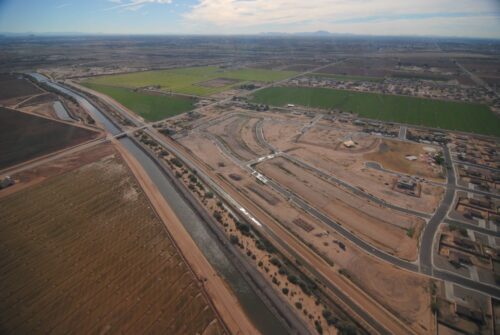
“The Colorado River Indian Tribes and the Central Arizona Water Conservation District finalized an agreement on Sept. 11 to deliver 9,009 acre-feet of tribal water to the Central Arizona Project. The water was conserved by CRIT between 2020 and 2022 as part of an intentionally created surplus — known as ICS — which helped stabilize Lake Mead and prevented more cuts in water deliveries to Lower Basin states including Arizona. CRIT conserved about 160,000 acre-feet after requests from the Bureau of Reclamation. The 4,300-member tribe in the Colorado River Valley received $38 million as compensation for leaving 150,000 acre-feet in Lake Mead. … ” Read more from Arizona Central. | Read via Yahoo News.
Commentary: We’ve used bold solutions to solve water crises in the past. It’s time to do it again for the Colorado River.
Ronald Lee Woolley, founder of Woolley Engineering Research, writes, “After months of negotiations, the Upper and Lower Basin states recently failed to agree on a plan for sharing the Colorado River through 2036. This was and is a difficult assignment. My Ph.D. dissertation in mechanical engineering involved fluid mechanics. Later, for years as a consultant, I worked with other experts, attorneys and designers on difficult tasks. I learned how people with differing backgrounds can work well together. The same strategies I learned then are needed for this project: individual research, plus group creative involvement and insights. For example, we should ask why four states agreed to export water for free 100 years ago and whether that should continue indefinitely. Realistically, I believe the long term solution is to take salt out of ocean water and flow more water where it’s needed. … ” Read more from the New York Times.
Arizona water experts warn Colorado River cuts would be ‘unprecedented’ for Phoenix taps
“Independent researchers studying the Colorado River say the federal plan for reducing water deliveries to Arizona, California, and Nevada would force cutbacks on a scale the region has not faced before. For Arizona communities that depend on the river — especially around Phoenix and Tucson — that could mean a much harder and more expensive path to keeping water flowing to homes and businesses. The paper, as KJZZ reported, says the Lower Basin proposal would reduce supplies by about two-fifths a year from 2028 through 2036. Arizona leaders had already worked out a shorter-term plan with cuts of about 20% for 2026 and 2027, but they remain deeply concerned about the steeper reductions that could follow. … ” Read more from The Cool Down.
Central Arizona Project disputes fairness of new Colorado River cuts
“The Central Arizona Project board voiced disagreement last week over whether federal water reclamation plans are fair to Arizona and other lower basin states. The CAP board, also known as the Central Arizona Water Conservation District, argued that the new guidelines presented by the Federal Bureau of Reclamation unfairly targeted the three lower basin states: Arizona, California and Nevada. The board met last week to discuss the federal guidelines and the 10-year plan to conserve and replenish water in the Colorado River, and both Lake Mead and Lake Powell. General manager of the board Brenda Burman alleged in a public comment earlier this year that the mandates “disproportionately harm Arizona and are unacceptable,” and has urged the Bureau of Reclamation to have the guidelines reviewed and reconsidered. … ” Read more from Cronkite News.
How Nevada lawsuit could impact Arizona’s Colorado River water cuts
“For more than a century, the seven Colorado River Basin states have largely managed to keep their water disputes out of court. Now, with the river shrinking and the states still divided over how to share the shortage, the fight is moving from the negotiating table to the courtroom. Nevada, the Colorado River Commission of Nevada and the Southern Nevada Water Authority have sued the federal government over its new plan for operating Lake Mead and Lake Powell. The lawsuit argues the plan could cut Nevada’s Colorado River allocation too deeply without adequately considering the potential economic and public health consequences. … ” Read more from Channel 15.
Don’t blame data centers for Arizona’s Colorado River cuts, water experts say
“Are the data centers responsible for the water shortage? For now, researchers say no – though details on exactly how much water each facility uses remain hard to pin down. “While I don’t think that data centers are the cause of the current Colorado River crisis, they are growing and they’re growing fast,” said Rhett Larson, a professor of water law at Arizona State University. “They do use a lot of water.” Only seven states have more data centers operating or planned than Arizona, according to U.S. Data Center Map, which tracks the industry. At last count, the state had 113 in operation. Some take up hundreds of acres. The facilities provide the infrastructure necessary to meet surging demand for cloud computing and large-scale artificial intelligence processes. Arizona gets about 40% of its water from the Colorado River, according to a 2024 report from the Arizona Department of Water Resources. But after a decades-long drought, the river is supplying far less than a century ago, when Arizona and six other states set the annual entitlement. … ” Read more from Cronkite News.
Wrecked rain gauges. Whistleblowers. Million-dollar payouts and manhunts. Then a Colorado crop fraud got really crazy.
“Over the winter of 2016 into the spring of 2017, U.S. weather experts watching southeastern Colorado noticed something they’d never seen before. Storm clouds would gather over the thirsty sagebrush ranges surrounding tiny Colorado and Kansas towns like Springfield and Coolidge. On a normal day, the promising storms produced snow or rain that would fall onto a system of official weather stations at airstrips or town halls, into heated “tipping buckets.” When the teeter-totter buckets filled with a thimbleful of water, the seesaw tilted, dropping one miniature metal bucket downward to close an electrical circuit. One “tick” of the bucket, and a signal went out to National Weather Service sensors around the world that the parched High Plains had recorded one hundredth of an inch of welcome water. What bewildered the trackers is that on many of these stormy days, those buckets were not tipping. No tipping buckets pointed toward a severe spring drought. All cumulus, no accumulation. That same winter and spring, weather agency field technicians started phoning in a series of repairs to Colorado and Kansas rain gauges, also unlike anything their Pueblo bosses had ever seen. … ” Read more from the Colorado Sun.

