by Robin Meadows
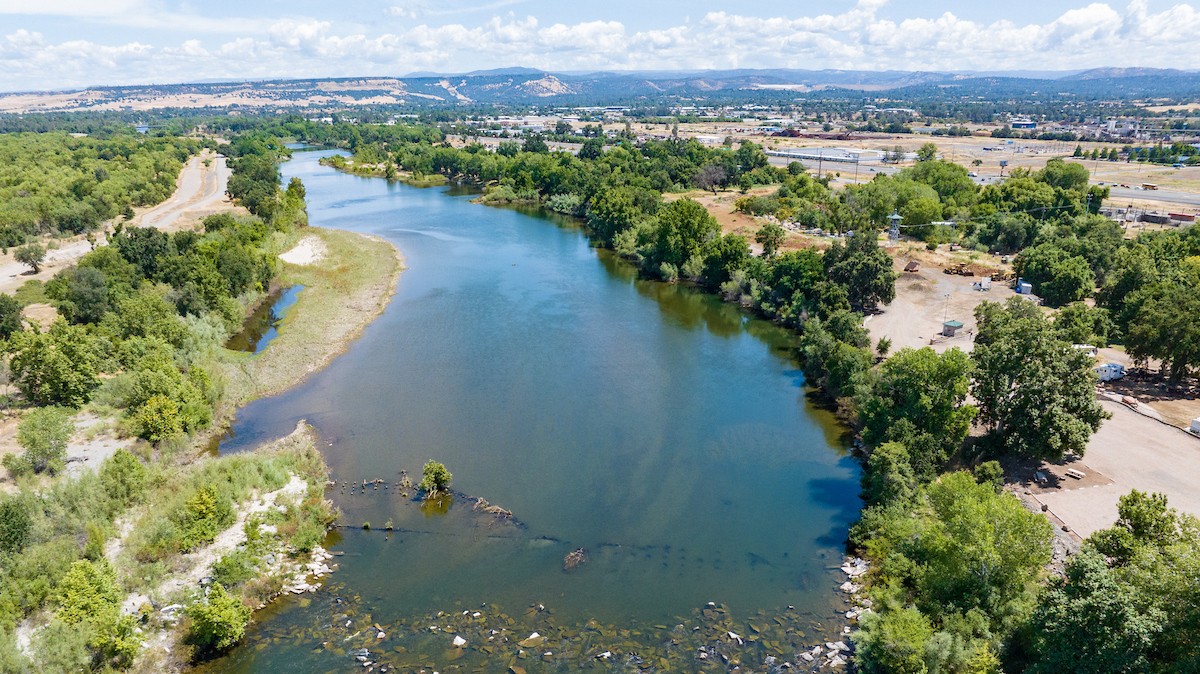
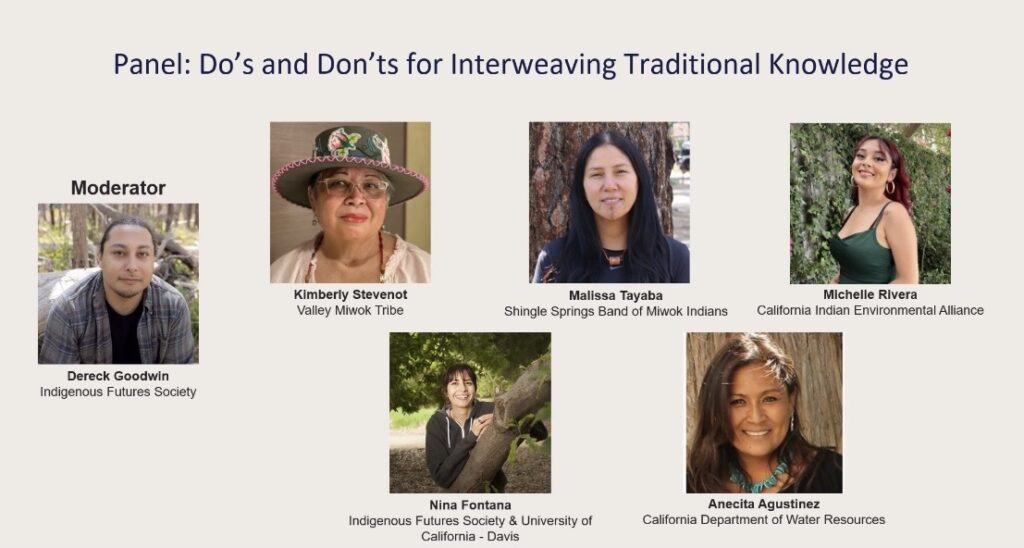
Malissa Tayaba, Vice Chair of the Shingle Springs Band of Miwok Indians, comes from ancestral villages on the Sacramento, American and Feather rivers. “I’m really trying to get across to people who the Tribe is, where we’re from, and why land and Mother Earth are so important to us,” she said.
“How we use waterways is our lifeway―it’s not an option, it’s something we need,” she said. Tribal connections with waterways go both ways. ““We believe Mother Earth is alive, we believe that water is alive―we can actually feel what they need.”
Tayaba spoke at the June 30 kickoff of the three-part Interweaving Traditional Knowledge Roundtable Series, which brings together Tribal Elders and leaders, agencies, and scientists to explore working together to steward lands and waterways. California has required state agencies to consult with Tribes on managing sites that are sacred or vital to their cultural traditions and heritage since 2011.
“Tribal communities have been stewarding our natural environment since time immemorial,” said Julie Lee, Chair of the Delta Stewardship Council, which is co-hosting the series with the Shingle Springs Band of Miwok Indians and the California Indian Environmental Alliance, a nonprofit that works to protect and restore California Indian Peoples’ cultural traditions, ancestral territories, means of subsistence, and environmental health.
Lee also called for “recognizing the enduring impacts of colonization, displacement and erasure, and acknowledging and honoring Tribal sovereignty, stewardship and knowledge in meaningful and ongoing ways.” Wrongs inflicted by European settlers on California’s Indigenous peoples included driving them from their lands, forcing them to labor on construction and farms, and wresting children from their families and communities to put them in boarding schools.
BE INCLUSIVE
The kickoff session highlighted Indigenous perspectives on interweaving Traditional Knowledge and Western science. Kimberly Stevenot of the Valley Miwok Tribe began by recalling being told that California’s Indigenous peoples were a thing of the past. But, she said, “We’re still here.”
Tayaba underscored Stevenot’s point. “It took us 100 years to get to these tables,” she said. “We hope to make agencies realize that we’re here to stay.”
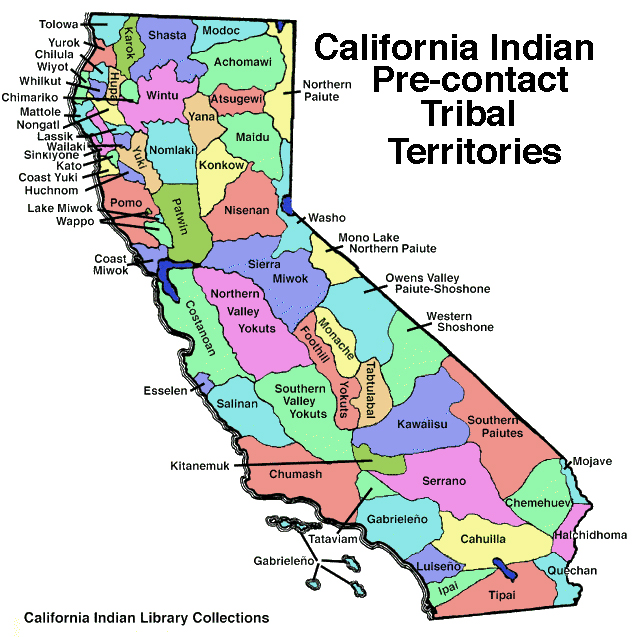
Before Europeans started taking over in the late 1700s, California had the greatest diversity of Native lifeways in North America. This rich cultural tapestry reflected the state’s tremendous geographical variety, from the Sierra Nevada to Mojave Desert to the Pacific coast.
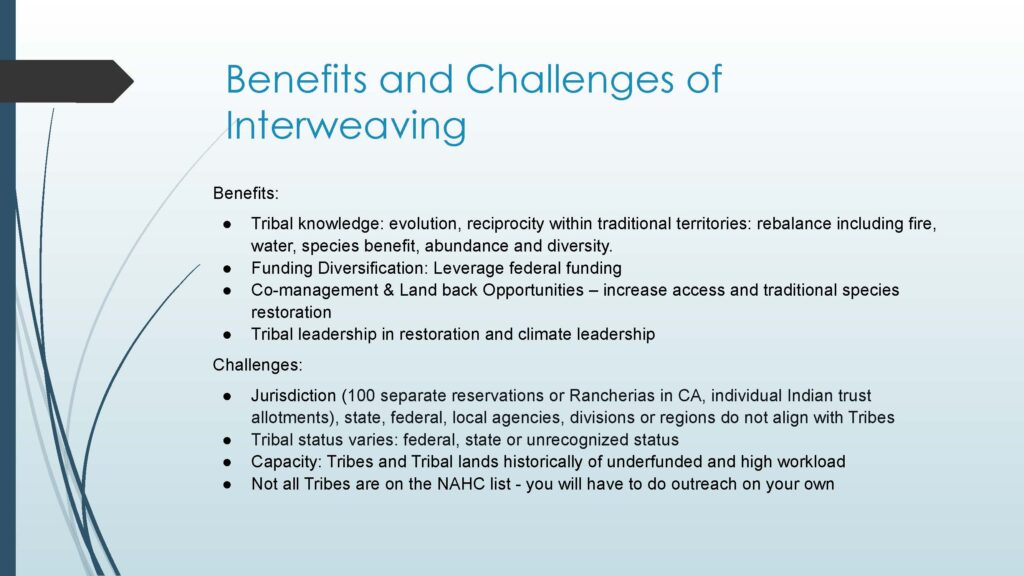
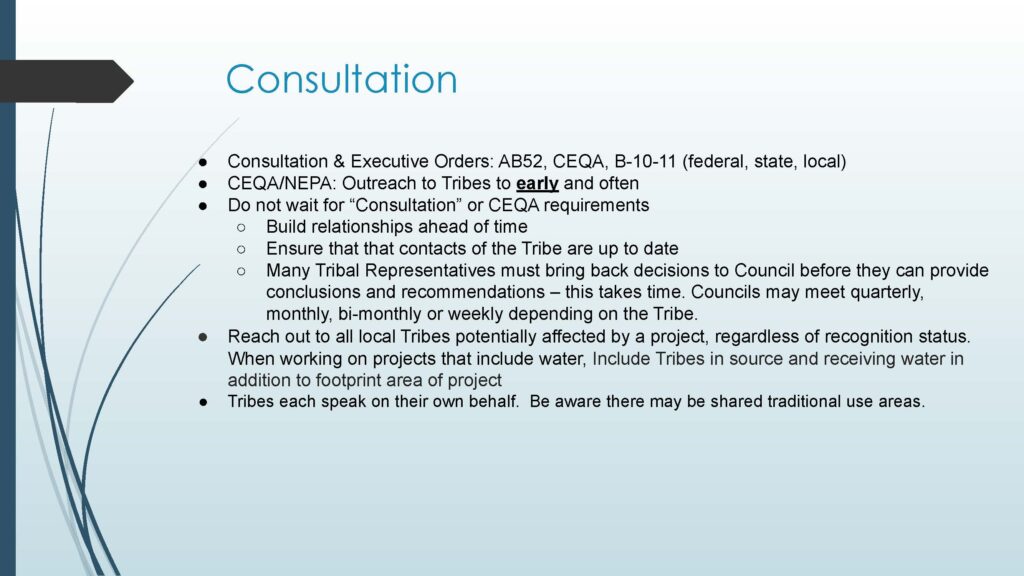
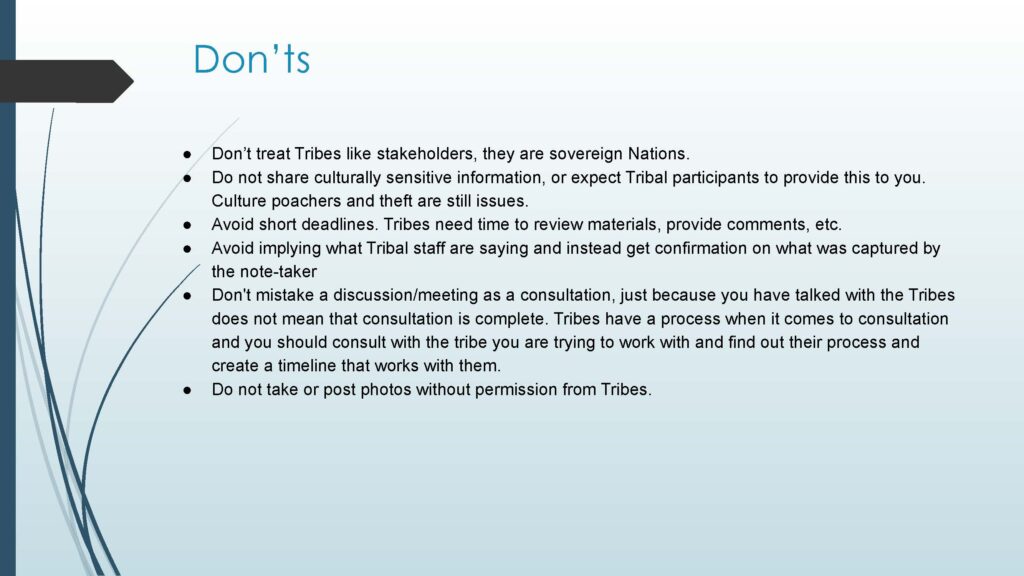
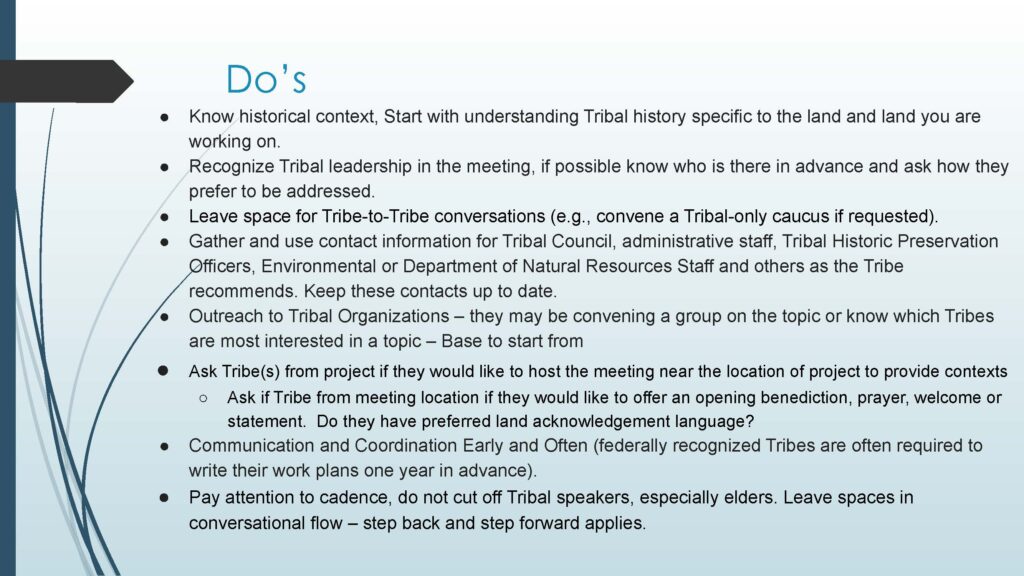
Today California has 109 Tribes that are federally recognized and many more that are not. Agencies should reach out to all tribes regardless of recognition status, says Michelle Rivera, Program Manager at the California Indian Environmental Alliance (CIEA). She presented slides prepared with CIEA Executive Director Sherri Norris of the Osage Nation that detail the benefits and challenges of interweaving, consultation, interweaving don’ts, and interweaving do’s; these are included at the end of this article.
When working on water-related projects, Rivera also advised reaching out to Tribes at the source waters, the receiving waters, and all the waters in between. “Water brings us together―we are part of the water, and the water is part of us,” Stevenot said. “It’s important that we take care of the water because we’re a part of it.”
REACH OUT EARLY
Agencies should start building relationships with Tribes as soon as possible. “You’re not going to be able to get to those hard conversations if you don’t have a relationship,” said Anecita Agustinez, who is Dine’ from the Navajo Nation and Executive Manager of the Office of Tribal Affairs at the California Department of Water Resources. Ways of building trust include double checking to make sure you understand what Tribes meant and getting permission before sharing anything they tell you.
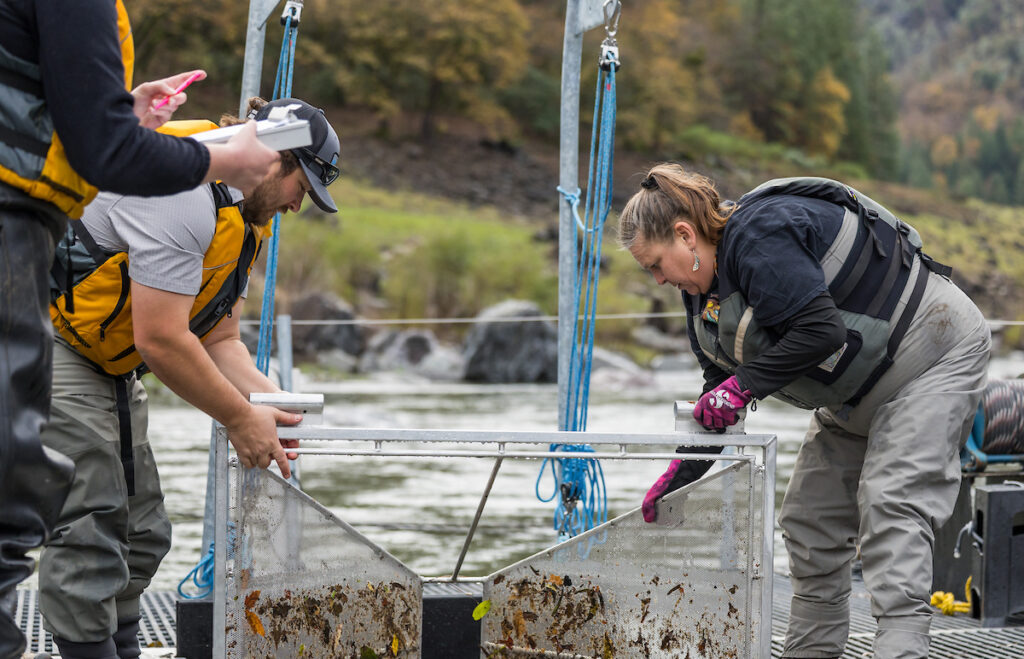
Another key to working with Tribes is to consult with them early enough that they can weigh in meaningfully on projects. “Don’t wait for consultation or CEQA requirements,” Rivera said. It’s also important to allow Tribes the time they need rather than setting a timeline unilaterally. “Build in time for Tribal representatives to bring projects to leadership,” she said, adding that some Councils may meet quarterly.
Dont’s include treating Tribes as stakeholders rather than sovereign nations, and mistaking a discussion or meeting for a consultation. “Just because you have talked with Tribes does not mean that was a consultation,” Rivera cautioned, adding that Tribes have their own process for consultations and that agencies should ask what that entails.
KEEP TRYING
Lack of capacity is a huge issue for Indigenous peoples. “Lots of people are trying to get Tribes’ attention,” said Dereck Goodwin, an environmental scientist and Indigenous cultural practitioner of the Nomlaki/Wailaki and Round Valley tribes. He is the Traditional Ecological Knowledge Integration lead at the Indigenous Futures Society, a Native-led nonprofit that elevates Indigenous place-based wisdom, leadership, and guardianship to achieve reparative justice.
In some Tribes, a single person that holds multiple positions and interfaces with dozens of agencies. Tayaba recommends reaching out to Tribes multiple times as well as contacting several people. “Keep trying―call again and call again and call again,” she said. “Sometimes it’s hard to get in contact with Tribes but that doesn’t mean they don’t want to talk to you.”
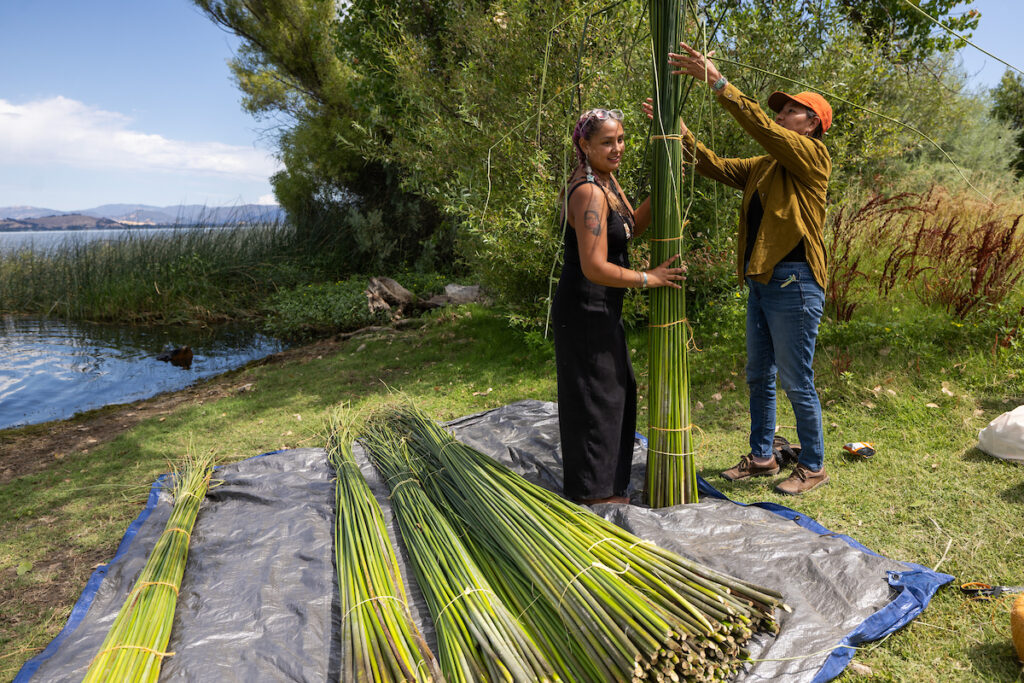
Tayaba held up River Partners, a nonprofit that restores California waterways, for their welcome approach to collaborating with her Tribe. “They asked, ‘what would you like?’ and ‘what do you need?’, and came to our Ceremony,” she said, adding that instead of just checking a box to meet a consultation requirement, River Partners built a real relationship.
As Tayaba points out, protecting the environment will benefit everyone. “How do we conserve this place not only for Native people but for all people?” she asked. “It’s not just my kids, it’s all our children―we have to save what’s left.”