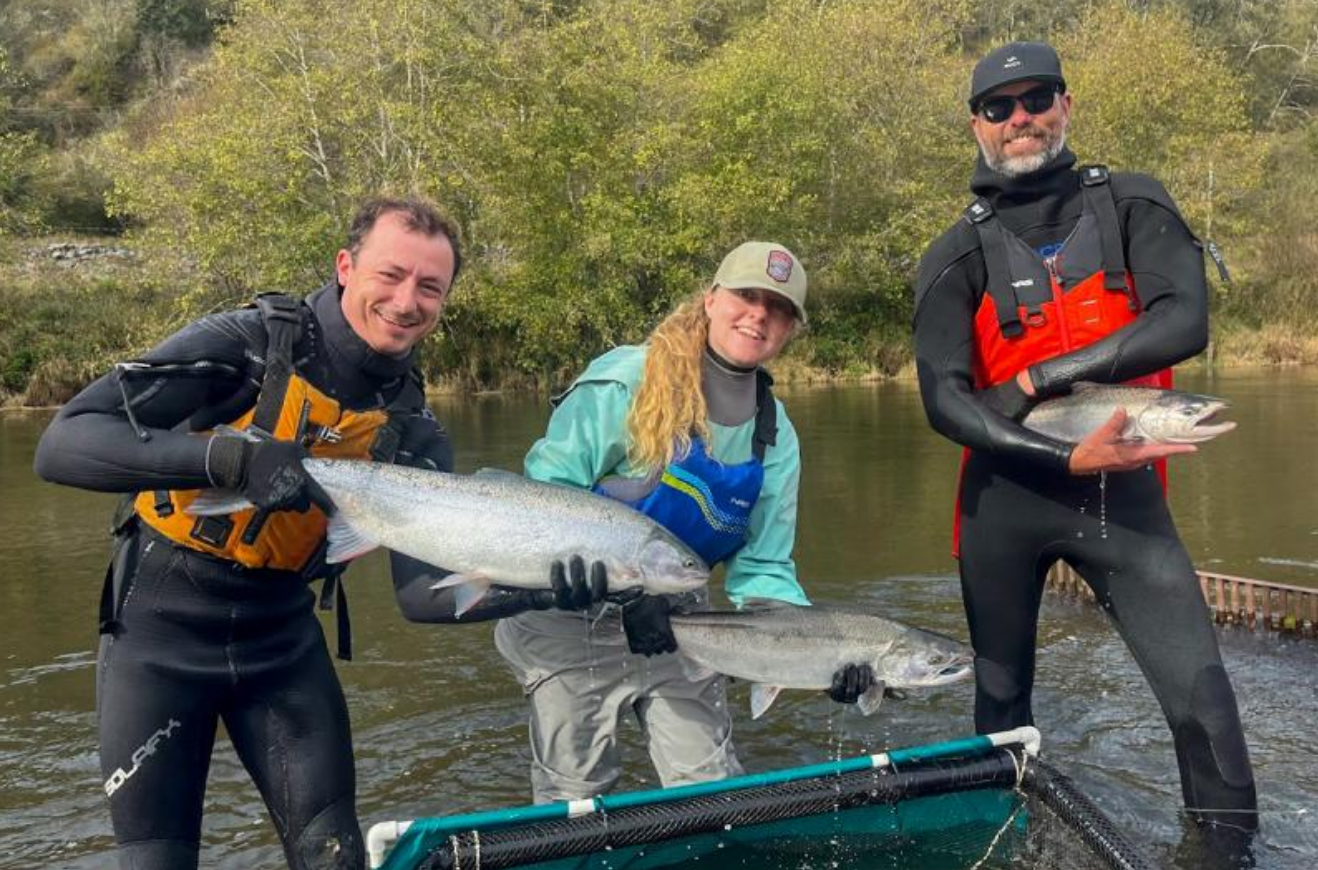
Researchers tracked salmon before, during, and after restoration to understand how restored channel and floodplain habitat influences growth, survival, and recovery of threatened coho salmon. By NOAA Fisheries This story is part 2 of a 2-part series. Read part 1....
NOAA Fisheries and partners rebuilt floodplain habitat in the heart of redwood country, benefiting salmon, restoring tribal stewardship, and creating...
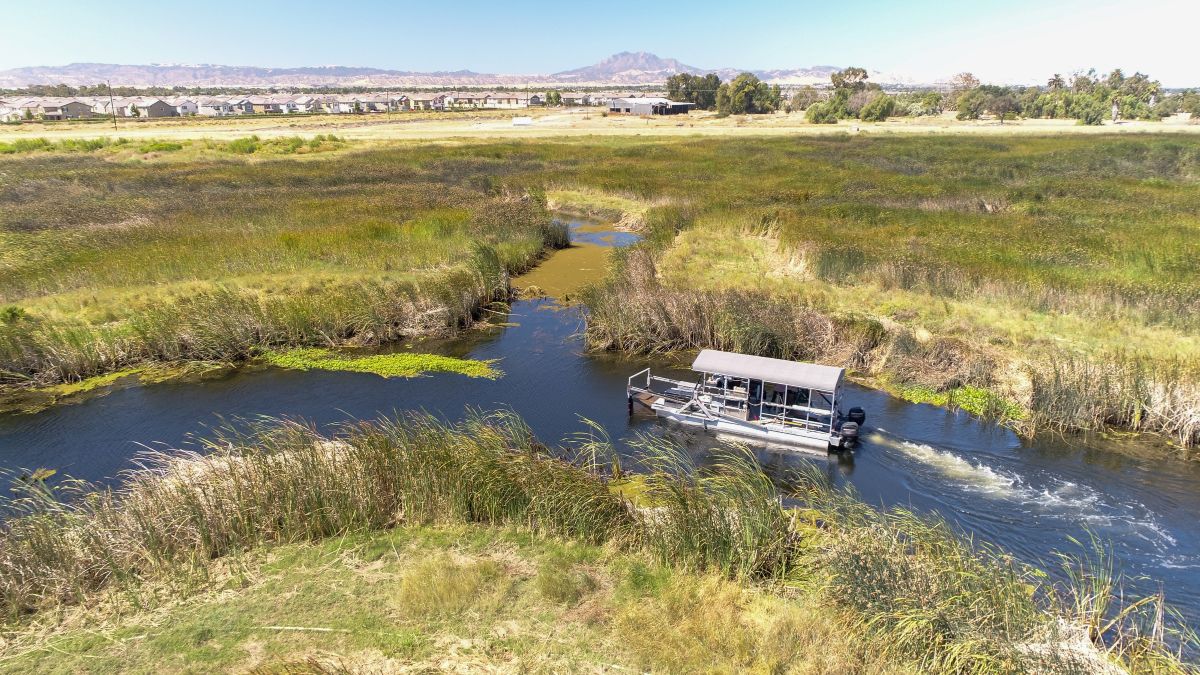
With eradication out of reach, the Aquatic Invasive Plant Control Program focuses on keeping invasive aquatic vegetation from overwhelming Delta waterways Invasive aquatic vegetation has become one of the Sacramento-San Joaquin Delta’s most persistent challenges, affecting ecosystems, navigation, water operations,...
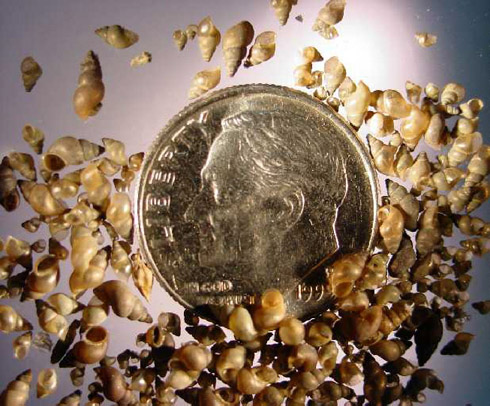
By the USGS USGS NOROCK scientists, in collaboration with the U.S. Fish and Wildlife Service, used environmental DNA monitoring in the early detection of invasive New Zealand mudsnails in a fish hatchery, enabling a rapid and successful eradication response. This...
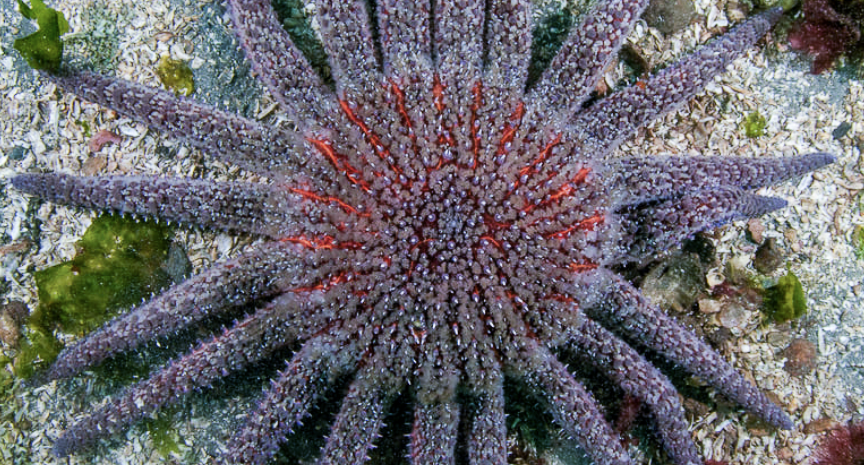
From NOAA Fisheries: A wasting disease that surged during the intense 2013-2016 Pacific marine heatwave known as the Blob decimated numerous species of sea stars and triggered the collapse of vast coastal kelp forests from the Aleutians to the Baja Peninsula....
Destructive golden mussels are wreaking havoc in California waterways. Why are California water managers ending precautions for a vital reservoir? By...
Press release from Cramer Fish Sciences: A newly published study from the Dutch Slough Restoration Project in the San Francisco Estuary shows that restored tidal habitat can begin functioning ecologically within just two years of reconnection and demonstrates the promise...