From the USGS Coastal and Marine Hazards and Resources Program Extreme rainfall can send huge amounts of sediment rushing off hillsides and into streams. But a new USGS study finds that even an exceptionally wet year may deliver only a...
Combining flood mitigation with wetland habitat restoration, “horizontal levees” could protect coastal cities and wildlife from rising seas. By Charlotte...
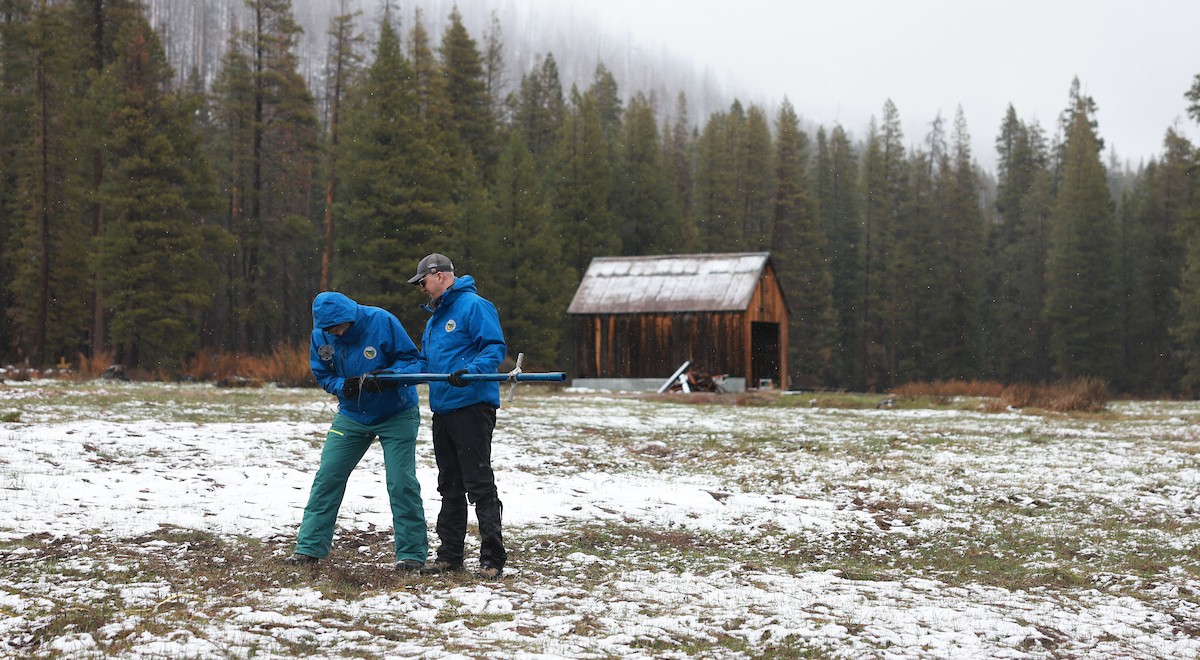
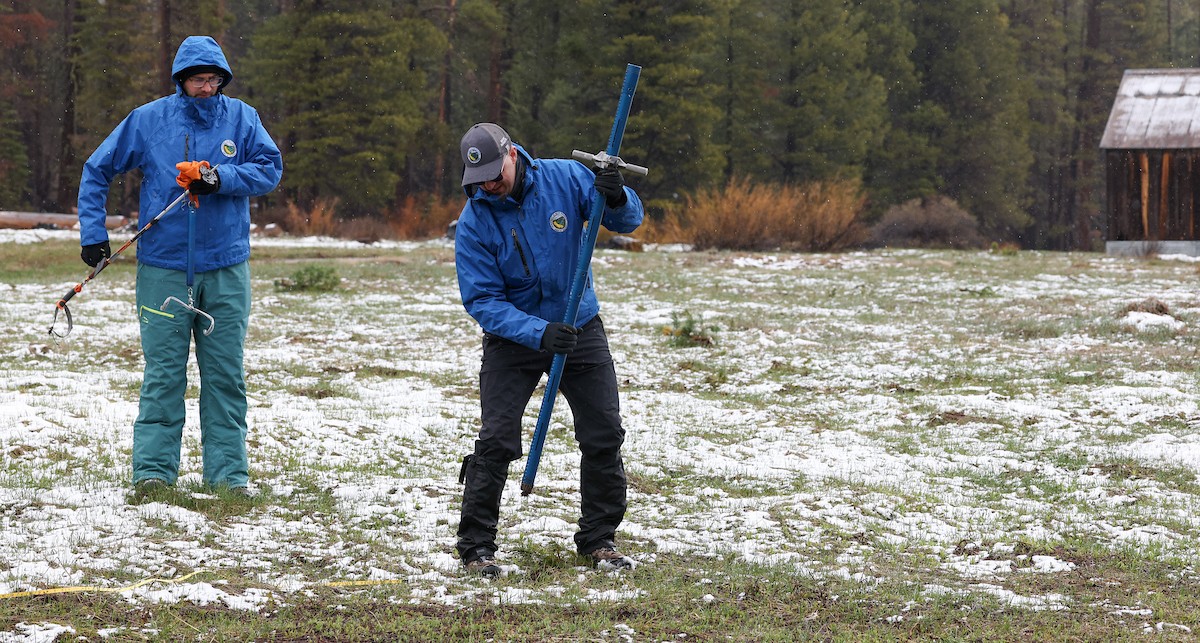
A new climate attribution study shows that heating from greenhouse gases could drive extreme snow droughts in the region every third year by 2050. By Bob Berwyn, Inside Climate News This article originally appeared on Inside Climate News, a nonprofit,...
Researchers warn climate change could reduce wine production in California’s iconic wine regions, including Napa and Sonoma, while counties such as Mendocino and Monterey may become better suited for vineyards by the end of the century. By Quinn Welsch, Courthouse...
Even by California’s standards of extreme variability, water year 2025–26 has been a strikingly poor snow year, especially in the mountains that feed the Delta watershed. A dry fall and January limited snow buildup even after a few early storms,...
Measurable characteristics can be used to develop archetypes of complex agricultural systems, helping stakeholders to assess where different adaptation strategies...
Natural Resources & Environmental Science Professor Adrian Harpold dives into mountain ecohydrology of the Sierra Nevada Mountains By Nevada Today Winter in the Sierra Nevada this year was defined by unusually warm temperatures, bringing storms with increased rainfall and less...