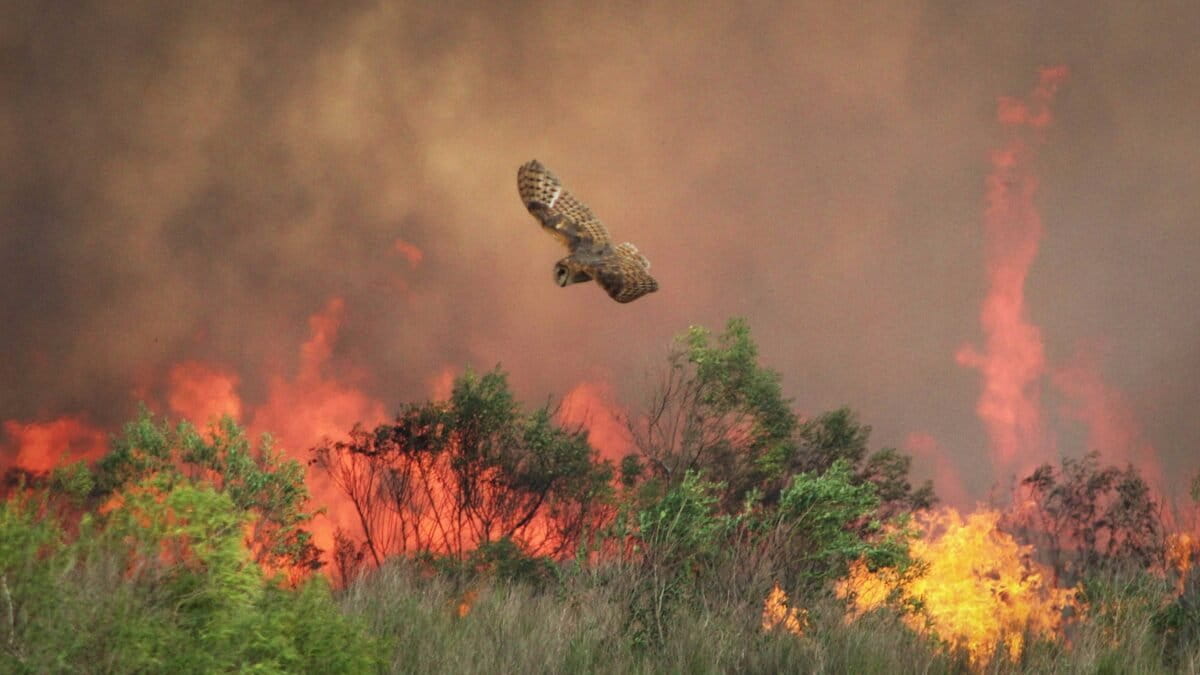
In populous regions, higher population density is linked to fewer fires, while adding people to emptier areas makes blazes more common By the American Geophysical Union (AGU) The number of wildfires burning in the Western United States each year dropped...
by Nathaniel Scharping, EOS A new approach to analyzing watersheds shows how storms occurring after a wildfire can have higher flooding risk than similar storms that occurred before a fire. Wildfires can increase flooding risks in and downstream of burned...
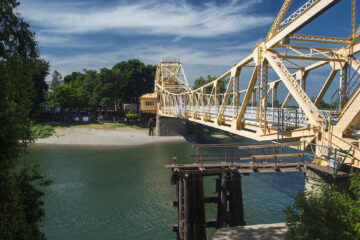
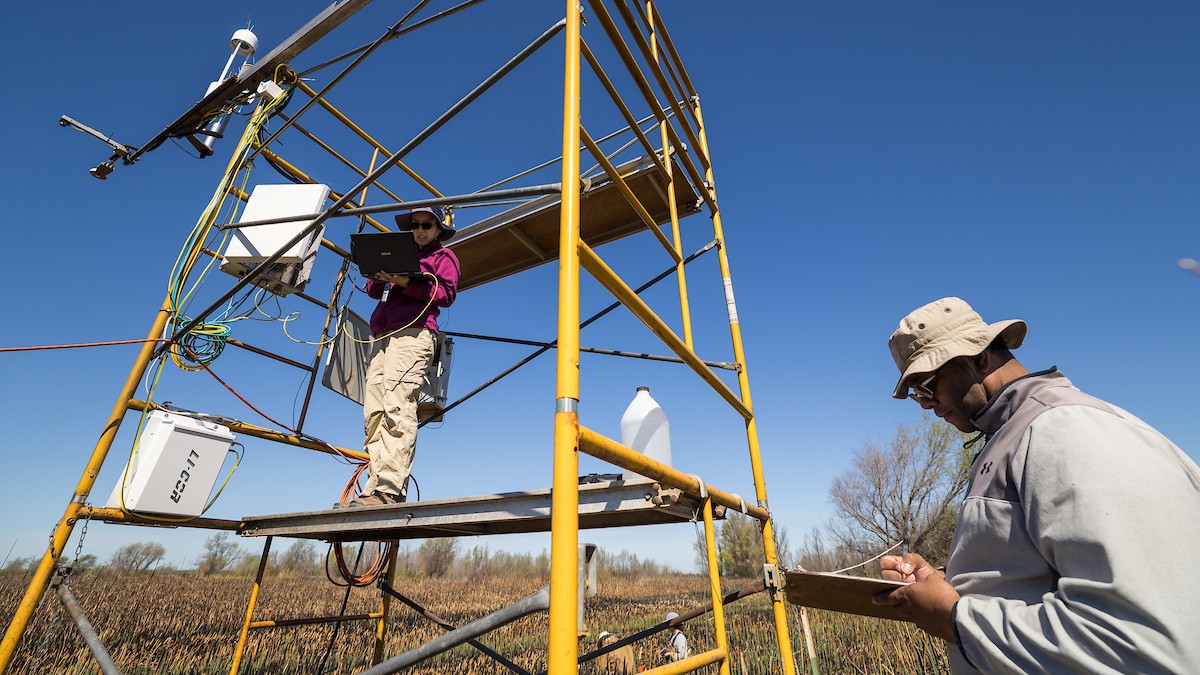
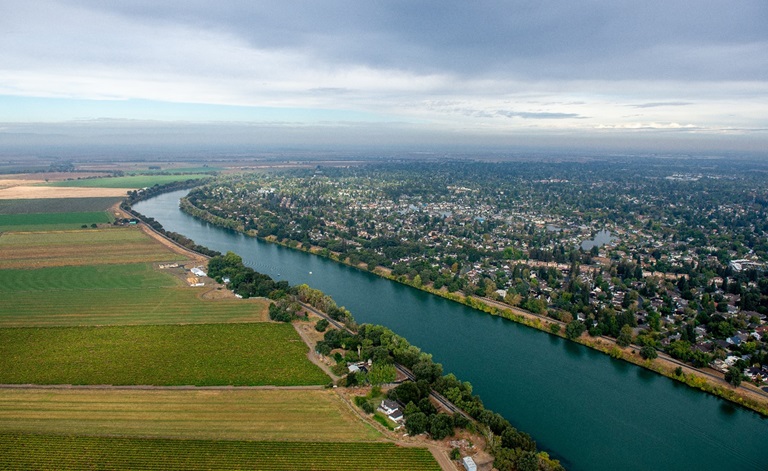
Pilot cultural informed burn project at Twitchell Island helps illuminate the secrets of carbon storage By the Department of Water Resources: The Sacramento-San Joaquin Delta has long been recognized for its ability to store carbon, so experts from DWR and...
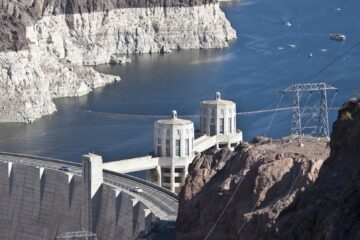
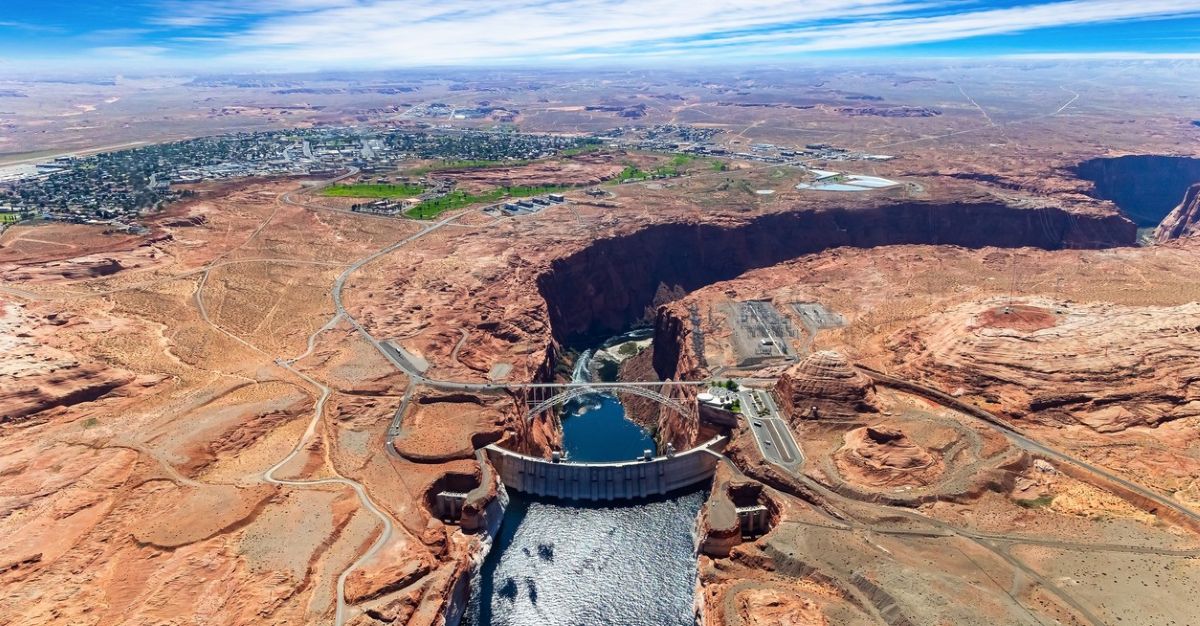
Iconic structure becomes Colorado River’s biggest water chokepoint. By Brett Walton, Circle of Blue In the span of U.S. history certain years are turning points, milestones in the nation’s story. 1776. 1865. 1929. 1968. Circumstance and consequence conspire to make...
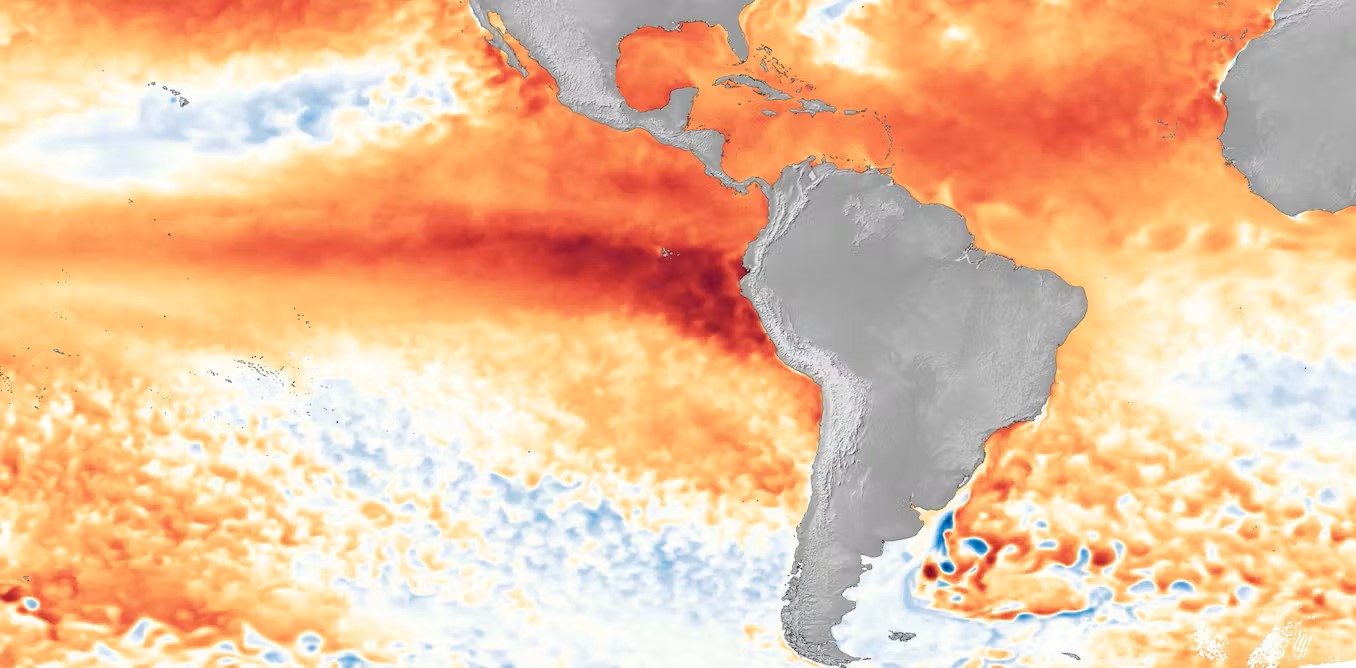
The Pacific heat pulse is temporary, but scientists warn that its climate impacts are not. By Bob Berwyn, Inside Climate News This article originally appeared on Inside Climate News, a nonprofit, non-partisan news organization that covers climate, energy and the...