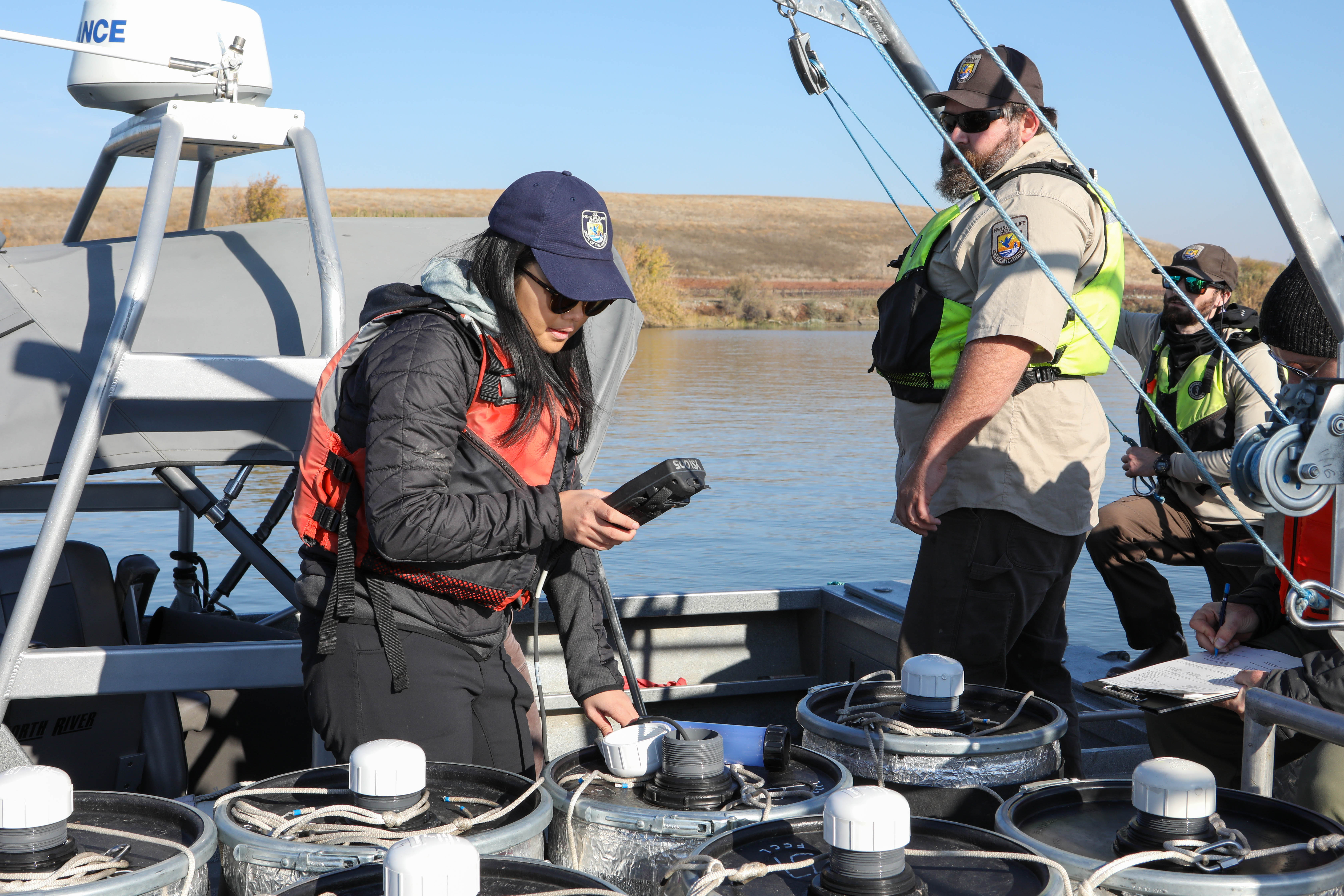
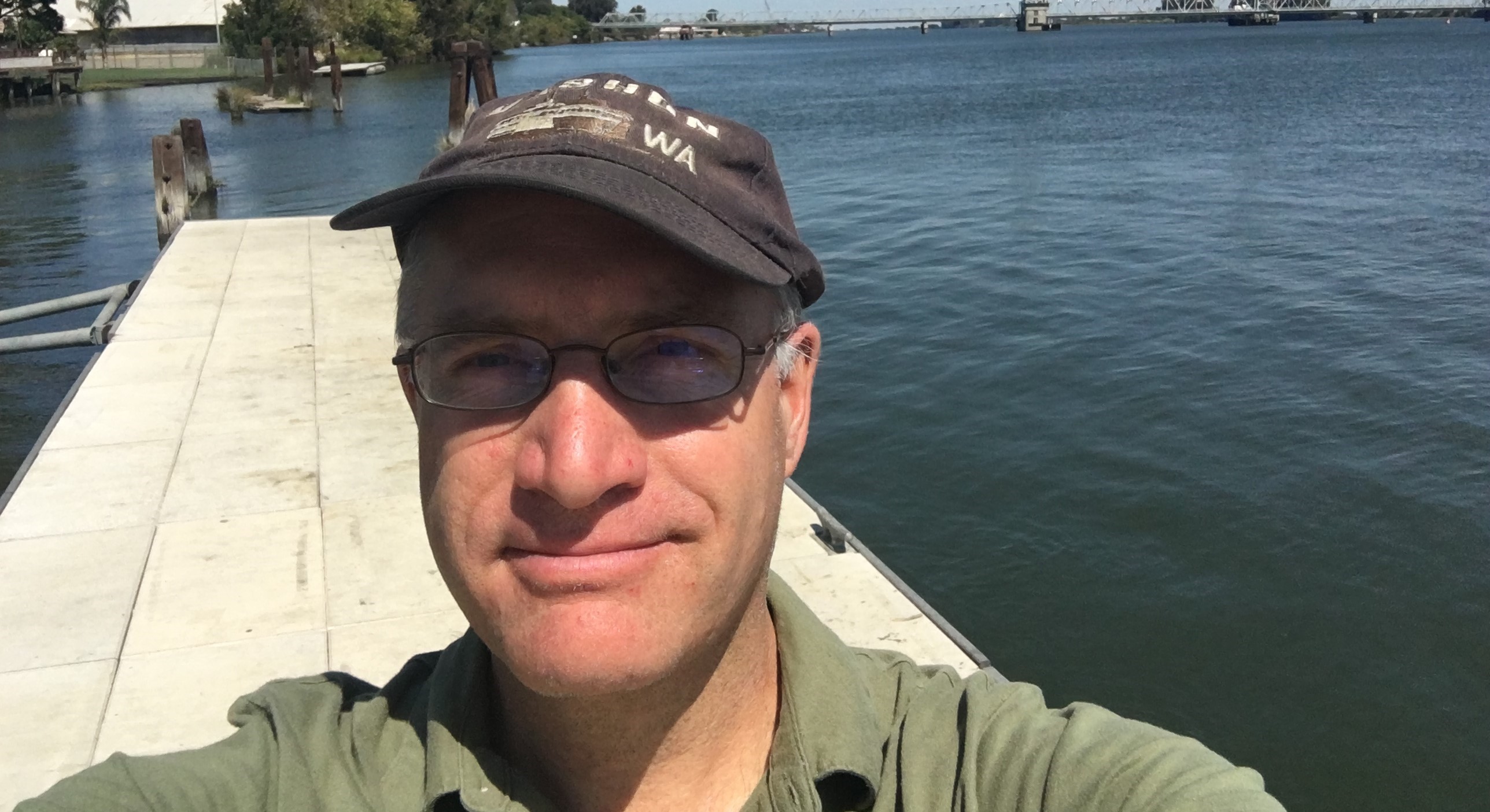
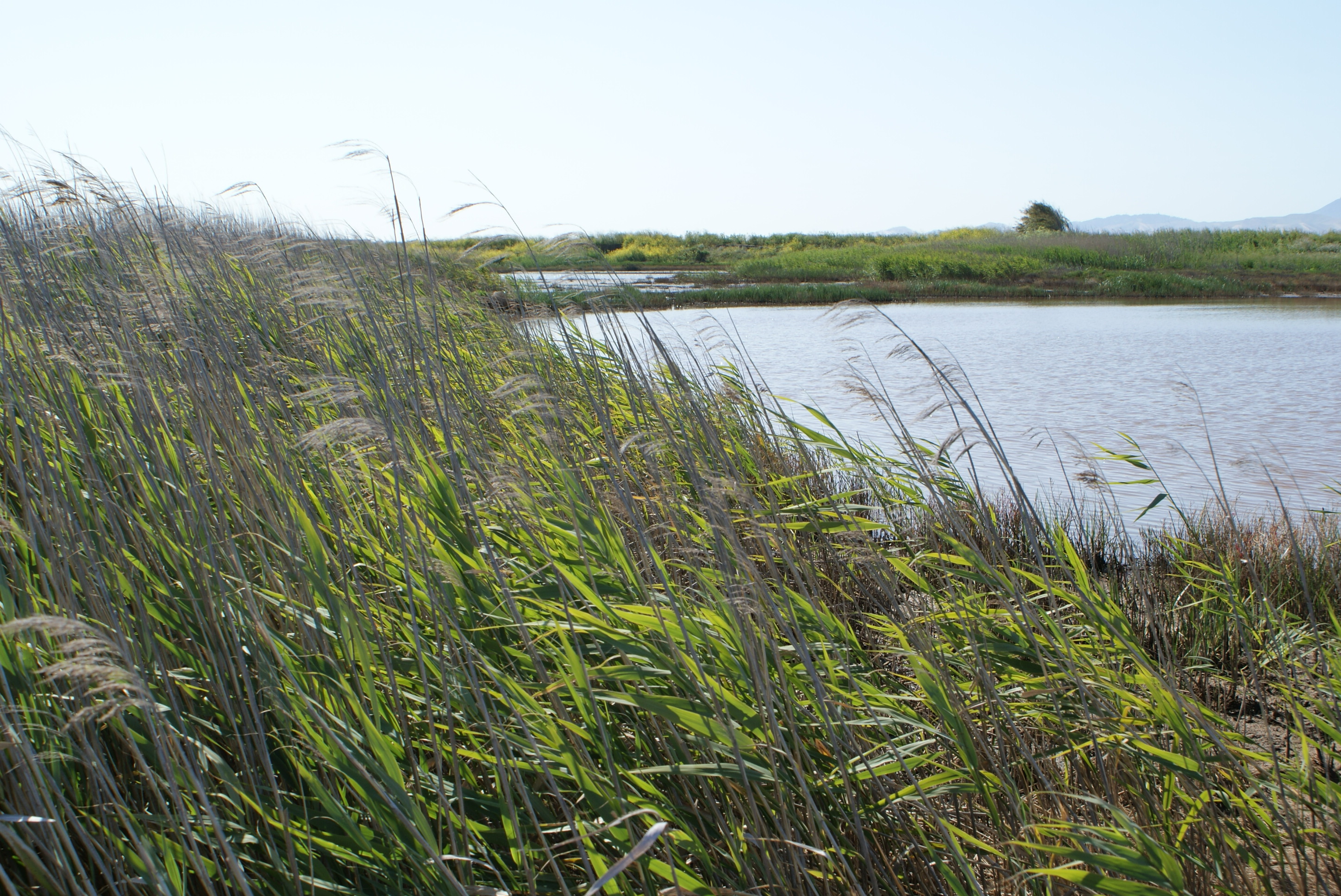
By Robin Meadows It’s a lovely December morning in Rio Vista, a town of 10,000 in the Sacramento-San Joaquin Delta. The sky is a soft blue, the sun brings welcome warmth against the chill, and the water is calm with...
The December meeting of the Delta Stewardship Council included the first Delta Lead Scientist report given by Dr. Lisamarie Windham-Myers, who assumed the position of interim Delta Lead Scientist at the beginning of December. Article spotlight: Priority Bird Conservation Areas...
San Francisco Estuary & Watershed Science (SFEWS) provides credible scientific information on California’s complex water issues, linking new science to...
Rapidly changing conditions and increasing uncertainty of future climate projections make extreme and hard-to-predict conditions challenging to manage the Delta...
For as long as humans have been upright, we’ve been digging, logging, and building along waterways. Over time, these alterations change the ways that water flows in and out of spaces. Our understanding of this movement is ever more imperative...
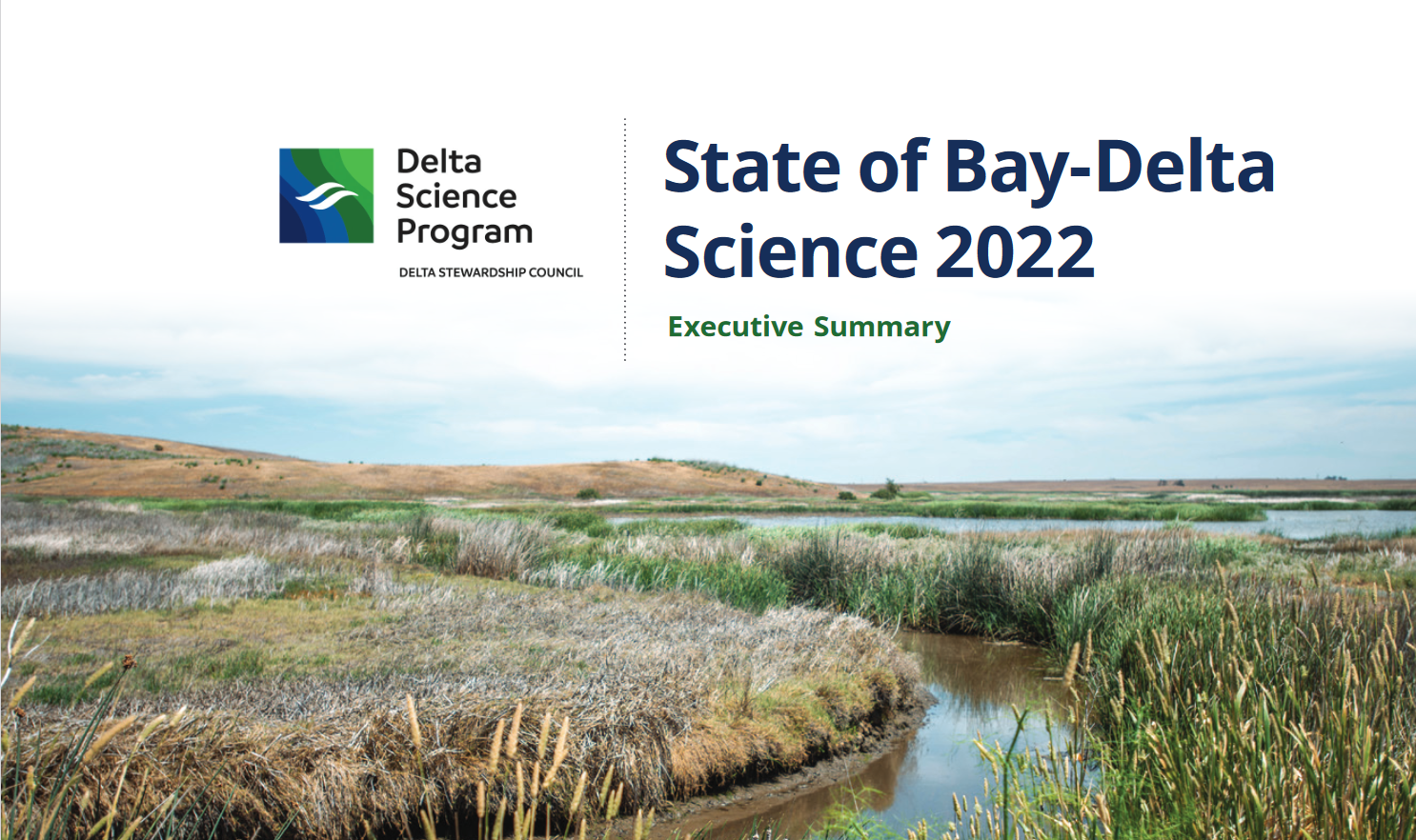
From the Delta Stewardship Council: The Delta Science Program is excited to share an executive summary for the 2022 edition of the State of Bay-Delta Science (SBDS), which explored the latest scientific understanding of plants and algae in the Bay-Delta...
By Robin Meadows While marine heat waves are well known, a 2022 study was the first to document aquatic temperature spikes in rivers nationwide. Even river experts were surprised. “I’d never thought about it,” recalls Sarah Null, a Utah State...