
AB 1313, currently under consideration in Sacramento, includes incentives to clean up runoff from large commercial properties
Press release from the Humboldt Waterkeeper and the California Coastkeepers Alliance
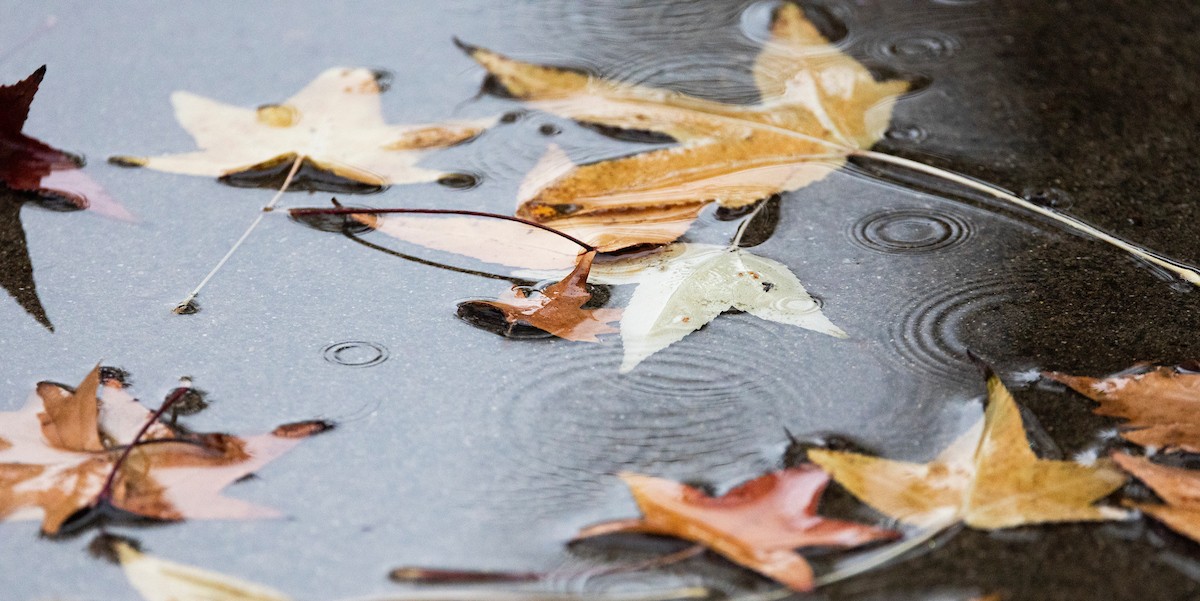
A recent stormwater sampling effort in Eureka revealed a troubling trend in area parking lots: Even in periods of relatively light rain, high concentrations of salmon-killing toxic compounds are being flushed directly into local creeks and Humboldt Bay.
The results come from a pilot project recently conducted by Humboldt Waterkeeper. The organization collected water samples from two Cal Poly Humboldt parking lots in Arcata and from the Eureka Target and Costco parking lots. The water samples were testing for a compound that has recently been discovered to be particularly toxic to coho salmon, which are listed under the federal Endangered Species Act.
The pollutant in question, known as 6PPD, is used in tires to help maintain their integrity. As tires break down from normal wear and tear, 6PPD is released and reacts to ozone in the air and transforms into a compound known as 6PPD-q. The samples collected at the Cal Poly Humboldt lots after a relatively heavy rain showed concentrations of 130 ng/L, which is higher than the 95ng/L threshold above which coho mortality increases significantly. The Eureka Costco parking lot sample showed much higher concentrations – 340 ng/L – while runoff from the Eureka Target parking lot was even higher, 430 ng/L, or more than four times the lethal concentration for coho salmon.
“Recent scientific discoveries have zeroed in on this pollutant as a significant driver of the steep declines in coho populations, and our pilot study shows that it’s not just a concern in major metropolitan areas,” said Jennifer Kalt, executive director of Humboldt Waterkeeper.
Caltrans and the Department of Toxic Substances Control gave an in-depth presentation to the State Water Resources Control Board in December 2024 about the dangers of 6PPD-q to humans and wildlife. In the presentation, Caltrans pointed to bioswales as a proven treatment option for significantly reducing the concentration of this and other toxins from roadway runoff. Bioswales collect runoff that slowly infiltrates into the soil, removing pollutants before they reach creeks and other waterways.
“Tire manufacturers are searching for a less-toxic substitute, but there’s no guarantee that new chemicals will be a good solution. Thankfully, there are relatively low-tech, low-cost approaches that could significantly reduce the amount of 6PPD-q making its way into coho-bearing streams,” added Kalt.
Runoff from impermeable surfaces like parking lots is a major contributor to water pollution. California Coastkeeper Alliance, of which Humboldt Waterkeeper is a member, is sponsoring AB 1313 (Papan) to help address this concern by requiring the State Water Resources Control Board to create a statewide Commercial, Industrial, and Institutional Stormwater Permit. As drafted, the bill encourages collaboration between stormwater dischargers, like big box stores, and local governments to develop bioswales in strategic areas to intercept parking lot runoff. This nature-based solution would make a big difference in reducing microplastics and other pollutants in waterways.
“It’s concerning to see this level of 6PPD-q in runoff in a relatively small, rural city like Eureka,” said Sean Bothwell, executive director of California Coastkeeper Alliance. “These results make it even more urgent for statewide action on this issue. Every community deserves access to clean water, and AB 1313 provides the framework to start cleaning up polluted runoff throughout the state.”
Research indicates local governments spend between $18–$46 per household for stormwater permit compliance. AB 1313 would shift some of that burden to private sources of pollution, like large commercial parking lots, and encourage private companies to collaborate with local governments to create regional solutions that will reduce pollution in local waterways.
“AB 1313 would require commercial properties to take responsibility for their contribution of stormwater pollution,” said Assemblymember Papan. “A statewide commercial stormwater permit would require compliance through the development of onsite natural infrastructure or through investment in local community stormwater management, treating stormwater as a resource instead of a liability.”
The Humboldt Bay area is relatively rural, and its tributaries provide important habitat for juvenile coho salmon. Removing toxins like 6PPD-q from area streams would improve water quality for area residents as well as for struggling salmonids. These recent water samples point to the need for more study, as Caltrans’ current assumptions likely underestimate the impact of this chemical on streams even in relatively rural areas.
##
Humboldt Waterkeeper (formerly Humboldt Baykeeper) works to safeguard our coastal resources for the health, enjoyment, and economic strength of the Humboldt Bay community through education, scientific research, and enforcement of laws to fight pollution.
California Coastkeeper Alliance represents Waterkeepers programs statewide as they fight for drinkable, swimmable, fishable waters for all Californians. CCKA defends and expands California’s protective legislation and strengthens the function of our State Water Board.
More coverage of 6PPD on Maven’s Notebook …
Cleaning water with co-benefits: Case studies with beavers and porous pavement
At the State Water Contractors science conference in June 2026, Dr. Katie Holzer, watershed scientist for the City of Gresham, Oregon, opened her presentation on how beavers improve water quality by explaining that her interest in the animals began early. As a child, she said, her father often took her into nature and shared the wonders of the natural world, with beavers among their favorite topics. A zookeeper by profession, he also studied Native American tribes and the journals of […]

RESEARCH ARTICLE: Porous pavement shows promise for reducing roadway runoff pollution
A low-profile stormwater solution may help cities clean runoff without using extra land Roadway runoff often carries pollutants such as copper, zinc, tire-derived chemicals, and hydrocarbons. At concentrations commonly found in stormwater, these contaminants can be toxic to aquatic species, especially salmon. Treating roadway runoff is therefore essential to protecting downstream waterways. Common stormwater treatment practices, including vegetated green infrastructure, can reduce pollutant discharges to aquatic ecosystems, limit flooding and erosion, and help restore natural hydrologic processes. These systems typically […]

NOTEBOOK FEATURE: California agencies advance strategy for emerging contaminants and tire-derived 6PPD-quinone
State Water Board update highlights new monitoring tools, a statewide mapping effort, Caltrans stormwater research, and DTSC’s search for safer tire chemicals. At its June 16 meeting, the State Water Resources Control Board received an informational update on California’s work to identify and manage constituents of emerging concern, including 6PPD and 6PPD-quinone, a tire-derived contaminant linked to toxicity in sensitive aquatic species. Constituents of emerging concern, or CECs, include chemicals that are unregulated or only partly regulated in the environment, […]
SFEI: San Francisco rain gardens filter microplastic tire particles and dozens of chemicals from stormwater
From the San Francisco Estuary Institute: San Francisco’s rain gardens—the unassuming patches of greenery and mulch designed to soak up rainwater alongside urban roadways—may improve the environment in more ways than realized. A new SFEI-led study shows that rain gardens substantially reduce levels of 21 contaminants in stormwater before that water ends up in San Francisco Bay. The paper published in the journal Environmental Science: Water Research & Technology investigated how rain gardens trapped pesticides, preservatives, pharmaceuticals, chemicals from vehicles […]
COURTHOUSE NEWS: Tire manufacturers fight accusations that toxic runoff harms fish
Conservationists claim that runoff of a chemical in car tires is harming endangered fish and violating the Endangered Species Act. By Carly Nairn, Courthouse News Service On the last day of a three-day bench trial, tire manufacturers maintained that there is not yet enough data to form opinions about the effects of a runoff tire chemicals on protected and endangered fish populations. Environmental organizations claim the tire manufacturers — including Bridgestone America, Goodyear Tires and Michelin North America— make or distribute […]
