In October 2019, the Public Policy Institute of California (PPIC) released the report, Priorities for California’s Water, which outlined California’s water management challenges and their top priorities for addressing those challenges. Other reports from the PPIC have highlighted actions that...
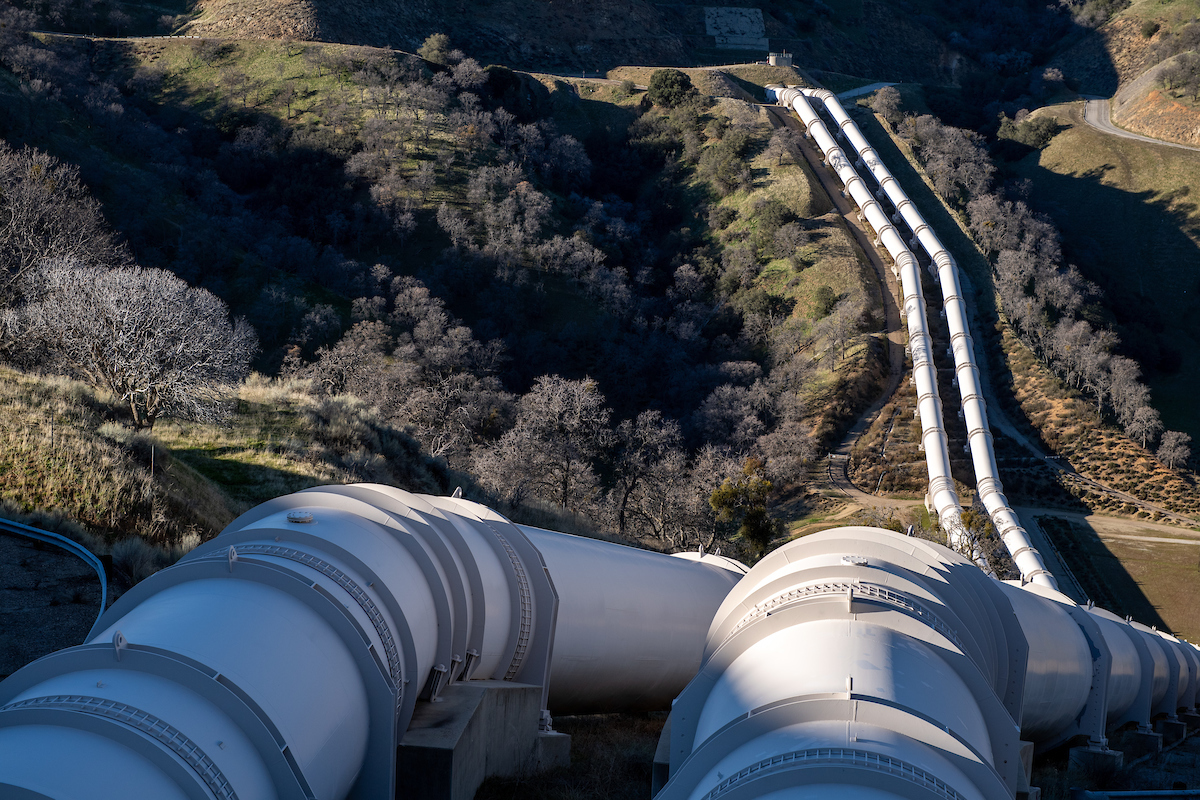
Water Code section 165 requires the California Water Commission to conduct an annual review of the construction and operation of the State Water Project (SWP) and to report its findings and recommendations to the Director of the Department of Water...
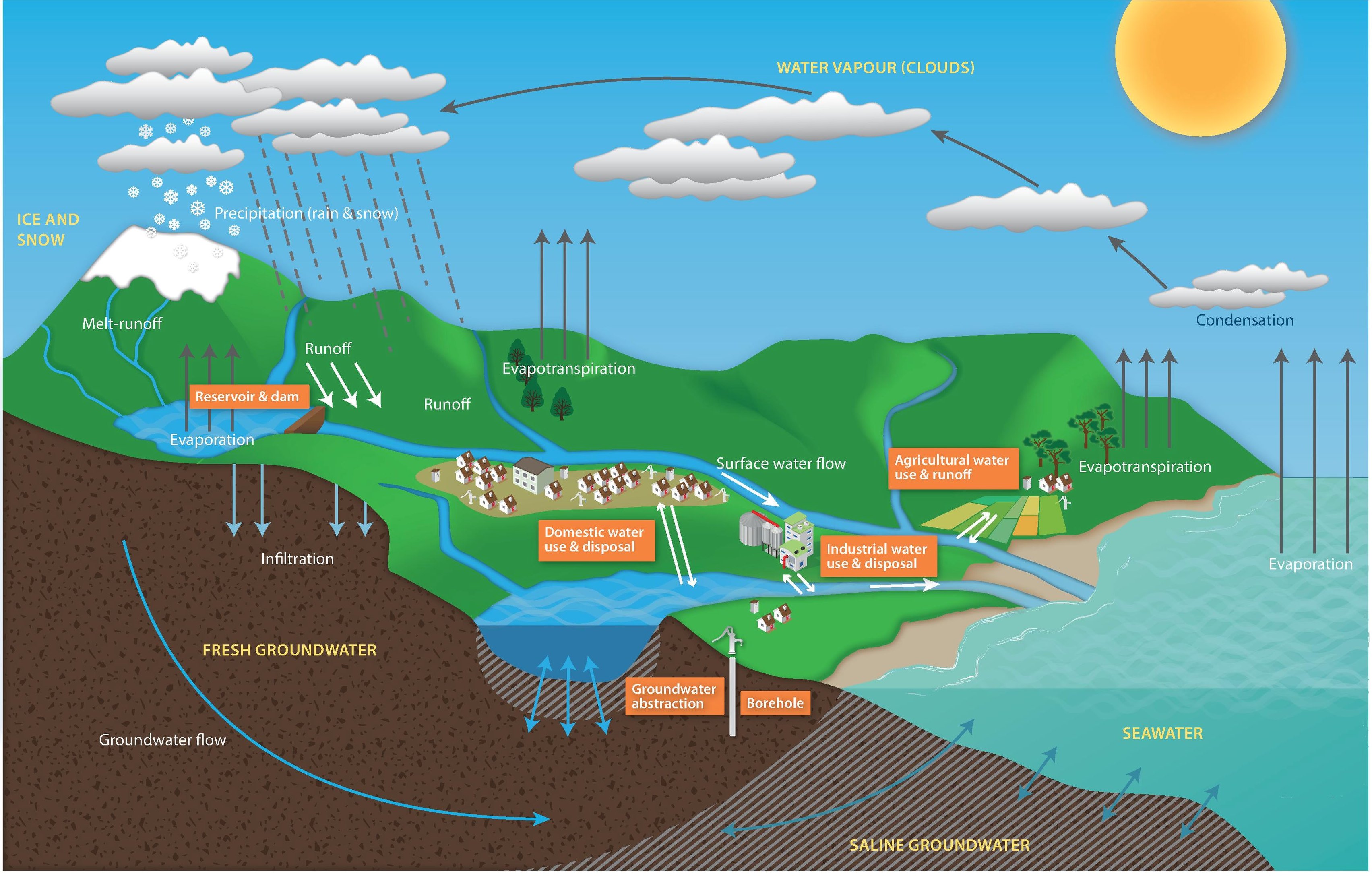
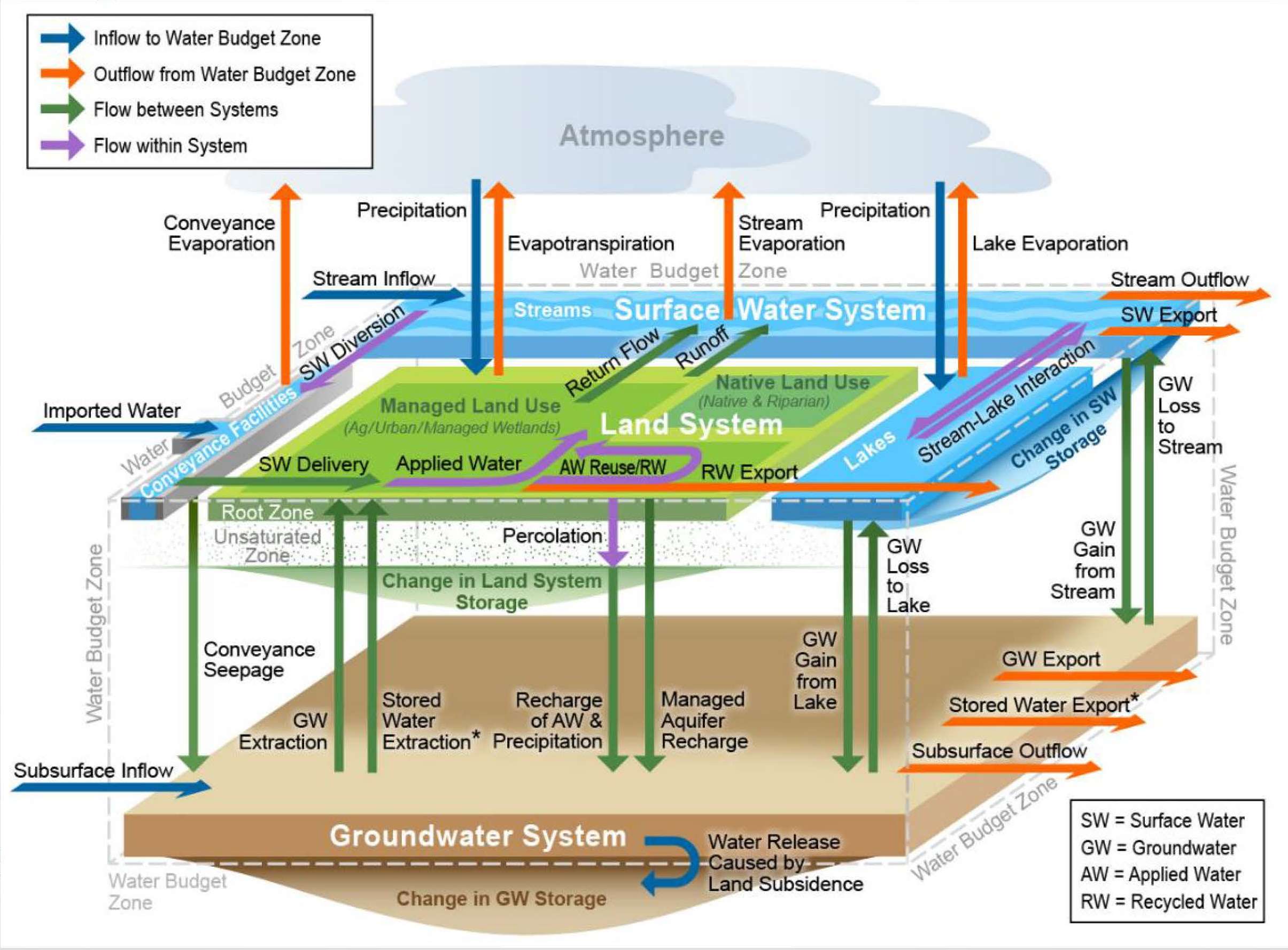
With water availability being an important concern, water managers often use water budgets to quantify and manage water resources. A water budget is an accounting of the rates of the inflows, outflows, and changes in water storage in a specific...
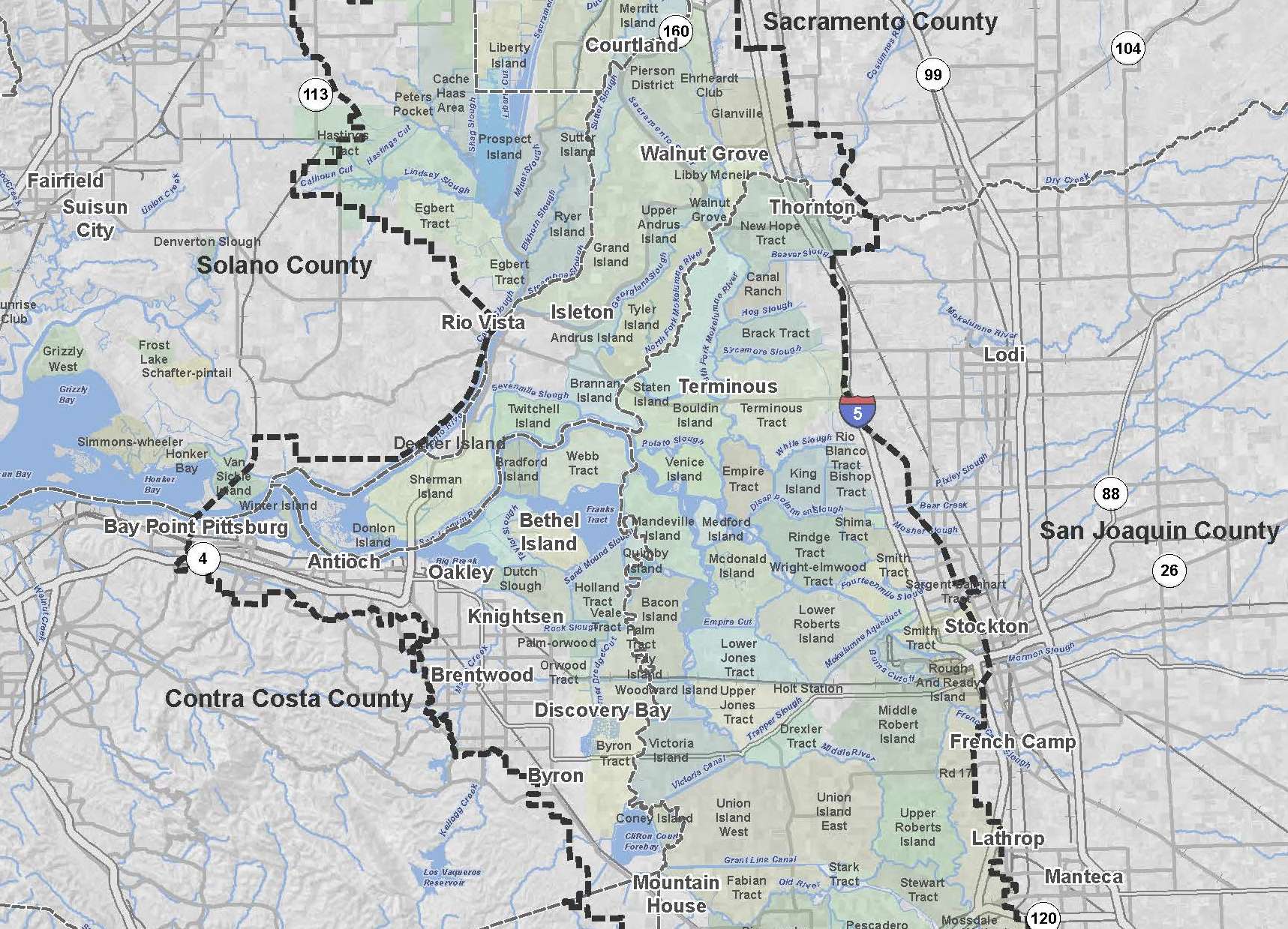
Congressman Garamendi pushes for consideration of a western alignment for Delta conveyance; DWR responds In his scoping comments for the Notice of Preparation for the reformulated Delta Conveyance Project, Congressman John Garamendi expresses his disappointment that the State is not...
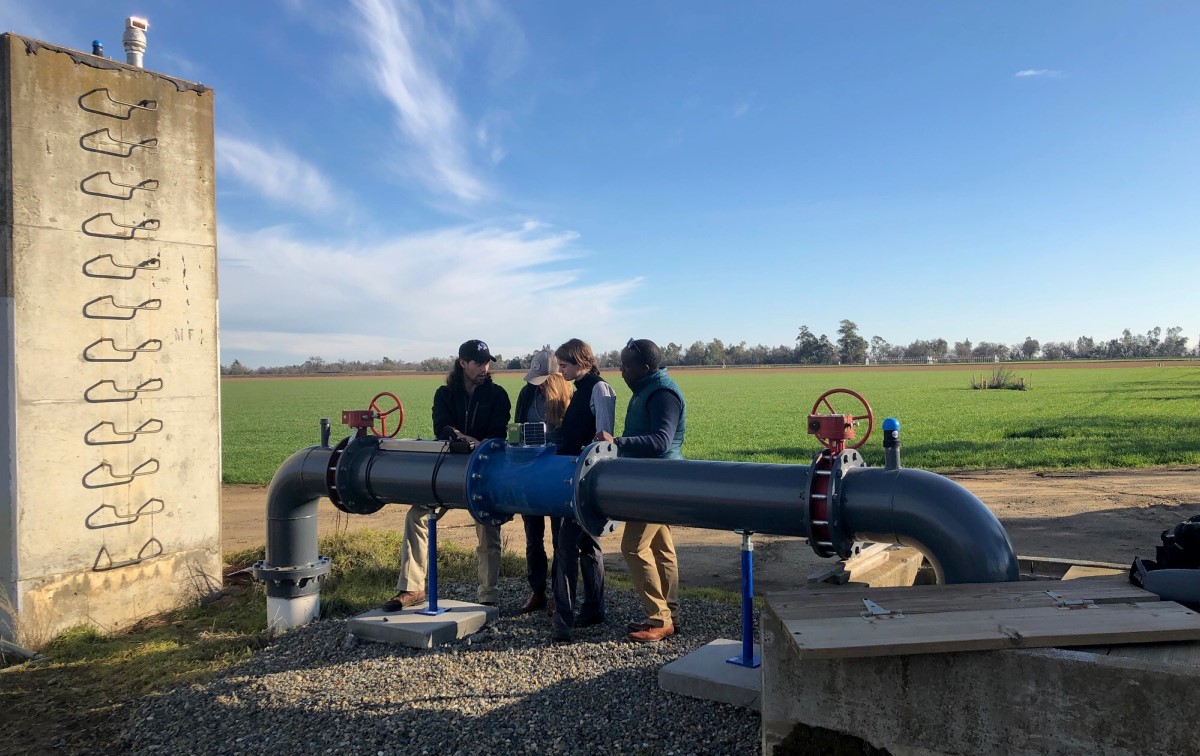
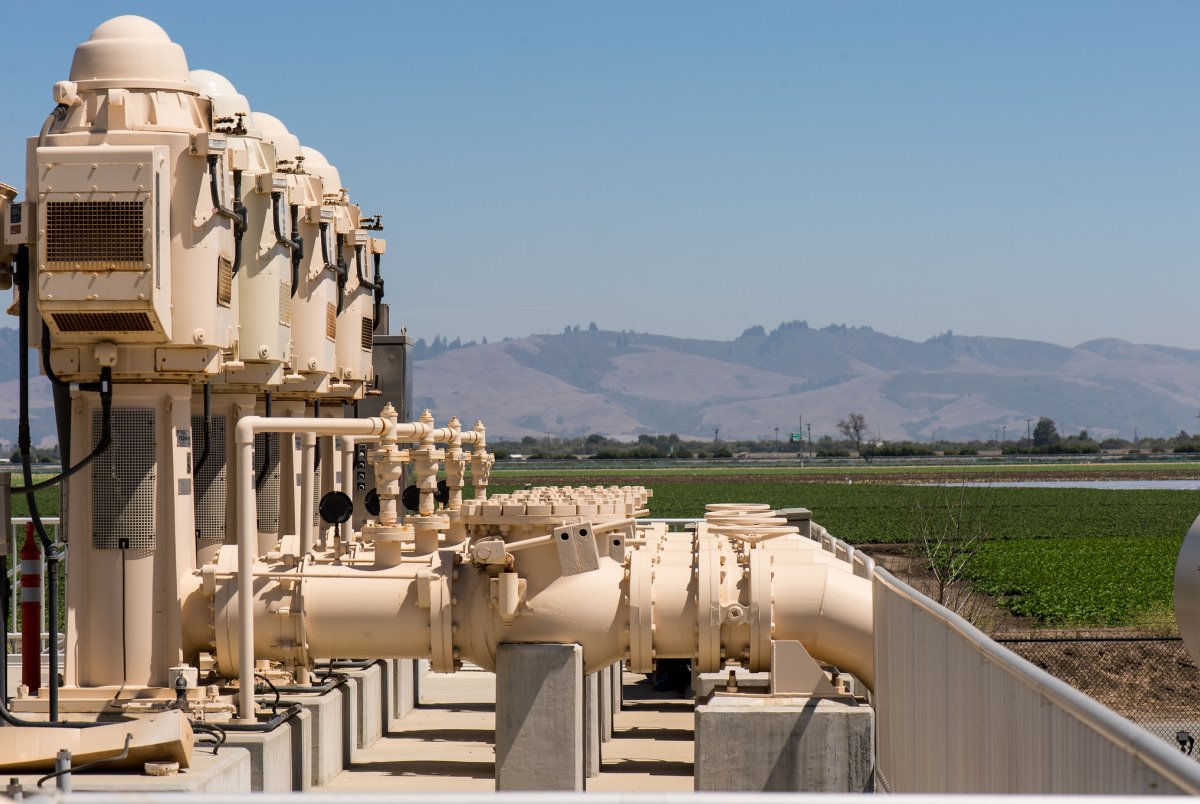
The Pajaro Valley is home to a billion-dollar agricultural industry, it’s rich, fertile soil providing fruits and vegetables for the nation and all grown with groundwater. Located on the Central Coast, the Pajaro Valley has no connection to the State...