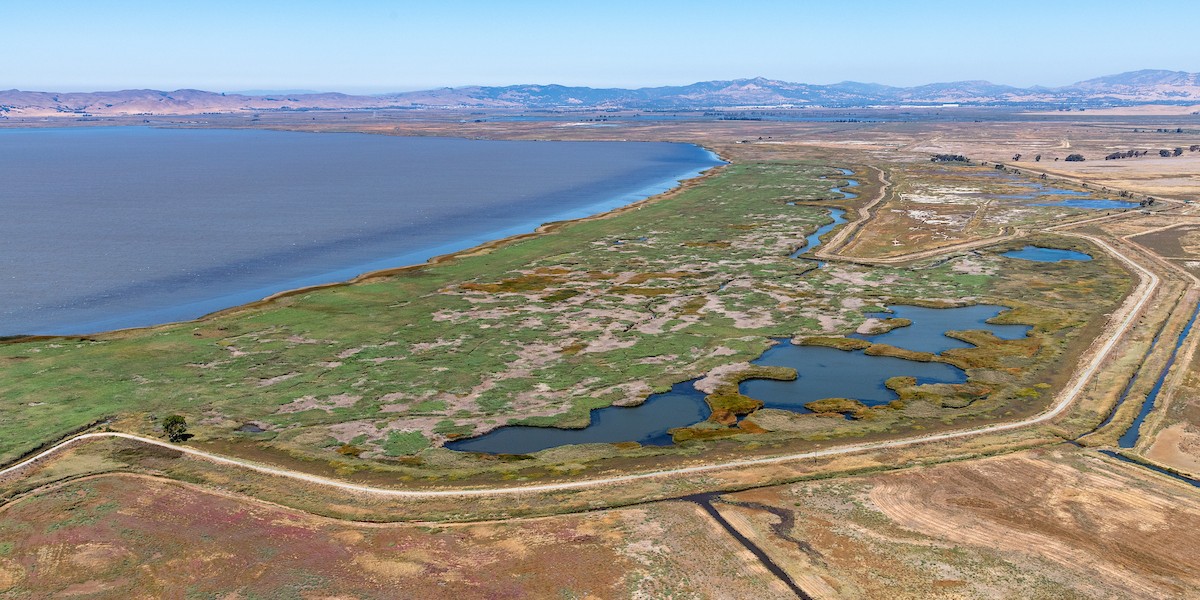
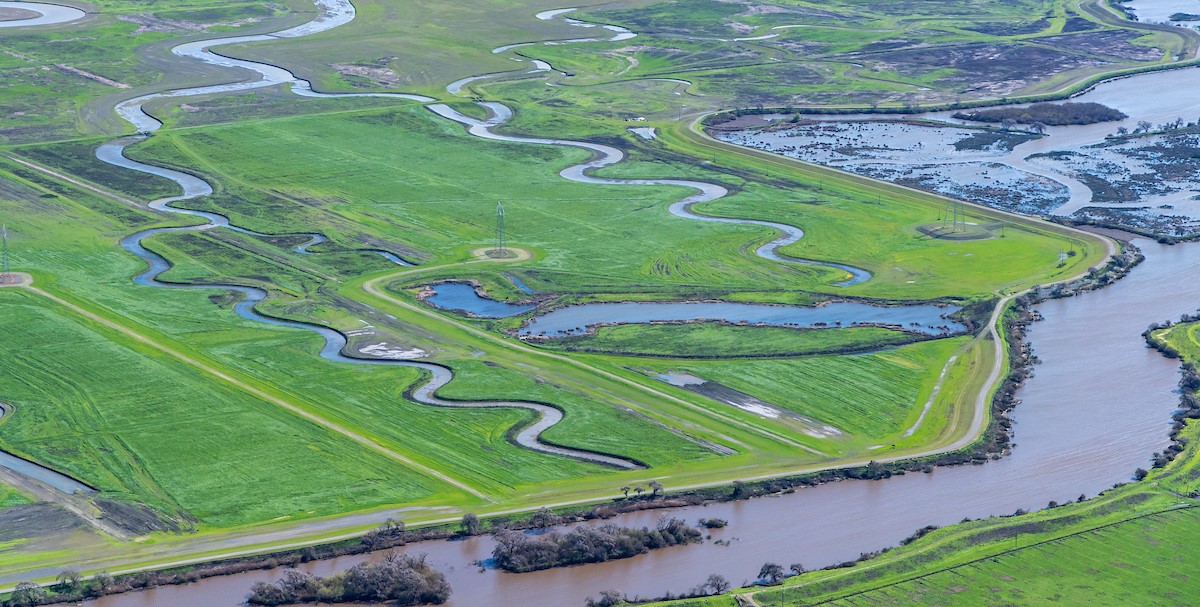
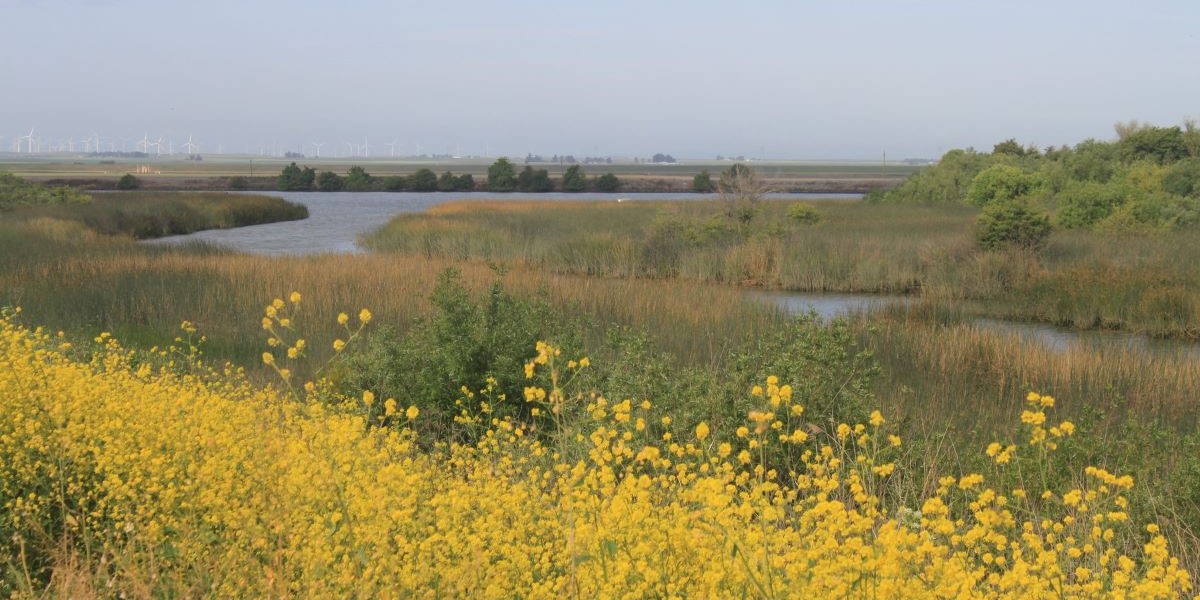
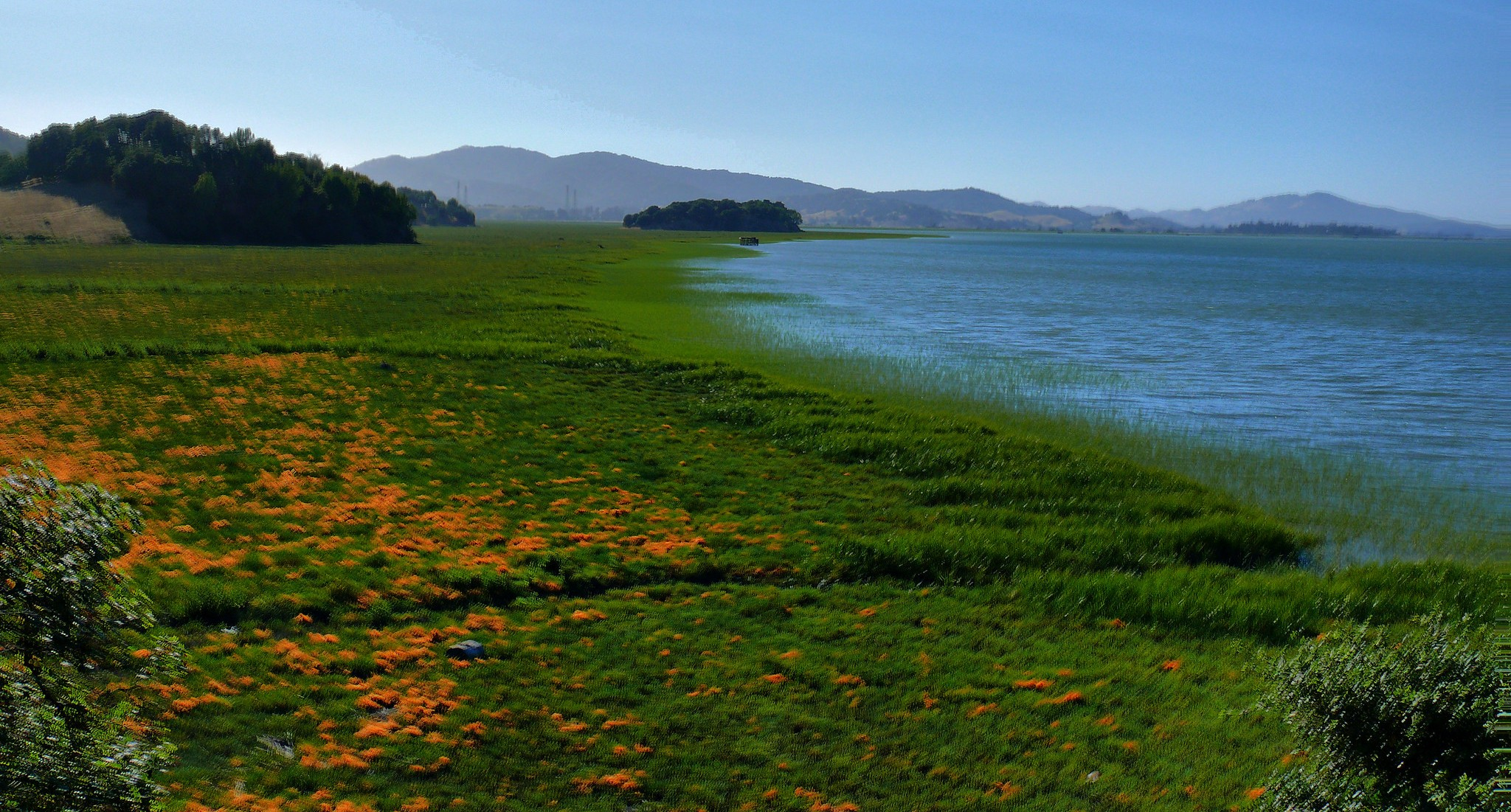
Historically, the Delta was a vast network of tidal wetlands interwoven with meandering channels. However, widespread land use changes beginning in the late 1800s have resulted in the loss of approximately 95% of this habitat. To address this significant loss,...
In the latest issue of the San Francisco Estuary and Watershed Science: RESEARCH MONOGRAPH Synthesizing Relationships Between Winter-Run Chinook Salmon...
From the Delta Stewardship Council: The Delta Plan Interagency Implementation Committee’s (DPIIC) Fiscal Year 2023-2024 Delta Crosscut Budget Report is...
From the Delta Science Program: Part 2 of the 2025 State of Bay-Delta Science is now available online in the San Francisco Estuary and Watershed Science (SFEWS) journal’s latest issue. In whole, this edition includes seven articles summarizing the state...
By Wendy Morgado Gamero, McGill University and Orianne Tournayre, Université de Montpellier As climate change and human activity threaten freshwater...
By John Hart Every few years, it seems, we remember Suisun Marsh. Not that this unique middle chamber of the San Francisco Estuary is ever forgotten; it’s just that, like a relatively quiet child in a troubled family, it can...
Axis of rotation shifted in two phases following surges of dam building, first in the Americas and then in East Africa and Asia By the American Geophysical Union (AGU): Over the past two centuries, humans have locked up enough water...
By the USGS Coastal and Marine Hazards and Resources Program Tidal salt marshes—vital ecosystems that protect coastlines, remove excess nutrients and pollutants from coastal waters, and provide habitat for fish and wildlife—depend on a steady supply of inorganic sediment to keep...