There has been an ongoing conversation about the importance of thinking about the San Francisco Estuary holistically as a connected system, rather than siloing the Bay, Delta, and watersheds. The system is connected, after all, and it is important not...
The Interagency Ecological Program (IEP) is a consortium of State and federal agencies that has been conducting cooperative ecological investigations...
The Interagency Ecological Program (IEP) is a consortium of State and federal agencies that has been conducting cooperative ecological investigations since the 1970s. The IEP relies upon multidisciplinary teams of agency, academic, nongovernmental organizations, and other scientists to conduct collaborative...
The Interagency Ecological Program (IEP) is a consortium of State and federal agencies that has been conducting cooperative ecological investigations...
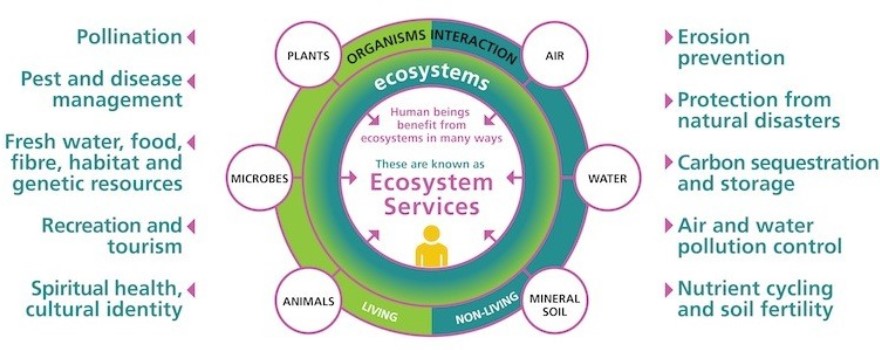
Second part of a three part series investigating ecosystem services and what it means for science in the Delta Ecosystems are the communities that are formed by the interaction between living things such as plants, wildlife, and humans, and non-living...
The June issue of Estuary News is now available online. This issue explores the rainbow flavors of infrastructure — green, blue, living, nature-based, and multi-benefit. As regional regulators require more from municipalities on the stormwater management front, many are developing...
Panel of Delta project managers discuss how they apply adaptive management in their projects Adaptive management is defined in the Delta Reform Act as “a framework and flexible decision making process for ongoing knowledge acquisition, monitoring, and evaluation leading to...