At the Western Groundwater Congress hosted online by the Groundwater Resources Association, Audrey Arnao, an associate with WestWater Research, gave...
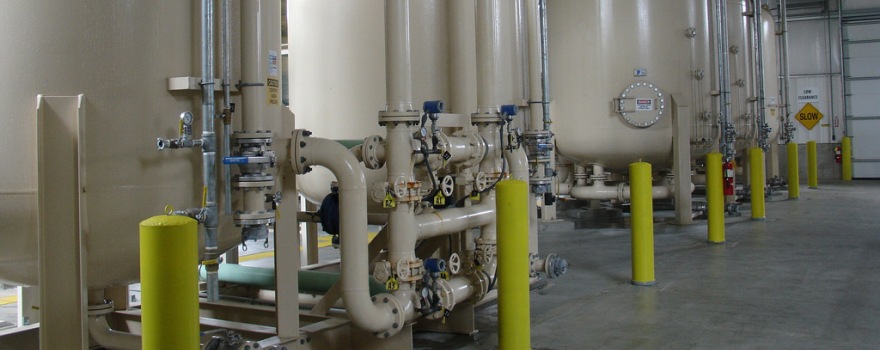
Cleaning up polluted groundwater basins can create additional water supply that would not otherwise be available without remediation, but treatment costs can be expensive. Throughout California, contaminants such as arsenic, nitrates and naturally occurring radioactivity have reduced the amount of...
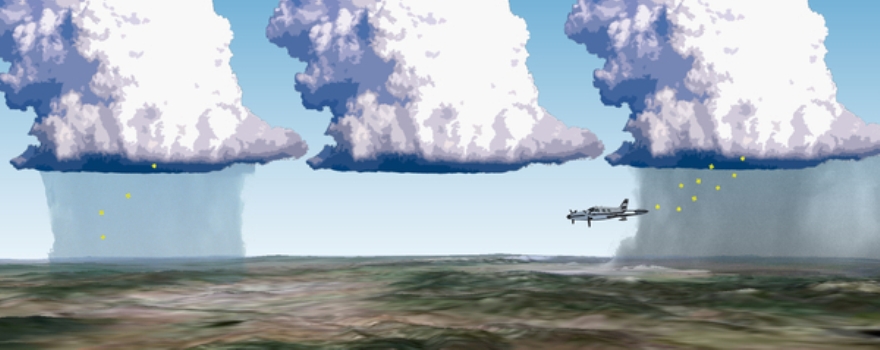
Cloud seeding, practiced in California since the 1950s, is estimated to add 400,000 acre-feet per year to the state’s precipitation. Expanding the program could potentially add another 400,000 acre-feet per year. Precipitation enhancement, or cloud seeding, involves artificially stimulating clouds...
Changing existing operations and management procedures for water project operations, referred to as system reoperation, can yield numerous benefits such...
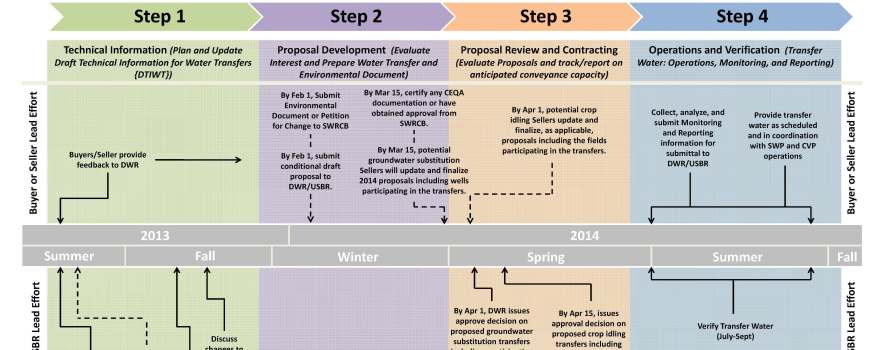
Water transfers can be an effective tool for water managers to provide flexibility in the allocation and use of water by moving water to where it is needed most, especially during times of drought. Water transfers can also help accommodate...
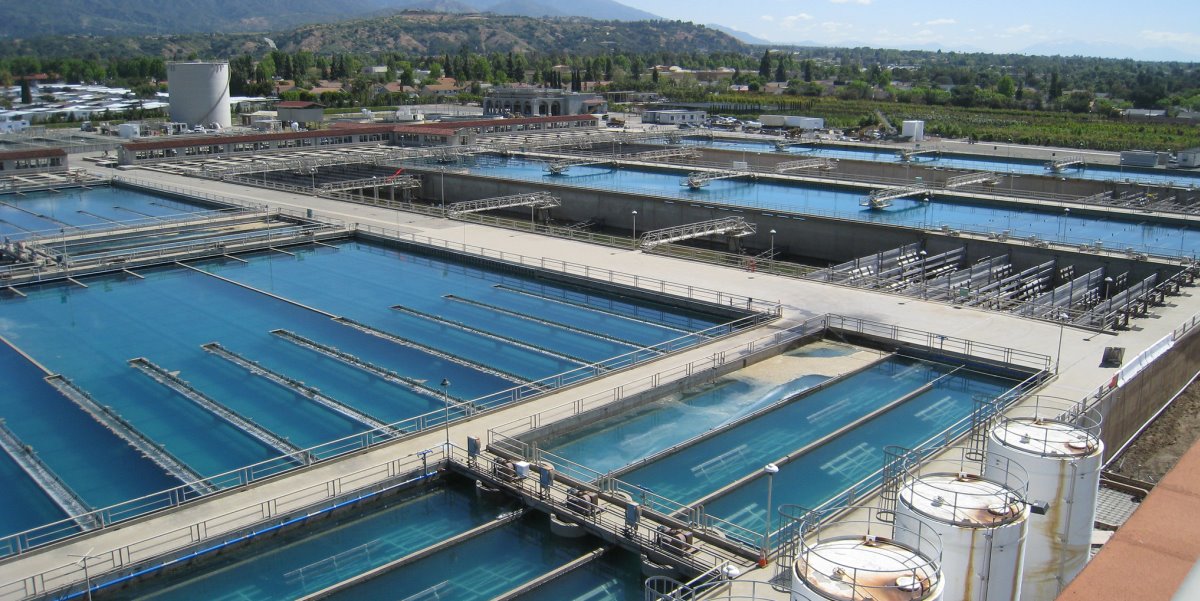
Drinking water treatment is among the most important public health achievements of the 20th century. However, agencies responsible for drinking water treatment and distribution face major challenges related to emerging contaminants, infrastructure, and the quality of source water. Many people...
Restoring ecosystems can have multiple benefits, such as recovering endangered and threatened species, increasing water supply reliability, and adapting to...
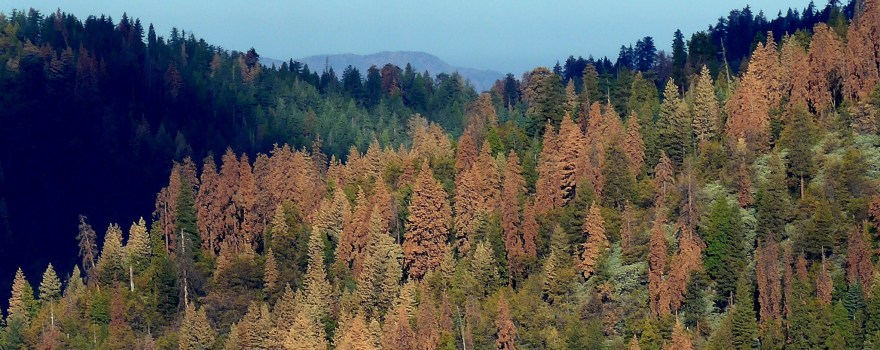
With much of the state’s water supply originating in the mountains as precipitation on the forested landscape, the health and management of the upper watersheds are critically important to California’s water quality and water supply. In recent years, concerns about...