A new study examined decades of atmospheric river storms across the West Coast to pinpoint the conditions that lead to catastrophic flooding. By the Desert Research Institute Atmospheric rivers are responsible for most flooding on the West Coast of the...
By NOAA’s Atlantic Oceanographic & Meteorological Laboratory Extreme hydroclimate events, such as droughts, floods, and heavy rainfall, account for a substantial portion of weather-related disasters in the United States, leading to significant socio-economic losses involving agriculture, water resources, and public...
A new study demonstrates how community scientists with the Mountain Rain or Snow initiative are helping to improve winter weather forecasting. From the Desert Research Institute: A new study published in Nature Communications utilizes insights gleaned from DRI’s Mountain Rain...
The downward trajectory for snow carries serious consequences for water supplies, wildlife habitat, wildfire activity and outdoor recreation. By Mitch Tobin, The Water Desk I can’t vouch for its shelf life in the Trump administration, but the U.S. Environmental Protection...
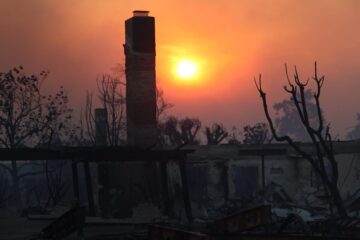
A new report examines how atmospheric changes contributed to January’s devastating Southern California wildfires By Elyse DeFranco, Desert Research Institute While fires engulfed large swaths of Southern California in early January, destroying more than 16,000 structures, taking at least 29...