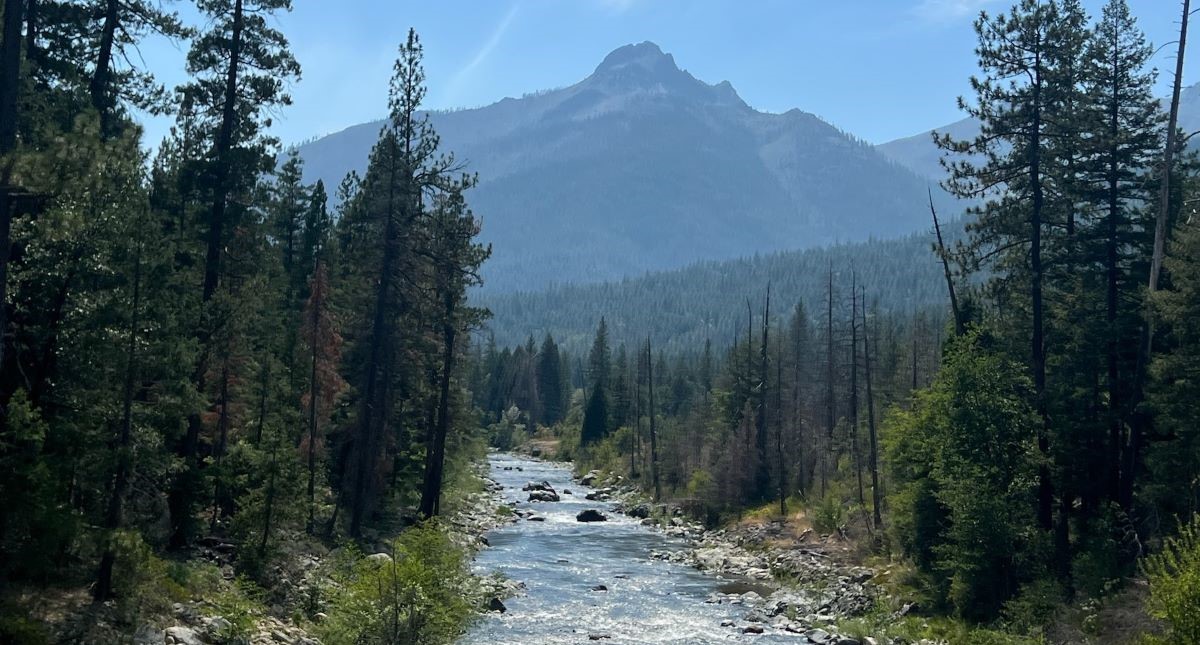
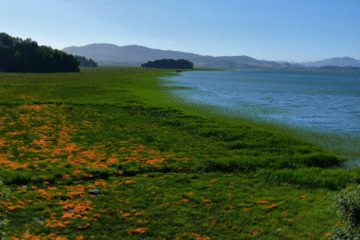
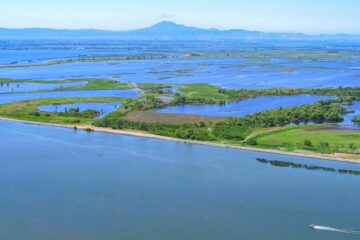
Science has helped improve management and restoration, but advocates say there still isn’t enough water to go around. By Juliet Grable, The Revelator On a Saturday afternoon in late May, Dania Rose Colegrove stood in the shade of an oak...
A new study finds there are 27 million metric tons of invisible plastic particles in the North Atlantic alone. By Joseph Winters, Grist This story was originally published by Grist. Sign up for Grist’s weekly newsletter here. In the oceans,...
By Milan Loiacono, NASA In autumn 2024, California’s Monterey Bay experienced an outsized phytoplankton bloom that attracted fish, dolphins, whales, seabirds,...
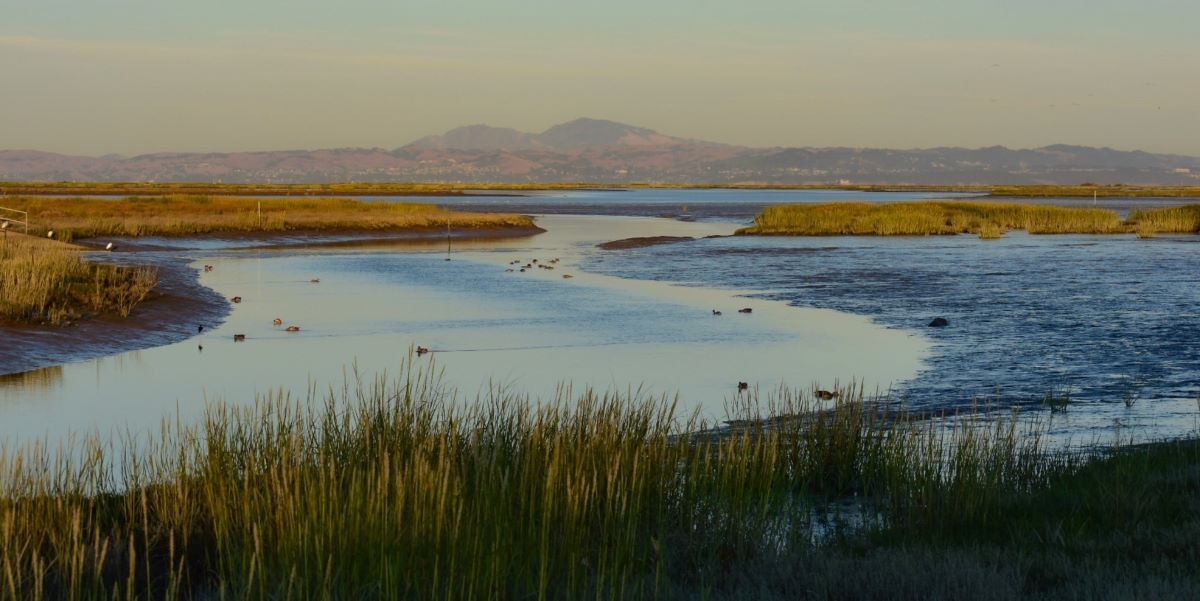
By the USGS Coastal and Marine Hazards and Resources Program Tidal salt marshes—vital ecosystems that protect coastlines, remove excess nutrients and...
An 18-year study reveals dramatic year-to-year variations in ultraviolet radiation penetration tied to Sierra Nevada precipitation cycles. By Andrew Chapman, EOS Lake Tahoe’s sparkling, clear water is a point of pride among locals and a draw for tourists. Although the...
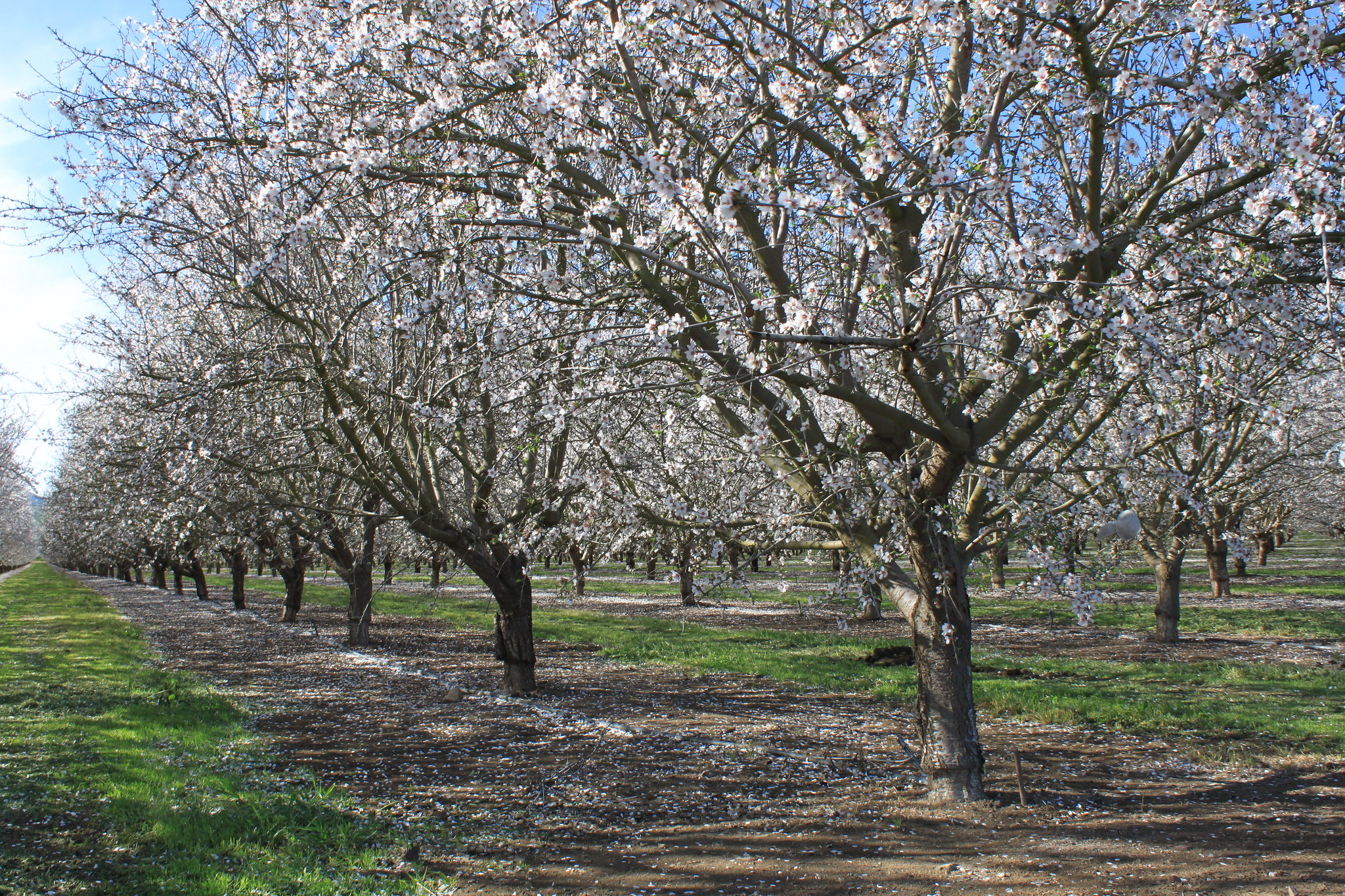
By Mara Koenig, US Fish & Wildlife Service In the heart of California’s Central Valley – where fertile soil and economic demands collide – a quiet transformation is taking root. This weaving of crops and habitat together, to build resilience...
Marine heatwaves and economic crashes left distinct acoustic signatures Scientists from Scripps Institution of Oceanography at the University of California...
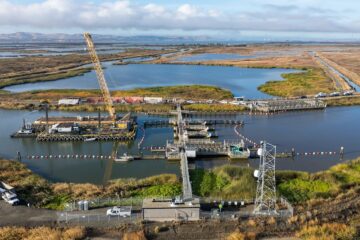
Golden mussels, an invasive mollusk, pose a significant threat to natural ecosystems and water infrastructure due to their ability to form dense colonies. First identified in the Delta in October 2024, these invasive mussels are highly adaptable, tolerating a wide...