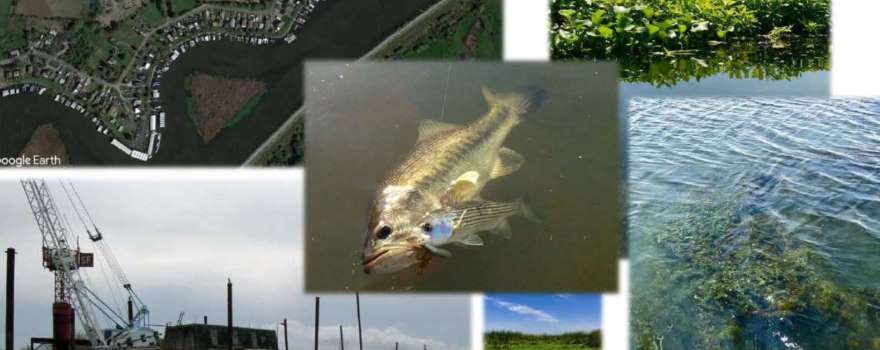
Study results suggest removing predators won’t address the problem, but removing submerged aquatic vegetation might At the May meeting of Metropolitan’s Special Committee on the Bay-Delta, Alison Collins, Senior Resource Specialist for Metropolitan, presented the results of a recent study...
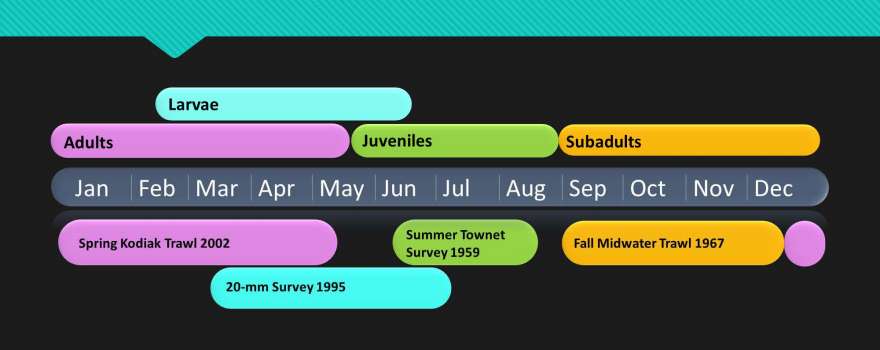
The Interagency Ecological Program (IEP) is a consortium of State and federal agencies that has been conducting cooperative ecological investigations...
The Interagency Ecological Program (IEP) is a consortium of State and federal agencies that has been conducting cooperative ecological investigations...
The Interagency Ecological Program (IEP) is a consortium of State and federal agencies that has been conducting cooperative ecological investigations since the 1970s. The IEP relies upon multidisciplinary teams of agency, academic, nongovernmental organizations, and other scientists to conduct collaborative...
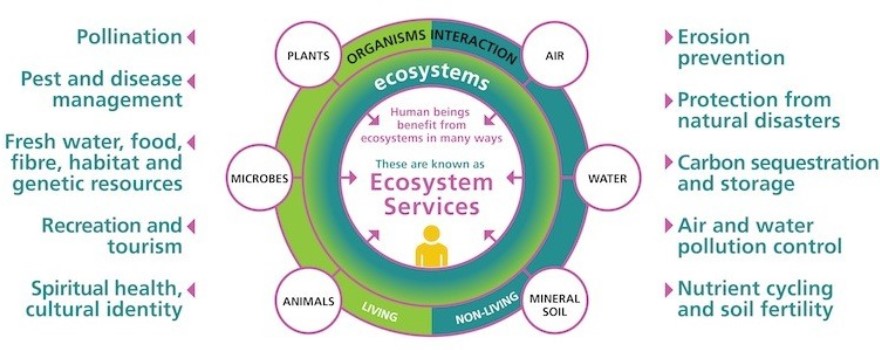
Ecosystem services are the many and varied benefits that humans freely gain from the natural environment and from properly-functioning ecosystems that provide things such as food and fiber, timber, fish, and wildlife. Studies in ecosystem services estimate the ways ecosystems...
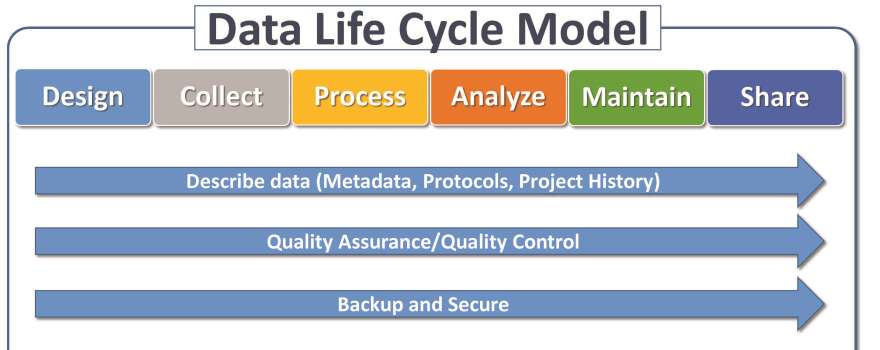
In this edition of the San Francisco Estuary & Watershed Science journal: ESSAY Ten Essential Bay‒Delta Articles Ted Sommer, J. Louise Conrad, and Steven Culberson DOI // URL RESEARCH Geospatial Tools for the Large-Scale Monitoring of Wetlands in the San Francisco Estuary:...
Presentations highlight structured decision making, collective action on invasive species, and a scoring system for restoration projects Adaptive management is a strategy for making management decisions under uncertain conditions using the best available science rather than repeatedly delaying action until...