
A wrap-up of posts published on Maven’s Notebook this week …
Note to readers: Sign up for weekly email service and you will receive notification of this post on Friday mornings. Readers on daily email service can add weekly email service by updating their subscription preferences. Click here to sign up!
In California water news this week ….
As new water year begins, California prepares for strong El Niño and expanded water supplies
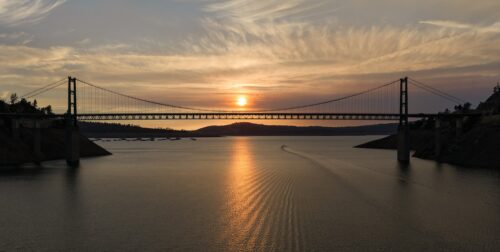
“Today marks the start of Water Year 2027 in California and the Department of Water Resources (DWR) is preparing for potential extreme weather emergencies while positioning the State to capture and store as much water as possible. Recent water years have demonstrated the extreme swings California can experience between record-breaking drought and devastating flooding, and strong El Niño conditions make preparedness especially important. “California is taking action now to prepare for flood season. With strong El Niño conditions on the horizon this winter, being ready for anything is more important than ever,” said California Department of Water Resources Director Tom Gibson. “We don’t yet know where or when the storms will hit, but we can take actions to prepare now. DWR and our partner agencies across California will be ready.” … ” Read more from DWR.
Incoming El Niño is so extreme it doesn’t have a scientific name
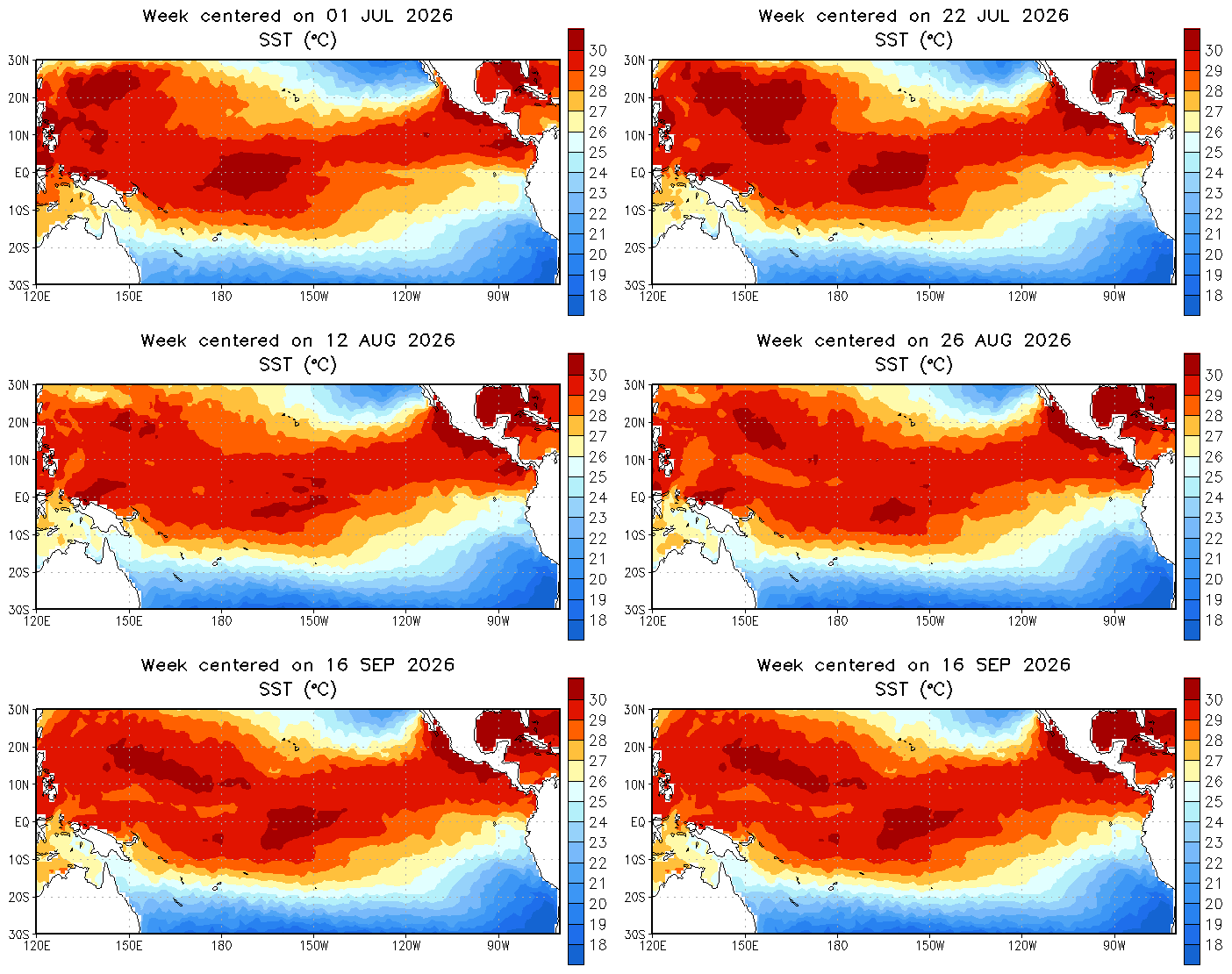 “Daniel Swain has made a name for himself studying the extremes of a warming planet. Fires, floods, droughts, heat, storms: if it’s a record breaker, Swain has probably studied it. As a weather and climate research scientist at UCLA’s Institute of the Environment and Sustainability, Swain has dedicated his life to understanding so-called “outlier events” and how climate change is super-charging them. Then, he explains them, and not just to fellow scientists. He devotes over 1,000 hours a year to climate communication for the public. Swain is the mind behind “Weather West,” and coined the term “Ridiculously Resilient Ridge” in December 2013, as a first year graduate student, for the high pressure ridge perpetuating the 2011-2017 northern California and Pacific Northwest drought. As a climate scientist, and life long Californian, he has been keeping a close eye on the current El Niño. … ” Read more from Inside Climate News.
Army Corps: New Bullards Bar and Oroville Water Control Manual Updates
 “The U.S. Army Corps of Engineers Sacramento District, is providing an update on the schedule and environmental review process for proposed updates to the Water Control Manuals (WCM) for New Bullards Bar and Oroville reservoirs. Following the February 2026 public scoping meeting, comprehensive hydrologic and engineering evaluations and additional environmental analysis were conducted and the Sacramento District has determined that the proposed Water Control Manual updates qualify for a Categorical Exclusion under the National Environmental Policy Act (NEPA). As a result, a formal NEPA Environmental Assessment will not be prepared, and there will not be a formal NEPA public review and comment period. … ” Read more from the Army Corps of Engineers.
What’s in the Proposed Bay–Delta Water Quality Control Plan?
“The State Water Resources Control Board is updating the Bay–Delta Water Quality Control Plan, which is set for adoption in late October 2026. Protecting water quality in the Sacramento–San Joaquin Delta and its major tributaries—the Sacramento and San Joaquin Rivers—is one of the State Water Board’s key responsibilities. The Bay–Delta Plan sets water quality and flow standards for the multiple, occasionally conflicting, uses of these rivers. While board members and stakeholders will debate the merits of the plan over the next month, it contains several innovations worth exploring regardless of the ultimate outcome. … ” Read more from the Public Policy Institute of California.
Can hatchery reforms help California’s troubled salmon?
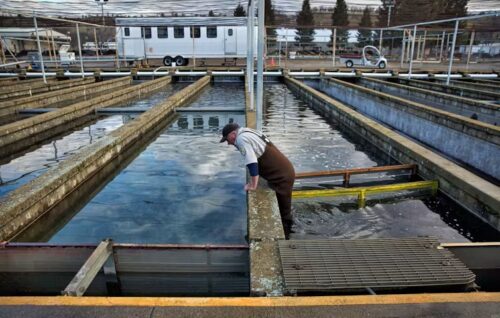
“Rivers in the Central Valley are so degraded by dams and water diversions that the tens of millions of Chinook salmon raised in hatcheries each year are essential to shoring up California’s salmon fisheries. But hatcheries can also have downsides. Artificially-produced fish can harm those born in the wild, both by introducing traits better suited to concrete raceways than rivers and by outcompeting them for food and the best spawning grounds and nurseries for young fish. “Hatchery fish are really contentious,” says Emily Chen, an ecologist at California Trout, a nonprofit dedicated to restoring the state’s freshwater ecosystems. “It’s a hot-button issue.” Another complication is that these days, even hatcheries can’t always safeguard the state’s salmon catches. … In the works are new practices that could lessen differences between hatchery and wild-born salmon and upgrades to make hatcheries more resilient to climate change. California has also increased production of young salmon bound for the ocean over the last few years, from about 20 to 33 million. But environmental conditions for fish are already bad and will likely get worse as the world warms. To flourish, salmon need restoration of the river systems where they begin and end their lives. … ” Read more at Maven’s Notebook.
Where rivers meet the sea: How estuaries protect our water
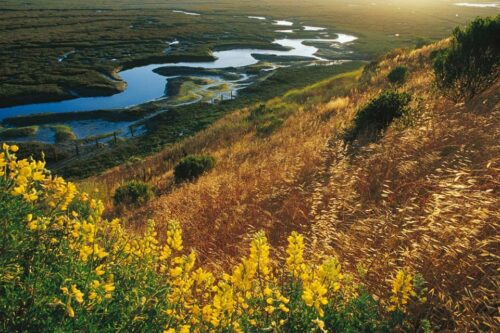
“From Humboldt Bay south to San Diego Bay, California is home to about 1.3 million acres of bays and estuaries, including three of national significance: Morro Bay, Santa Monica Bay and the San Francisco Bay/Sacramento-San Joaquin Delta. Often referred to as “nurseries of the sea,” estuaries provide nutrient-rich habitat for native plants and animals. They are also vital to California’s economy, protecting the quality of water needed for drinking, agriculture and commercial and recreational fishing. Managing estuary health requires a delicate balance. The California Water Boards help protect estuaries by setting limits on contaminants such as bacteria or metals; reducing stormwater and wastewater pollution; defining how much water may be diverted from waterways; and funding habitat restoration projects. … ” Continue reading from the State Water Board.
Accelerating ecological restoration in the Sacramento-San Joaquin Delta and the Suisun Marsh
“Sustainable Conservation is proud to announce the new report: “Accelerating Restoration in the Sacramento-San Joaquin Delta and the Suisun Marsh: Progress and Next Steps.” Drawing on surveys and interviews with 27 organizations involved in Delta restoration, this white paper seeks to answer a crucial question: What more can be done to accelerate progress toward restoration and climate targets in the Delta and Suisun Marsh? California is a leader in aspirational climate goals, and in the Sacramento-San Joaquin Delta, some of those aspirations now are specific, legally established targets. The state’s Nature-Based Solutions Climate Targets, developed under Assembly Bill 1757, call for re-wetting 50,000 acres of subsided Delta peat soils by 2045 to meet the state’s carbon neutrality goal and reduce anthropogenic greenhouse gas emissions. In addition, The Delta Plan has a goal of restore 60,000–80,000 acres of habitat by 2050. … ” Read more from Sustainable Conservation.
Draft report: Farmland Conversion in the Delta: Protecting Agriculture as Part of the Coequal Goals
“Public comment opens today on the Delta Protection Commission’s draft report, “Farmland Conversion in the Delta: Protecting Agriculture as Part of the Coequal Goals.” The draft report highlights a public policy gap inherent in implementation of the “coequal goals” established by the 2009 Delta Reform Act. The coequal goals call for a more reliable water supply for California and protection, restoration, and enhancement of the Delta ecosystem, while requiring that the goals be achieved in a manner that protects and enhances the Delta’s agricultural values. Implementation of those goals is guided by the Delta Plan, which was adopted in 2013. … ” Read more from the Delta Protection Commission.
PPIC policy brief: Why California needs a modern approach to accounting for water
“California’s nearly 40 million people and $4 trillion economy depend on water for everything from thriving agriculture to healthy ecosystems to robust industry. Yet due to the state’s highly variable climate, water availability changes dramatically between wet and dry periods, and this pattern is becoming more extreme with climate change. Furthermore, the mismatch between where water is available and where population centers and agricultural land are located means that vast amounts of water are moved long distances across the state. Accessible and timely information about water is critical, including how much is available, how much is needed and where, and how much is used—in other words, modern water accounting. … ” Read more from the Public Policy Institute of California.
How much water do data centers use? And why does it matter?
“Growth in Artificial Intelligence (AI) and other cloud-based computing services is driving an unprecedented expansion of data centers across the globe. As data centers have become much larger and more concentrated, concerns about impacts on water and energy systems have intensified. This issue brief summarizes what we know about data center water use and addresses common misunderstandings. While data centers represent a relatively small proportion of global or national water use, data center water use can be locally significant, especially in water-scarce and rural areas. The lack of standardized reporting on the number, size, location, and water use of data centers makes it difficult for communities, water managers, and decision-makers to understand and adequately address potential impacts. … ” Read more from the Pacific Institute.
DWR completes major rehabilitation of Oroville Dam’s River Valve Outlet System
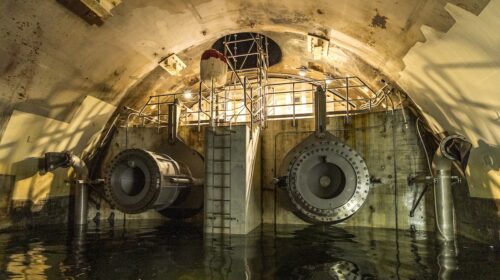
“The California Department of Water Resources (DWR) announced today the completion of a $235 million project to rehabilitate Oroville Dam’s river valve outlet system (RVOS), ensuring the continued operation of a critical feature of the dam for decades to come. This upgrade improves operational reliability, protects fish populations, and strengthens the State Water Project’s resilience to climate-driven extreme heat and drought. Oroville Dam, the tallest dam in the United States at 770 feet, is a cornerstone of the State Water Project, providing flood protection to downstream communities, water supply, clean energy generation, and recreation while supporting Feather River habitat for endangered and threatened fish species. Constructed between 1961 and 1967, the earthen dam towers over the northern Sacramento Valley. The RVOS is located deep within one of the dam’s early diversion tunnels and allows DWR to release cold water from the deeper portions of Lake Oroville into the Feather River. That capability is especially important during periods of extreme heat and drought, when colder releases can help reduce downstream water temperatures and support fish populations. “This investment in Oroville Dam’s infrastructure ensures the reliable and safe operation of the State Water Project’s largest flood protection and water supply facility,” said John Yarbrough, Deputy Director of DWR’s State Water Project. “DWR will continue to prioritize modernization projects to improve aging infrastructure in an ever-changing climate.” … ” Read more from DWR.
Major federal investment accelerates modernization of Friant Kern Canal
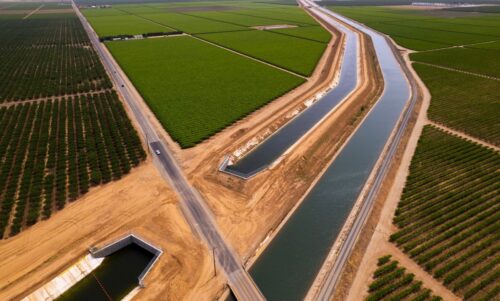 “The Bureau of Reclamation, in partnership with the Friant Water Authority, today broke ground on Phase 1 of the Friant-Kern Canal Pump Station Replacement Project. This milestone marks an important move toward modernizing the Friant‑Kern Canal and improving long-term water reliability for communities, farms and businesses throughout the San Joaquin Valley. This project represents long‑term improvements following Reclamation’s recent Middle Reach Capacity Correction Project Phase 1 that improves canal performance. Funded through President Donald J. Trump’s Working Families Tax Cut, the Department of the Interior invested $200 million to upgrade the canal’s aging pump stations that are essential to maintaining consistent water deliveries throughout the Friant Division. The project is one of California’s largest conveyance modernization efforts aimed at reducing outages, stabilizing operations, and supporting the Central Valley Project’s agricultural and economic strength and improving Southern California’s groundwater banking portfolio. … ” Read more from the Bureau of Reclamation.
Toxic algal blooms are spreading across the West
“By the time Tanya Bachman noticed something was wrong with her border collie, Jax, it was too late. … The veterinarian told them that Jax had likely ingested a toxic, algae-like microorganism called cyanobacteria, or blue-green algae, from a benthic bloom, a phenomenon scientists began documenting in the West about five years ago. Benthic blooms, which resemble globs of snot, form on stream bottoms or submerged logs or rocks, sometimes breaking free and rising to the surface. They are less familiar to Westerners than planktonic blooms, which form on the surface of lakes and reservoirs and look more like floating grass clippings or spilled green paint. The cyanobacteria that cause planktonic and benthic blooms have existed in Earth’s waters for billions of years. Excess nitrogen and phosphorus from agricultural fertilizers or air pollution can cause them to proliferate. Research suggests that climate change is also contributing to more frequent and widespread blooms as warmer water stagnates during hot, dry years like this one, said Hannah Bonner, a professor and water scientist at Brigham Young University who studies benthic cyanobacteria. It’s a cruel twist: As the West warms, once-inviting cool-water refuges may become a threat not just to pets, but to people and wildlife. … ” Read more from High Country News.
Uninvited guests: Protecting California from invasive species
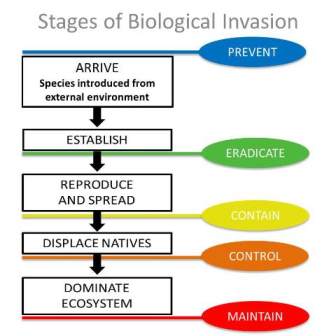
“Invasive species are reshaping California’s landscapes, waterways, farms, and communities, creating challenges that span ecology, infrastructure, public health, and the economy. During the webinar Uninvited Guests: Protecting California from Invasive Species, hosted by California Natural Resources Secretary Wade Crowfoot, experts discussed how invasive species arrive, why early detection matters, and how state agencies, researchers, land managers, and the public are working to prevent new introductions and manage established threats. Dr. Jeff Dukes, senior staff scientist in the Division of Biosphere Science and Engineering at the Carnegie Institution for Science, opened the webinar by defining what makes a species invasive. An invasive species is a plant, animal, pathogen, or other organism that is not native to a particular place and causes—or is likely to cause—harm to the environment, the economy, or human health. In California, invasive species affect wildlands, waterways, farms, forests, and urban communities. They can crowd out native species, damage crops and infrastructure, alter fire and flood risks, spread disease, and disrupt the ecological relationships that native plants and animals depend on. … ” Continue reading from Maven’s Notebook.
How new research could make on-farm nitrogen management easier
“Nitrogen is the most consequential nutrient to manage on a California farm. Underapplication of nitrogen (N) could mean reduced yields, while overapplication risks contaminating local waterways and aquifers and cutting unnecessarily into growers’ bottom lines. Despite its importance, most fertility monitoring of fields relies on laboratory analysis. California dairies often store liquid manure in lagoons until it’s needed to fertilize forage crops. Lagoon samples are collected quarterly in the field, shipped off, and tested for total nitrogen, ammonium, and other key nitrogenous compounds. The process can be cost-prohibitive and too slow to accurately describe the changing nitrogen concentrations in liquid manure. The nitrogen content of a lagoon can vary significantly across seasons or between irrigation events, and outdated data may mean that farmers and their advisers make nutrient management decisions based on a test result that no longer reflects the manure being applied to fields. … ” Read more from Sustainable Conservation.
Native tribes denied greater say in water decisions with Newsom veto
“Gov. Gavin Newsom vetoed legislation that would have given Native tribes a greater role in California water policy decisions, saying the state is already making this a priority. The bill would have directed state agencies to recognize historical inequities affecting tribes, and to consult with them on water projects, plans and policies. Newsom said in his veto message Wednesday that his administration has worked to address wrongs committed against tribes and has prioritized respectful “government-to-government dialogue.” He said, however, that California “must streamline its water policies to protect our water supply from the reality of climate change.” … ” Read more from the LA Times. | Read via Yahoo News.
California to vote on landmark Tribal petitions for coastal protections
“Drive the Pacific Coast Highway, spearfish alongside Great White sharks, surf in Santa Cruz, dive for lobster, cast a line or set a crab pot: California is defined by its 840-mile coastline. Managing the miles of beach, reef and cliffsides that define the state is a complicated and controversial process and has long left out Indigenous Californians. But this fall, the California Fish and Game Commission will vote on a set of tribal petitions to amend the state’s network of marine parks, marking a potential shift in the state’s management of marine resources. California’s coastline is home to 125 marine protected areas, a system of underwater parks established to protect and enhance biodiversity in the state. After over a decade of use, data shows that the network is working to enhance biodiversity and climate resiliency, but for years the state has agonized over the next steps it should take to manage the network. … ” Read more from Inside Climate News.
In commentary this week …
California needs more than water usage reports. It needs water solutions.
Michelle Paul, Executive Director of the California Farm Water Coalition, writes, “With the rise of AI and the expansion of data centers, water is getting more attention. What industry is using too much? Are users reporting? Who is using water most efficiently? These are fair questions, and water stewardship depends on all users being good actors. But this conversation should not distract from the larger challenge: California needs more water supply, and state and federal agencies should support, not impede, the projects that can provide it. For decades, California agriculture has been asked to do more with less, and farmers and ranchers have delivered. Since 1980, California’s farmers and ranchers have increased farm GDP by 23% while reducing water use by 15%. That means the local, nutritious food at your grocery store is being grown with less water than ever before, while working lands continue to provide the open space and environmental benefits Californians cherish. Today, more than half of irrigated acres in California use drip, micro or subsurface irrigation. … ” Read more from Capitol Weekly.
California’s coast still needs protecting
Columnist Pete Golis writes, “To understand the Trump administration’s efforts to weaken the authority of the California Coastal Commission, it’s important to recall what might have happened on the Sonoma County coast. Imagine: A sprawl of second-home subdivisions and strip malls, beaches closed to all but the wealthiest among us, oil platforms and onshore oil facilities, an aging nuclear power plant at Bodega Bay. Without Californians’ commitment to protecting the coast, all this and more could have happened. Now the Trump administration is accusing the state Coastal Commission of being in violation of federal law for resisting offshore oil wells, undersea pipelines and other industrial ventures in the coastal zone. Trump and his acolytes want to be able to decide federal and federally-authorized projects without interference from California. … ” Read more from the Santa Rosa Press Democrat.
In regional water news this week …
A California river has dried up. Critics say the state should do more to protect its salmon
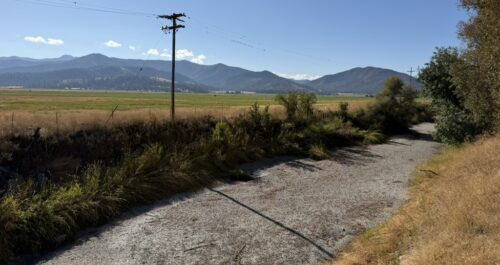 “The Scott River, which flows out of mountain forests into a broad valley near the California-Oregon border, provides vital habitat for salmon that swim upstream from the ocean to spawn in the fall and winter. But this year, portions of the river have been transformed into stretches of dry sand and gravel, while farmers have kept hayfields green by running their wells and pumps. Environmental advocates are accusing regulators at the State Water Resources Control Board of failing to do enough to prevent the river from running dry. “They didn’t do their job,” said Regina Chichizola, who leads the nonprofit group Communities United for Water Protection. “It’s a free-for-all in the Scott River, and the water board has the authority and the laws in place to manage the water withdrawals, and they need to start doing it.” … ” Read more from the LA Times. | Read via Yahoo News.
SEE ALSO: Despite new water rules, one of the Klamath’s most important tributaries, the Scott River, is running dry, press release from conservation organizations
State-funded stormwater project will help protect Lake Tahoe clarity
“Expanding regional efforts to protect Lake Tahoe’s famed water clarity, the city of South Lake Tahoe today celebrated the completion of the Tahoe Valley Stormwater and Greenbelt Improvement Project, which will reduce flood risk and increase recreational opportunities across a new greenbelt area spanning 320 acres. The city received a $7 million grant from the State Water Resources Control Board’s Stormwater Grant Program. The city estimates that the project will prevent nearly 34,000 pounds of tiny particles from roads, stormwater runoff and erosion from reaching the lake each year. In doing so, the project will contribute to California and Nevada’s cornerstone anti-pollution efforts aimed at restoring the lake’s water clarity to depths of 100 feet, which has kept almost 740,000 pounds of sediment out of the lake last year. “We are grateful for South Lake Tahoe’s strong partnership with the Lahontan Regional Water Quality Control Board to protect the lake’s health and dazzling blue waters,” said Dan Newton, deputy director for the State Water Board’s Division of Financial Assistance. “The State Water Board is proud to support projects like these that reinforce regional water quality efforts, and bring flood control and recreational benefits for residents.” …, ” Read more from the State Water Resources Control Board.
Salmon are spawning. Beavers are building. Upper Long Bar restoration is already working.
“As the first salmon begin to spawn at our Rose Bar restoration project (completed 2024) this fall they will have even more connected, complex floodplain habitat to grow up on thanks to continued restoration projects by the South Yuba River Citizens League (SYRCL), with special appreciation to our members and donors. In September of 2026, we finished the initial construction of the Upper Long Bar Habitat Restoration Project. The project is located on private property in Yuba County along the lower Yuba River just over 1 mile below the Highway 20 bridge, and just under 4 miles from those spawning salmon at Rose Bar. The Upper Long Bar project was built to improve edge habitat for juvenile Chinook salmon and steelhead by adding new alcoves, instream structures, and increased roughness along the riverbank. These enhancements aim to increase the carrying capacity of the system and support diverse salmonid life history strategies. … ” Read more from the South Yuba River Citizens League.
CalTrout completes Iron Canyon Fish Passage Project
“A historical breeding ground for chinook salmon and steelhead trout in Chico is finally open after decades of their passage being blocked by non-functioning fish ladders. After four years of planning, the environmental nonprofit CalTrout completed in-stream work this month for the Iron Canyon Fish Passage Project, restoring 8.5 miles of spawning grounds previously inaccessible to migratory fish. Holly Swan, regional manager of CalTrout, said Tuesday the nonprofit completed the project Sept. 15 removing 17 concrete fish barriers total that were installed in 1956 and repositioning massive boulders to help fish swim during low flows. Now that the passage is undammed, fish can now swim up the creek at flows above 30 cubic feet per second, whereas previously the fish barriers prevented passage below 500 cubic feet per second, according to Swan. … ” Read more from the Chico Enterprise-Record.
Can a $597 Million Water Project Refill the Aquifer Beneath Sacramento County’s Farms?
“Walter Hardesty has raised hay and cattle south of Elk Grove long enough to watch groundwater turn from a private worry into a regional one. Soon, he expects to manage it from his phone. The Harvest Water Program is set to deliver recycled water to his ranch in 2027, and he will order it through an app for a set date and duration. Then, an automated valve at the edge of his property will do the rest, all the while giving the aquifer beneath his fields and his wells, which will be run about half as often, time to recover. That, in essence, is the promise at the center of a nearly $597 million public project which Hardesty has watched from inside as a steering committee member. “Our groundwater should actually start rising again once the project comes into fold,” he says. … ” Read more from Comstock’s.
An El Niño-driven ‘Kelvin wave’ could raise Bay Area sea levels and flooding risk
“Scientists warn that a deep ocean wave driven by El Niño conditions could raise Bay Area sea levels by up to a foot by the end of next month. That’s on top of sea levels already about 6 inches above predicted levels because of warm water along the West Coast. Researchers call it a “Kelvin wave” and said it will deliver even more warm water associated with El Niño. “Kelvin waves are a symptom of El Niño,” said Dillon Amaya, a professor at North Carolina State University who studies how climate change affects waters off the U.S. coast. There’s a 75% chance that this year’s El Niño will become “historic” this fall into winter, according to a September outlook from the National Oceanic and Atmospheric Administration’s Climate Prediction Center. … ” Read more from KQED.
Water Blueprint for the San Joaquin Valley: What the valley can hold from a strong El Niño winter
“The National Oceanic and Atmospheric Administration (NOAA) now puts the odds of a very strong El Niño this fall and winter above 90 percent, with a 75 percent chance the event ranks as the strongest on record since the year 1950. Its seasonal outlook tilts California toward a wetter than normal winter, with the strongest odds near the coast from December through March. For the San Joaquin Valley, a wet winter is an opportunity with a time limit. Storm runoff that passes through the Valley in January will be gone by July unless there is somewhere to put it. Warmer winters also mean more precipitation arrives as rain rather than snow, so the Sierra Nevada snowpack holds less for the summer. Water Year 2026 showed the pattern: statewide precipitation landed near average, snowpack was unusually low, and reservoirs still stood above their average at the end of the wet season, carried by three years without drought. That is the fork. … ” Read more from the Water Bleuprint for the San Joaquin Valley.
Hanford-area growers agree to new fees they hope will hold off further state intervention
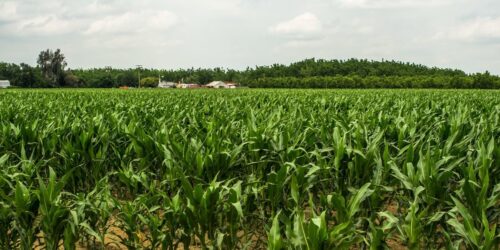
“A Hanford-area groundwater agency will institute a pair of new fees on landowners to help pay for programs and plans that it hopes will – eventually – get it out from under state scrutiny. Mid-Kings River Groundwater Sustainability Agency (GSA) overwhelmingly won approval for a new assessment fee of $26.84 per acre. And the board also approved a pumping fee of up to $19.24 per acre foot. “I just think that we need to give a lot of credit to the farmers that have put in so much work and so much time to take and work on this and the entire county appreciates this,” Mid-Kings board member Kimber Regan said during the Sept. 29 final hearing on the fees. … ” Read more from SJV Water.
Will Tulare County water district settlement foster more cooperation or open the door to water exports?
“The settlement of a disputed land annexation could mean greater communication and a chance for innovative projects in a groundwater-strapped part of southeastern Tulare County. Or it could open the gates to groundwater sales for profit leaving the aquifer a husk of its former state. Time will tell as the Alpaugh Irrigation District and neighboring Atwell Island Water District forge ahead with a settlement agreement that ends a lawsuit over Atwell’s annexation last year of more than 13,000 acres of land. “I’m not saying it’s not going to be scary,” said Mike Battles, Alpaugh Irrigation District general manager. But without more communication and cooperation among districts, he feared there would be very little farming left in the Tule subbasin, which covers the southern half of Tulare County’s flatlands. … ” Read more from SJV Water.
A century of sand debt comes due in Malibu
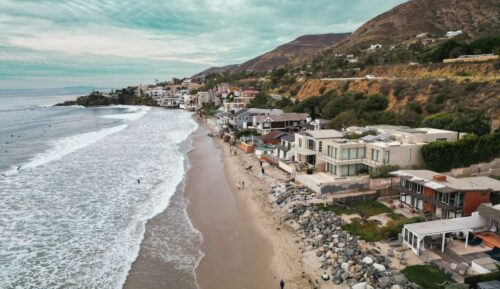 “On a clean summer swell, the wave at Malibu’s Surfrider Beach arrives from the south, wraps around a cobblestone point and unspools toward the pier in a long, shimmering wave that can carry a surfer for hundreds of feet. It breaks slowly, forgivingly, over rounded stones that were delivered by Malibu Creek across millennia. … Kassia Meador has been reading this wave for nearly 30 years. She was 15 the summer she first paddled out at Surfrider Beach, and she has spent the decades since becoming one of the most recognizable longboarders in the world. She calls it, without hesitation, the best wave on the planet. Lately, when Meador paddles out, something is missing beneath her: the beach. The sand at Surfrider Beach has thinned to the point where, at high tide, the ocean reaches almost to the Pacific Coast Highway. … What’s happening at Malibu is about human intervention—a century of dams, seawalls and paved-over rivers that have starved this coastline of the sediment that builds its beaches. But it is becoming a climate story, fast, because a coast stripped of its natural defenses is a coast with nothing left to absorb what’s coming. And what’s coming this winter is a lot. … ” Read more from Inside Climate News.
Community testing finds elevated levels of metals in LA River after the Lineage fire
“A community-led effort that tested water runoff from the burned Lineage cold-storage facility found that elevated levels of metals made their way to the Los Angeles River. The findings of increased concentrations of iron, zinc, chromium and lead are highlighted in a Sept. 22 report published by researchers and scientists from UCLA, UC Irvine and East Yard Communities for Environmental Justice. According to the report, members of East Yard Communities for Environmental Justice noticed that the water firefighters sent to the flames — an estimated 12,000 gallons of water per minute — was draining into the LA River. That’s what spurred Emmanuel Carrera Ruedas, a member of East Yard, and Casey Cooper, a community scientist, to gather water samples and test the runoff for metals from building materials after the fire ignited June 17. The fire was knocked down June 24. … ” Read more from the Boyle Heights Beat.
‘Super’ El Niño could overwhelm L.A.’s aging Hyperion sewage treatment plant
“On the shores of Playa del Rey sits L.A.’s last line of defense against sewage streaming into the Santa Monica Bay — and a jacked El Niño this winter threatens to be more than a match for it. Built in 1950, the Hyperion Water Reclamation Plant handles roughly 95% of the city’s sewage on any given day — up to 800 million gallons of effluent from toilets, washing machines, sinks, industrial operations and more. Storms can overwhelm the aging facility, which suffered an equipment breakdown in 2021 that led to 17 million gallons of raw sewage gushing into the Santa Monica Bay. Los Angeles officials are bracing for more trouble if the forecast “super” El Niño brings heavy rains and flooding. “We have done our best; a great job of maintaining it” said Joone Kim-Lopez, general manager of the Los Angeles Sanitation and Environment, or LASAN, told the L.A. City Council recently. “But as with anything, this infrastructure needs attention.” … ” Read more from the LA Times.

