By Christine Souza, Ag Alert With very little water to spare this drought year, water districts struggling with limited or no supplies look to their counterparts in other districts to negotiate water transfers to add whatever flexibility they can. Districts...
The Legislative Analyst’s Office warns California lawmakers to prepare to dispatch emergency drinking water to vulnerable communities, particularly in the Central Valley. By Rachel Becker, Cal Matters Rural, low-income Latino communities across California were hardest hit by the last drought...
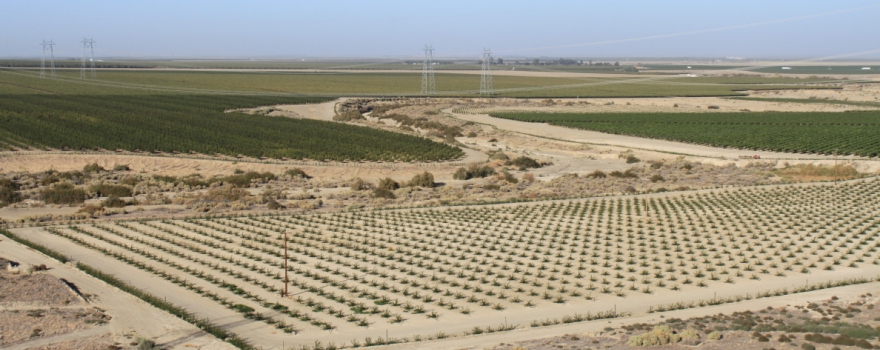
By Christine Souza, Ag Alert In water-stressed farming areas of California, farmers removed productive trees and idled other land to divert what little water they have to other crops, as the reality of the 2021 drought became ever more apparent....
Drought-riddled California and others want more sway over permitting process for projects like oil pipelines, power plants and wetlands developments,...
Dr. Graham Fogg and DWR’s Jenny Marr discuss the efforts underway to assess the potential for Flood Managed Aquifer Recharge (or Flood MAR) At the April meeting of the California Water Commission, the Commission continued examining the state’s role in...
41 counties now under drought state of emergency to protect communities and the environment, representing 30 percent of the state’s population From the Office of the Governor: Governor Gavin Newsom today significantly expanded his April 21 drought emergency proclamation to include...