
Several news sources featured in the Daily Digest may limit the number of articles you can access without a subscription. However, gift articles and open-access links are provided when available. For more open access California water news articles, explore the main page at MavensNotebook.com.
On the calendar today …
- MEETING: Central Valley Flood Protection Board beginning at 9am. Agenda items include Presentation of the U.S. Army Corps of Engineers Levee Inspection Results for Merced Stream Group Levee Systems, Adopt Resolution 2026-04 to convey Flowage Easement YBSH-118 to Department of Water Resources, Presentation of the Engineering Division’s Implementation Plans, and 2027 Central Valley Flood Protection Plan Investment Strategy Update. Click here for the full agenda and remote access instructions.
In California water news today …
Nearly 70% of California is ‘abnormally dry’ as drought, El Niño strengthens

“Fall has arrived in California. After a scorching summer with temperatures climbing above 100 degrees, nearly 70% of California is now experiencing either abnormal dryness or drought, according to the latest date from the U.S. Drought Monitor. The return of dry conditions marks a sharp shift from earlier this year. In January, none of California was experiencing drought conditions, marking the first time in 25 years that the state had been completely drought-free, according to the U.S. Drought Monitor. Months of hot, dry summer weather have since erased that milestone. … ” Read more from the Sacramento Bee.
Whether it’s ‘super’ or ‘Godzilla,’ El Niño is already breaking records
“By now, you’ve seen the headlines, and there’s more of them every day: It’s “jaw-dropping.” It’s poised to make global warming worse. California has just declared a statewide state of emergency. This year’s El Niño — a shift in Pacific Ocean trade winds that scrambles global weather patterns — has been hotly discussed as one of the strongest on record, and one that could bring about potentially disastrous consequences. One study projects that it may cause as many as 451,000 heat-related deaths around the world by February. The current El Niño has also been given an array of eye-catching descriptors. When Jeffrey Shaman, a climatologist at Columbia Climate School, heard the phrase “super El Niño” for the first time earlier this year, he said, “I literally googled it.” The phrase isn’t officially used by the National Oceanic and Atmospheric Administration or the World Meteorological Organization. But he still sees value in the label as a way of communicating the significance of this year’s likely unprecedented El Niño to the general public. “It’s colloquial, and there’s nothing wrong with that at all,” Shaman said. … ” Read more from Grist.
SEE ALSO: This year’s El Niño just broke a record months before it’s expected to peak, from Science News
California’s largest new water storage project takes a major step forward

“During Climate Week, Governor Gavin Newsom today announced that Sites Reservoir — one of the biggest water projects in modern state history — is moving closer to construction. Late last week, the Sites Project Authority moved the project forward, signaling that a revised water right permit from the State Water Resources Control Board can support a viable reservoir project. This moves the project forward into an investment period, which puts the project closer than ever to construction,” said Governor Newsom. “Next, the final permit will go before the State Water Board on November 4. “California is moving with urgency to build the water infrastructure our changing climate demands. Sites Reservoir will help us capture more water when storms bring it, store it for when communities, farms, and the environment need it most, and strengthen our resilience to drought, floods, and a changing climate. The latest action moves this critical project another major step closer to construction.” … ” Read more from the Office of the Governor.
SEE ALSO: Newsom announces Sites Reservoir moves closer to construction ahead of key permit vote, from KMPH
Solano County Supervisors put spotlight on Delta, its diversity
“The Solano County Board of Supervisors this week recognized Sept. 20-26 as Sacramento-San Joaquin Delta Week. Supervisor Wanda Williams noted that about 12 million individuals visit the Delta each week. She said the Delta is home to 500,000 acres of agricultural land that provides food for worldwide distribution, provides habitat for 750 species of animals and plants and provides a portion of water to about 27 million Californians. The recognition was established in 2022 by then state Sen. Bill Dodd. “The Delta is vital to our state as both a natural resource teeming with abundant wildlife and fish and a vital economic driver for tourism, recreation and Delta farmers. It is a cherished watershed and the very lifeblood of California’s water system. We must continue to protect it for future generations by preventing pollution and further marshland degradation and promoting its environmental health,” Dodd said at the time. … ” Read more from the Daily Republic.
NOW AVAILABLE: Public Comments on Final Draft Bay-Delta Plan
“On August 19, 2026, the State Water Resources Control Board (State Water Board) released a final draft of updates to the Water Quality Control Plan for the San Francisco Bay/Sacramento-San Joaquin Delta Watershed (Bay-Delta Plan or Plan) for public review and comment. The changes are focused on the portions of the Plan relevant to the Sacramento River watershed, Delta eastside tributaries (including the Calaveras, Cosumnes, and Mokelumne Rivers), and Delta (Sacramento/Delta) for the reasonable protection of fish and wildlife beneficial uses. The final draft Bay-Delta Plan is available here. Written comments were due on September 18, 2026. Comments are now available on the State Water Board’s file transfer protocol (FTP) site. … ” Click here for information on how to access the comments.
REPORT: 2026 Delta Science Program Research Impact Report
 “The Delta Science Program is proud to share its inaugural Research Impact Report, highlighting the emerging science and management impacts of the 2019 Delta Research Awards and 2020 Delta Science Fellowships. Since 2010, the Delta Science Program has invested more than $50 million in over 160 research projects to advance its mission of providing the best possible unbiased science to inform water and environmental decision-making in California’s Sacramento-San Joaquin Delta. Because the influence of research can take years to emerge, understanding and documenting its long-term value is essential. The new report introduces a framework for tracking research influence over time and shares examples of how funded research is contributing to scientific understanding and informing management in the region.” Click here to read the report.
Report shows major progress in California on preparing for wildfire
“California is bringing a simple message to Climate Week NYC: Climate action means protecting people where they live. In California, that means reducing the threat of catastrophic wildfire. It means making forests healthier. It means giving firefighters more time and better tools to protect homes and communities. Governor Gavin Newsom today highlighted a new report on California’s work to reduce pollution and the risk of catastrophic wildfire while protecting California communities and lands. Over five years, California trained hundreds of firefighting personnel, prepared thousands of acres to resist wildfire and prevented smoke and millions of metric tons of carbon from entering the air. … ” Read more from the Office of the Governor.
He knows his community is going to burn again. Now he’s making sure they’re ready
“As the Lucas Fire tore through Mendocino and Lake Counties, two portable fire hydrants sprouted from Lake County’s Keeling Park, pumping water directly from Clear Lake. It was the first test of a homegrown solution to a problem the state is only beginning to reckon with: water systems never built to fight climate-fueled wildfire, with no specific guidance, mandate or funding to adapt. Wildfires have burned roughly two-thirds of rugged, remote Lake County in less than 15 years — straining already overburdened water systems. So when lightning struck and the Lucas Fire sparked, Chief Shannon Banks of the Northshore Fire Protection District called local water companies to set up the new hydrants. “We always in the past have looked for alternative water sources,” Banks said. “These pumps just make it a lot easier.” … ” Read more from Cal Matters.
Fast, severe wildfires can change how forests grow back
“Climate change–driven drought is making wildfires larger and more frequent. A new analysis of nearly 3,500 recent wildfires in the western United States and Canada showed that when a fire spreads swiftly, it will burn a larger area and more of that area will be severely burned. What’s more, the faster a fire spreads, the greater will be the distance between severely burned trees and living seeds that could regrow them is. This distance suggests that forests might not grow back the same after a fast, severe wildfire, opening the door for significant and unpredictable ecosystem changes. “We are experiencing in many settings fire regimes that are completely outside of the box as to what those forests evolved with and are adapted to,” said Jonathan Coop, an ecologist at Western Colorado University in Gunnison and lead researcher on the project. “This is the context in which we are observing postfire ecosystem trajectories that are leading in very different directions than a return to the prefire forest type.” … ” Read more from EOS.
In commentary today …
Ducks Unlimited on why Healthy Rivers and Landscapes works for waterfowl, wildlife and California
“Each winter, millions of waterfowl travel the Pacific Flyway, one of North America’s major bird migration routes, relying on California’s wetlands, rivers and working lands to rest and refuel along the way. The Sacramento Valley is especially important, providing critical wintering habitat for waterfowl along the Flyway. For Jeff McCreary, Director of Operations for Ducks Unlimited’s Western Region, protecting this migration “superhighway” illustrates why water management in California must consider the connections between rivers, wetlands, working lands, fish, wildlife and communities. It is also why Ducks Unlimited supports the Healthy Rivers and Landscapes (HRL) program. … ” Read more from the Northern California Water Association.
Protecting California’s coastal waters helps heal the ocean — and its tribal caretakers
Eva Pagaling, a community member of the Samala, the Santa Ynez Band of Chumash Indians and the Yakama Nation, writes, “My path to advocating for ocean protection began when I was about 10, watching my dad and other Chumash community members build our traditional maritime tomols, or canoes, using redwood planks and yop, the tar and pine pitch. Our tomols link generations of our people, who have paddled and fished in our ancestral waters off California’s Central Coast for millennia. From San Luis Obispo to Malibu and the Northern Channel Islands, our people have fostered a reciprocal relationship that has sustained thriving marine ecosystems. Colonization nearly severed our maritime traditions, beginning with the forced removal of our people from our islands and coasts. During the 1800s, our ancestors were enslaved to construct the California mission system. That led to the padres burning all our tomols, an act of ethnocide intended to break our spiritual and physical ties to the ocean. … ” Read more from Cal Matters.
In regional water news and commentary today …
NORTH COAST
Harmful algal bloom warning issued for Tule Lake National Wildlife Refuge
“Visitors to Tule Lake National Wildlife Refuge were urged to avoid contact with the water after recent testing found harmful algae and toxins at levels that could pose health risks. The Klamath Basin Refuges issued a danger-level harmful algal bloom advisory for Tule Lake National Wildlife Refuge after water-quality testing detected algae and toxins that may be dangerous to people and animals. … ” Read more from KRCR.
Is the Humboldt County coast ready for king tides, storm surge, and super El Niño this winter?
“With water already running about a foot higher than usual in Humboldt Bay and a powerful El Niño strengthening offshore, North Coast residents could see a winter where several coastal threats may arrive at once. Forecasters say king tides, Kelvin waves, unusually warm ocean waters, and stronger storm systems could combine, leading to flooding and erosion in low‑lying neighborhoods such as King Salmon and Fields Landing. In two months, the California coastline will be impacted by king tides, higher waves that usually arrive around the end of the year. The Times-Standard reached out to several government agencies to see how they are preparing for the next potentially catastrophic event. … ” Read more from the Eureka Times-Standard.
State disaster declared months after 2.9 million-gallon sewage spill in Clearlake
“[On September 21], following work by the California State Office of Emergency Services (Cal OES) and Senator Mike McGuire, Governor Gavin Newsom declared a state disaster in Lake County in response to the devastating Robin Lane sewage spill earlier this year. On January 11, 2026, a 16-inch force main pipe ruptured in the Burns Valley area of Clearlake, resulting in the release of 2.9 million gallons of raw sewage, affecting residents in areas surrounding Robin Lane. A local health emergency was declared in response to this event. … The state disaster declaration will make the County of Lake and other local governments eligible to seek reimbursement through the California Disaster Assistance Act (CDAA), with the state covering up to 75% of eligible costs associated with responding to the declared emergency. … ” Read more from the Redheaded Blackbelt.
SIERRA NEVADA
Building momentum the focus for Nature-Based Solutions Forests and Mountain Meadows Summit
“In its efforts to combat the impacts of climate change and help protect communities and landscapes from extreme weather events, such as wildfires, the state is harnessing one of its greatest powers: Nature. Since 2020, California has invested billions in funding to advance nature-based solutions – projects that restore health and resilience to the land to protect natural resources and communities while also durably storing carbon. These projects come in many forms, such as removing overly dense fuels from forests, using beneficial fire to prevent more damaging wildfires, restoring mountain meadows, and replanting forests after a high-severity wildfire. By working with nature, these efforts strengthen ecosystems while also helping landscapes adapt to a changing climate. To build momentum around efforts to advance these critical solutions and celebrate initial progress, the California Natural Resources Agency is organizing a series of NBS summits across the state. The California Natural Resources Agency, Sierra Nevada Conservancy, California Tahoe Conservancy, and The Nature Conservancy hosted one of these summits focused on forests and mountain meadows in Tahoe City on Thursday, Sept. 10. … ” Read more from the Sierra Nevada Conservancy.
Volunteers invited to help restore a meadow for 29th annual Tahoe Forest Stewardship Day
“On Saturday, September 26, Keep Tahoe Blue and the Tahoe Resource Conservation District will welcome volunteers of all ages and skill levels to participate in fun, hands-on projects to help restore Johnson Meadow in South Lake Tahoe to a healthier, more resilient ecosystem that protects Lake Tahoe’s famous water clarity. Guided by restoration professionals, volunteers will stabilize the banks of the Upper Truckee River and restore vital meadow habitat. Tools, training, and lunch will be provided. No experience is required to participate. The volunteer event is part of a larger, multi-year restoration effort at Johnson Meadow. When they are healthy, Tahoe’s forests, meadows, marshes, wetlands, and streams act as natural filters, removing polluting particles from flowing water before they reach the Lake itself. These filters also improve Tahoe’s climate resilience, so the Lake can better withstand extreme weather, fire, drought, and other impacts of a changing climate. … ” Read more from South Tahoe Now.
Construction debris found in American River below new bridge raises concerns
“Days before El Dorado County’s new Mosquito Road Bridge is set to open to the public, residents are raising concerns about construction debris they say they found scattered along the banks and in the South Fork of the American River below the project. Cory Blair said he was fishing with his father-in-law, Kevin Rosemeyer, and a friend below the bridge on Aug. 23 when they began noticing debris as they approached the construction area. “We all kind of looked down and noticed that there’s pieces of rebar sticking out left and right,” Blair told KCRA 3. … ” Read more from KCRA.
SACRAMENTO VALLEY
Fish and Wildlife investigates Village Farms property in Davis
“The California Department of Fish and Wildlife has opened an investigation into the site of the proposed Village Farms development in Davis, a state wildlife spokesperson said. The investigation comes nearly four months after voters rejected the Village Farms proposal, which would have added just under 2,000 units of housing to currently farmed land. Sandy Whitcombe, who is part of a group of families that own the property, said Fish and Wildlife recently contacted the property owners inquiring about the farmland’s habitat, which includes an area where federally endangered vernal pool tadpole shrimp were found during the project’s environmental review process. … ” Read more from PBS Abridged.
BAY AREA
EPA awards record $82 Million to improve water quality and restore habitat across San Francisco Bay watersheds
“Today, U.S. Environmental Protection Agency (EPA) is announcing its largest-ever investment in the San Francisco Bay and surrounding watersheds through grant funding under the agency’s San Francisco Bay Program. EPA is awarding more than $82 million to fund 20 projects that support major water quality improvements and habitat restoration across the Bay, advancing EPA’s mission to provide clean water for every American. “EPA’s San Francisco Bay Program puts federal funding into action to improve water quality, reduce pollution, and restore natural habitat around this iconic American body of water,” said EPA Pacific Southwest Regional Administrator Mike Martucci. “Through the long-term investments we are unveiling today, EPA and local partners will work together to safeguard the health of the Bay for the benefit of our local communities.” The following organizations received San Francisco Bay Program grants and will be starting their projects in 2026. … ” Read more from the US EPA.
San Rafael marsh restoration project gets nearly $7M in grant
“Nearly $7 million in grant funding is boosting a project to restore marshlands and add sea-level protections in San Rafael’s Canal neighborhood. The U.S. Environmental Protection Agency awarded a $5 million grant to the Marin Audubon Society this week to support the rehabilitation of Tiscornia Marsh, a project years in the making. The marsh occupies 20 acres north of Pickleweed Park and the Albert J. Boro Community Center. “It’s very significant and exciting,” Marin Audubon Society president Barbara Salzman said of the award. “This is the biggest piece that will get us to the end of actually completing the project.” The funding announcement came just days after the California Ocean Protection Council approved a $1.9 million grant to the nonprofit for the same project. … ” Read more from the Marin Independent Journal.
Regional authority secures additional $5.2M for Richardson Bay cleanup, restoration
“The Richardson Bay Regional Agency, a local joint powers authority, has secured $5.2 million in additional grants for projects to remove marine debris and restore eelgrass habitat. The grants are part of a 10-year plan to clean and restore the ecosystem that had been degraded by decades of damage and waste disposal by a community of people living aboard vessels anchored in the waters between Sausalito and Tiburon. The latest grants include $3.051 million from the U.S. Environmental Protection Agency San Francisco Bay Program for removing trash and debris from the Bay floor. A second award of $1.9 million from the San Francisco Bay Restoration Authority will be used to plant up to 6 acres of new eelgrass beds. That fund is supported by a regional voter-approved tax measure to support environmental restoration in San Francisco Bay. … ” Read more from Local News Matters.
State flood supplies arrive in North Bay as officials prepare for potential El Niño impacts
“As California prepares for what forecasters say could be a powerful El Niño winter, state and local officials are stepping up flood preparedness efforts across the Bay Area. Earlier this week, Governor Gavin Newsom declared a state of emergency ahead of the anticipated weather pattern, allowing the state to mobilize flood-response resources before major storms arrive. At state warehouses, including a large facility in Stockton, millions of sandbags and other flood-fighting supplies are being staged for rapid deployment. “DWR has prepositioned 4.4 million sandbags and other flood-fighting material in eight warehouses across the state,” said Thomas Gibson, director of the California Department of Water Resources. … ” Read more from ABC Bay Area.
CENTRAL COAST
Five Monterey County projects to receive more than $4 million in state funding.
“More than $4.3 million in state funding has been secured for five projects across Monterey County, according to an announcement from State Sen. John Laird’s office. The funding, secured through the 2026-2027 budget, will support coastal protection and flood resilience, recreational opportunities, pedestrian and traffic safety, and public access. “These investments address a wide range of needs across Monterey County, from protecting homes and improving coastal resilience to creating more opportunities for young people, making our roads safer and improving public access,” Laird said. A total of $1.8 million will go to Monterey County for the Scenic Road protective structure, supporting work near the mouth of the Carmel River and Carmel Lagoon to address coastal erosion that has put several residential properties along Scenic Road at risk. For years the County has looked at ways to mitigate flooding impacts for low-lying homes, installing temporary pumps and sandbag walls. The project aims to address this flooding and improve management of the Carmel River’s natural breach into the Pacific Ocean during major rain events. … ” Read more from Monterey Now.
Montecito Water District considers sale of partial state water contract interests
“At their monthly meeting on Tuesday, September 29, 2026, Montecito Water District’s Board of Directors will consider entering into a non-binding Letter of Intent concerning the future sale of a portion of the District’s State Water contract interests. The potential purchase by Solstra Communities California LLC (Solstra) would be for the planned Solomon Hills development of up to 4,000 homes in northern Santa Barbara County. If the Board approves the Letter of Intent on Tuesday, next steps would include preparing a purchase agreement, which is anticipated to take approximately six months. Even with an agreement in place, the sale would not be finalized until the development receives all final approvals, which could take several years. … ” Read more from ACWA Water News.
SAN JOAQUIN VALLEY
Almonds become San Joaquin County’s top crop as grape and cherry harvests fall, report shows
“Almonds and walnuts powered San Joaquin County to a strong 6.4% increase in total farm production last year while grape and cherry growers dealt with setbacks, Agricultural Commissioner Kamal Bagri reports. The value of the county’s output totaled $3.4 billion, marking a turnaround from the previous year when the value of production sank 2.3%, the latest annual crop reports shows. The report underscores the critical value that agriculture plays in the county. Bagri’s office reported earlier this year that the sector directly supports 24,025 jobs, which has grown 6.8% fom the last time that economic impact was studied in 2018. “We know that agriculture is the heart of the economy here in San Joaquin County,” said Sonny Dhaliwal, chair of the county Board of Supervisors, in a statement after release of the latest crop report. “Our growers, producers, processors, and their employees feed the world and the economic impact of their work is seen throughout our local economy.” … ” Read more from Stocktonia.
Madera County residents plagued by dry wells surprised, and hopeful, that new recharge basin will help in dry times
“When longtime Fairmead resident Vickie Ortiz heard the neighboring Madera Irrigation District wanted to meet with her community advocacy group, she said, “Sure, we’ll meet with anybody.” One of Fairmead and Friends’ biggest concerns is water. Community members, including Ortiz, noticed water tables dropping in the 432-home enclave as almond orchards started popping up around it five to 10 years ago. Then in the devastating 2020-22 drought, domestic wells dried up, leaving residents mostly dependent on one county-operated well. Residents spent two years working with Madera County under a Climate Resilience Challenge grant seeking solutions. … ” Read more from SJV Water.
Two San Joaquin Valley water projects snag $34 million in federal funding
“Two water storage projects in Kern and Tulare counties received $34 million in federal grants through the Bureau of Reclamation’s Small Storage Grant Program, according to an announcement Thursday. The lion’s share of that funding, about $25 million, will go to the Kern Fan Project, a 1,300-acre groundwater banking project with an environmental “twist” that has been under construction since 2024. Specifically, this latest federal grant will help pay for a canal within the Kern Fan Project to bring excess water off the California Aqueduct in wet years into the bank. The canal is also expected to help make up for restricted flows caused by subsidence on the aqueduct, according to Dan Bartel, General Manager of the Rosedale-Rio Bravo Water Storage District. … ” Read more from SJV Water.
SEE ALSO: Feds award $34 million in grants for water infrastructure in Kern, Tulare, from Bakersfield.com
SOUTHERN CALIFORNIA
LA County issues temporary ban on data centers in unincorporated areas
“Los Angeles County’s planning director Thursday ordered an immediate prohibition on the development of large-scale data centers that power artificial intelligence in unincorporated areas of the county. Department of Regional Planning Director Amy Bodek issued the directive in a memorandum Thursday, saying it is intended to serve as interim guidance for planning staff while the county moves toward codifying the prohibition in its zoning regulations. Los Angeles County Board Chair and First District Supervisor Hilda Solis said she introduced a motion in April addressing public health and environmental concerns surrounding data centers. The motion was unanimously approved by the Board of Supervisors. “I introduced it in response to concerns raised by San Gabriel Valley residents who were understandably concerned about the effects of data centers in their communities, concerns that have since been reflected nationwide,” Solis said in a statement Thursday. … ” Read more from KABC.
Santa Monica backs plan to pipe purified wastewater into tap water as self-sufficiency goal slips
“The Santa Monica City Council on Tuesday unanimously endorsed a water strategy built on stepped-up conservation and, within a decade, purified wastewater piped directly into the city’s drinking supply, and cleared staff to open formal talks with Los Angeles and the Metropolitan Water District of Southern California on regional recycling. The vote on an update to the city’s Sustainable Water Master Plan came as officials acknowledged Santa Monica has missed its goal of meeting 99% of its water needs locally and as a regional water official warned that imported supplies are growing less reliable. “I concur with your tiered approach, and I would say go forward and do all of it,” Mayor Caroline Torosis said in making the motion, which Council member Ellis Raskin seconded. The council also found the update exempt from state environmental review. … ” Read more from the Santa Monica Daily Press.
Long Beach ramps up storm preps as Hurricane Polo threatens coastal flooding, more damage
“Long Beach is preparing for another round of coastal flooding and high surf as Hurricane Polo moves off the Pacific coastline, raising concerns about additional damage to vulnerable shoreline communities. Long Beach officials had already declared a local emergency Tuesday as the city prepared for potential impacts from the El Niño weather pattern. El Niño refers to the warmer-than-average phase of the El Niño-Southern Oscillation (ENSO), a natural cycle where sea surface temperatures across the central and eastern equatorial Pacific Ocean rise and fall, making way for hurricanes such as Polo. Although Hurricane Polo is not expected to hit Southern California, powerful waves generated by the hurricane threatens to damage shoreline communities. Saturday is expected to be Hurricane Polo’s window of influence for Southern California surf. … ” Read more from KABC.
SAN DIEGO
Federal report confirms hydrogen sulfide from Tijuana sewage crisis is a public health hazard
“A new federal report from the CDC and the Agency for Toxic Substances and Disease Registry officially recognizes toxic gas from the Tijuana sewage crisis as a public health hazard, detailing the impact of hydrogen sulfide on South Bay communities. The 80-page document, published by an agency within the U.S. Department of Health and Human Services, found hydrogen sulfide — the toxic gas that smells like rotten eggs — is polluting the air, soil, and water in South Bay communities including Nestor, Imperial Beach, and Coronado. Federal researchers found the gas in 96% of their samples and identified a significant public health impact, including at Berry Elementary School. The report points to decades of untreated sewage, failing infrastructure, and the Saturn Hot Spot as the top sources of hydrogen sulfide. It also notes the crisis is disproportionately affecting Latino and Hispanic communities, along with city and outdoor workers. … ” Read more from Channel 10.
Along the Colorado River …
As data centers expand across Arizona, experts weigh water concerns and evolving technology
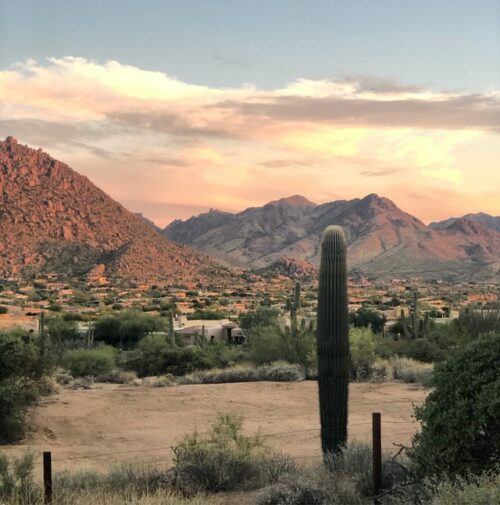 “As communities across Arizona weigh the economic benefits of tech expansion against drought concerns, local leaders and residents are increasingly asking whether the desert state has enough water to sustain massive data centers. While some municipalities have pushed the pause button on new developments, water policy experts say the feasibility of these sprawling facilities depends heavily on location, local resource availability and community priorities. Sarah Porter, director of the Kyl Center for Water Policy at Arizona State University, said water consumption varies significantly depending on the design and operational needs of each site. “From data center to data center, the amount of water that is used is quite variable depending on the size of the facility and the kind of technology that’s used for cooling,” Porter said. … ” Read more from Arizona Family.
Biggs says he may reverse some of Hobbs’ groundwater conservation efforts
“Congressman Andy Biggs said if he’s elected governor, he may reverse some of the groundwater protections incumbent Katie Hobbs has established. As a Democrat working with a Republican-controlled state Legislature, Hobbs hasn’t gotten many proposals through in the form of bills. But, under her direction, the state water resources department has created two “active management areas” which are zones where groundwater pumping is restricted. One AMA is in the Willcox basin in southern Arizona, and the other is in the Ranegras Plain basin in the western part of the state. Biggs indicated he may get rid of them. “We’ll have to see how they’re working,” he said Tuesday. “I mean she [Hobbs] has put in a new AMA down in Cochise County that I’m not sure is working well at all. We’ll have to evaluate that very carefully.” … ” Read more from KJZZ.
Republicans offered water solutions; Hobbs vetoed them
Arizona State Representative Gail Griffin writes, “Arizona has always understood that housing and water are connected. The 1980 Groundwater Management Act required new subdivisions in Active Management Areas to demonstrate a 100-year Assured Water Supply—a consumer protection designed to ensure that families were not sold homes without a reliable water source. That standard matters. So does its integrity: it must be administered under the law, with sound science, transparent models, equal rules, and basic due process—not converted into an unwritten power to decide where and how Arizona may grow. Under Governor Hobbs, that balance broke down. … ” Read more from the Arizona Independent News Network.
Millions channeled to irrigation improvements, leak repairs along Colorado River by corporate coalition
“On Monday, e-commerce giant Amazon announced a $20 million investment to conserve water in the Colorado River Basin that’s currently stressed by a mixture of demand and historic drought. In launching the Colorado River Basin Collaborative, (CRBC) and joining existing organizations the Water Resilience Coalition and The Climate Pledge, the firm hopes to help create the largest corporate water conservation effort focused on a single US watershed. The Colorado River supplies water to nearly 40 million people and more than 5 million acres of farmland across seven US states and Mexico. But 25 years of droughts have reduced annual river flow by 20%, while its two largest reservoirs, Lake Powell and Lake Mead, are now below 30% capacity. … ” Read more from the Good News Network.
Why Colorado’s largest natural lake remains full despite drought
“Grand Lake, Colorado’s largest natural lake, remains filled to the brim this summer while reservoirs across the state sit low. A federal law passed nearly 90 years ago requires it to stay full so it can carry water to the Front Range. Colorado’s reservoirs are about 60% full on average, a result of extreme drought and last winter’s historically low snowpack. Marinas elsewhere have watched their docks settle onto dirt. Neighboring Lake Granby is at 53% of capacity. The 389-foot-deep Grand Lake is different. Nearby reservoirs pump water into it, and gravity then moves that water through a 10-foot pipe toward the east. Grand Lake Town Manager Steve Kudron said the water serves more than 1.5 million people, including Estes Park. Senate Bill 80, passed in 1939, established the lake as a conveyance for moving water to the Front Range. “This lake will actually never change beyond 6 inches,” Kudron said. … ” Read more from Denver’s Channel 9.
Hay meadows in pristine Colorado river basins put to work as water-quality test labs
“Colorado ranchers who own some of the state’s most scenic landscapes are joining new research efforts to better understand emerging water quality issues in the Yampa and Gunnison basins, among others. Pressured by rising stream temperatures and shrinking flows due to climate change, rivers and lakes across the state are showing signs of distress, including algae blooms, some of which are toxic. At the same time, the Colorado Department of Public Health and Environment and Colorado State University are analyzing water quality and testing how voluntary best management practices, rather than strict regulations, can protect these hallmark water bodies. … ” Read more from Water Education Colorado.
In national water news today …
WateReuse Association releases water reuse regulatory guidebook
“The WateReuse Association (WateReuse) has released a new guidebook to help utilities, regulators and industry practitioners develop water reuse regulations tailored to state-specific needs. As water reuse continues to grow in importance nationwide, many states are seeking practical tools to navigate the complex, often non-linear process of establishing or updating regulations. The new document, Developing Water Reuse Regulations: A State-Level Guide, addresses this need by offering a flexible framework to support decision-making and stakeholder engagement throughout the rulemaking process. “Smart regulations create markets and drive innovation,” said Bruno Pigott, executive director of the WateReuse Association. “Our members and partners identified a need for practical, accessible guidance on water reuse regulations, and this guide delivers. It presents regulatory approaches relevant to every state and every type of reuse, helping communities work with regulators to develop implementable, health-protective solutions.” … ” Read more from Water Finance & Management.
America’s water systems face a growing cybersecurity threat
“America’s water systems are increasingly in hackers’ crosshairs. In recent years, dozens of water utilities experienced cybersecurity attacks that forced them to take systems offline, operate manually, or suspend billing or customer account services. Over just a few days this past July, the FBI received reports of cyber incidents affecting water systems across at least seven states. Although most incidents have not contaminated water or caused sustained outages, cyber threats are increasing as more utilities adopt internet-connected technologies—often without appropriate safeguards. Preventing, responding to, and recovering from cyberattacks can impose significant costs on utilities, including for cybersecurity training and staff, vulnerability assessments, and software and equipment upgrades. “Things that even 10 years ago we never thought about are all now adding to the cost of what it takes to run a water supply system,” said Mike Grimm, vice chair of the American Water Works Association’s Water Utility Council, earlier this year. … ” Read more from Governing.

