
A wrap-up of posts published on Maven’s Notebook this week …
Note to readers: Sign up for weekly email service and you will receive notification of this post on Friday mornings. Readers on daily email service can add weekly email service by updating their subscription preferences. Click here to sign up!
In California water news this week …
Newsom’s Bay-Delta Plan thrown into confusion after rebuke from Trump administration
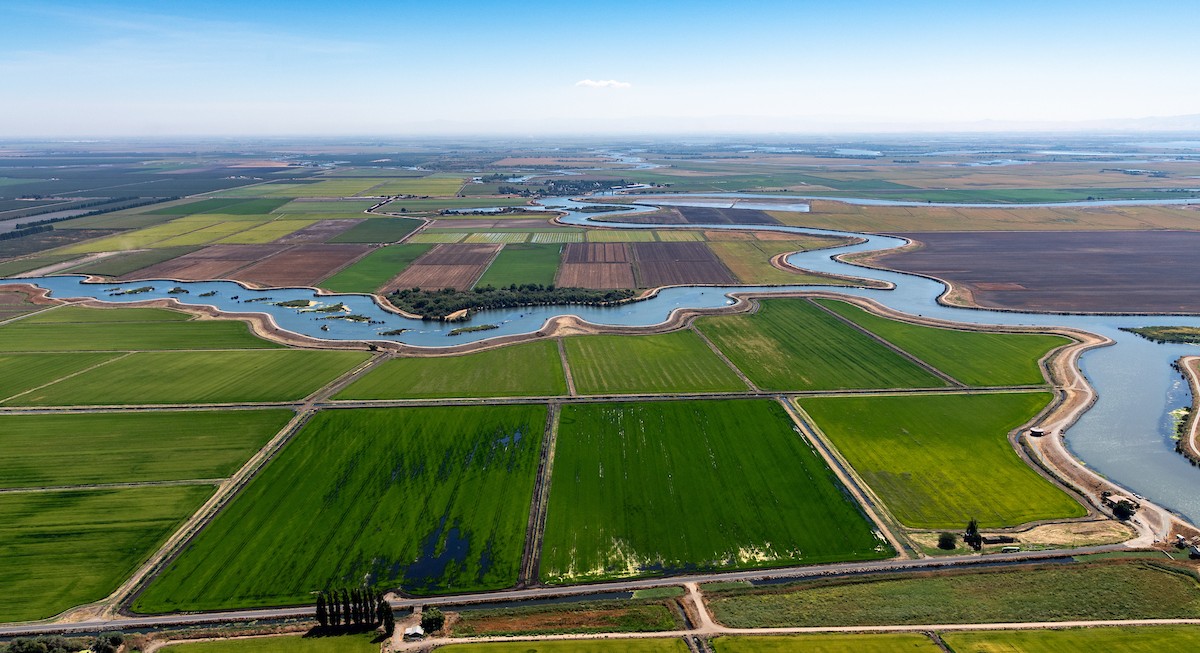
“California’s current plan for making sure the water flowing through the San Francisco Bay-Sacramento-San Joaquin Delta is clean and abundant enough to protect threatened and endangered wildlife is old and not working. This nexus of waterways, so crucial to the functioning of the state, has been long fought over and will be fought over long into the future. At the moment, however, the fight However, looks particularly chaotic. Gov. Gavin Newsom first proposed major changes to rules governing the Bay-Delta in 2020, arguing his proposal strikes a balance for use of the water for cities, growers and fish. The framework for managing the Sacramento River was last meaningfully updated in 1995, despite the fact that it is supposed to be reviewed and updated if needed every three years. The regulations were refined over years and backed by $1.5 billion in state funds. … ” Read more from KQED.
EXPLORE MORE COVERAGE:
- California to spend billions on ‘visionary’ plan to boost fish habitat, from Science
- Valley GOP urges state to reconsider new Delta water plan, from the San Joaquin Valley Sun
- Solano coalition warns of water supply threat, from the Vacaville Reporter
State Water Board issues water quality certification for proposed Sites Reservoir
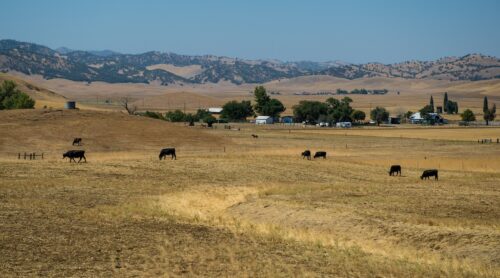
“The State Water Resources Control Board issued a water quality certification for the proposed Sites Reservoir Project in Northern California, satisfying one of the major requirements for construction of a 1.5 million-acre-foot water storage facility that would be the largest built in California in more than 50 years. The off-stream reservoir in Glenn and Colusa counties, near the community of Maxwell, would divert water from the Sacramento River when flows are relatively high, storing it for farms, cities and the environment. The water quality certification is separate from the Sites Project Authority’s related water rights application, which the State Water Board will consider at its Nov. 4 public meeting. While the water right proceeding focuses on the diversion and use of water for the project, the certification focuses on project construction. The state and regional water boards are responsible for protecting the state’s water quality, including through issuance of water quality certifications under section 401 of the federal Clean Water Act. Certifications must ensure compliance with water quality standards and other appropriate requirements of state law. If the state issues a certification with conditions, those conditions are incorporated into the federal permit or license. … ” Read more from the State Water Board.
For the first time, scientists link heavy snow to groundwater in California
“For the first time, scientists have found a direct link between the snow that falls on California’s mountains and the groundwater that lies beneath Central Valley farmlands. Analyzing two decades of measurements from NASA satellites, the researchers discovered that after a snowy winter in the Sierra Nevada, the melting snow that runs off the mountains substantially raises water levels underground. The study documents just how important years of heavy snow are for recharging California’s groundwater aquifers. It also reveals that a year with rain but little snow doesn’t benefit the state’s underground water nearly as much. “It really does seem that the snow, rather than the rain, is what drives the groundwater recharge,” said J.T. Reager, the study’s lead author. “If it rains, a lot of that rain is going to run right off, whereas if it snows, that snow sits there and slowly melts over the entire spring and summer, and provides this nice steady, infiltrating trickle that provides water to farmers, puts more water in reservoirs and also recharges the ground.” … ” Read more from the LA Times. | Read via Yahoo News.
Watershed after fire: New report summarizes years of water quality monitoring in the Sacramento watershed
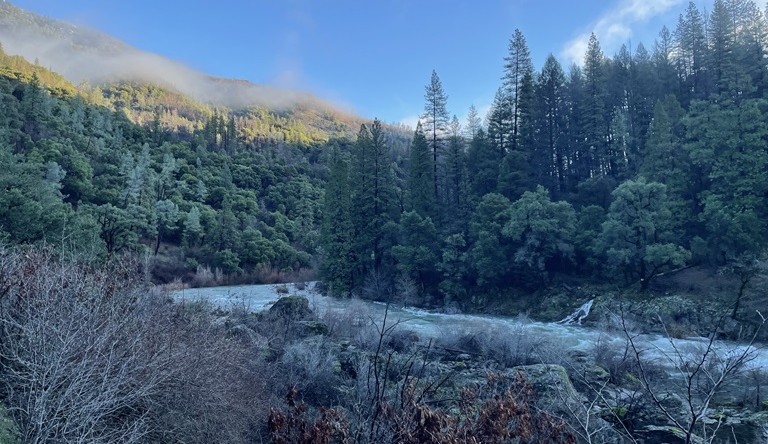
“Water flowing from the forests and mountain streams of the Southern Cascades and Northern Sierra Nevada connects to communities and ecosystems throughout the watershed. Along the way, natural conditions and human activities can affect water quality. Wildfires can intensify those impacts, particularly when rain washes ash, sediment, and other materials from burn scars into nearby waterways. DWR’s Northern Region Office and the Central Valley Regional Water Quality Control Board work together through the Sacramento Watershed Coordinated Monitoring Program (SWCMP) to better understand those changes. Building on nearly 20 years of collaborative monitoring, the latest findings offer a comprehensive look at current conditions across the Sacramento River watershed. The newly published SWCMP Final Report draws on data collected at 56 monitoring stations, where scientists tracked water chemistry, temperature, bacteria, and other indicators of water quality. … ” Read more from DWR.
New forecast points to wet winter in California courtesy of El Niño
“Bay Area residents woke up on Thursday morning to drizzle, a reminder that winter is around the corner. The National Oceanic and Atmospheric Administration expects above-normal amounts of rain and snow across California this winter, according to a monthly outlook published on Thursday. El Niño, the climate phenomenon that will likely reach historic strength this fall, is driving the forecast. “The odds are increasing that it will be an above-normal winter as far as precipitation in California,” Jan Null, a meteorologist and private weather consultant with Golden Gate Weather Services, told SFGATE by phone Thursday. “But there’s no guarantee … Right now, it’s like we have a six-sided die, and five of those sides say above-normal and one side says near-normal or below-normal.” … ” Read more from SF Gate.
The race to put El Niño underground

“A predicted “super” El Niño this winter could put one of Gov. Gavin Newsom’s plans to bolster the state’s water supplies to the test just as his governorship winds down. The storms could bring danger, potentially overwhelming levees and causing damaging floods. But they could also give California, where water supplies can swing wildly from drought to flood, a chance to capture and store excess water underground for later use. Groundwater usually makes up roughly 40 percent of the state’s water supplies, and closer to 60 percent during dry years when above ground rivers run dry. But over-pumping by farmers and years of drought have depleted underground reserves. Newsom has tried for the past couple of years to make it easier for water managers to divert floodwaters into underground aquifers as part of his broader efforts to store and send more water to farms and cities, sometimes angering environmentalists who argue it comes at the cost of endangered species. … ” Read more from Politico.
California is finally addressing groundwater overdraft. How is it going?
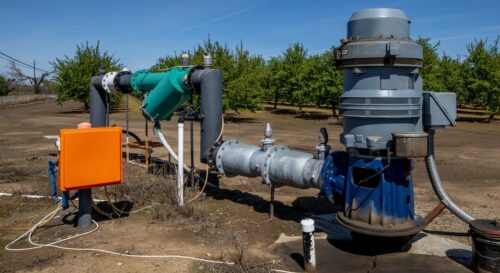 “Groundwater is essential to California’s water supply, making up about 40% of water use in most years. Yet groundwater use has outpaced what’s sustainable, resulting in a variety of issues such as land subsidence, ecosystem damage, and saline intrusion. To address these concerns, the Sustainable Groundwater Management Act (SGMA) was passed in 2014. The act requires basins to rebalance their pumping and resolve these issues by the early 2040s. In this blog post, we look at SGMA’s progress thus far and describe what’s to come. While over a decade has passed since SGMA went into effect, most of this time was spent establishing governance frameworks. Between 2014 and 2017, basins created groundwater sustainability agencies (GSAs), charged with implementing SGMA. These agencies were required to submit groundwater sustainability plans (GSPs) to the Department of Water Resources (DWR) by 2020–22. In most basins, implementation of these plans didn’t get fully underway until 2020 at the earliest. … ” Read more from the PPIC.
California adopts new limits to rein in dairy manure pollution and its ‘outsized’ groundwater impacts
“The California valley with the most dairy farms in the state will follow stricter water pollution requirements following years of advocacy and a marathon six-hour meeting this week. The State Water Resources Control Board unanimously agreed to adopt the regulations under what several environmental groups call a long overdue dairy order. Nitrogen from the manure dairies produce turns into excess nitrate in soil, waterways and groundwater, and can eventually contaminate drinking water. Families and children in the Central Valley “are living in crisis,” said Leslie Martinez, of the Leadership Counsel for Justice and Accountability and Defensores del Valle Central para el Aire y Agua Límpio (Central Valley Defenders of Clean Air and Water), a group of San Joaquin Valley residents. “Low-income rural communities of color rely heavily on shallow groundwater and face the greatest exposure,” Martinez said during Tuesday’s meeting in Sacramento. … ” Read more from Inside Climate News.
San Joaquin Valley water vision highlights urgent need for coordinated action
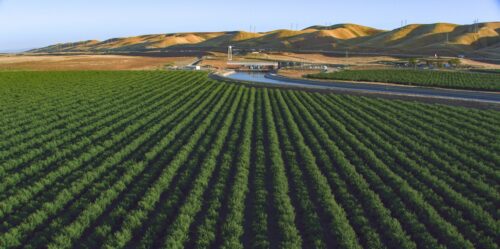
“The San Joaquin Valley is one of the world’s most productive agricultural regions and a cornerstone of the nation’s food security. Water underpins the region’s economy, communities, and environment, yet the San Joauin Valley faces some of California’s most complex and interconnected water challenges, including depleted aquifers, land subsidence, stressed ecosystems, unreliable surface water supplies, and increasing flood risk. Climate change is expected to intensify many of these pressures. To address these challenges, the Department of Water Resources (DWR) developed A Vision for the San Joaquin Valley (Vision), an integrated plan outlining near- and long-term strategies to improve water management and climate resilience. The Vision provides a framework for aligning local, state, and federal partners around coordinated investments, policy improvements, and climate-resilient water management. Other Valley-led efforts, including the Unified Water Plan and the San Joaquin Valley Water Collaborative Action Plan, are also helping define priorities for the region. At the California Water Commission’s August meeting, a panel of DWR officials and Sam Joaquin Valley stakeholders shared perspectives on aligning plans with action, centering community needs, addressing urgent funding and subsidence challenges, and building consensus around regional solutions. … ” Read more from Maven’s Notebook.
The energy and water footprint of AI
“Whether artificial intelligence should be regulated, and if so, how, has almost overnight become one of the biggest political issues of our time. And with AI comes a surge in construction of massive data centers, for which we should minimize impact on the surrounding communities. But to the question of how we will find enough energy and water to supply data centers, concerns may be overstated. When it comes to water, there is good news. A recent report published by Richard Evans, an economist with the Abundance Institute, describes recent recycling innovations that promise to reduce ongoing water consumption by data centers to almost nothing. Using a liter per kilowatt-hour metric, modern designs are already down from as high as 2.5 L/kWh with traditional evaporative cooling to 0.12 L/kWh with closed-loop cooling technologies. It may get even better than that. Evans elaborates, “And those fleet averages actually understate what is occurring in new construction. Microsoft says its newest liquid-cooled AI data centers use direct-to-chip closed loops with zero water evaporation. Oracle says the same about AI facilities it is building in New Mexico, Michigan, Texas and Wisconsin. The cooling system is initially filled and subsequently has essentially no evaporation, blowdown, or continuous makeup-water requirement.” … ” Read more from Edward Ring.
Willow Springs Water Bank advances toward final Proposition 1 funding
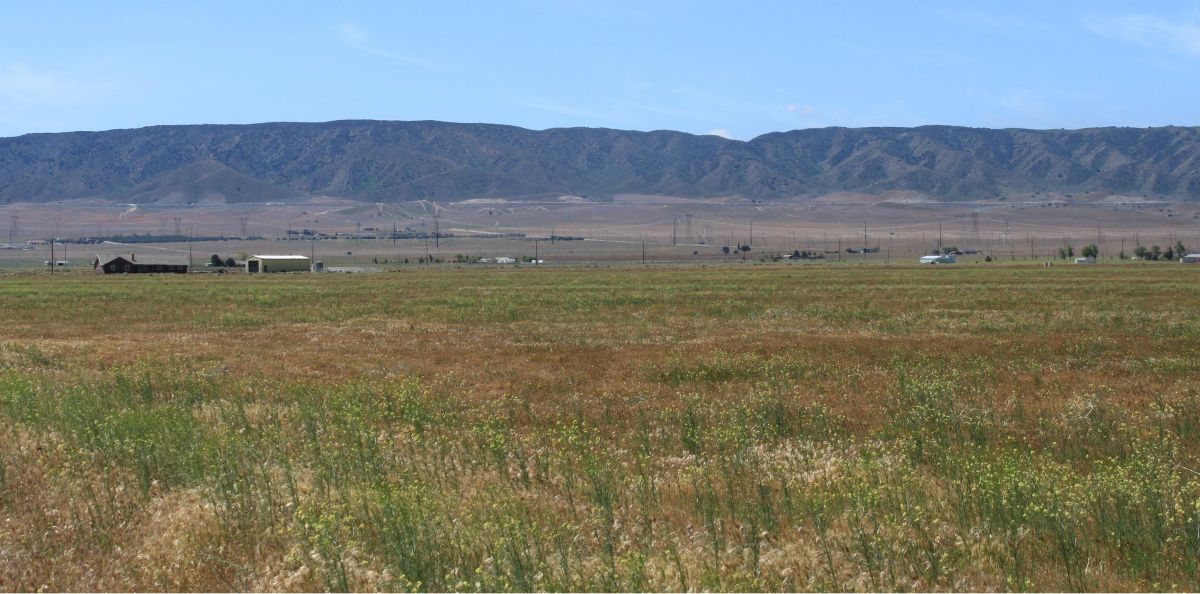
“Proposition 1, approved by California voters in 2014, authorized $2.65 billion for the public benefits associated with water storage projects. The California Water Commission administers that funding through the Water Storage Investment Program. Of the eight projects conditionally accepted into the program, five remain active. The Harvest Water Program was the first to complete the required steps and receive a final funding award. The remaining projects must still satisfy statutory requirements, including securing permits, completing environmental documentation, executing contracts for the administration of public benefits, and finalizing agreements for non-public-benefit cost shares. Once those requirements are met, applicants return to the Commission for a final award hearing. At its August meeting, the California Water Commission received an update on the Willow Springs Water Bank Conjunctive Use Project from CIM Group and representatives of the Southern California Water Bank Authority, the project’s proponents. The project is designed to store groundwater and support pulse-flow releases from Lake Oroville for ecosystem improvement and emergency response benefits. Southern California Water Bank Authority representatives John Perez, managing director of government affairs; Kris Bale, first vice president of investments; and Alan Sollof, vice president of development, presented the update. … ” Read more from Maven’s Notebook.
Public hearing set on revised Delta Conveyance Project certification
“The Delta Stewardship Council will hold a public hearing on October 15, 2026, beginning at 9:30 a.m., to consider appeals concerning the California Department of Water Resources’ revised Certification of Consistency with the Delta Plan for items remanded in connection with the Delta Conveyance Project (C20262). The Delta Conveyance Project is proposed by the California Department of Water Resources and would involve the construction, operation, and maintenance of new State Water Project water-diversion and conveyance facilities in the Delta. Because the project is a covered action under the California Water Code, the Department must prepare and submit to the Delta Stewardship Council a written certification containing detailed findings on the project’s consistency with Delta Plan regulations. … ” Read more from Maven’s Notebook.
New DWR director discusses water resiliency plans
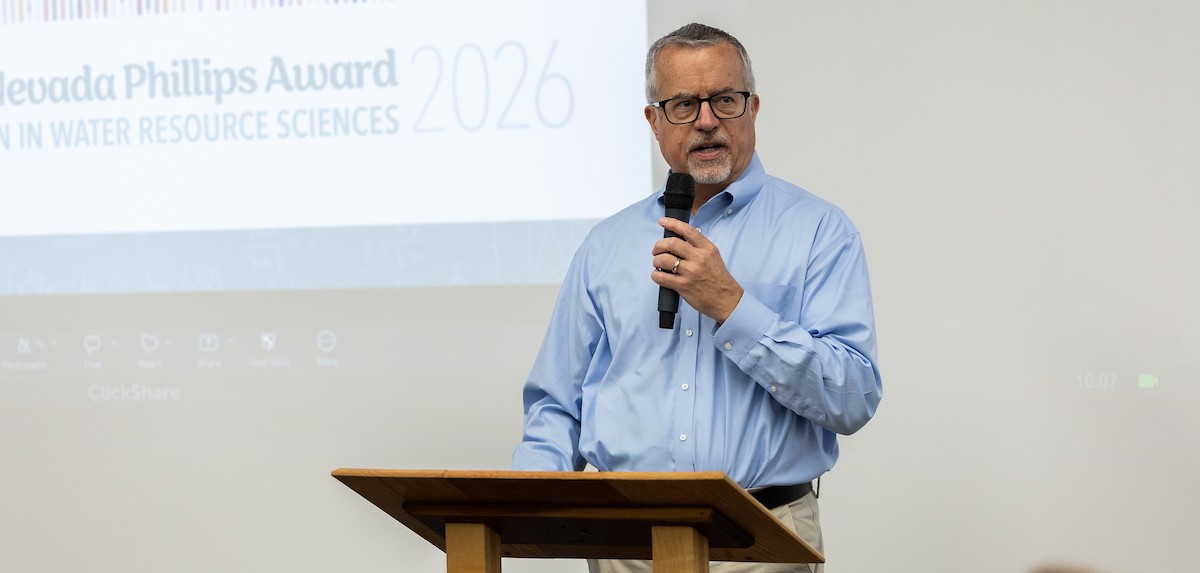
“The California Department of Water Resources swore in its new director, Thomas Gibson, in July. He previously worked in various state agencies addressing water issues, including stints at the state Department of Fish and Wildlife and Natural Resource Agency. Gibson spoke with Ag Alert® about his priorities as he steps into his new role. How has your past experience informed how you think about California’s water issues? I’ve worked in water for most of my career at this point. I was a lawyer in private practice that worked on some water matters for about a decade and then came to work at the state department. At the time, it was called the Department of Fish and Game; now it’s the Department of Fish and Wildlife. I was the general counsel there for a number of years. Then I went to the California National Resources Agency and held a few positions there before joining the Department of Water Resources about five years ago. … ” Read more from Ag Alert.
In commentary this week …
An anti-regulatory federal government tries to strongarm California over who controls the State’s water resources
Chris Shutes and Gary Bobker write, “The latest chapter in the Trump Administration’s war on California opened on September 3 and 4, 2026, when the U.S. Bureau of Reclamation– which operates the largest water project in California – and Westlands Water District – the largest irrigation district in the country and a recipient of federal water – rejected California’s proposed update of the Bay-Delta Plan, the water quality standards for the San Francisco Bay-Delta estuary required under both state and federal law. Writing to the State Water Resources Control Board (Board), Reclamation and Westlands threatened to withdraw from so-called Voluntary Agreements (VAs) that are the proposed center of the Bay-Delta Plan update. The Board issued its latest draft of the Plan on August 19, 2026. The Board’s expectation is to approve the Plan in meetings on October 28, 29, and 30. The long overdue update is needed to address the collapse of fishery populations, the growth of toxic algal blooms, and other water quality problems plaguing the estuary as a result of unsustainable water diversions and habitat destruction. … ” Continue reading this commentary.
The valley’s new water plan offers hope
Scott Hamilton, a natural resource economist working on water issues and water projects, writes, “Without new water supply projects, the San Joaquin Valley is projected to be 2.4 to 3.0 million acre-feet short of water on average each year by 2040. Kern County sits at the center of that arithmetic, with the largest gap between water supplies and water demands of any of the groundwater subbasins in the San Joaquin Valley. The cost of doing nothing is enormous. Land values have already begun to tumble. Ultimately, in some areas without any surface supplies, irrigated almond orchards now worth $30,000 per acre might be reduced to one tenth of that value. The cost to the valley goes well beyond the loss of farmland values. … ” Continue reading from the Bakersfield Californian.
Water, energy and climate resilience must go hand in hand
Westlands General Manager Allison Febbo writes, “California often speaks in ambitious terms about climate resilience, clean energy, and sustainable water management. Turning those goals into workable solutions is proving more difficult, particularly in regions where water supply has become increasingly uncertain. On the west side of the San Joaquin Valley, Westlands Water District is going beyond simply navigating these challenges. We are developing solutions for our communities, farmers, and economy. It turns out, these are the integrated solutions California needs. “Weather whiplash” – rapid swings from drought to flood – combined with rigid regulatory constraints make it harder for farmers to plan from season to season. In the last decade, federal water allocations have averaged only a fraction of what was promised, forcing difficult decisions, including fallowing land that once produced food for the nation. … ” Read more from the SJV Sun.
How Colorado River shortages could hit the San Joaquin Valley
Thomas Holyoke, a professor at California State University, Fresno’s Department of Political Science, and Laura Ramos, director of the California Water Institute at Fresno State, write, “The Colorado River is in trouble and the San Joaquin Valley should be concerned. On Aug. 21, the U.S. Department of the Interior, which manages the river, announced that California, Arizona and Nevada had to cut their take from the river. Even though folks in the Valley don’t receive any of the river’s water, they ought to care. Why? All things in Western water tend to be interconnected in one way or another. And this is no exception. The Imperial Valley by the U.S.-Mexican border gets the largest cut of the Colorado River for irrigated agriculture, and Los Angeles and other southern cities get some via the Metropolitan Water Agency. The San Joaquin Valley? Not a drop. But what happens in Southern California rarely stays in Southern California. … ” Read more from the Sacramento Bee.
Editorial: Stop watering ornamental grass
The SoCal News Group editorial board writes, “California will save a lot of water in the new year when a law takes effect that bars some property owners from watering grass with drinking water. Homeowners have nothing to fear, but public bodies need to step up. Lawmakers passed and Gov. Gavin Newsom signed Assembly Bill 1572 three years ago. It tells cities, counties, school districts and other public agencies to stop watering “nonfunctional turf” with potable water starting Jan. 1, 2027. Nonfunctional turf is grass that no one walks on, such as the median strips, parking lot islands and spaces between office buildings. Trees and other perennial plantings will remain eligible for some watering. In 2028, commercial and industrial properties as well as colleges and universities will have to comply with the law. In 2029, that expands to homeowners association common areas. Noncompliance could result in penalties up to $1,000 per day. … ” Continue reading at the Santa Rosa Press Democrat.
The end of endangered species habitat protections in California?
Eric Biber, a specialist in conservation biology, land-use planning and public lands law, writes, “California likes to portray itself as an environmental leader, and in many ways it is. But in the context of one of the most important areas of environmental law – protecting endangered species – California is on the verge of eliminating most of its protections for the habitat of endangered species. That is the result of the double-punch of retrenchment by the Trump Administration on the federal Endangered Species Act (ESA), and the impacts of the likely passage of Proposition 45 this fall. First, why habitat protections for endangered species matters. There are many different threats to endangered species globally, in the US, and in California. Climate change, invasive species, overhunting or over collection. But one of the most important ones is the destruction of endangered species habitat. While many laws, including California’s Endangered Species Act (CESA) protect against hunting and harvesting of endangered plants and animals, protecting individual plants and animals from direct take is only of limited benefit of those plants and animals do not have habitat to occupy. And that is what is under threat right now. … ” Read more from Legal Planet.
California must defend the ocean and beaches from Trump’s new plans for offshore drilling
Ted Danson, an actor, advocate and Oceana board member, writes, “More than 40 years ago, I was walking along a beach in Santa Monica with my young daughters when we came across a sign that read: “Water Polluted. No Swimming.” My daughters looked at me, confused. They wanted to know why they couldn’t go in the water. I didn’t have a good answer. But I knew then that I wanted to do something about it. That moment led me to join the fight against offshore drilling off California’s coast. I never imagined that, more than four decades later, we’d still be working to stop it. For decades, Californians have chosen to protect this coastline. Yet the federal government’s newly released plan threatens to reverse that progress by once again proposing to open our coast to more offshore oil and gas drilling. Over the years, I’ve watched Californians come together time and again to defend the coast we love. If there’s one thing I’ve learned, it’s that progress isn’t permanent. And every victory must be defended. … ” Read more from Cal Matters.
In regional water news this week …
Tribes, California, and local governments sign historic agreement to restore vital Clear Lake watershed
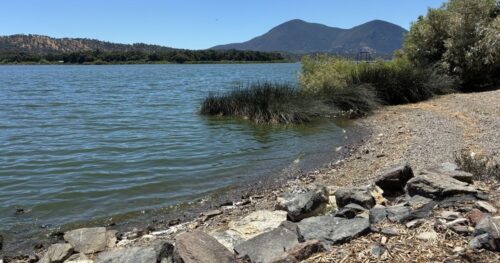 “Tribal, state, and local governments today gathered at Big Valley Rancheria to announce a landmark partnership to restore the Clear Lake watershed through shared stewardship of its lands, waters, and native species. Together, the partners will improve water quality, restore habitat, strengthen native fish populations, and support healthier ecosystems for future generations. One of the biggest agreements of its kind, this is California’s first watershed co-management agreement since the passage of AB 1284 (Ramos, 2024) and the state launched its Tribal Stewardship Policy in March. “This partnership is unique – it brings together communities and purposes that have traditionally been disparate, if not oppositional, and finds common ground where it matters most: the lake itself,” said Governor Gavin Newsom. “There are different histories, different meanings, but it’s the same water. A healthier Clear Lake means stronger, healthier communities, no matter what role the lake plays in their lives, whether it’s a cultural touchstone, an economic engine, a social anchor, or an ecological lifeline.” … ” Read more from the Natural Resources Agency.
Feather River gravel project supports chinook salmon and steelhead spawning
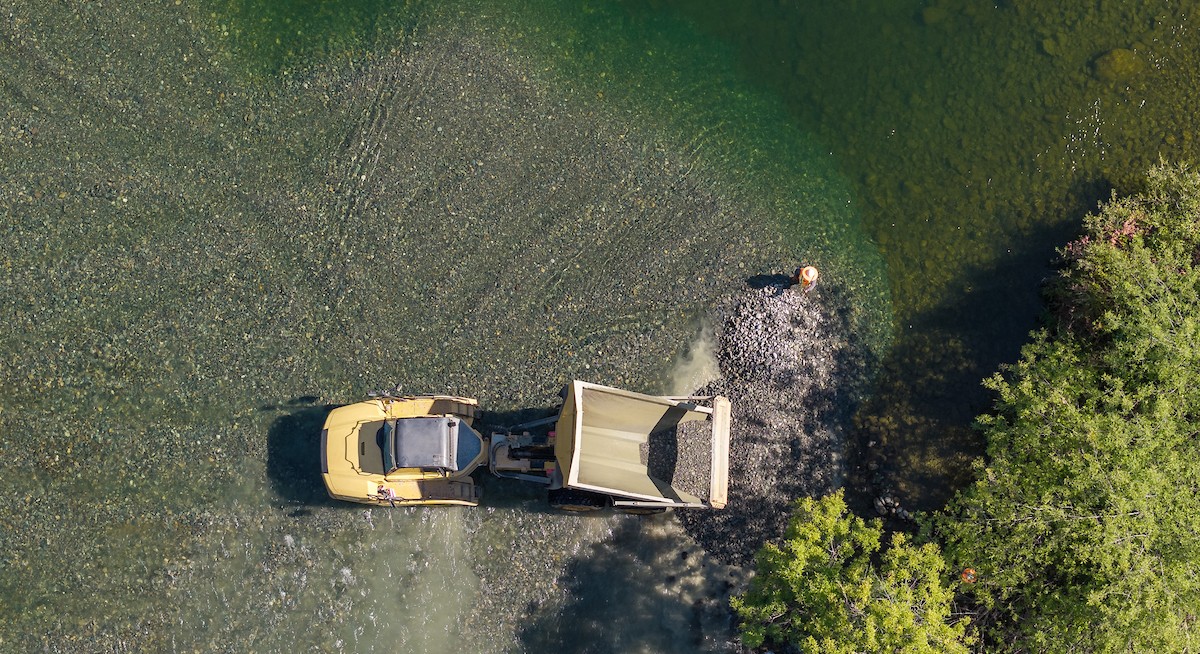
“Throughout California’s Central Valley, Chinook salmon and steelhead trout migrate between the ocean and inland rivers to spawn during their lifecycles. Ahead of the fall spawning season, DWR completed a salmonid habitat improvement project in the low-flow channel of the Feather River in Oroville, placing approximately 8,000 cubic yards of spawning gravel between the Table Mountain Bridge and Bedrock Park. “Oroville Dam blocks the upstream passage of some fish to their natural spawning habitat and prevents the migration of gravel that would naturally flow downstream,” said Kassie Henley, senior environmental scientist with DWR’s Feather River program. “Through gravel restoration projects, DWR supports fish that use the Feather River for this critical phase of their lives. The gravel is placed in July and August ahead of when Chinook salmon and steelhead spawn to avoid impacts to eggs.” … ” Read more from DWR.
85 years of evidence: Englebright Dam’s history helps engineers assess future risk
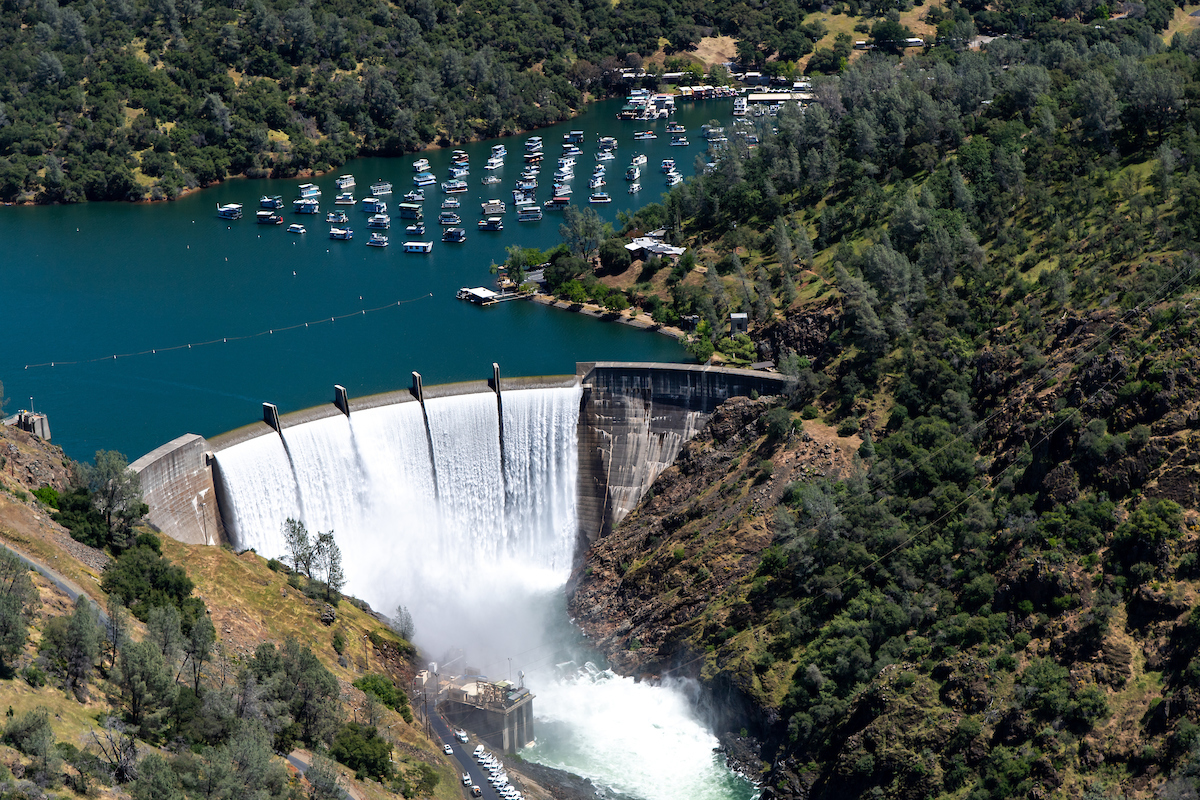
“When engineers assess how a dam might perform during an extreme flood, computer models and calculations can help predict what could happen. At Harry L. Englebright Dam, Sacramento District engineers also had something particularly valuable to work with: more than 80 years of evidence showing what actually has happened. Christopher Rica, a Sacramento District Dam Safety Technical Specialist and geotechnical engineer, and Daniel Vellone, the district’s Dam Safety Program Manager, used that history to examine the potential for erosion of Englebright Dam’s rock abutments during an extreme flood. Their research was presented at the U.S. Society on Dams Annual Conference held May 4-7 in Austin, Texas. Englebright Dam sits on the Yuba River in the Sierra foothills of Northern California, where rock abutments form the natural foundation along the sides of the dam. Although rock may appear solid, natural formations contain cracks, fractures and joints. During extreme floods, high-velocity water can enter those openings creating pressure that can potentially dislodge blocks of rock and cause erosion. The engineering question was whether that process could progress far enough to threaten the stability of the abutments supporting Englebright Dam. … ” Read more from the Army Corps of Engineers.
To protect Sacramento, the federal government could flood farmland in Yolo County
“Every few minutes, an airplane flies over the Upper Elkhorn Basin, reminding those who live and work there that changes are coming. Bounded on the east by the Sacramento River and the west by the Yolo Bypass, the quiet, agricultural stretch of Yolo County has been farmed for more than a century. From atop its levees, the view stretches out over miles of mature trees, newly planted orchards and tomato fields. But as climate change and development along the eastern edge of the river increases flooding risk for thousands of residents in the Sacramento region, state and federal water managers are eyeing the Upper Elkhorn Basin as a potential solution. To protect vulnerable points along the river, including the airport and other parts of the Natomas Basin, the U.S. Army Corps of Engineers recently released a tentative plan to widen the Yolo Bypass into the Elkhorn Basin. The move would inundate roughly 1,200 acres of prime farmland, fundamentally altering how the land would be used. … ” Read more from PBS Abridged.
In Brief: A Unified Water Plan for the Valley
 “The eight-county San Joaquin Valley includes seven of the nation’s top 10 agricultural producing counties and grows more than 250 crops with an annual value of about $24 billion, with almost $10 billion more in annual dairy and beef revenues. More than 300 disadvantaged communities in the study area draw on the same groundwater that supplies those acres. The Valley is also an important link in the Pacific Flyway and provides habitat for salmon and other anadromous fish. The plan treats water supply, flood management, and ecosystem condition as one regional system. The plan’s central finding is a water supply-demand gap of about 2.4 million acre-feet per year by 2040. It is built from overdraft reported in the Groundwater Sustainability Plans that local agencies wrote under the Sustainable Groundwater Management Act, a provision for replenishing groundwater beyond the elimination of overdraft, contributions from the San Joaquin River Restoration Program and the Healthy Rivers and Landscapes Program, and projected reductions in Delta imports. Increased demand under a hotter and drier climate is included. The figure excludes supply reductions that have already occurred under existing regulatory requirements, and it does not assume future constraints that are not yet known. … ” Read more from the Water Blueprint for the San Joaquin Valley.
Knives are out for nascent groundwater agency struggling to govern its own “dead men walking” in Tulare County
“The Tule East Groundwater Sustainability Agency in southern Tulare County just can’t seem to put a foot right. The state is bearing down, demanding an end to overpumping that has sunk huge swaths of land – taking the critical Friant-Kern Canal with it. Surrounding farmers and water managers want action and they want it now. Tule East directors and staff are still dotting the “i”s to create a legitimate governing agency. Meanwhile, Tule East farmers have apparently abandoned all restraint and are “pumping like it’s the wild west.” The situation is a mess, according to someone familiar with the process and the players who agreed to talk with SJV Water. “What is left of Tule East is now just white area landowners,” they said, referring to land that isn’t covered by a water district, so is totally groundwater dependent. “I mean they’re dead men walking. Why should they walk any faster?” … ” Read more from SJV Water.
Rethinking what urban river restoration can look like
“For much of the 20th century, cities engineered rivers to solve an urgent problem: keeping people and property safe from floods. In Southern California, that meant transforming the Los Angeles River from a dynamic natural system into a concrete channel designed to move stormwater quickly and efficiently. That infrastructure provided critical flood protection, but at a high cost: Natural floodplains and habitats disappeared, ecosystems became fragmented and many communities lost their connections to the river. Today, cities have an opportunity to think differently. Rather than focusing on designs that exclusively reduce flood risk, new approaches can work with natural systems to provide flood protection while restoring habitat, reconnecting groundwater and floodplains, and creating healthier, more accessible public spaces. A new USC-led study at Taylor Yard, a former rail yard along the L.A. River in northeast Los Angeles, explores what those approaches could look like and how they might be applied, offering lessons that could extend far beyond Southern California. … ” Read more from USC Today.
Powerful El Niño could shake up the ocean population near Southern California shores
“Southern Californians could encounter unusual fish, sea snakes and other marine animals in the coming months as a strengthening El Niño warms coastal waters and alters ocean conditions, according to Natural History Museum of Los Angeles County scientists. Some forecast models predict the developing El Niño could be the largest in the roughly 150-year observational record, according to the museum. Warmer waters and changing currents can bring tropical and subtropical species well north of their typical ranges. Scientists said unusual marine visitors are already being spotted in Southern California, including hammerhead sharks off Los Angeles, Orange and Ventura counties, a whale shark off Malibu and mahi-mahi near the Southern Channel Islands. One such visitor has already entered the museum’s collection — a longfinned bigeye caught off the Venice Fishing Pier by local fisherman Julius Cardines. … ” Read more from the LA Daily News.
Commentary: The approaching El Niño is scary, but L.A.’s starred in this horror movie before
Columnist Patt Morrison writes, “El Niño is coming for us. It’s out there over the Pacific Ocean, waiting. Muscling up for the move. It’s come this way before, and it overstayed its welcome. At intervals of 20 years and sometimes more often, it has lashed and splashed us, turned our living rooms into muddy aquariums, swept away our cars and houses, and sometimes hundreds of Angelenos. So, when Sepulveda Boulevard becomes the Sepulveda River in a few months, and the TV news reporters pull on those yellow rain slickers for “Stormwatch ‘26,” remember that L.A. has starred in this movie before. El Niño’s nastiest modern visit was on March 2, 1938, when a pair of storms hit the city of L.A. with 5.88 inches of rain in 24 hours. It rampaged for several days, and flooded the basin so devastatingly that the Oscars, scheduled for March 3, had to be postponed for a week because so many stars and filmmakers were marooned up in the canyons and on their ranches in the San Fernando Valley. More on death and destruction later. … ” Read more from the LA Times. | Read via Yahoo News.
San Diego’s troubled reservoirs brace for ‘Super’ El Niño. How the city is addressing downstream risks
“In preparation for a looming ‘Super’ El Niño, or “Godzilla El Niño” as others have coined it, the city is shoring up two of San Diego’s aging, water-level-restricted reservoirs. In 2025, the Division of Safety of Dams designated both Lake Hodges and Lake Murray as posing an “extremely high” downstream hazard if they fail. Record-breaking heavy rainfall forced the city to release 11 billion gallons of water from Lake Hodges from 2023 to 2024, according to the Santa Fe Irrigation District in February 2024. Lake Murray has not had a major release. Still, if it ever exceeds its restriction, the state requires the city to fully open its low-level outlet, according to Department of Water Resources spokesperson Jason Ince. State regulators capped water levels at both reservoirs because of seismic safety concerns, with Lake Hodges restricted to less than 30% of its maximum capacity. State inspectors found the structural condition of the Lake Hodges dam was “unsatisfactory” and in need of immediate repairs. … ” Read more from the Times of San Diego.

