
Several news sources featured in the Daily Digest may limit the number of articles you can access without a subscription. However, gift articles and open-access links are provided when available. For more open access California water news articles, explore the main page at MavensNotebook.com.
On the calendar today …
- WEBINAR: Water Shortage Vulnerability Explorer Tool Overview and Tutorial from 9am to 11am. As part of its technical assistance for SB 552 implementation, DWR has updated and continues to maintain the Water Shortage Vulnerability Scoring and Tool. This resource provides foundational statewide data and information to help counties assess drought and water shortage vulnerability for domestic wells and state small water systems. During this meeting, DWR will provide an overview of the tool’s features, underlying data, and updates to the scoring methodology and tool since the previous update in 2024, including new indicator metrics, a new physical vulnerability index score, and social vulnerability indices. DWR will also demonstrate how to navigate and apply the tool to common use cases and offer opportunities for participants to ask questions and discuss potential uses. The first half of the meeting will be dedicated toward updates for the domestic wells and state small water systems, while the second half will be for small water systems. Meeting Registration/Access Link: https://ca-water-gov.zoom.us/meeting/register/MjcBFBn-TPe2Xop-rIW1Nw
- FERC PUBLIC SCOPING SESSION: Eel River Dams removal (Eureka) from 9am to 11am. FERC will hold an additional public scoping session to collect comments on the scope of the environmental issues that should be analyzed in the NEPA document. All interested individuals, resource agencies, Native American Tribes, and non-governmental organizations (NGOs) are invited to attend one or both of the sessions. This additional session will follow the format of the June 23 and 24, 2026 sessions. There will be no formal presentations at either session. Numbered tickets will be handed out on a first-come, first-serve basis; individuals will be called in order by ticket number to provide oral comments to be transcribed by a stenographer for the formal record. For more information, click here.
- MEETING: California Water Commission beginning at 9am. Agenda items include a panel on Groundwater Recharge: State Agency Roles and Regional Perspectives, and an update on the Chino Basin Program. Click here for the agenda and remote access information.
- WEBINAR: New Research and Policy Recommendations on Groundwater Management and Small Farms in California from 12pm to 1pm. As California’s Sustainable Groundwater Management Act (SGMA) continues to be implemented across the state, small-scale farmers are working to understand what the regulations mean for their operations and how to prepare for the future. Join us for this webinar as Ngodoo Atume (UC ANR Small Farms Network) and Catherine Van Dyke (Community Alliance with Family Farmers) present findings from their newly released report, which offers a statewide overview of how groundwater regulations are affecting small-scale agricultural producers across California’s diverse regions. The report documents key risks facing this community, examines governance and implementation dynamics, and puts forward concrete policy recommendations to support equitable SGMA implementation. For anyone interested in how California navigates the intersection of groundwater policy implementation and small-scale agricultural equity, this webinar is an opportunity to be among the first to engage with this timely new resource. Click here to register.
- GRA BAY AREA: AI Roundtable Discussion from 6pm to 7:30pm. Our goal is to bring together groundwater professionals in the Bay Area to discuss how AI is impacting the industry. We hope to create a space to share and learn from one another. Depending on the size of the group, we may break into smaller discussion groups to discuss topics such as how do you see AI impacting the groundwater and water resources industry? How has this technology been useful to you? In what ways do you incorporate this into your work now? As water resources practitioners, what ethical responsibilities do we have in AI use or data center development? We encourage you to come prepared to share a short story about how you’ve used the technology or how it has impacted your work. Click here to register
In California water news today …
California to spend billions on ‘visionary’ plan to boost fish habitat
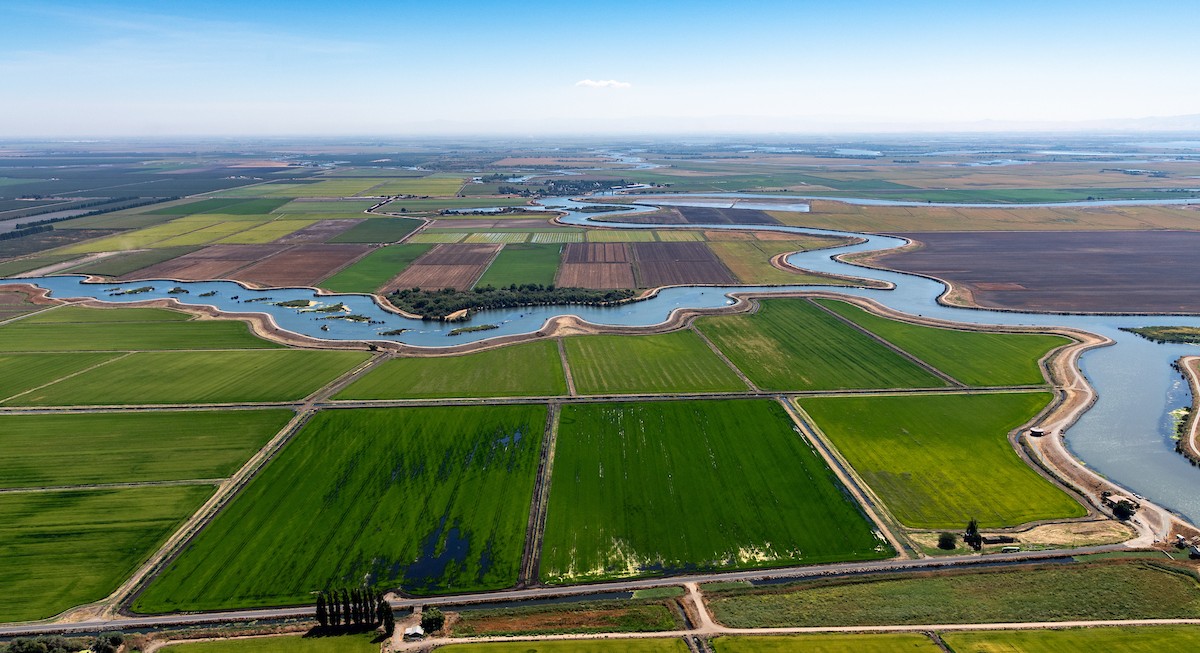
“California’s San Francisco Bay delta region is the site of some of the country’s fiercest water wars, rivaling the drought-stricken Colorado River Basin. The delta, which lies between San Francisco and Sacramento, California, is the last refuge of seven endangered fish species and the central hub for diverting water to farms and cities, and there has long been too little to go around. Now, the state has reached the final stages of overhauling water policy for the entire delta for the first time in 30 years, and many stakeholders are unhappy. The new plan, released in a final draft last month, proposes only a small reduction in water use to benefit nature—up to 1 billion cubic meters each year, out of 19 billion cubic meters of average flow through the delta. It will shift the timing of some dam releases to mimic the seasonal pulses that occurred historically, and it will add significant state money for water districts that propose a plan to fund restoration of degraded habitat. But those measures have not appeased environmental groups, who walked away from negotiations years ago, saying the state was favoring agribusiness. California’s largest irrigation district has pulled its support, and the federal government is also objecting. … ” Read more from Science.
New DWR director discusses water resiliency plans
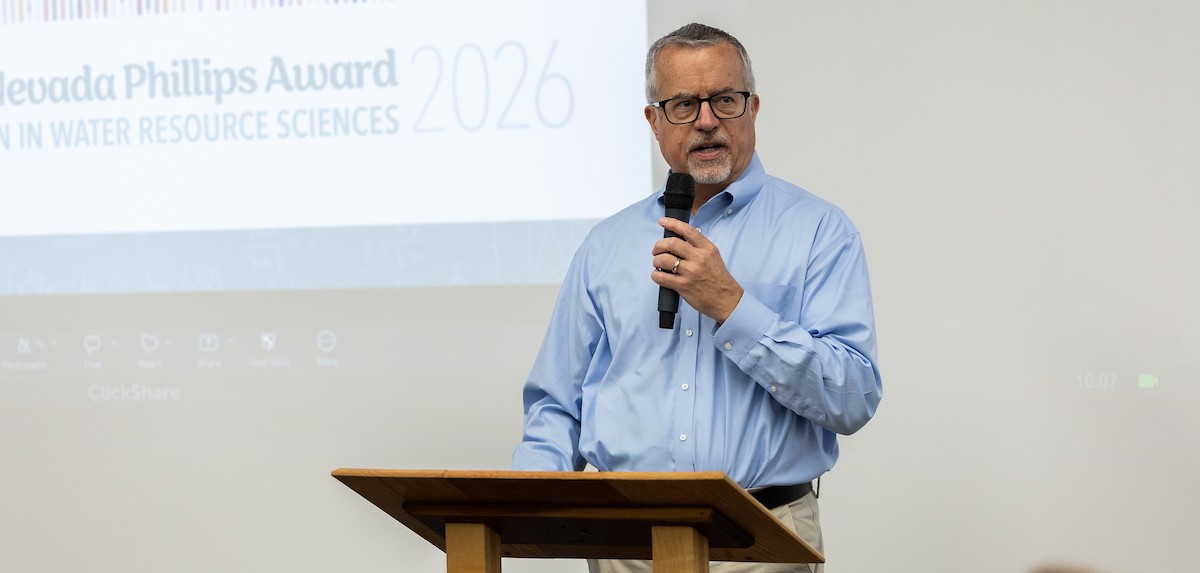
“The California Department of Water Resources swore in its new director, Thomas Gibson, in July. He previously worked in various state agencies addressing water issues, including stints at the state Department of Fish and Wildlife and Natural Resource Agency. Gibson spoke with Ag Alert® about his priorities as he steps into his new role. How has your past experience informed how you think about California’s water issues? I’ve worked in water for most of my career at this point. I was a lawyer in private practice that worked on some water matters for about a decade and then came to work at the state department. At the time, it was called the Department of Fish and Game; now it’s the Department of Fish and Wildlife. I was the general counsel there for a number of years. Then I went to the California National Resources Agency and held a few positions there before joining the Department of Water Resources about five years ago. … ” Read more from Ag Alert.
How much water and power do data centers really use?
 “From neighborhood protests to countywide moratoriums, water- and energy-intensive data centers have united protesters who distrust the industrial behemoths. “You couldn’t pay money to make something go viral like the data center fight has been. The data center issue pulls together so many different components [that] people from all walks of life are all worried about,” said Rebecca Gill, associate professor in the political science department at UNLV. “Whatever your particular bugaboo is, you can find something about hating the data centers that will speak to your particular issue.” There are now more than 70 data centers either operating in or planned for Nevada, but as more are planned, Nevadans across the state are turning out in droves at public meetings to speak against their construction. Despite this public disdain for data centers — almost three-quarters of Americans oppose them — almost everyone uses them. Sending an email, streaming music or shopping online all require data centers. “A lot of these politicians could not predict what cultural significance these data centers would have,” Gill said. “These data centers span the gamut of things that make us anxious.” Below, The Indy separates data center facts from fiction. … ” Read more from the Nevada Independent.
Data centers and water supply in California: Issues to address early in project development
“Data center development is accelerating across California, bringing increased attention to the water supplies and infrastructure needed to serve these projects. That attention has prompted both developers and public agencies to address issues such as long-term reliability, infrastructure costs, drought planning, and the disclosure of project information. Pending legislation would add new requirements in several of these areas, but both public agencies and developers should already be working through these issues early in the development process. For a data center with significant water demand, one of the first questions is whether the proposed supply is sufficient over the life of the project and during periods of water shortage. … ” Read more from Downey Brand.
Willow Springs Water Bank advances toward final Proposition 1 funding
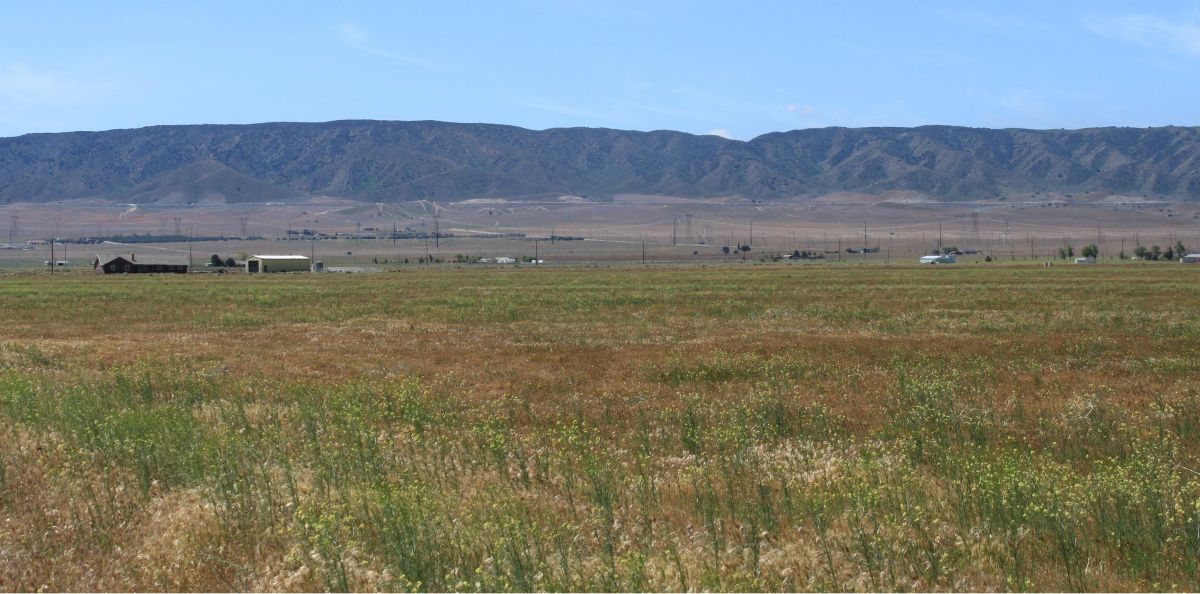
“Proposition 1, approved by California voters in 2014, authorized $2.65 billion for the public benefits associated with water storage projects. The California Water Commission administers that funding through the Water Storage Investment Program. Of the eight projects conditionally accepted into the program, five remain active. The Harvest Water Program was the first to complete the required steps and receive a final funding award. The remaining projects must still satisfy statutory requirements, including securing permits, completing environmental documentation, executing contracts for the administration of public benefits, and finalizing agreements for non-public-benefit cost shares. Once those requirements are met, applicants return to the Commission for a final award hearing. At its August meeting, the California Water Commission received an update on the Willow Springs Water Bank Conjunctive Use Project from CIM Group and representatives of the Southern California Water Bank Authority, the project’s proponents. The project is designed to store groundwater and support pulse-flow releases from Lake Oroville for ecosystem improvement and emergency response benefits. Southern California Water Bank Authority representatives John Perez, managing director of government affairs; Kris Bale, first vice president of investments; and Alan Sollof, vice president of development, presented the update. … ” Read more from Maven’s Notebook.
El Niño increases chances of winter storms and floods
“California’s water year will be shaped by the arrival of El Niño, a climate pattern that raises the likelihood of intense precipitation and flooding in the coming months. Experts call the upcoming system a super El Niño. A National Weather Service report in August said there’s a 69% chance its strength would exceed that of previous El Niño events dating back to 1950. While a stronger-than-usual El Niño might seem to promise more rain—and therefore ample water for farms—experts caution that it doesn’t necessarily mean a boost in snowpack, which helps replenish reservoirs and sustain water supplies through the growing season. Paul Ullrich, a regional climate modeling professor at the University of California, Davis, describes El Niño as an event that occurs every two to seven years, driven by shifts in wind patterns and ocean temperatures that can influence weather around the world. “Essentially, from a water management standpoint, we’re expecting to probably end up pretty well off through the summer season in terms of captured water, but we’re worried about potentially low snowpack for ag,” Ullrich said. … ” Read more from Ag Alert.
The Trump administration is killing endangered salmon
“The U.S. Bureau of Reclamation is killing Chinook Salmon eggs in their nests. Through its operation of Shasta Dam, the largest dam in the state, the Bureau controls the influx of cold water into the Sacramento River. Ideally, the Bureau would manage the reservoir to store precious cold water through the summer and fall, and slowly release that water onto incubating Chinook Salmon eggs. Instead, the Bureau released too much water this spring and summer, providing deliveries to its large water district clients, leaving only warm water behind Shasta Dam. This is devastating to temperature-sensitive salmon, which can no longer migrate past the dam to their historic spawning grounds, high in the mountains, where the water is perpetually cold. … ” Read more from the SF Baykeeper.
Newly Audubon certified, California ranches enhance habitat for grassland birds
“The National Audubon Society proudly announces five California ranches that have earned its Bird-Friendly Land Certification, which recognizes their efforts to support quality wildlife habitat and resilient working lands. Secured through the Audubon Conservation Ranching program, the newly certified producers include C&R Ranch near Red Bluff, Deer Creek Hills Preserve near Sacramento, Durst Home Ranch near Capay, Gabilan Ranch near San Juan Bautista, and Jalama Canyon Ranch near Lompoc. Audubon Conservation Ranching is a science-based certification program that aims to stabilize the decline of grassland bird populations through partnerships with farmers and ranchers. … ” Read more from Audubon.
Appellate Court reinforces need to follow validation procedure in litigating retail water service rates under Proposition 218
“The First District Court of Appeal has, for the second time this year, affirmed the dismissal of a Proposition 218 challenge to water rates subject to Government Code section 53759. In Toy v. City and County of San Francisco, No. A173560, the Court held that Government Code section 53759 requires lawsuits challenging covered water and sewer service rates to proceed under California’s validation statutes (Code. Civ. Proc. § 860 et seq.), and that failure to comply with these procedures is fatal to these lawsuits. Toy involved a consolidated action brought by several plaintiffs challenging the validity of recently adopted retail water service rates imposed by the City and County of San Francisco. Plaintiffs alleged that the City’s new rates, adopted by resolution in May 2023, violated Proposition 218 because they included costs associated with fire hydrant service, resulting in charges that Plaintiffs contended exceed the cost of providing water service. … ” Read more from the Kronick Law Firm.
Ninth Circuit affirms Reclamation’s Central Valley Project Contract Conversions under the Water Infrastructure Investment for the Nation Act
“On August 17, 2026, a unanimous panel of the Ninth Circuit Court of Appeals rejected a years-long challenge to the United States Bureau of Reclamation’s (“Reclamation”) conversion of certain federal water service contracts, granting a significant win to the municipal and irrigation contractors relying on those agreements to provide water to cities and farms across California. Center for Biological Diversity et al. v. United States Bureau of Reclamation et al. (Case No. 25-5137) (“CBD v. Reclamation”). In denying Plaintiffs’ appeal, the panel held that Reclamation was not required to conduct separate environmental review before allowing its eligible Central Valley Project (“CVP”) contractors to prepay the capital cost of their contracts under the Water Infrastructure Improvements for the Nation Act of 2016 (“WIIN Act”). … ” Read more from Downey Brand.
AB 2032: Hope in the battle against golden mussels?
“Like our neighbor’s morning glory, which relentlessly sends its twining stems through our shared fence in a perpetual attempt to annex our backyard, golden mussels are probably here to stay. Since they were first discovered in the port of Stockton in November 2024, the invasive species from Asia has taken hold, literally, in state waters as far north as the port of Sacramento to as far south as San Diego county. And while they have yet to be discovered in any lakes – a testament to mitigation efforts that were quickly cobbled together by various water agencies, their threat hasn’t yet been fully addressed at the state level. That could change soon with Assembly Bill 2032, sponsored by Assemblywoman Rhodesia Ransom, whose District 13 includes Stockton and a portion of the Delta. … ” Read more from Gold Country Media.
Climate Bond Grant Program now accepting concept proposals
“As part the Sacramento-San Joaquin Delta Conservancy’s dedication to environmental and economic protection of the Delta and Suisun Marsh, we are now accepting concept proposals for the first cycle of our Climate Bond Grant Program. The Conservancy is seeking proposals that focus on research, planning, and implementation for at least one of three priorities: Community Enhancement, Ecosystem Restoration and Climate Adaptation; and Nature-Based Solutions. … ” Read more from the Delta Conservancy.
In regional water news and commentary today …
NORTH COAST
The Klamath just landed $5.4 million to fix the part of salmon recovery nobody films
“Two years after the last Klamath dam came down, federal money is now flowing toward the part of the recovery that gets far less drone footage: the side channels and floodplains where young coho actually survive their first year. NOAA Fisheries has awarded $103 million to 16 habitat restoration projects nationwide, and two of them land in California. California Trout gets $5.4 million to reconnect floodplain habitat for coho salmon along the Klamath River. The California Department of Water Resources gets $8 million to restore fish passage for salmon and sturgeon, the second-largest single award in the round. The Klamath grant matters because dam removal solved the access problem, not the habitat problem. Adult Chinook have already pushed upstream past the old dam sites, but coho, listed as threatened, depend on slow, cold, off-channel water to rear before heading to sea. Much of that habitat was cut off by levees, roads and channelization long before the dams. Reconnecting it is the unglamorous work that decides whether a river merely reopens or actually rebounds. … ” Read more from Active NorCal.
The Coastal Commission says a threatened bird and trespassing justify closing Centerville beach. A closer look at both.
“Humboldt County wants to raise Centerville Road so eight homes near the coast aren’t cut off every time high surf floods it with sand. To do that, the county needs a permit from the California Coastal Commission. The commission says it will only approve that permit if the county blocks public vehicles from driving onto Centerville Beach, citing harm to a federally threatened shorebird and reports of trespassing onto nearby private land. The commission’s critics have been vocal. First District Supervisor Rex Bohn was blunt about it in a public Facebook post, writing that the commission is “holding our permit hostage” to force the closure. Public sentiment at the September 9 hearing ran the same direction. Iver Scavdell, a Ferndale resident speaking as a private citizen, told the commission the condition amounted to “a backroom deal stuck into the project, holding the project, the residents, and the county hostage, simply because [they] can.” The closure isn’t in effect yet, and it may never happen. It only kicks in if the county agrees to the permit and builds the project as conditioned. The county could also walk away and leave the road as it is. … ” Read more from the Redheaded Blackbelt.
Headwaters Forest Reserve closing for trail repairs
“The Bureau of Land Management Arcata Field Office announced this week that Headwaters Forest Reserve will be closed from Sept. 21 through Oct. 2 as the crews work to complete repairs and resurfacing on the Elk River Trail. The Elk River Trail and Elk River Trailhead, located just southeast of the Humboldt Hill neighborhood roughly six miles south of Eureka city limits on the south fork of the Elk, will be closed to the public throughout the project, which may be subject to delays, BLM says. According to a news release published by BLM Monday, “the temporary closure of Headwaters Forest Reserve near Eureka … is necessary to allow construction equipment to operate safely and to protect both visitors and workers during the project.” “The work will improve approximately one mile of paved trail, including repairing damaged sections of pavement, placing a new asphalt overlay, improving trail shoulders and other associated repairs,” the news release notes. … ” Read more from the Eureka Times-Standard.
SIERRA NEVADA
The Tahoe Environmental Observatory Network goes live
“For generations, people have marveled at Tahoe’s beauty. Now with the launch of the Tahoe Environmental Observatory Network (TEON), a project supported by NV Engery, the first monitoring network of its kind in the region gives scientists and regional agencies the power to better understand the Lake Tahoe Basin, protect it, and ensure it thrives for generations to come. From the lake to forests of the Basin, a live sensor network is collecting real-time data on water quality, weather patterns, and ecosystem health throughout the region. The Tahoe Institute for Global Sustainability at the University of Nevada, Reno, partnering with the U.S. Forest Service and the Tahoe Science Advisory Council, is leveraging the Lake Tahoe campus and a new research vessel to pioneer this groundbreaking, interdisciplinary data network with nearly 35 sensors in the air, land and water to track how wildfires, climate and invasive species impact the lake. … ” Read more from Nevada Today.
The first year of Round Valley Meadow Restoration completed in mid-August
“In mid-August, SYRCL completed the first year of meadow restoration at Round Valley using a low-tech process-based restoration (LTPBR) method called beaver dam analogs (BDAs). These hand-built structures use a combination of conifer trees, willow branches, rock, and soil all gathered from onsite and built in opportunistic locations to remedy incised and degraded channels within the meadow. All work was done by hand using shovels, loppers, and chainsaws by the restoration crew from Swift Water Design. This year’s round of implementation lasted about two weeks, with additional rounds of restoration expected in the summers of 2027 and 2028. … ” Read more from the South Yuba River Citizens League.
Haskell Peak Meadows Restoration Project: Year Four
“This year, SYRCL has continued partnering with the Tahoe National Forest, Point Blue, the Wildlife Conservation Board, and the Department of Water Resources, to complete a fourth year of project implementation on the Haskell Peak Meadows Restoration Project. This year’s implementation focused on the construction of new low-tech process-based restoration tools, such as beaver dam analogs (aka BDAs — manmade structures that mimic beaver dams) and post assisted log structures (PALS), to assist the system in floodplain reconnection. Crews also maintained and adjusted structures built in previous years. These low-impact tools have proven to be effective at promoting floodplain connectivity and complexity, increasing habitat heterogeneity, and increasing ecological resilience (Pollock et al. 2017). … ” Read more from the South Yuba River Citizens League.
Placer’s Planning Commission approves use permit for Cabin Creek Biomass Facility project
“The Placer County Planning Commission approved a use permit for the proposed Cabin Creek Biomass Facility at its Sept. 10 meeting. The project is designed to convert locally, sustainably sourced woody biomass and other eligible organic waste materials into biochar and other renewable or beneficial-use products to assist in the reduction of catastrophic wildfire risk. The proposed project would establish a biomass utilization and biochar production facility on county-owned property at the Eastern Regional Landfill complex, located at 900 Cabin Creek Road. The site is approximately 2 miles south of Interstate 80 and just west of state Route 89. The facility would be developed on the southernmost 2.7-acre portion of a 148-acre county-owned parcel. … ” Read more from YubaNet.
SACRAMENTO VALLEY
Fearful of data centers in Redding, some urge council to ban them
“Half a dozen speakers addressed the Redding City Council on Tuesday, Sept. 15, to request a ban on the building of AI data centers on city property. They voiced their concerns after council members heard results of an efficiency study proposing ways to reduce costs and increase revenue. Circle 6 Consulting’s Rapid Efficiency and Cost Reduction Engagement Study suggested, among other things, that the city examine opportunities for its “underused land, buildings and facilities” and advance “growth opportunities that can expand both tax and utility revenues.” Suggestions that the city find alternative revenue options and utilize vacant city property fueled fears Redding could join the rapidly growing number of U.S. communities with data centers in their backyards. … ” Read more from the Redding Record-Searchlight.
Well replacement project underway near Thermalito Afterbay
“Crews have begun the second phase of the well replacement project along the Thermalito Afterbay and Highway 99 in an effort to recapture seepage from the waterway into the surrounding earth. The California Department of Water Resources issued a notice of the project Friday that said the first phase of the project was conducted in 2008 and now, 18 years later, the remaining wells are being replaced. “The need for managing seepage at the Afterbay was recognized during planning, design, and construction,” the notice said. “Beginning in 1957, groundwater levels were measured and recorded to establish data for comparing pre- and post-Afterbay conditions. With the initial filling of the Afterbay reservoir in 1967, additional water percolated into the aquifer, causing groundwater levels to rise downstream of the dam.” There are 15 wells total that run along the rim of the Afterbay, each of which pumps water back in, allowing it to flow downstream. … ” Read more from the Chico Enterprise-Record.
To protect Sacramento, the federal government could flood farmland in Yolo County
“Every few minutes, an airplane flies over the Upper Elkhorn Basin, reminding those who live and work there that changes are coming. Bounded on the east by the Sacramento River and the west by the Yolo Bypass, the quiet, agricultural stretch of Yolo County has been farmed for more than a century. From atop its levees, the view stretches out over miles of mature trees, newly planted orchards and tomato fields. But as climate change and development along the eastern edge of the river increases flooding risk for thousands of residents in the Sacramento region, state and federal water managers are eyeing the Upper Elkhorn Basin as a potential solution. To protect vulnerable points along the river, including the airport and other parts of the Natomas Basin, the U.S. Army Corps of Engineers recently released a tentative plan to widen the Yolo Bypass into the Elkhorn Basin. The move would inundate roughly 1,200 acres of prime farmland, fundamentally altering how the land would be used. … ” Read more from PBS Abridged.
NAPA/SONOMA
Cloverdale becomes first Sonoma County city to declare local El Niño emergency
“As the region braces for the looming threat of flooding posed by a strengthening El Niño system expected to batter much of the West Coast this winter, Sonoma County’s northernmost city is working to safeguard critical power and water infrastructure from flood damage. The Cloverdale City Council earlier this month unanimously passed a resolution declaring a local emergency — the first in Sonoma County — in anticipation of what’s expected to be another heavy, if not, historically stormy winter. “Under state law and our municipal code, we can declare an emergency due to the existence or the threatened existence of conditions that cause extreme peril to safety of persons, property, or public health within the city,” City Attorney Alex Mog told the council during its Sept. 9 meeting. “El Niño and heavy rainfall has the potential to do that.” … ” Read more from the Santa Rosa Press Democrat.
BAY AREA
San Francisco used to be full of creeks and lagoons, here’s where they ran
“San Francisco has 48 celebrated hills, but no rivers flowing in the valleys between them. This wasn’t always the case. Years ago numerous creeks and streams ran between the famously undulating topography, springing from the grassy hillsides and making their way to the ocean and the bay. Over the years, the development of streets, neighborhoods and industry buried many of these lost waterways. Writer and educator Joel Pomerantz mapped these springs and streams for a project named Seep City. We spoke with Joel about the history of the city’s lost water, and located some of the most prominent creeks, some of which still flow deep beneath our feet. The above map of the Presidio shows the numerous now-buried creeks of the past in blue, and the current waterways in yellow. San Francisco’s longest remaining waterway is Lobos Creek, which runs from Mountain Lake along the edge of the Presidio to the southern end of Baker Beach for less than half a mile. … ” Read more from SF Gate.
CENTRAL COAST
Ventura County community speaks out against plan they fear could bring a ‘data center’ to the community
“An Orange County company, Global Stack, proposed an idea to the Ventura County Fairgrounds Board of Directors that sparked outrage from the community. The plan was to build infrastructure they said could help with emergency resilience, but many in the community feared it would bring a data center to the fairgrounds. While Global Stack said it wasn’t pitching a data center, others in the community argued otherwise. The Ventura County Fairgrounds Board of Directors ultimately voted to give the company a 30-day notice that it wouldn’t be moving forward with its current non-binding Memorandum of Understanding. … ” Read more from Spectrum 1.
SAN JOAQUIN VALLEY
The ground is sinking in parts of Merced County. Here’s what’s causing it
“Parts of Merced County have slowly sunk over time because large amounts of groundwater have been pumped from beneath the San Joaquin Valley, according to the U.S. Geological Survey. One of the most heavily affected areas is near El Nido, south of Merced. USGS has mapped a large sinking area covering about 1,200 square miles. The area stretches roughly from Merced to Mendota and from Los Banos to Madera. The scientific term for this is land subsidence, which simply means the ground surface drops in elevation. The sinking happens when too much groundwater is removed from underground. Water is stored beneath the ground between layers of sand, gravel, silt and clay. When groundwater levels fall, some of those underground layers can compress, causing the the land above them can sink. … ” Read more from the Los Banos Enterprise.
Blog: The San Joaquin Valley groundwater crisis we inherited
Jules Martella writes, “One of the hardest things to explain about the San Joaquin Valley groundwater crisis is that the people being asked to change today did not make all the decisions that brought us here. Most of us inherited this water system. We inherited the reservoirs and canals, the deep wells, the productive farmland, and the expectation that when surface water could not carry us, groundwater would. For a long time, it did. We also inherited the consequences. Every generation solves the problems it can see. The people who built California’s water system saw fertile soil, growing communities, an unpredictable climate, and water that needed to be captured, stored, and moved. They built extraordinary systems. They made agriculture possible on a scale few could have imagined, and they helped turn the San Joaquin Valley into one of the most productive agricultural regions in the world. … ” Read more from Jules Martella.
Golden mussels skip over one Kings County water district even as they infest surrounding districts
“Golden mussels appear to have – so far – skipped one district in Kings County, Tulare Lake Basin Water Storage District. The invasive species wreaking havoc throughout California’s water systems from Yolo to San Diego counties are in districts immediately to the north and south, but not the Tulare Lake Basin district, according to General Manager JJ Westra. “We’ve looked for them, but we haven’t seen them,” Westra told SJV Water after the district’s board meeting Sept. 8. It’s not because Tulare Lake Basin hasn’t taken deliveries from the State Water Project, which is spreading the mussels from their initial infestation point in the Sacramento-San Joaquin Delta, throughout California. Tulare Lake Basin has taken 43,760 acre feet of water off the aqueduct as of Aug. 31. But no mussels, Westra said. … ” Read more from SJV Water.
SOUTHERN CALIFORNIA
Santa Clarita: Residents, landfill expected back in court
“Attorneys are due back in court this week to hash out the next phase of discovery in the consolidated lawsuit brought by Castaic and Val Verde residents over air and water pollution concerns from the now-shuttered Chiquita Canyon Landfill. The hearing Thursday in Downtown Los Angeles is expected to cover “the discovery phase of our litigation, including the process for plaintiff fact sheets, any discovery disputes and the next steps for this litigation,” according to a text message from Oshea Orchid, a managing partner at one of the law firms leading the plaintiffs’ case. Perhaps most timely for residents: Every plaintiff will be required to fill out a Plaintiff Fact Sheet, a 39-question form detailing their experience with the landfill. The deadline clock hasn’t started yet, but Orchid urged households involved in the suit to complete the questionnaire as soon as possible. … ” Read more from The Signal.
Rethinking what urban river restoration can look like
“For much of the 20th century, cities engineered rivers to solve an urgent problem: keeping people and property safe from floods. In Southern California, that meant transforming the Los Angeles River from a dynamic natural system into a concrete channel designed to move stormwater quickly and efficiently. That infrastructure provided critical flood protection, but at a high cost: Natural floodplains and habitats disappeared, ecosystems became fragmented and many communities lost their connections to the river. Today, cities have an opportunity to think differently. Rather than focusing on designs that exclusively reduce flood risk, new approaches can work with natural systems to provide flood protection while restoring habitat, reconnecting groundwater and floodplains, and creating healthier, more accessible public spaces. A new USC-led study at Taylor Yard, a former rail yard along the L.A. River in northeast Los Angeles, explores what those approaches could look like and how they might be applied, offering lessons that could extend far beyond Southern California. … ” Read more from USC Today.
Hurricane Marie reshaped Southern California’s coastline last week. El Niño could be far worse
“The Hurricane Marie-fueled surf that hit Southern California last week was just a taste of the coastal damage El Niño could bring over the next several months, experts warn. The destructive waves, driven by a weather system hundreds of miles away in the Pacific Ocean, reached 12 feet at times over Labor Day weekend. The surf damaged beachfront homes from Malibu to Orange County and triggered evacuation orders for dozens more. It also threatened coastal roads and temporarily suspended service along the Pacific Surfliner railway between San Clemente and Oceanside. And coastal emergencies are still in place in Laguna Beach and Dana Point. But there’s a good chance this was just the beginning. … ” Read more from the LAist.
El Niño-related wave headed to SoCal could bring dangerously high sea levels
“We’ve heard the warnings about El Niño bringing high sea levels, but now a Kelvin wave that’s headed to Southern California could make things a lot worse very soon. A Kelvin wave is currently moving along the coast of Mexico, and it’s expected to reach California by next month. Kelvin waves originate far away in the Western Equatorial Pacific Ocean. They’re a foundational component of what drives El Niño and the massive amount of warming happening in the Eastern Equatorial Pacific. Dr. Dillon Amaya, a researcher and professor at North Carolina State University, says that, along with elevated sea levels, the effects of the Kelvin wave will be long-lasting. … ” Read more from KABC.
SEE ALSO: What are Kelvin waves, and what do they mean for El Niño?, from AccuWeather
A wave of dead seabirds washes ashore in Venice
“More than 40 dead cormorants, the black birds known for perching on rocks and stretching their wings to dry, washed ashore on Venice Beach over the weekend. “We don’t usually see that many,” said Nicole Mooradian, spokesperson for the L.A. County Department of Beaches and Harbors. Carcasses lay strewn along the shoreline as the beach brimmed with weekend activity. Swimmers and loungers largely ignored them. County employees found the dead birds Sunday morning and worked into the afternoon clearing them. … ” Read more from the LA Times.
SAN DIEGO
San Diego’s troubled reservoirs brace for ‘Super’ El Niño. How the city is addressing downstream risks
“In preparation for a looming ‘Super’ El Niño, or “Godzilla El Niño” as others have coined it, the city is shoring up two of San Diego’s aging, water-level-restricted reservoirs. In 2025, the Division of Safety of Dams designated both Lake Hodges and Lake Murray as posing an “extremely high” downstream hazard if they fail. Record-breaking heavy rainfall forced the city to release 11 billion gallons of water from Lake Hodges from 2023 to 2024, according to the Santa Fe Irrigation District in February 2024. Lake Murray has not had a major release. Still, if it ever exceeds its restriction, the state requires the city to fully open its low-level outlet, according to Department of Water Resources spokesperson Jason Ince. State regulators capped water levels at both reservoirs because of seismic safety concerns, with Lake Hodges restricted to less than 30% of its maximum capacity. State inspectors found the structural condition of the Lake Hodges dam was “unsatisfactory” and in need of immediate repairs. … ” Read more from the Times of San Diego.
Tijuana River sewage crisis costs region up to $503 million a year, study finds
“San Diego County officials presented preliminary findings Tuesday from a long-awaited study that estimates the Tijuana River sewage and pollution crisis costs the regional economy between $125.6 million and $503.5 million annually, with unmitigated losses potentially reaching $7.9 billion over 20 years. The Board of Supervisors received the draft report during its regular meeting, though no action was required. The board directed the county’s chief administrative officer in September 2025 to commission the study, which was ultimately awarded to the consulting firm ECOnorthwest. Supervisor Paloma Aguirre said the findings will bolster the county’s case for outside intervention and aid in this crisis. … ” Read more from the San Diego Union-Tribune.
Report: San Diego County misses out on up to $500M each year due to Tijuana River pollution
“A new county economic analysis confirms what business owners in South County have said for years: cross-border sewage pollution has led to major economic losses in the region. The report, conducted by the county-contracted ECOnorthwest, estimates that San Diego County has missed out on anywhere between $125 million and $500 million each year. On Tuesday, Chris Blakney, a partner of ECOnorthwest, told the San Diego County Board of Supervisors those estimates could skyrocket if the crisis continues. “Across a 20-year horizon, if unmitigated, this crisis will cost the county economy between $1.9 and $7.9 billion,” he said. … ” Read more from KPBS.
Along the Colorado River …
At Glen Canyon Dam, Trump administration privileges hydropower over ecosystems
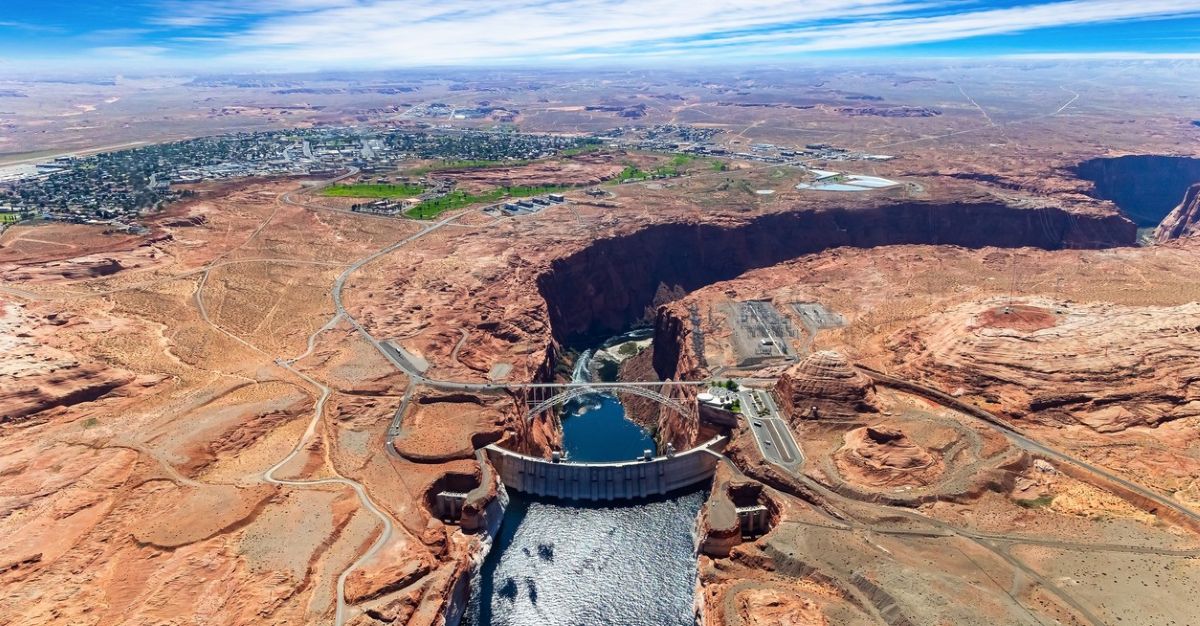
“In the struggling Colorado River basin, where water is scarce, the White House has signaled its priorities for how to use the remaining gallons. Even as scientifically-determined thresholds have been met for releasing water from Glen Canyon Dam for ecological and recreational benefits in Grand Canyon, the Trump administration has decided against those actions in this record-hot year – deciding not to release cold water from deep in Lake Powell to aid the humpback chub, a threatened fish species, and not to authorize a high-volume release of water to rebuild Grand Canyon’s eroded beaches, which are in terrible condition, according to federal monitoring. These environmental releases would not change the total volume of water flowing out of Lake Powell over the year, just the timing. Because the releases bypass the dam’s turbines and reduce hydropower generation, which is part of the administration’s “energy dominance” agenda, the Bureau of Reclamation, the federal agency that manages Glen Canyon Dam, will not be doing them. “After evaluating management alternatives and considering all authorized purposes, the decision was made based on significant hydropower generation concerns under already strained system conditions,” Reclamation said in a statement in August. … ” Read more from Circle of Blue.
2-year projections show Lake Mead giving up 40 feet while Lake Powell rises by the same
“Projections released Tuesday show Lake Mead dropping almost 31½ feet over the next 11 months, recovering 13 feet, and then plunging 22 feet by Aug. 2028. It’s a wild ride ahead for the nation’s largest reservoir, exposing shorelines that have been underwater since the 1930s. The projections are published in the U.S. Bureau of Reclamation’s 24-month study, a document that is updated each month. Reclamation has started producing two versions of the study — one based on Lake Powell releases of 6 million acre feet, and one based on 7 million. 8 News Now is using the projections based on 6 million acre feet. (An acre foot is 325,851 gallons, enough to supply two to three households for a year.) … ” Read more from KLAS.
Lake Powell water crisis sees emergency water releases continue
“Officials in the Upper Colorado River Basin have agreed that emergency releases from Flaming Gorge Reservoir should continue through April 2027 to support critically low water levels at Lake Powell, according to The Colorado Sun. The newspaper reported that the Bureau of Reclamation has released about 450,000 acre-feet from Flaming Gorge since April. Officials plan to release another 550,000 acre-feet by April, bringing the total to 1 million acre-feet, according to the outlet. According to the report, the releases were intended to keep its surface above 3,510 feet while Glen Canyon Dam continues sending between 6 million and 7 million acre-feet downstream annually. … ” Read more from Newsweek.
Arizona: Forest Service claims no authority over public land degradation caused by private wells
“A federal judge appears split on a bid to stop the expansion of a pit mine in eastern Arizona that has reduced the flow of a nearby creek by more than 90% in the last decade. The Pinto Valley Mine uses more than 5 trillion gallons of water per year, extracting copper from the Tonto National Forest east of Miami, Arizona, and consequently reducing subflow of Pinto Creek, home to at least two species of endangered birds. Because the mine extracts most of its water from privately owned wells on private land outside Forest Service jurisdiction, the government claims it has no authority to limit how much water the mine can pump. In a Phoenix courtroom Tuesday afternoon, Thomas Delehanty said the federal government can and should regulate activity on private land if the result of that activity materially harms conditions on nearby public land. … ” Read more from the Courthouse News Service.
Denver Water can finish and fill Gross Reservoir, US appeals court rules
“Denver Water can finish its Gross Dam expansion and fill the controversial reservoir in western Boulder County, the 10th U.S. Circuit Court of Appeals ruled Tuesday, lifting an injunction by a lower court judge and confirming the dam’s permits as sound. The appeals court said the U.S. Army Corps of Engineers had acted responsibly in issuing construction permits for the $600 million expansion, which is largely complete and will be filled using water rights Denver holds in the Colorado River basin on the western side of the Continental Divide. While a federal district judge in Denver had issued the injunction after declaring the Corps had failed to consider less-damaging alternatives, or the fact that climate change could rob Colorado of river water, the appeals court rejected that view. … ” Read more from the Colorado Sun.
SEE ALSO: Dam it: 10th Circuit lets Denver Water complete Gross Reservoir expansion, from the Courthouse News Service
In national water news today …
Americans are increasingly concerned about the environmental impact of AI, new poll finds
“On the way home from a recent trip, Eriech Tapia drove past a sea of dark industrial buildings lining an already jam-packed northern Virginia road: data centers. “It was interesting to see how many were going up,” said Tapia, a 30-year-old Republican from Arlington, Virginia, who works in higher education advocacy and policy. He said the data centers lend valuable computing power that can help keep the U.S. competitive with other nations, but he also worries about how much electricity they use. Like Tapia, Americans have grown more concerned about the environmental impacts of artificial intelligence over the last year, according to a new poll from The Associated Press-NORC Center for Public Affairs Research and the Energy Policy Institute at the University of Chicago. The survey data say about half, 53%, of Americans are “extremely” or “very” concerned about artificial intelligence’s environmental impacts. That is up from 41% last year. Democrats are driving much of the increase in environmental concern, but the poll also reveals broader worries about the local impact of data centers, which power AI and cloud computing. … ” Read more from the Associated Press.
Backed by data, a former USDA scientist makes the case for regenerative agriculture
“In June, agroecologist and South Dakota farmer Jonathan Lundgren had five minutes with President Donald Trump. “This is the answer that American farmers have been looking for,” he said, urging the president to sign an executive order advancing regenerative agriculture. Lundgren’s trip to the White House was an apparent success, as President Trump did then sign an executive order instructing federal agencies to expand research and support for regenerative agriculture. In a blog post, Lundgren recounted sharing “striking data” with Trump based on visits with 2,000 farms across the US over the last few years exploring the costs and benefits of an alternative to conventional industrial agriculture. After leaving a career as a US Department of Agriculture (USDA) scientist in 2016 when he became disillusioned with the agency’s scientific integrity, Lundgren has emerged as a prominent advocate for regenerative farming, which he now practices and studies on a farm in South Dakota. … ” Read more from The New Lede.
‘We’re near a breaking point:’ firefighters say US government is failing them amid intense wildfire season
“Firefighters battling enormous wildfires in the United States say the federal government is failing them at a time when supercharged blazes have made their jobs exponentially more dangerous. While the US continues to grapple with a critical shortage of federal firefighters – with especially large gaps in essential management positions – the Trump administration has increased pressure on firefighting forces to rapidly and aggressively contain the flames. Nine firefighters who spoke to the Guardian under the condition of anonymity because they are barred from disclosing the information, as well as several retired firefighters, described how spread-thin crews are being pushed to their limits amid an unrelenting and extreme year of fire. “Accidents have been through the roof,” one firefighter said, adding that widespread fatigue has set in after being on near-nonstop fire assignments since April. Another firefighter, who works as part of a specialized helicopter crew, said he’s had to opt out of assignments this year because they were too high-risk or ill-advised. … ” Read more from The Guardian.
Pushback mounts against Trump’s attacks on the Endangered Species Act
“A Trump administration rule eviscerating widespread habitat protections for endangered species just went into effect. First proposed in April, the rule rescinds the long-held definition for a single word—harm—under the Endangered Species Act, a landmark law enacted in 1973 to conserve the country’s imperiled animals and plants. This seemingly tiny tweak has profound consequences, clearing the way for relatively unchecked development on private land across the United States even if endangered and threatened species depend on it for survival. But Americans who condemn the rule—from conservationists to tribes to political leaders—are fighting back. Several legal challenges have been filed against the rescission of the harm definition, including a lawsuit filed last week by a coalition of 21 attorneys general. Pushback is coming from both sides of the aisle; at the end of August, a bipartisan contingent of former leaders of agencies once responsible for carrying out the Endangered Species Act sent a letter urging the administration to restore the longstanding definition of harm. “The Administration is arguing that you can protect endangered animals without protecting the places they need to survive,” read the letter, signed by seven past leaders at the U.S. Fish and Wildlife Service and National Oceanic and Atmospheric Administration. “Fifty years of science—and common sense—say otherwise.” … ” Read more from Inside Climate News.

