
Several news sources featured in the Daily Digest may limit the number of articles you can access without a subscription. However, gift articles and open-access links are provided when available. For more open access California water news articles, explore the main page at MavensNotebook.com.
In California water news this weekend …
California’s biggest reservoir in decades is facing a crucial moment. Will there be enough water?
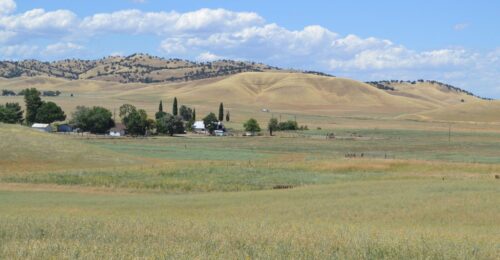
“A major reservoir planned in Northern California is facing a pivotal question: whether enough water will be available to move forward. On Thursday, state water regulators released a draft permit for the highly anticipated Sites Reservoir, outlining how much water the proposed $6 billion facility in rural Glenn and Colusa counties can draw from the Sacramento River and, importantly, when those draws can be made. The project’s backers, who include Gov. Gavin Newsom, criticized an earlier draft of the permit as overly restrictive, saying it offered as little as half the water needed and left the viability of what would be California’s eighth largest reservoir in question. Cities and farms across the state stand to benefit from the new water supply, including in the Bay Area’s South Bay and Tri-Valley, though opponents of the project say it will dangerously deplete the Sacramento River. … ” Read more from the San Francisco Chronicle.
State Water Board revises draft water right decision for proposed Sites Reservoir; The Sites Project Authority responds
“The State Water Resources Control Board today released for public comment a revised draft water right decision and draft permit for the proposed Sites Reservoir in Northern California that will balance the project’s water supply benefits with the protection of senior right holders, water quality and flows for fisheries. The proposed 1.5 million-acre-foot reservoir, which would be the largest built in California in more than 50 years, would increase the state’s supplies by diverting water from the Sacramento River when flows are relatively high and storing it for farms, cities and the environment. If approved by the State Water Board, the revised drafts allow the project to divert up to 986,000 acre-feet of water per year — enough to supply about 8.4 million people annually. … ” Read more from the State Water Board, and the response from the Sites Project Authority.
New rules for pumping water from Delta include restoration incentive
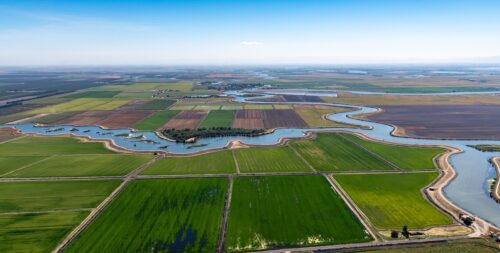
“After years of debate over how much freshwater should be allowed to flow to the sea through the Sacramento-San Joaquin Delta, the State Water Resources Control Board has released a final draft of its regulatory plan. The board is accepting public comments through Sept. 18 before it considers adopting the draft Water Quality Control Plan on Oct. 28. In the draft plan, water right holders can choose from two pathways to compliance. They can provide a minimum rate of water flow from Sacramento River tributaries, or they can voluntarily invest in habitat restoration projects with specific flow volumes in lieu of sustaining a minimum flow rate. Some stakeholders say that part of the plan hands regulatory authority over to the very groups the board is supposed to regulate. The Delta, where water flows from the Sierra Nevada through San Francisco Bay, provides water for nearly 30 million Californians and 4 million acres of farmland. It spans more than 1,000 square miles. Streams and tributaries flow around cities and farms into lakes and wetlands that sustain some of the state’s most threatened and endangered wildlife. Those watery landscapes also help replenish groundwater storage. … ” Read more from Local News Matters.
Fong, Valadao throw cold water on state plan to rework flows from Delta
“Two locally elected congressmen jumped Thursday into one of the Central Valley’s most contentious water issues, saying a proposal released by the state last month “moved the goalposts” set up four years ago in an agreement governing water flows south from the Sacramento-San Joaquin Delta. Reps. Vince Fong and David Valadao issued a news release accusing the State Water Resources Control Board of walking away from the agreement they said was based on science and struck in good faith. “Central Valley families are the ones who will pay the price for this bait and switch,” their joint statement read. A spokeswoman for the agency said the board had not seen Thursday afternoon’s statement and declined to comment. She noted the proposal at issue is undergoing public review and that the board expects to vote on it next month. … ” Read more from Bakersfield.com.
Butte County aims for DWR accountability regarding dam
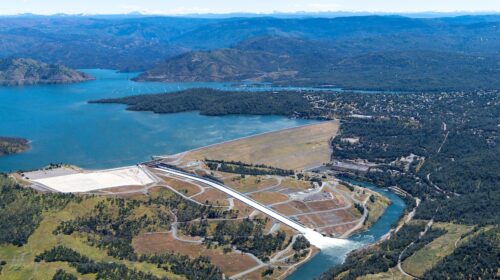
“In its latest efforts to hold the California Department of Water Resources accountable regarding Lake Oroville, Butte County representatives met with Federal Energy Regulatory Commission officials last month to discuss the Oroville Dam relicensing process. The county issued a statement Monday regarding both the process and the lack of benefits faced by local residents regarding the Lake Oroville reservoir. “Since Oroville Dam was completed in 1968, local taxpayers have absorbed the financial and public-safety burdens of hosting the State Water Project’s primary storage reservoir, from the devastating 2017 Spillway Failure and ongoing road and public-safety costs to the loss of approximately 41,000 acres from the County’s property tax base,” the statement said. “Meanwhile, the water captured and stored in our community has generated enormous economic value for the State and its water contractors hundreds of miles away.” … ” Read more from the Chico Enterprise-Record.
This “supersized” El Niño is only just beginning to wreak its havoc
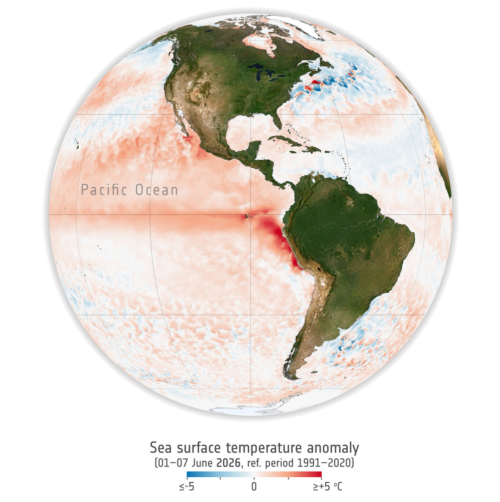 “The world’s leading weather organization is sounding the alarm about this year’s super El Niño, issuing its most certain forecast in the history of the organization. In an update issued early Thursday, the World Meteorological Organization predicted a “nearly 100% likelihood” that the El Niño will last through February. The strong language from the WMO—the UN’s weather and climate agency—underlies just how historic this El Niño is shaping up to be. “This is the first time that a WMO El Niño/La Niña Update has been so unequivocal,” the agency says, noting that certainty reflects “the strong agreement within WMO’s extensive network.” El Niño is a naturally occurring weather phenomenon defined by warmer-than-normal ocean temperatures in the eastern tropical Pacific, a pattern that disrupts weather patterns around the world. Scientists have been warning since the start of the year that a particularly strong El Niño was set to develop. The latest forecasts indicate it will be the strongest on record by a wide margin, and impacts are already being felt throughout the world—and they’re likely to intensify in the coming months. … ” Read more from Mother Jones.
As world braces for ‘super’ El Niño, research suggests global warming has increased its punch
“For decades, scientists have struggled to understand the potential link between global warming and El Niño — and whether human activity is making the already powerful climate phenomenon even more extreme and disruptive. Evidence of a connection has remained elusive however, as El Niño is notoriously variable, making it difficult to distinguish long-term changes from its natural ebb and flow. But now — as this year’s “super” El Niño gains strength — some researchers say they are getting closer to unraveling the mystery. A study published recently in the journal Science examines temperature data from more than 900 years of coral records from the Galápagos, and suggests that El Niños have become much stronger since people started warming the planet through fossil fuel emissions. “Prior to the Industrial era, we don’t see evidence for periods where the El Niño system is as strong as it is in the most recent decades,” said Julia Cole, a paleoclimatologist at the University of Michigan and the study’s lead author. The swings between warm and cold conditions that define El Niño “were much stronger in the last 40 to 50 years than they were prior to warming.” … ” Read more from the LA Times. | Read via Yahoo News.
Why sick sea lions are washing up on California beaches right now
“California sea lions are in trouble. A toxic algal bloom has caused a rash of poisonings, leaving the mammals confused, lethargic and, in some cases, dead along the California coast. Dozens of sea lions have been sickened by domoic acid poisoning, caused by a toxin in algae that can cause seizures and even heart failure. Signs of exposure in sea lions include lethargy, disorientation, tremors, twitching and seizures. The animals ingest the naturally occurring neurotoxin by eating fish or shellfish. The Marine Mammal Center in Sausalito said it has treated more than 100 sea lions — above the yearly average of 75 to 90 — with the majority of these cases occurring since the start of July. Officials with the center worry that already higher-than-normal sea surface temperatures and additional warming from the climate pattern El Niño could exponentially increase the number of infected mammals. … ” Read more from KQED.
SEE ALSO: Central Coast sea lions hit hard by Monterey Bay toxic algae bloom, from the Californian
‘Avoid the water’: California beaches to see hazardous conditions this weekend
“Distant hurricanes will send energetic waves toward the California coast Labor Day weekend, raising the risk of dangerous rip currents and sneaker waves. The National Weather Service issued a beach hazards statement from 6 a.m. Friday to 11 p.m. Monday for Pacific beaches in the Bay Area, warning of waves up to 10 feet with long periods between them. “These waves aren’t very intimidating if you’re on a boat in the open ocean, but the long period allows them to push much farther up the beach,” the weather service said. The holiday weekend is expected to draw crowds to local beaches and put more people at risk. “Avoid the water if you’re not an expert swimmer,” the weather service said. “If caught in a rip current, swim parallel to shore until you stop feeling the pull. Even on the beach, be prepared for sneaker waves this weekend and never turn your back on the ocean.” … ” Read more from the San Francisco Chronicle.
FACT CHECK: Is Sam Altman right that almonds use more water than ChatGPT queries?
 “As Gov. Gavin Newsom weighs whether to require data centers to disclose how much water they use, OpenAI CEO Sam Altman says concerns over AI’s water use don’t hold “up to any scrutiny.” On the Sources Podcast with Alex Heath released Tuesday, Altman said that it takes 38,000 ChatGPT queries to use as much water as producing a single almond in California. “If you look at a modern very large data center, it uses the equivalent amount of water as an office building in terms of, you know, people like running the sinks and the toilets and whatever,” Altman told Heath. The problem, experts say, is that it’s impossible to verify those numbers given what’s public about the secretive industry. “The information we have is so limited,” said Shaolei Ren, a professor of electrical and computer engineering at UC Riverside. … ” Read more from Cal Matters.
Unified Water Plan for the San Joaquin Valley released: Congressionally authorized report gives decision-makers a roadmap for Valley water investment
“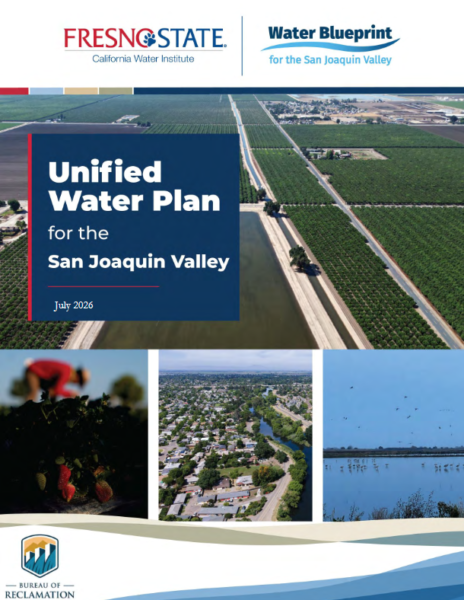 The Water Blueprint for the San Joaquin Valley and the California Water Institute at Fresno State today released the Unified Water Plan for the San Joaquin Valley, a congressionally authorized, federally funded report that gives local, state, and federal decision-makers a single roadmap for water investment across the eight-county region. The California Water Institute at Fresno State prepared the plan with the Water Blueprint for the San Joaquin Valley and Stantec, and its results will be reported to the Senate Committee on Energy and Natural Resources and the House Committee on Natural Resources. The plan integrates the adopted Groundwater Sustainability Plans of all sixteen Valley subbasins into one regional strategy covering Fresno, Kern, Kings, Madera, Merced, San Joaquin, Stanislaus, and Tulare counties. Congress directed the study in Public Law 111-11, the 2009 San Joaquin River Restoration Settlement, and the U.S. Bureau of Reclamation funded it. … ” Read more from the Water Blueprint for the San Joaquin Valley.
Regenerative label payoff remains murky
“Regenerative agriculture is all the rage. Within the past several years, multinational food retailers began touting regenerative sourcing commitments. In December, the U.S. Department of Agriculture launched a $700 million pilot program to support regenerative practices. And as of last year, in California at least, the buzzword has an official definition: an approach to farming or ranching that is “rooted in principles of soil health, biodiversity and ecosystem resiliency.” Proponents of the movement highlight its potential to improve farm viability and sequester carbon in healthy soils. While accusations of greenwashing have dogged regenerative claims, which are not federally regulated, a handful of third-party certifiers emerged during the past decade with the aim of building consumer trust and driving market growth. … ” Read more from Ag Alert.
LEGISLATURE
Funding for state drinking water program gutted, revamped, now waiting to be signed after harrowing ride through the Legislature
 “A proposal to fund a state drinking water program that has been a lifeline for communities in the San Joaquin Valley at $171 million passed by the Legislature Tuesday after a harrowing few days and now awaits Gov. Gavin Newsom’s signature. The proposal is supported by a broad coalition of organizations, some of which typically find themselves on opposite sides of most issues. But they came together to protect the Safe and Affordable Fund for Equity and Resilience (SAFER), which pays for emergency supplies when homes, and even whole towns, go dry and funds efforts to find long-term water solutions. Just a few months ago, SAFER was all but gutted, left with $68 million. That’s less than half of its previous annual funding of $130 million. Tom Collishaw, CEO of Visalia nonprofit Self-Help Enterprises, credited the coalition with helping turn SAFER’s fortunes. “It’s an incredible group of stakeholders that you do not normally see on a letter together and I’d like to believe this made a difference,” he said. Valley legislators, including Sen. Melissa Hurtado, deserved credit as well, he added. … ” Read more from SJV Water.
California expands State Water Project energy flexibility
“Governor Gavin Newsom has signed SB 952, legislation intended to give the California Department of Water Resources (DWR) more flexibility as it moves the State Water Project toward a 100% renewable and zero-carbon electricity portfolio. Newsom signed the measure from Sen. John Laird on August 31. The change does not relax California’s 2035 clean-power requirement for state agencies. Instead, it changes how DWR can assemble and manage the portfolio needed to reach it. … Another significant provision begins in 2036. If DWR procures more renewable or zero-carbon electricity than the State Water Project needs during a given year, that excess can be applied toward a future year’s obligation. The environmental and renewable attributes associated with that electricity must be retired rather than transferred or resold. For the State Water Project, that effectively creates a mechanism for managing year-to-year energy variability. … ” Read more from Energy & Environment Leader.
As California weighs wildfire insurance and utility reforms, small water system offers model to build resilience in community
“The California Water Association (CWA) today announced that the Lukins Brothers Water Company, which services Tahoe Valley, has earned official recognition from Firewise USA®, marking a significant milestone and example of community-led risk reduction as California considers new approaches to utility preparedness, insurance affordability and long-term wildfire resilience. Lukins Brothers Water Company’s new Firewise USA recognition now encompasses its service area. The achievement is especially significant because Lukins is a small, regulated water provider serving nearly 3,300 customers—demonstrating that systems of any size can bring neighbors and local partners together to reduce shared wildfire risk. The milestone comes as Governor Newsom and state lawmakers grappled with a wildfire package this week that included proposals related to utility liability, home hardening, insurance availability, and customer affordability. The statewide debate also places a renewed attention on how utilities prepare for wildfire and how investments made before a disaster can protect infrastructure, reduce future losses and help manage long-term costs. While statewide policies remain under discussion, Lukin’s recognition shows what can be accomplished now through local planning, education and community coordination. … ” Read more from the California Water Association.
Wildfire liability: California legislature clarifies the role of public water systems
“California water providers are one step closer to receiving important statutory protection against inverse condemnation claims arising from catastrophic wildfires. Senate Bill 1153 has passed both houses of the California Legislature and is headed to Governor Newsom. If signed, the legislation would provide important guidance regarding what public water systems can—and cannot—reasonably be expected to do during a wildfire. For those following California inverse condemnation law, the bill is particularly significant because it builds upon both prior legislation addressing fire hydrants and the California Supreme Court’s framework for inverse condemnation liability in City of Oroville v. Superior Court (2019) 7 Cal.5th 1091. Taken together, these developments reinforce an important principle: inverse condemnation liability should turn on the inherent risks associated with the actual design, construction, and intended operation of a public improvement—not on functions the improvement was never designed to perform. … ” Read more from JD Supra.
Would CEQA changes apply to data centers under Prop. 45? Experts remain unsure
“Professors and practitioners of environmental law expressed uncertainty whether Proposition 45, a ballot initiative that would change the rules governing certain building projects under the California Environmental Quality Act, applies to data centers. The measure reforms the environmental review process for a number of “essential projects,” such as water systems, clean energy, health facilities and transportation. However, opposition to Prop. 45 has grown from uncertainty regarding its application to data centers, which its language does not specifically mention. The proposition would impose a deadline of 365 business days on government agencies to approve or reject a project’s environmental impact report. It would also require that any legal challenges brought by project opponents be resolved within 270 days. … ” Read more from the Sacramento Bee.
In commentary this weekend …
Solano County Water Agency: Healthy Rivers and Landscapes builds on a proven approach
“For Solano County Water Agency (SCWA), supporting Healthy Rivers and Landscapes (HRL) comes from decades of firsthand experience managing water for farms, cities and the environment, and seeing what it takes to support healthy fish populations. In a new video, Alex Rabidoux and Max Stevenson of SCWA share lessons from Putah Creek, where the agency began releasing additional water for salmon 25 years ago. While those flows were important, salmon did not immediately return. It took another 14 years and $20 million in habitat restoration before salmon returned to the creek. Those efforts included improving fish passage, restoring spawning gravels, reconnecting floodplains to provide food for juvenile salmon, and creating better rearing habitat along the creek. … ” Read more from the Northern California Water Association.
How California can do data centers differently and win back community trust
Allison Agsten, director of the USC Annenberg Center for Climate Journalism and Communication, writes, “Americans finally found something to agree on: concern about the rapid proliferation of data centers. A recent Reuters/Ipsos poll found that only 1 in 3 Americans approves of the current pace of data center construction, and most would oppose a facility being built in their own community. That skepticism comes at a time when confidence in Big Tech is at an all-time low, according to Gallup. These concerns deserve attention, not because the data center boom can be stopped, but because it can’t. More than 800 data centers are under construction across the United States, with the largest technology companies collectively spending hundreds of billions of dollars each year to expand AI infrastructure. McKinsey & Company estimates that the cumulative global investment in data centers could reach nearly $7 trillion by 2030. … ” Read more from Cal Matters.
When AI and agriculture come together, California wins. Here’s how
Jason Giannelli is a fourth-generation Kern County farmer and a member of the Water Association of Kern County, writes, “Most people unfamiliar with California agriculture may not realize just how deeply technology and food production have become intertwined. That collaboration allows us to produce more food at a lower cost, delivering tangible benefits to every farming community across the state. From automatic spray rigs cutting chemical use by 99% to semi-automated platforms on wheels navigating orchards with smart cameras to collect data, the Central Valley agriculture industry is embedding artificial intelligence into its operations. Most people unfamiliar with California agriculture may not realize just how deeply technology and food production have become intertwined. That collaboration allows us to produce more food at a lower cost, delivering tangible benefits to every farming community across the state. From automatic spray rigs cutting chemical use by 99% to semi-automated platforms on wheels navigating orchards with smart cameras to collect data, the Central Valley agriculture industry is embedding artificial intelligence into its operations. … ” Read more from the Fresno Bee.
A super El Niño will take a toll on California’s coast. Building seawalls will make it worse
“A powerful El Niño is forming in the Pacific. The real threat to California’s beaches isn’t the waves — it’s the concrete we pour after they hit. Some forecasters are already calling the coming El Niño “Godzilla.” The National Oceanic and Atmospheric Administration’s Climate Prediction Center now puts the odds at greater than 90% that this will be a “very strong” event this fall and winter — and a 69% chance it exceeds the strength of every El Niño on record since 1950. The subsurface ocean heat that drives it is already measurable. We can see it coming. For California’s coast, where up to 75% of our beaches are at risk of disappearing by 2100, each El Niño presents another moment of reckoning. When warm water masses shift across the equatorial Pacific, the resulting atmospheric changes bring larger waves, elevated sea levels and powerful storms in rapid succession — each hitting a shoreline already battered by the last. Wave energy along California’s shore can run 50% above average. Sea levels climb half a foot to a full foot, pushing the ocean inland and flooding coastal homes, roads and infrastructure. … ” Read more from the San Francisco Chronicle.
In people news this weekend …
Promotions, passings, profiles – submit people news items to maven@mavensnotebook.com.
Karla Nemeth now leading Association of California Water Agencies
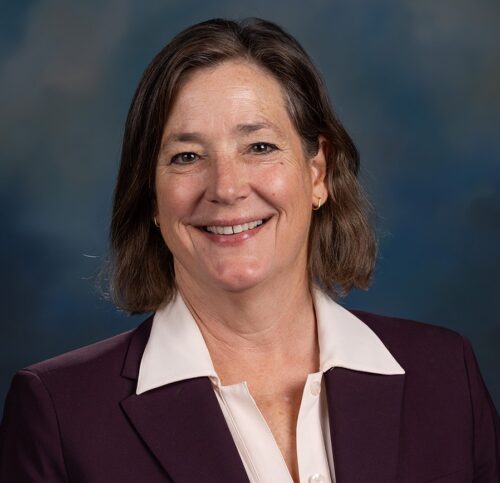 “Former California Department of Water Resources (DWR) Director Karla Nemeth today started her new role as Executive Director of the Association of California Water Agencies (ACWA), bringing more than two decades of water policy experience to the largest statewide coalition of public water agencies in the nation. As the top staff member, Nemeth oversees a team of more than 40 people based in Sacramento and Washington, D.C., and leads the association’s day-to-day operations on behalf of approximately 470 member agencies responsible for 90 percent of the water delivered to cities, farms and businesses across California. Nemeth’s immediate priorities include advancing ACWA’s strategic plan and its Vision for Our Water Future initiative, a member-driven effort to elevate water as a top policy priority for California’s next governor and state leaders. The initiative focuses on building a resilient and reliable water system, protecting affordability, investing in infrastructure and modernizing water management and permitting. … ” Read more from the Association of California Water Agencies.
Podcasts …
TAHOE TAP: Stephanie Hampton – UC Davis Tahoe Environmental Research Center
Lake Tahoe is one of the most studied lakes in the world, and understanding what’s happening beneath its famously clear surface is critical to protecting its future. On this episode of Tahoe TAP, hosts Mike Peron and Rob Galloway sit down with Stephanie Hampton, Director of the UC Davis Tahoe Environmental Research Center, and a professor of environmental science and policy, for a conversation about the science behind Lake Tahoe and the challenges facing freshwater ecosystems. A freshwater ecologist by training, Hampton has spent more than two decades studying lakes and the forces that shape their health and resilience. Her research has taken her from Lake Tahoe to Lake Baikal in Siberia, one of the world’s oldest and deepest freshwater lakes, giving her a global perspective on the factors that keep aquatic ecosystems healthy — and the growing pressures they face from climate change and human activity.
WATER IS A MANY SPLENDOR’ED THING: Time Well Spent
 The Yakama basin back in 1905 was home to water battles between people wanting to use the wealth of rivers and creeks available in the state of Washington. Today, groundwater has become the new battle ground. Are the creeks and rivers connected to underlying groundwater aquifers and if so, is there enough water to meet current demands? Water is a Many Splendor’ed Thing brings you another water relationship that has a personally significant impact to your life. Produced by Stephen Baker, Bringing People Together to Solve Water Problems, water@operationunite.co 530-205-6388
In regional water news this weekend …
NORTH COAST
‘Climate change impacts grow worse’: Humboldt researchers outline climate risks, resilience strategies
“A discussion of the North Coast Regional Report, released in October and part of California’s Fifth Climate Change Assessment, took place Thursday morning with researchers from Cal Poly Humboldt. The report covers Del Norte, Siskiyou, Humboldt, Trinity, Mendocino and Lake counties. Researchers described the region as one of the most geographically varied in the state, with low‑lying coastal plains, inland valleys and steep mountain ranges in the Klamath and Lassen areas. Cal Poly Humboldt faculty members Dr. Andrew Stubblefield and Dr. Rosemary Sherriff led the webinar. Stubblefield specializes in hydrology and watershed management; Sheriff’s background is in biogeography and forest ecology. “The community advisory board represented individuals from all of the counties, and their lived experiences contributed to the scope of the report, as well as the technical advisory board giving input all the way along, including reviewing final drafts,” said Sherriff. “We emphasize the need for collaborative approaches, and that traditional ecological knowledges or place-based knowledges built on observation, ceremony, and adaptive practices that not only enhance biodiversity but really have proven and shown climate resiliency.” … ” Read more from the Eureka Times-Standard.
State recommends ‘danger’ advisory at Lake Pillsbury as toxic algae warnings spread across Lake and Mendocino counties
“The State Water Resources Control Board has recommended a danger advisory, its highest warning for toxic algae, at Lake Pillsbury after sampling ahead of the Labor Day weekend found toxin levels above the state’s danger threshold, Lake County Health Services said in a notice. The reservoir sits behind PG&E’s Scott Dam on the upper Eel River and is the largest lake in the Mendocino National Forest. It has 31 miles of shoreline, according to the U.S. Forest Service. The county said State Water Board staff collected a water sample at Lake Pillsbury Resort on Aug. 24 as part of a pre-holiday assessment and found high concentrations of cyanobacteria, the microscopic bacteria also called blue-green algae, and 23.84 micrograms per liter of microcystins and nodularins, the toxins the bacteria produce. … ” Read more from the Mendocino Voice.
SIERRA NEVADA
Raft of resilience initiatives keeps Tahoe blue
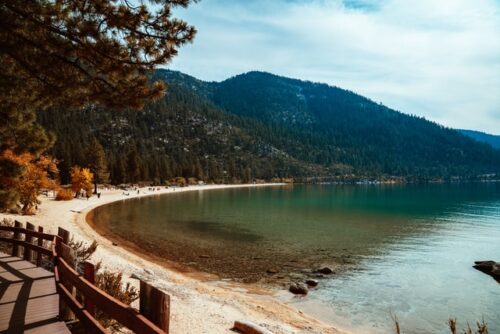 “It’s not a national park or a major city, but Lake Tahoe can feel like both: a place of breathtaking natural beauty but also crushing crowds. More than a million Northern Californians visit annually, including thousands of Bay Area families who have had cabins on the lake for generations. Many may be aware of ongoing pressures on the lake’s health from tourism, development, fire, and invasive species — pressures now amplified by climate change. Most visitors, however, are probably unaware of just how much critical conservation and restoration work is underway to protect this unique body of water and the watersheds and forests that surround it. While many regions lack the capacity to rise to the increasing environmental and climate challenges of the 21st century, Tahoe is ready. The region has had the necessary institutional infrastructure in place for decades in the form of Team Tahoe, the unofficial name for a collaborative of more than 80 different entities ranging from fire and water districts to federal agencies, cities, nonprofits, and local business interests. To meet today’s challenges, Team Tahoe has pursued both innovation, such as portable boat-cleaning stations and beach-cleaning robots, and tried-and-true tactics like forest thinning and meadow and wetlands restoration projects. Across those efforts, Tahoe serves as a model for lake regions nationwide. … ” Read more from Knee Deep Times.
What Lies Below Tahoe: A new exhibit takes visitors beneath the surface
“Look out over Lake Tahoe on a clear day and the water plays a trick on you. Lean over the side of a boat, and you can see straight down, past your own shadow, to boulders far below. In some places the lake drops 1,645 feet, and it is so clear it can feel like there’s nothing there at all. There is. A lot, actually. Below that surface is a world most visitors never see: forests that grew a thousand years ago and still stand underwater, creatures too small to spot with the naked eye, and plastic fibers from someone’s laundry. “We drive past this lake all the time, but we don’t realize how much is going on in it,” said Kylie Papson, communications and education outreach coordinator at the University of Nevada, Reno’s Tahoe Institute for Global Sustainability and curator of the exhibit. … ” Read more from Nevada Today.
Decision soon on land swap between South Lake Tahoe and California Tahoe Conservancy
“Since 1985, the California Tahoe Conservancy (CTC) has been working in the Lake Tahoe Basin to protect, restore, and enhance the recreational and environmental resources of the region. A key part of its function is to conduct land swaps and property exchanges with governments and public utilities to consolidate ownership, protect sensitive wetlands, and improve management efficiencies in the Lake Tahoe Basin. One of those land swaps is on the South Lake Tahoe City Council agenda for Tuesday, September 8. The meeting starts at 9 a.m. … ” Read more from South Tahoe Now.
The Sierra Nevada Conservancy Board awards nearly $1.5 million in new Proposition 68 recreation grants
“The Sierra Nevada Conservancy (SNC), a California state agency focused on improving the environmental, economic, and social well-being of the Sierra-Cascade, approved nearly $1.5 million from Proposition 68 for new projects that will boost sustainable recreation and tourism in the Sierra-Cascade. The Board also received an update on a $100,000 executive officer-authorized grant that will help communities and individuals affected by gray wolves that have migrated into California from neighboring states. “It is exciting to see our Board continue the momentum on our goal to build sustainable tourism in the Sierra-Cascade region by approving these investments that will definitely help boost recreation opportunities and increase outdoor access,” said Angela Avery, Executive Officer for the SNC. … ” Read more from the Sierra Nevada Conservancy.
Yuba Water completes in-water sediment removal below Colgate with minimal impacts to water quality
“Yuba Water Agency has completed in-water sediment removal below its New Colgate Powerhouse along the North Yuba River in Yuba County, marking a major milestone in the agency’s recovery efforts following the Feb. 13 rupture of its penstock pipe. “I can’t emphasize enough what an outstanding job the team did on this emergency sediment removal,” said Yuba Water Director of Power Systems Keane Sommers. “So much of our recovery has been uncharted territory, particularly the in-water work. We had to be really intentional. The team adaptively managed the project throughout, worked with our contractor to make adjustments when needed and went above and beyond to restore the original grade of the river with minimal impacts to water quality.” … ” Read more from the Yuba Water Agency.
Nevada Irrigation District forms Agricultural Water Efficiency Committee
“The Nevada Irrigation District (NID) has formed a new Agricultural Water Efficiency Stakeholder Committee to strengthen collaboration with local agricultural water users and agricultural efforts to use water more efficiently, through increased productivity or decreased water use. The committee includes seventeen participants representing farmers, ranchers, growers, agricultural organizations, and two NID Board members: Director Rich Johansen and Director Earl Stephens. Serving in an advisory role, the group will review agricultural water-efficiency opportunities to help farmers optimize water usage and provide recommendations to the Board. NID staff will assist in providing board updates and implement recommendations if adopted. … ” Read more from YubaNet.
Tuolumne County supervisors reject data center pause, pursue new rules
“While an outright pause on data-center development failed to get enough votes needed to pass at a public meeting Tuesday, the Tuolumne County Board of Supervisors unanimously agreed to begin developing regulations for the emerging industry amid concerns about potential impacts on water, electricity and other local resources. District 2 Supervisor Ryan Campbell had proposed a 45-day moratorium to give the county time to develop rules for large-scale data centers before any applications are submitted, following in the footsteps of both Calaveras County and the City of Angels Camp that have recently done the same. The moratorium didn’t appear to have support from a majority of the board during a lengthy discussion Tuesday, but Campbell ultimately agreed to a compromise that directed the county Community Development Department to develop a proposed ordinance that would specifically address data centers, including a definition of what would qualify. … ” Read more from the Union-Democrat.
SACRAMENTO VALLEY
Flood stages lowered at two Cosumnes River locations in Sacramento County
“With El Niño potentially bringing more wet weather to California this winter, local agencies are preparing for the possibility of flooding and damage, including keeping a close eye on rivers and streams. The National Weather Service Sacramento is lowering flood-stage thresholds along the Cosumnes River at two locations in Sacramento County, meaning flood warnings could be issued at lower river levels than in the past. The changes at Michigan Bar near Rancho Murieta and McConnell just southwest of Wilton take effect October 1st. At Michigan Bar, the minor flood stage will drop from 12 feet to 10 feet. Moderate flood stage will drop from 16 feet to 12 feet, and major flood stage will drop from 18 feet to 14 feet. … ” Read more from Channel 10.
Commentary: Planning for tomorrow’s water today
Dan York, General Manager, Sacramento Suburban Water District, writes, “Each summer, California’s water supply makes headlines. This year, El Niño is strengthening and federal forecasters say it could become very strong, raising questions about what the coming winter could bring. Reservoir levels fluctuate, drought concerns lead to calls for conservation, and communities wonder what the latest conditions mean for the season ahead. These conversations are important. But they can also obscure a bigger story: reliable water service isn’t built in a single wet year or solved after a single dry one. It’s the result of decisions made years — often decades — before customers ever turn on the tap. This kind of long-term planning matters more than ever. California’s Water Supply Strategy estimates that hotter, drier conditions could reduce the state’s water supply by as much as 10% by 2040. For water providers, adapting means looking beyond today’s conditions and preparing communities for an increasingly variable future. At Sacramento Suburban Water District (SSWD), our Urban Water Management Plan looks at projected demand, available supplies, and reliability through 2050. We evaluate how our water supplies would perform under a range of conditions — not to predict the future, but to identify vulnerabilities and give ourselves time to prepare. … ” Continue readng from Sacramento Suburban Water District.
Commentary: Paint Sacramento’s water tower as the giant tomato it was born to be
Opinion writer Tom Philp writes, “Engineers have long designed ellipsoidal water towers that look like giant tomatoes for sound structural reasons. The shape evenly distributes the weight of the water and requires less bracing than a flat tower. The towers stand on tall legs that look conspicuously like tomato vines, and their elevation provides the pressure that keeps water flowing from the taps below. As America has built these towers over many decades, the custom has been to paint them something that obscures their tomato identity. In most circumstances, this is totally fine. But not here in Sacramento. Throughout its 66-year history, the water tower on the Sacramento River near Freeport Boulevard, has been trapped in a pedestrian silver coat of paint. It ironically stands next to Interstate 5, the artery on which more tomatoes are transported than any other in California and perhaps the world. Even more unacceptable is how, for the last nine years, the tomato tower has been promoting a marketing slogan with these words emblazoned in black and green paint: “Welcome to Sacramento. America’s Farm-to-Fork Capital.” … ” Continue reading at the Sacramento Bee.
SAN JOAQUIN VALLEY
Former mining pit will become crucial reservoir
“An upstream project could help avoid a natural disaster in Woodlake by preventing properties from being flooded, like they were during winter storms in 2023. The Tulare Irrigation District (TID) is spearheading a new reservoir on the Seaborn property, about one mile southeast of the city of Woodlake. The reservoir would be built on the north side of the St. Johns River near McKay’s Point, where the Lower Kaweah River and St. Johns River diverge. The project has received a Watershed Planning Grant from the U.S. Department of Agriculture’s Natural Resources Conservation Service (USDA-NRCS). This funding will help the irrigation district study and plan the best way to reduce flood risks for communities downstream by diverting up to 150 cubic feet per second (cfs) of water into the reservoir during high-flow events. … ” Read more from the Foothills Sun-Gazette.
Kings County Farm Bureau supports Mid-Kings River Groundwater Sustainability Prop 218 assessment
“The Kings County Farm Bureau Board of Directors has voted to support the Mid-Kings River Groundwater Sustainability Agency’s proposed Proposition 218 assessment. The Mid-Kings River GSA is seeking landowner approval for an assessment of up to $26.84 per assessable acre for fiscal years 2027 through 2031. The assessment is structured as a not-to-exceed amount, with the GSA Board setting the actual assessment each year based on its adopted budget. The proposal would provide up to $2.5 million annually for GSA operations and implementation of the Sustainable Groundwater Management Act. “Without adequate funding for GSAs, the Tulare Lake Subbasin will never be released from probation by the SWRCB,” said Dusty Ference, Executive Director of Kings County Farm Bureau. … ” Read more from the Valley Voice.
SOUTHERN CALIFORNIA
Hurricane Marie set to lash Southern California with dangerous surf, coastal flooding possible
“A powerful ocean swell generated by Hurricane Marie is poised to hit Southern California, creating high surf, rip currents and potential flooding in coastal communities this weekend. The National Weather Service office in Los Angeles has issued a High Surf Advisory from 6 a.m. Saturday through 11 p.m. Tuesday for Los Angeles and Ventura counties, including Malibu and Catalina Island. Marie, which as of Thursday afternoon was a Category 1 storm with sustained winds of 90 mph, was churning in warm Pacific waters southwest of Baja California. Forecasts say it is tracking northwest and is not a threat to make landfall on the West Coast. Rain from its outer bands is possible this weekend, but the Weather Service is warning of coastal impacts, especially as hundreds of thousands of people head to Southern California beaches for the long holiday weekend. … ” Read more from KTLA.
Elusive young bird, rarely seen in California, pops out from the reeds for a short show
“A crowd stood single file Tuesday morning, cameras and binoculars in hand, poised to see a visitor with lanky legs, long toes, and a horrible sense of direction. The internet has been aflutter since a juvenile purple gallinule was spotted Aug. 13 at the Irvine Ranch Water District’s San Joaquin Marsh, settling in among the reedy waters of Pond C. Hundreds of bird enthusiasts have been flocking to Irvine in recent weeks, hoping to see the bird in its unusual habitat. “They are most reliably found year-round in southern Florida and along the Gulf Coast,” IRWD Natural Resources Manager Ian Swift said, adding that the species is rarely seen outside its southeastern and tropical habitats. This is the first time the bird, which prefers to be alone, has been spotted in Orange County, and only the eighth time in California, water district officials said. … ” Read more from the OC Register.
IMPERIAL/COACHELLA VALLEYS
Court deals setback to Salton Sea lithium project as restoration efforts take shape
“Plans for a major lithium and geothermal energy project at the Salton Sea have hit another legal setback. A state appeals court ruled that Imperial County did not provide enough evidence to demonstrate that the proposed lithium project would have an adequate water supply. It remains unclear whether Imperial County will appeal the decision. The ruling is the latest development surrounding efforts to establish a major lithium industry at the Salton Sea, where companies have been exploring the potential to extract lithium from geothermal brines while generating renewable energy. … ” Read more from NBC Palm Springs.
SAN DIEGO
Sandbags available as Hurricane Marie nears SoCal, bringing high surf and chance of coastal flooding Labor Day weekend
“As Hurricane Marie continues to impact southwest Mexico and Baja California, humidity, rain and large waves with a chance of coastal flooding is heading for Southern California Labor Day weekend. Coastal parking lots and roads could flood this weekend as large, breaking waves 6 to 10 feet and strong, dangerous rip and longshore currents are forecast to impact San Diego County coasts over Labor Day weekend, according to the National Weather Service (NWS). The National Weather Service has issued a Coastal Flood Advisory and High Surf Advisory that go into effect for San Diego County’s coastline at 6 a.m. Saturday and lasts through 11 p.m. Tuesday as Hurricane Marie churns in the Pacific Ocean. Areas like La Jolla can expect high tides 6 to 7 feet Saturday through Tuesday, NWS says. … ” Read more from Fox 5.
County advances plan for Tijuana River treatment facility
“The county is moving forward with plans to tackle the decades-long Tijuana River crisis after approving a study and conceptual engineering work for a potential treatment plant or water diversion system. Funding for the treatment plant or diversion system could include a sales tax increase, while the project itself carries an estimated price tag of up to $1 billion, Supervisor Terra Lawson-Remer said earlier this year. It would address transboundary sewage and toxic waste flowing from the river into the Pacific Ocean at Imperial Beach. Approved 4-1 on Tuesday, with Supervisor Joel Anderson in opposition, the county will allocate $1.8 million to fund the first of three phases. Phase 1 calls for an 18-month process where consultants will evaluate the project’s pathway, identify sites and land-rights requirements, map permits, cost estimates, outline financing options and engage stakeholders. County staff will then return to the board with the top options. … ” Read more from the North County Pipeline.
Along the Colorado River …
CAP board authorizes legal action against feds over Colorado River
“The Central Arizona Project’s board authorized its legal counsel to take legal action “if necessary” against a federal plan to cut Arizona’s share of Colorado River water dramatically in coming years. Board members went into a closed executive session before the Sept. 3 vote to discuss certain “occurrences” that could trigger a lawsuit or other legal filing, and did not specify them when voting unanimously for the authorization. Board member Alexandra Arboleda introduced the motion at the meeting and prefaced it with a statement that the United States Department of the Interior’s 10-year framework for dealing with water shortage “contemplates operations that are contrary to law and devastating to the water users of the Central Arizona Project.” … ” Read more from the Arizona Republic.
SEE ALSO: CAP board opens door to legal action over Colorado River water cuts, from the Arizona Republic
Why did the Grand Canyon flood?
“Last weekend, flash flooding in the Grand Canyon killed two, left one missing, and forced dozens to evacuate. On Monday, the National Park Service shared that approximately 40% of the Transcanyon Waterline—the national park’s only water pipeline—had been damaged or destroyed. Considering the ongoing discourse about the struggle to allocate the limited water supply of the Colorado River, the onslaught of water may have seemed not just tragic, but confusing. However, flooding isn’t all that uncommon in the Grand Canyon. “Flash floods are not a new thing for this canyon or for anywhere in the Grand Canyon region,” Laura Crossey, a hydrologist at the University of New Mexico, told Scientific American. … ” Read more from EOS.
Take all you want: Colorado rolls out more emergency orders to catch fish as drought dries up lakes
“Drought-stricken, fast-draining reservoirs are pushing fish salvage operations from the Eastern Plains into metro-area suburbs, with Westminster’s McKay Lake and some waters at Weld County’s Banner Lakes suspending limits on catching fish. The 2026 drought severity set off early alarms with a June 1 public fish salvage called for Nee Noshe Reservoir at Queens State Wildlife Area in Kiowa County near Lamar. Colorado Parks and Wildlife itself salvaged more than 1,000 trout from Antero Reservoir and moved them to other reservoirs on the upper South Platte River system, after Denver Water began draining Antero to reduce evaporation losses. The state effort followed an open public salvage called for Antero. Now the unprecedented lake drains are hitting more populated areas. Just after announcing licensed anglers could use all flies and lures, take unlimited fish and keep largemouth bass at suburban McKay Lake, Colorado Parks and Wildlife issued a similar fish salvage for ponds open to angling at Banner Lakes, near Keenesburg. … ” Read more from Water Education Colorado.
When the river moves but the rules don’t
“The warning reached ranchers in March. Water managers in Wyoming’s Little Snake River Valley had watched the winter develop and saw where the season was headed. The river would rise early. It would peak low. Irrigators needed time to prepare. Jonathon Bowler, a local watermaster and rancher, said managers waited until they had useful information rather than sound alarm based on a hunch. Then They began talking with landowners at community meetings. The local communication matters because water in the valley is communal. A canal may serve 30 to 50 irrigators. When the supply drops, each decision affects a long line of neighbors. The ranchers responded. They adjusted irrigation, haying and grazing plans. But not every clock in the valley belonged to them. Some grazing leases on state or federal land begin on fixed dates. Those dates reflect the season people knew when the agreements were written: when forage normally became ready and when cattle typically moved off irrigated ground. This year, the grass and water got ahead of the paperwork. … ” Read more from Your Wyoming Link.
In national water news this weekend …
Trump administration stalled a survey of PFAS in wastewater, former EPA officials say
“The Trump administration has stalled a study that would help regulators understand which industries dump harmful forever chemicals with their wastewater, according to two former agency officials who were involved in its development. A public notice shows the first of its kind survey of wastewater treatment plants was submitted to the White House for approval nearly two years ago during the Biden administration — a far longer wait than is typical. Many wastewater treatment plants receive PFAS-contaminated waste. A nationwide survey of hundreds of plants would help identify the source of that PFAS and could inform new regulations to limit their spread, according to Robert Wood, director of the engineering and analysis division in the EPA’s Office of Water before his retirement in 2024. “If we can determine the top one, the top two, the top three” industries that dump PFAS, said Wood, “then we start work on the detailed studies and the regulation to get after nationwide limits on PFAS for the predominant industrial dischargers.” … ” Read more from KTLA.
Trump administration moves to drop protections for more wetlands
“The Trump administration on Friday took another step toward stripping federal protections from millions of acres of wetlands, which help filter drinking water for many communities and provide critical habitat for birds, fish and other wildlife. The proposed rule from the Environmental Protection Agency and the U.S. Army Corps of Engineers would significantly narrow the definition of “waters of the United States,” or WOTUS, that are protected from harmful pollution under the Clean Water Act of 1972. The new version is more sweeping than an initial proposal released in November, which would have removed federal protections from fewer wetlands nationwide. The plan would deliver a victory to farmers, ranchers and rural landowners who have chaffed at the protections, calling them an infringement on their property rights. … ” Read more from the New York Times.
EPA moves to redefine “discharge of a pollutant”
“The EPA is proposing a change to the definition of “discharge of a pollutant” that would exempt moving boats and ships from pollution regulations. According to a document set to be published tomorrow (4 September) in the Federal Register, the EPA is seeking to exclude “vessels and other floating craft that add pollutants in the contiguous zone or the ocean… from National Pollutant Discharge Elimination System (NPDES) program requirements.” The document estimates the rule would result in $1.8 million in savings, but notes that drawbacks include possible effects on water quality and marine species, as well as the management of local seafood processing. … ” Read more from EOS.

