
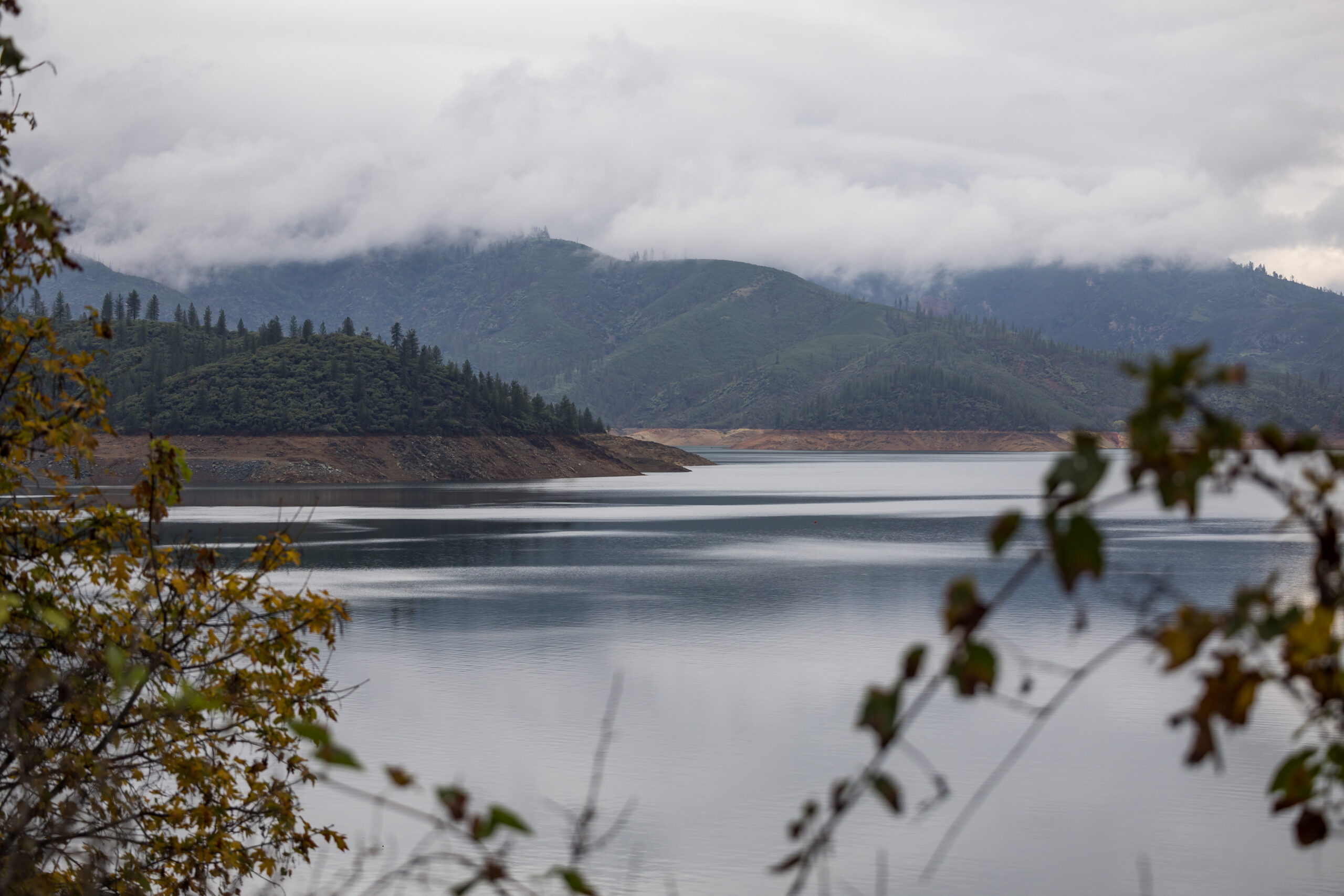
Conservation groups say the large water infrastructure projects in Northern California could harm vulnerable salmon, trout and sturgeon populations.
By Carly Nairn, Courthouse News Service
 A federal judge declined on Thursday to halt Northern California water infrastructure projects that a group of environmental nonprofits say will harm several vulnerable fish species.
Denying a temporary restraining order, U.S. District Judge Jennifer Thurston said neither the plaintiffs — the Center for Biological Diversity, the San Francisco Baykeeper and Friends of the River — nor the U.S. Bureau of Reclamation provided her an argument on how to interpret the terms of a Endangered Species Act biological opinion for the Central Valley Project.
“The bottom line is that the court cannot readily determine on this record whether plaintiffs’ interpretation of the [biological opinion’s] requirements is superior to or even competitive with Reclamation’s,” she wrote. “Thus, the court cannot find either likely success on the merits or a ‘serious question’ at this time.”
The denial is without prejudice, however, the Joe Biden appointee wrote, noting briefing for a preliminary injunction is ongoing, and more clarity may be provided.
The Central Valley Project and the California’s State Water Project include dams, reservoirs, water diversion facilities, conveyance channels, pumping facilities, and other water infrastructure that uses the flow of fresh water from upstream rivers, including the Sacramento and San Joaquin Rivers, into the Sacramento-San Joaquin Delta and the San Francisco Bay.
In their March lawsuit, the three environmental organizations say the projects threaten fish like the Chinook salmon, steelhead trout and Northern American green sturgeon.
They say the Bureau of Reclamation’s plans didn’t align with the requirements of a 2024 Endangered Species Act biological opinion provided by the National Marine Fisheries Service. The plans, the nonprofits said, affect water temperature and salinity, which can adversely affect fish at all life stages.
“It may be that Reclamation’s interpretation of the biological opinion requirements is ultimately in conflict with the overall goals of the biological opinion and that this conflict may inform the court’s evaluation of the parties’ positions,” Thurston wrote. “But this is not entirely clear, given that the proposed action, which the biological opinion ultimately approved, is designed to serve multiple purposes.”
The Central Valley Project is a large system that moves water from the delta to the Central Valley, mostly for agricultural use. In addition to changing water temperature, it also blocks access to fish breeding areas, the groups said.
The groups asked a federal judge to declare that the bureau has violated the Endangered Species Act and stop it from taking action that harms the endangered fish.
“We’re disappointed that the court failed to protect imperiled fish species from the Bureau’s unlawful operation of the Shasta Dam and reservoir,” Harrison Beck, a Center for Biological Diversity staff attorney, said in a statement to Courthouse News. “Today’s ruling allows the Bureau to continue operating the dam and reservoir in a manner that is likely to harm winter-run Chinook Salmon and other endangered and imperiled species in significant and avoidable ways. These iconic species deserve the protection they’re entitled to under the law, and we’re going to keep fighting to make sure they get it.”
The California State Water Resources Control Board — which reviews and approves plans considering state law requirements imposed on the projects — requested that the final plans include additional measures that “are more likely to result in favorable temperature management conditions for winter-run and fall-run Chinook salmon.”
However, in June, the board rejected the final plans because they didn’t meet carryover storage requirements that would improve conditions for the salmon.
The U.S. Bureau of Reclamation declined to comment, citing pending litigation.
Explore more coverage …
UC DAVIS: A secret to survival for California’s most endangered salmon
By Michael Milstein, UC Davis A secret to the survival of juvenile salmon as they form in their eggs is revealed by a new study from NOAA Fisheries and the University of California, Davis. Sacramento River winter-run Chinook salmon are California’s most endangered salmon, with a single surviving population and an average of a few thousand returning fish in recent decades. Shasta Dam blocks their original habitat in cold mountain rivers draining Mount Shasta, leaving them to spawn in the […]

NOAA FISHERIES: The 15-day window that may decide salmon survival
Chinook need cold water in first weeks for their eggs to survive. By NOAA Fisheries Traditional field research combined with new technology has revealed a secret to the survival of juvenile salmon as they form in their eggs, especially in low-water years when many do not survive, new research from NOAA Fisheries and the University of California, Davis shows. Sacramento River winter-run Chinook salmon are California’s most endangered salmon, with a single surviving population and an average of a few […]
COURTHOUSE NEWS: Judge says environmental groups fell short in bid to pause California water projects
The decision hinged on the interpretation of a 2024 Endangered Species Act biological opinion By Alan Riquelmy, Courthouse News Service A federal judge on Monday opted to impose no restrictions on operations for a massive California water conveyance system, determining environmental groups failed to meet their burden. U.S. District Judge Jennifer Thurston wrote that the Center for Biological Diversity and other plaintiffs must make a heightened showing before she will issue a preliminary injunction over the U.S. Bureau of Reclamation’s […]
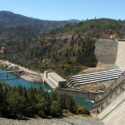
SHASTA DAM: State Water Contractors responds to Court’s denial of request for a temporary restraining order
State Water Contractors applaud decision, which reinforces science-based water management From the State Water Contractors: On Thursday, July 9, the U.S. District Court denied a request for a temporary restraining order that would have restricted the U.S. Bureau of Reclamation’s planned operations of Shasta Dam and reduced releases for the remainder of summer and early fall. The Court found the Bureau’s operational plans represented a reasonable interpretation of the 2024 Endangered Species Act biological opinion, clearing a path toward more […]
COURTHOUSE NEWS: Judge denies environmentalists pause on fed’s Shasta plan
Conservation groups say the large water infrastructure projects in Northern California could harm vulnerable salmon, trout and sturgeon populations. By Carly Nairn, Courthouse News Service A federal judge declined on Thursday to halt Northern California water infrastructure projects that a group of environmental nonprofits say will harm several vulnerable fish species. Denying a temporary restraining order, U.S. District Judge Jennifer Thurston said neither the plaintiffs — the Center for Biological Diversity, the San Francisco Baykeeper and Friends of the River […]
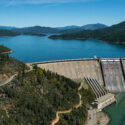
NOTEBOOK FEATURE: Reclamation’s Shasta plan poses salmon peril
By Alastair Bland In spite of a relatively wet winter, late rains, and high reservoir levels—conditions that generally benefit aquatic ecosystems—California’s ailing chinook salmon are facing unexpected peril in the main river system where they spawn. State officials and environmental groups have warned that an aggressive water delivery plan by federal reservoir managers has temperatures in Lake Shasta and the Sacramento River on track to kill vast numbers of salmon this fall. The bleak outlook comes as the U.S. Bureau […]
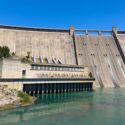
NGOs say Water Board must compel Reclamation’s compliance with water rights permits for Shasta Temperature Management Plan
San Francisco Baykeeper, the Winnemem Wintu Tribe, the California Sportfishing Protection Alliance, Restore the Delta, the Resource Renewal Institute, and Friends of the River sent a letter to the Executive Director of the State Water Resources Control Board supporting the decision to reject the Bureau of Reclamation’s Shasta Temperature Management Plan. However, they urged the Board to require Reclamation to comply with its permits, arguing that otherwise the Board’s response amounts to an objection in name only. The groups describe […]
Read more on Shasta temperature management.
