
Several news sources featured in the Daily Digest may limit the number of articles you can access without a subscription. However, gift articles and open-access links are provided when available. For more open access California water news articles, explore the main page at MavensNotebook.com.
On the calendar today …
- WORKSHOP: Mono Lake: California Gulls and Other Migratory Birds from 9am to 12pm. Registration link: bit.ly/ML2026WkShp2
- MEETING: Delta Stewardship Council beginning at 9:30am. Agenda items include updates from the Delta Protection Commission and the Delta Conservancy; informational update on Desalination in the Delta: Antioch Brackish Water Desalination Plant; and a Sherman Island Wetland Restoration Project Phase III Update. Click here for the complete agenda.
- WEBINAR: Managing California’s Water: Policy, Markets and Systems 10am to 12pm. This 2-hour seminar, presented by the California Chapter, ASFMRA, will consist of a moderated panel of experts providing practical knowledge on water in California. Specific topics include details of the physical infrastructure used to move water throughout the state, legal and regulatory requirements which must be met to move water from one location to another, and economic insights on the market valuation of agricultural water and land value. Register Online
- WEBINAR: Secretary Speaker Series: London Calling: Reporting live from London Climate Action Week from 12pm to 1pm. Join Secretary Wade Crowfoot live from London, where one of the world’s largest cities transforms into a hub of international action to combat climate change with 75,000 participants and over 750 events. California will step up on the world stage with international partners to advance solutions that reduce pollution and grow the economy while our federal administration is missing in action. Join us to hear from dynamic leaders, business innovators, scientists, and grassroots advocates coming together to build a safer, more prosperous future. Click here to register.
- WEBINAR: Santa Ana River’s Essential Role in Orange County’s Water Supply from 12pm to 1pm. Collecting water from a 2,650-square mile watershed – Southern California’s largest – the Santa Ana River (SAR), is a critical water source for the Orange County Groundwater Basin, which is managed by the Orange County Water District and provides a reliable, high-quality supply for 2.5 million residents. This webinar will examine the SAR’s role in regional water reliability and the coordinated efforts to manage and protect this resource. It will highlight historic floods and legal battles that were ultimately settled by the 1969 Santa Ana River Judgment. A creation of the Judgement is the SAR Watermaster, whose role and responsibilities will be discussed as part of the effective water management of river flows upstream of and within Orange County. Participants will also receive a high-level overview of the major facilities, basins, dams, and wetlands that support operations throughout the watershed. Click here to register.
In California water news today …
PPIC policy brief: The financial viability and broader benefits of SGMA-ready crops
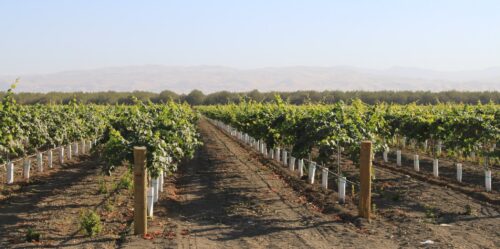 “California’s San Joaquin Valley, one of the most productive agricultural regions in the world, accounts for about 60 percent of the state’s farm economy and produces a large share of the nation’s fruits, nuts, and vegetables. The valley’s abundant sunshine and rich soils support a wide range of crops, but farming depends on irrigation water that has become increasingly unreliable. The Sustainable Groundwater Management Act (SGMA), enacted in 2014, requires overdrafted groundwater basins to reach long‑term balance by the early 2040s. Consequently, less land is likely to be irrigated across the valley, with 10 to 20 percent of farmland, or 500,000 to 900,000 acres, potentially coming out of production. But the scale, location, and consequences of land retirement for the valley’s economy and communities depend on how farmers adapt. Left unmanaged, these idle lands often generate weeds that spread to nearby planted fields and dust that poses health risks for rural communities. … ” Read more from the PPIC.
PPIC: SGMA-ready crops as a low-water alternative to fallowing
“Irrigated farmland in California’s San Joaquin Valley is expected to contract by as much as 900,000 acres—20 percent of irrigated agricultural land—as water managers implement the Sustainable Groundwater Management Act (SGMA). While many land repurposing options are costly, some lands may remain viable with crops that require substantially less water and little additional investment. Evidence from over five years of research suggests that winter grain crops, when managed according to best practices for water-limited conditions, can provide multiple benefits without compromising groundwater sustainability goals. These and similar “SGMA-ready” crops, along with other adaptation strategies, could help reduce widespread and uncoordinated fallowing. … ” Read more from the PPIC.
California farmers warn proposed nitrogen limits could force farms out of business
“California agriculture helps feed the nation, producing more than 400 commodities and leading the U.S. in nuts, grapes, citrus and berries. But many farmers across the Golden State say the pressure of farming there is reaching a breaking point. According to the Western Growers, California has lost roughly 30% of its farms over the past decade. At the same time, regulatory costs have surged from about $106 per acre 20 years ago to more than $1,600 per acre today. From water restrictions and rising labor costs to mounting environmental regulations, farmers say the challenges continue to grow. Now, a proposed nitrogen fertilizer bill could become one of the biggest battles California agriculture has faced yet. … ” Read more from Ag Web.
CA tribes press for guaranteed consultation on water rights
“A bill to guarantee consultation between California and tribes on water rights is getting a hearing before a state Senate committee June 23. Assembly Bill 2218, which passed the state Assembly unanimously, would require state agencies to give tribes a voice on water projects, plans and policies. Craig Tucker, principal at Suits and Signs Consulting, who advises the Karuk Tribe in Northern California, said the measure would help address past injustices. “The fact is that water was stolen and the laws were contrived to make that OK, and that’s what we’re trying to unpack here,” Tucker explained. … ” Read more from NBC Palm Springs.
Sites water wars
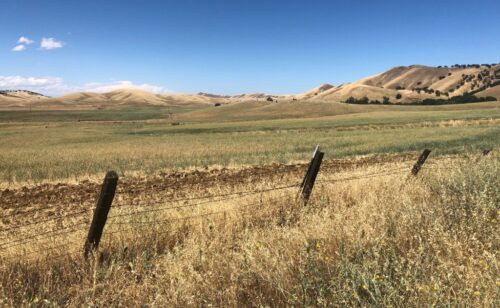 “Gov. Gavin Newsom is ramping up his efforts to get his pet water projects closer to the finish line before his term in office ends — and it’s rankling some environmental and fishing groups. Eric Buescher, the managing attorney at San Francisco Baykeeper, and Chris Shutes, the executive director of California Sportfishing Protection Alliance, tore in to Newsom and some of his top aides on Tuesday. The reason: letters they had sent to an independent judge appointed by the State Water Resources Control Board in the case deciding whether to grant the proposed Sites Reservoir a new water right to pull water from the Sacramento River. Sites Reservoir could store up to 1.5 million acre-feet of water, and would be California’s first new reservoir in decades. The project has the endorsement of both Newsom and Trump, and has been allotted more than $1 billion in state funds. But planned construction is already behind schedule as a debate about water rights drags on, with environmental groups saying pulling too much water from the river could harm endangered species. … ” Read more from Politico (scroll down).
Iranian-linked hacker group did not access CalWater operational systems, investigation finds
“A breach of California Water Service systems in Bakersfield, Visalia and Chico by an Iranian-linked hacking group that surfaced June 11 was limited to a one customer account and an external GPS website, according Cal Water spokeswoman Yvonne Kingman. She wrote in an email that CalWater immediately activated its cybersecurity response plan using Mandiant, a cybersecurity firm that specializes in these types of threats. “Mandiant did not identify evidence of threat actor activity in Cal Water’s internal information technology or operational technology environments,” Kingman wrote in an email. “The investigation determined that the threat actor accessed one active customer’s online Cal Water account using stolen user credentials.” The actual billing system wasn’t accessed and no payment information was compromised, she wrote. … ” Read more from SJV Water.
SEE ALSO: Iranian-linked hacker group did not breach California water systems, investigation finds, from KMPH
How a ‘super’ El Niño could disrupt renewable energy
“This year’s rare “super El Niño” could be the world’s next energy market shock, analysts say, threatening renewable energy production in some places as it drives extreme heat. The climate phenomenon arrives as the monthslong Iran war strains global oil markets — and prompts some world leaders, particularly in Europe and China, to consider an expansion of their renewable portfolios. Studies show that solar, wind and hydropower tend to take a hit in certain regions during El Niño years, as cloud cover, wind patterns and rainfall change. “We do have predictions,” said Roberta Boscolo, climate and energy lead at the World Meteorological Organization. “The predictions are rather solid.” The data comes from an annual report published by WMO, in partnership with the International Renewable Energy Agency. The first two reports analyzed trends in 2023 and 2024, when a strong El Niño event was in force for at least half of both years. … ” Read more from E&E News.
Trump officials green-light new oil and gas drilling in California. Map shows potential spots
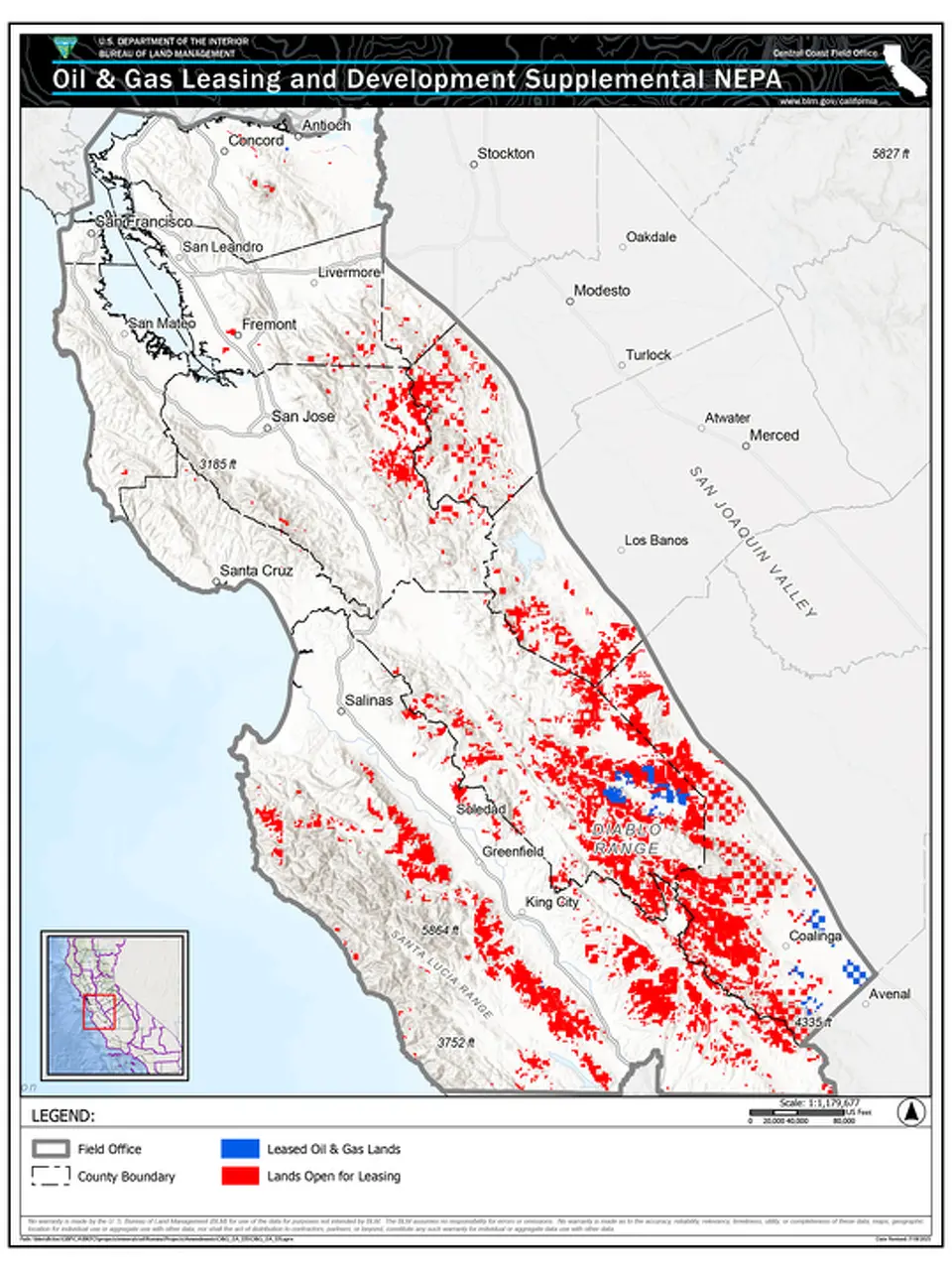 “The Trump administration announced Tuesday that it has met court-ordered requirements for expanding oil and gas drilling in California, clearing the way for more pumpjacks in Kern County, the state’s petroleum hub, as well as potentially other spots, including the Bay Area. The U.S. Bureau of Land Management has identified 684,000 acres of federal land and 959,000 acres of subsurface federal mineral estate where it could offer new leases to fossil fuel companies for extraction. The area, within the agency’s Bakersfield and Central Coast regions, is scattered across 18 counties, from Contra Costa County in the north to Ventura County in the south. It includes land at the edge of Sequoia and Kings Canyon National Parks, parcels not far from Yosemite, a plot in the coastal mountains of San Mateo County and several points in the western hills of Alameda, Santa Clara and Contra Costa counties. … ” Read more from the San Francisco Chronicle.
SEE ALSO: Feds clear path for oil and gas drilling in California, from News Nation
Study finds vanishing California dunes raise risk for storms, wildlife
“California has lost more than half of its coastal sand dunes over the last 165 years, a new study says. An estimated 60% of the state’s coastal sand dune systems that were present in the mid-1800s have disappeared due to urban development, land-use changes, and erosion, according to a study conducted by researchers at the University of California, Santa Barbara, and published in the journal Earth’s Future on June 22. “There are major implications of this loss for the California coast, including reduced habitats for plants, insects and other invertebrates, birds and small mammals,” the paper’s lead author, postdoctoral researcher and physical geographer, Tim Baxter, said in a statement from the university. “Importantly, we also lose coastal protections against storms and sea level rise.” … ” Read more from the Desert Sun. | Read via AOL News.
Tech billionaires hire Democratic dealmakers in renewed push to build a Bay Area city
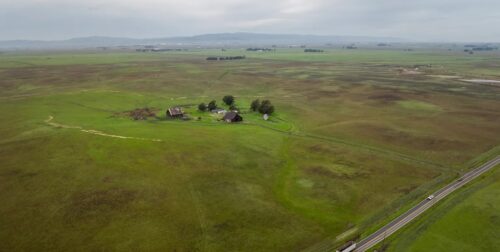
“California Forever, the tech billionaire-backed group that hopes to build a city from scratch on farmland in the outer San Francisco Bay Area, is lobbying state leaders to fast-track a massive shipbuilding deal that would kick-start its development after years of local opposition. The billionaires behind the project are seeking a deal to expedite environmental reviews of the development and, if necessary, bypass county restrictions on building by being absorbed into Suisun City boundaries. They’ve hired former Senate President Pro Tem Darrell Steinberg and former Senate Majority Leader Bob Hertzberg — Democratic architects of landmark environmental laws — to make their case, and are using the prospect of luring a major shipbuilder to California to accelerate the dealmaking. California Forever has pursued its project for nearly a decade, though the vision has shifted: At first pitched as a walkable city with cottages, bike lanes and even a water park, the plan then added a major shipbuilding operation and, last summer, a manufacturing hub. … ” Read more from Cal Matters.
California Forever wants a CEQA Exemption for their New City
“As you likely know, a group of Silicon Valley billionaires now known as California Forever secretly bought up about 100 square miles of Solano County and also sued the family farmers who wouldn’t sell to them. They say that want to build a new city on this unincorporated farmland currently zoned for agriculture. This proposal is big – 175,000 new houses and 400,000 people – it would be an Oakland/ Minneapolis/ Tulsa/ Bakersfield sized bedroom community and bigger than Cleveland, Cincinnati, Honolulu, Anaheim – it’s big. If it existed today it would be the ninth largest city in California and would be larger than the largest city in nineteen states – it’s big. And a giant city has giant environmental impacts. Last week it became clear that California Forever is using the influence that its money buys to try to gain special treatment from the California government – they are trying to have the Governor’s Office exempt the entire project from CEQA review. … ” Read more from the Sierra Club.
In commentary today …
The future of California’s water supply
Michelle Paul, Executive Director of the California Farm Water Coalition, writes, Gov. Gavin Newsom’s comments at the Association of California Water Agencies (ACWA) Conference in Sacramento provided some insight into his definition of success and the direction he believes the state should go. Let’s hope that whoever the state’s next governor will be was listening and taking to heart the unparalleled importance water is to every Californian. Newsom talked a lot about the projects that should provide new water supplies; the Delta Conveyance Project, Sites Reservoir and groundwater storage, all of which are important. What remains unclear is what the final cost for these new supplies will be. He was largely silent on agriculture, leaving farmers wondering where they fall in California’s future water supply plans. Like the overbearing regulations that have created the highest-cost gasoline in the nation, even prior to the Iran war, new water supplies must be affordable for farmers to be able to grow food here at home. … ” Continue reading from Capitol Weekly.
C-WIN: More special treatment for the powerful at the expense of ratepayers
By Max Gomberg, Senior Policy Analyst, California Water Impact Network, writes, “When a government agency demands special treatment to expedite “critical” projects, we should be skeptical. Invariably, the claimed need benefits a politically powerful industry that wants to avoid transparency and accountability. Currently, such “special treatment” arguments are being made to advance multiple harmful projects, from ICE concentration camps to AI data centers. In California, proponents of corporate agriculture and desert development are making the same special treatment claim for the expansion of the State Water Project (SWP). Most immediately, they are pushing Assembly Bill 2215, which would give the SWP a free pass for construction of the Delta Conveyance Project (DCP), a $60-$100 billion mega-tunnel that would drive water rates through the roof and further desecrate our environment. Californians and their elected representatives should reject this blatant power grab. … ” Read more from C-WIN.
In regional water news and commentary today …
NORTH COAST
Reach-out from an unnamed entity raises fears about possible data center in Mount Shasta region
“On Monday, a discussion at the Mount Shasta City Council meeting revealed that the city had received an inquiry from an entity about building an AI data center close to the city. Mount Shasta, a city about an hour north of Redding with a population of around 3,000, is known for its water. City Manager Todd Juhasz, who brought the matter up in the meeting, said that staff had received only limited details so far but the inquiry was about using the former Crystal Geyser bottling site, located near the intersection of North Mt. Shasta Boulevard and Ski Village Drive. Juhasz told Shasta Scout in an interview today that the inquiry was received by Kim Fowler, Mount Shasta’s Planning Director, last Friday. He declined to share information with the public about the name of the entity that had inquired. … ” Read more from the Shasta Scout.
‘Monumental’ deal will bring new hiking trail to California’s forbidden waterfall
“After decades of efforts to open public access to Mossbrae Falls, a spectacular water feature in California’s far north, the pieces appear to be in place for a legitimate trail to be installed. On Wednesday, Union Pacific signed a 75-year property lease agreement with the city of Dunsmuir (Siskiyou County) for the purpose of building a boardwalk trail within the railroad’s right-of-way to the secluded Mossbrae Falls. To date, visitors to the falls have routinely hiked miles along active tracks, which the railroad owns and operates. The deal requires a one-time $50,000 payment to the railroad. It’s the kind of arrangement that generations of locals have hoped for and that trail advocates have been attempting to negotiate for decades. City leaders say the deal marks a momentous occasion for Dunsmuir, an economically depressed town in Siskiyou County which bills itself as “California’s City of Waterfalls” yet hasn’t been able to welcome visitors to its most striking landmark. … ” Read more from the San Francisco Chronicle.
Great Redwood Trail deploys funds to Eel River Valley
“The Great Redwood Trail Agency announced the first deployment of a $50 million Proposition 4 Climate Bond allocation. $12.4 million will go toward developing eight trail segments of what will eventually be the 231-mile northern stretch of the Great Redwood Trail — a paved multi-use trail built on defunct rail lines — extending through Mendocino, Trinity and Humboldt counties. Many of those initial funds will be used to develop segments that extend south of Eureka to communities in the Eel River Valley. The initial allocation will be divided into three pots, with $1.5 million going to the Mendocino Land Trust’s work on the Willits-to-Longvale 12.7 mile trail segment, $922,000 going to the city of Fortuna for work on a 6.2-mile segment stretching from state Route 36 to Fernbridge and the remaining $10 million directly administered by the GRTA a “for trail planning, design and construction … guided by the Master Plan’s Tier 1 priorities.” … ” Read more from the Eureka Times-Standard.
SIERRA NEVADA
Tahoe may see snow this weekend as sudden cold front arrives
“Snow may fall on the highest peaks around the Tahoe Basin this weekend, as a strong cold front is forecast to sweep through the Sierra Nevada with sustained winds, plummeting temperatures and a chance of showers. Those with plans to recreate outdoors this weekend may want to think twice before heading out to the mountains to go camping, swimming or boating and should be prepared for changing weather conditions. The warm weather that Tahoe has experienced over the past week is forecast to continue through Thursday, with highs in the upper 70s and low 80s and gentle breezes in the afternoon. But this weekend, those temperatures will quickly drop, dipping into the upper 50s and mid-60s for the Tahoe Truckee region by Saturday, said Gigi Giralte, forecaster at the National Weather Service in Reno. … ” Read more from SF Gate.
SEE ALSO: ‘Major pattern change’ in Tahoe as freezing temperatures, wind and chance of snow flurries arrives, from the San Francisco Chronicle
Large amounts of pollen in Lake Tahoe stir up community concerns
“Lake Tahoe is known for being blue, but lately it has been yellow along the shores. Large amounts of pollen have discolored the water on both the north and south shores of the lake. A local allergy doctor says an increase in pine pollen is to blame. <dr. reece jones, md: “Pollens are really up right now, especially pine pollen,” says Dr. Reece Jones, MD. “That’s our big tree pollen at the lake at the moment.” Year over year, Dr. Jones says we’re still at about average pollen levels. But day to day, an invisible force is causing fluctuations. “The wind will really stir up those pollen levels, so on a day-to-day basis, it will fluctuate,” he says. “But year over year I would suspect we’re about average here.” … ” Read more from Channel 2.
Ecological forest thinning under way in American River Watershed
“American River Conservancy is excited to share progress being made on the South Fork of the American River Restoration project — a 1,943-acre ecological forest thinning project that spans four ARC-owned properties in El Dorado County: Salmon Falls Ranch, Lewis Ranch, Elliot Pond and Wakamatsu Farm. The SOFAR project is being funded and implemented in partnership with Cal Fire under the California Climate Investments Department of Forestry and Fire Protection Forest Health Program Grant. The SOFAR project focuses on improving forest health and resilience through ecological forest management practices designed to restore more natural forest conditions. Many forests throughout California have become increasingly dense due to decades of fire suppression and prior management decisions. Through carefully planned restoration activities, ARC and its contractors are helping create healthier forests that are better able to withstand wildfire, drought, insects and disease. … ” Read more from the Mountain Democrat.
Tuolumne Utilities District will break ground on Sierra Pines facility
“After nearly two decades in development, Tuolumne Utilities District will break ground Friday on a long-planned regional water treatment plant in Twain Harte that’s expected to become a centralized hub for the agency’s drinking-water supply system. The Sierra Pines Regional Water Treatment Facility, said to be one of the costliest projects in TUD history at more than $45 million, is designed to eventually replace several aging treatment plants. District officials say it will reduce long-term operating costs and improve the resilience of the water system that’s relied upon by roughly 44,000 Tuolumne County residents. … ” Read more from the Union Democrat.
SACRAMENTO VALLEY
Inspectors find no damage at Black Butte Dam after magnitude 5.6 earthquake
“Following an earthquake in Northern California this morning, the U.S. Army Corps of Engineers Sacramento District conducted a routine post-seismic inspection of Black Butte Dam in accordance with established dam safety procedures. The inspection found no issues or concerns, and the dam continues to operate safely and as designed. USACE evaluates seismic events and conducts post-seismic inspections when predetermined magnitude and proximity thresholds are met. Based on the location and magnitude of the earthquake, Black Butte Dam was the only Sacramento District dam requiring a post-seismic inspection. These inspections are a standard precaution used to verify that critical infrastructure continues to perform as intended following seismic activity. Black Butte Dam was designed and constructed to withstand seismic activity consistent with the region’s geological conditions, and inspections such as this help confirm the continued safe performance and integrity of the project. … ” Read more from the US Army Corps of Engineers.
BAY AREA
Livermore Council approves 2025 Water Management Plan
“The Livermore City Council voted at its Monday meeting to adopt the City’s 2025 Urban Water Management Plan and 2025 Water Shortage Contingency Plan. The urban water management plan, orUWMP, is a long-term plan that is updated and submitted to the state every five years. It addresses past, current and projected water demands, water conservation compliance, water resources reliability, recycled water planning, demand management measures, and seismic risk assessment. The 2025 UWMP shows that Livermore has a reliable water system and is taking proactive measures to effectively manage that system for the benefit of its customers, according to a June 22 staff report. … ” Read more from the Livermore Independent.
Zone 7 asks residents to reduce outdoor water use during planned maintenance period
“The Zone 7 Water Agency is joining other regional water retailers in asking Tri-Valley residents and businesses to temporarily reduce water usage outdoors from Saturday through Thursday. The agency said the six-day outdoor water conservation period would help preserve its water supply while the California Department of Water Resources (DWR) performs seasonal maintenance on State Water Project facilities, which supply approximately 70% of the water in the Tri-Valley. The work also includes critical infrastructure being serviced for repairs and maintenance. … ” Read more from Pleasanton Weekly.
CENTRAL COAST
It’s a critical year to pick a solution to save Monterey County’s aquifers. The questions are how, and who pays?
“If nothing is done, a portion of northern Monterey County could lose access to aquifers that underlie a significant chunk – call it 25 percent – of the county’s agricultural production, and supply drinking water to hundreds of thousands of residents, 50,000 of whom are disadvantaged. The sea wants to move inland, a fact that’s been known in the region for over 80 years as agricultural production increased. But over time, groundwater was pumped faster than could be replenished, exacerbating the inland march of salty water beneath Castroville toward Salinas. Eventually, the state said that something needed to be done about it. How to stop the ocean from spreading and further contaminating these freshwater aquifers – specifically, what’s known as the 180/400 Subbasin – has become one of the region’s defining environmental and political questions. Thanks to California’s Sustainable Groundwater Management Act, passed just over a decade ago, local water agencies need to decide on a plan to protect future water supply. In 2015, that countdown began. … ” Read more from Monterey Now.
Monterey One Water proposes increases to monthly rates to begin July 1.
“Costs are rising for Monterey One Water (M1W), a public utility that provides wastewater treatment for 285,000 residents in northern Monterey County, treating about 17 million gallons daily. Energy costs are going up, aging infrastructure needs improvements, and regulatory requirements related to equipment and operations are compounding. As a result, M1W is proposing a five-year increase in monthly service charges, with rates rising up to 8 percent annually in years two and three, and 9 percent in years four and five. The proposed increases would affect roughly 63,000 residential and commercial customers and are scheduled for a vote by the M1W board at 6pm on Monday, June 29. If approved, the new rates would take effect July 1. “We have about $1.5 billion worth of infrastructure out there… and about a $540 million capital expenditure plan over the next 10 years,” said Paul Sciuto, executive director of M1W, at a public information session on June 3. “That is much of what’s driving our entire budget.” … ” Read more from Monterey Now.
California State Lands Commission approves slant well lease application for Monterey Peninsula Water Supply Project
“Today, the California State Lands Commission (SLC) voted to approve California American Water’s application for the lease of state lands that comprise a part of its Monterey Peninsula desalination project. The SLC evaluated California American Water’s lease application for the construction and use of four new subsurface slant wells and the conversion and use of one existing subsurface slant well for the proposed desalination plant on the Monterey Peninsula. During the three-year application review process, SLC staff gathered extensive community input through environmental justice outreach, outreach to the Monterey community and through tribal consultation. “We thank the State Lands Commission for their thorough review of the facts and the approval of California American Water’s lease application,” said Sarah Leeper, President of California American Water. “This decision is integral to bringing reliable, drought-proof water to the Monterey peninsula to provide opportunities for sustainable growth while reducing dependence on the Carmel River.” … ” Read more from American Water.
SAN JOAQUIN VALLEY
Delta birders to get new viewing platform at Staten Island
“A global environmental nonprofit with property in the Sacramento-San Joaquin Delta plans to improve the visitor experience for people viewing Sandhill cranes and other migratory birds. The San Joaquin County Planning Commission unanimously approved plans last week for a 2,875-square-foot viewing platform at Conservation Farms & Ranches on Staten Island near Thornton. Eli Ferrier, a representative for The Nature Conservancy, said the platform will be named after Dawit Zeleke, a former employee and founder of Conservation Farms & Ranches. The Nature Conservancy, which purchased Staten Island in 2001, wants to create a safe, comfortable and accessible gathering space for visitors, Ferrier said. The platform also will help the organization manage where people can access the island for bird-watching activities. … ” Read more from the Lodi News-Sentinel.
A plan shaped by many voices: Stakeholder engagement in the Unified Water Plan
“Water planning is strongest when it is not developed in isolation. The Unified Water Plan was created with that principle in mind. While the initial chapter drafts were developed by technical experts, the plan was never intended to reflect the perspective of one organization, one group of people, one profession, or one water user type. It was designed to be strengthened through broad review, thoughtful feedback, and meaningful participation from across California’s water community. As each chapter was developed, it was shared with an extensive network. This outreach brought in comments from people and organizations representing a wide range of perspectives, including local and regional water agencies, irrigation districts, groundwater sustainability agencies, engineering and technical consultants, community members, state agencies, environmental and conservation advocates, legal professionals, agriculture representatives, academic experts, policy organizations, and collaborative water programs. …. ” Read more from the Water Blueprint for the San Joaquin Valley.
Dead fish, deteriorating lakes pit HOA against water council in upscale Chowchilla community
“Dead fish, shrinking lakes and a dispute over who controls a shared water system have divided the Greenhills Estates community in Chowchilla and sparked a legal battle that is now moving through Madera County Superior Court. The Greenhills Master Association (HOA) is suing the Water Resource Council (WRC), Pheasant Run Golf Club and its managing member, Martin Boone, Sierra Golf Management, The Lakes RV Park, The Villas Owners Association and several individuals tied to the council. The homeowners association alleges civil theft, fraud, breach of fiduciary duty and mismanagement of a shared water system that residents say has contributed to declining lakes and mass fish die-offs in the upscale, gated community. … ” Read more from KVPR.
SOUTHERN CALIFORNIA
Insurance pays off as Altadena water company rebuilds fire-damaged reservoir
“Nearly 18 months after the Eaton Fire swept through this foothill community, one Altadena water company that kept its systems running during the blaze is putting shovels in the ground to rebuild what the flames took. Rubio Cañon Land and Water Association, a nonprofit mutual water company that has served Altadena shareholders since 1886, plans to break ground Wednesday on a more than $2 million restoration of the Maiden Lane Reservoir at 2663 Maiden Lane. The reservoir was damaged in the January 2025 fire. The funding comes largely from insurance proceeds through JPRIMA, a statewide joint powers authority that Rubio Cañon said it helped establish, according to a press statement announcing the ceremony. … ” Read more from Pasadena Now.
The East LA oil spill was much worse than we thought
“Three companies were issued notices of violation from the South Coast Air Quality Management District last week for their roles in last month’s East L.A. oil spill, as county officials revealed new estimates showing the spill was far larger than initially reported. Approximately 25,000 gallons of crude oil were spilled during the May 22 drilling incident, according to L.A. County Public Works Director Mark Pestrella — nearly 10 times the 2,400 gallons originally reported by county agencies. A spokesperson from South Coast AQMD said the initial estimate was “based on visual observations made by first responders and reported to the California Office of Emergency Services.” But further assessment conducted by the pipeline operator revised the discharge volume. … ” Read more from the LAist.
New report says San Andreas Fault stress at 1,000-year high
“Stress on the San Andreas Fault System has reached a 1,000-year high, according to new research from the University of Hawaii. Higher stress on a fault means the pressure that causes earthquakes is building. But there’s no reason to be significantly more concerned than you were before hearing about the study, said Kate Scharer, a co-author of the study and a seismologist with the U.S. Geological Survey in Pasadena. While the stress has reached a milestone, the pressure was already high and the fault has been overdue for a large earthquake for some time, according to the study. It has been over 100 years since a major tectonic rupture has affected the greater Los Angeles area, which means stress on the tectonic plates has been building, according to the study. … ” Read more from the LA Daily News.
IMPERIAL/COACHELLA VALLEYS
Elevated chromium-6 detected in Coachella Valley drinking water exceeds strict new California limits
“Chromium-6, a chemical compound known to cause cancer, has been detected in localized valley drinking water supplies, triggering notification letters to regional consumers. While local water officials stress that the trace amounts discovered do not constitute an emergency or an immediate public health hazard, the recorded concentrations do breach California’s newly established, highly aggressive state water quality benchmarks. Residents across the Coachella Valley recently received informational letters alerting them that water testing conducted in May 2025 found levels of hexavalent chromium, commonly referred to as Chromium-6, above the state’s drinking water safety threshold. … ” Read more from NBC Palm Springs.
SEE ALSO: Chromium-6 in valley water raises questions, but officials say don’t panic, from NBC Palm Springs
SAN DIEGO
Tijuana River crisis sparks action on both sides of border
“The Tijuana River has been making news on both sides of the border. In the span of just two weeks, California announced tens of millions of dollars in new grants, San Diego researchers asked the public for help measuring the economic damage, Tijuana’s city government pushed its own federal authorities to act, and a little-known Ohio company found itself at the center of controversy for its unusual approach to cleaning one of America’s most polluted rivers. Here is what is happening, and why it matters. … ” Read more from Western Water.
Along the Colorado River …
‘This is terrifying’: The Colorado River, a lifeline for seven states, is drying up at its source
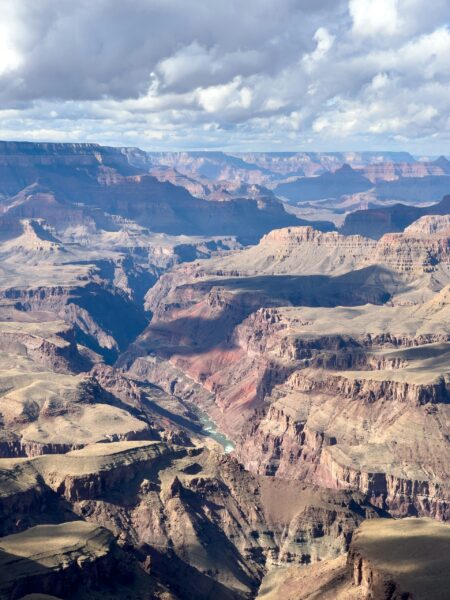 “High in the Rocky Mountains, spring-fed streams and ponds have vanished, leaving patches of cracked mud in what were once spongy meadows. This year has been so extremely warm and arid that the mountains have remained largely snowless. The water-generating source of the Colorado River, its headwaters, is drying up. “I grew up here and have never seen the creeks and the springs dried up like they have this year,” said Merrit Linke, a fourth-generation rancher and county commissioner. “There’s just not any water.” Linke drove his pickup through pastures searching for the few remaining water holes where he could lead cattle to drink. “No one has ever seen it like this,” he said, “not this dry, not this warm, not this low a snowpack.” … ” Read more from the LA Times.
Running Dry: An up-close look at the Colorado River
“ABC15 is taking a closer look at the Colorado River as part of our continuing Running Dry coverage. As Western states like Arizona wait for a new water-sharing agreement from the Department of the Interior, ABC15’s Nick Ciletti went on a boating trip along the Colorado River recently in Northern Arizona, departing from Lee’s Ferry up to the Glen Canyon Dam area. Nick was the only TV reporter to travel alongside the nonprofit group Trout Unlimited, which spearheads a number of conservation and restoration projects across Arizona and in other states. … ” Read more from Channel 15.
Water conservation in agriculture could have a significant impact with ongoing drought conditions
“Amid a widespread regional drought in the Mountain West, homeowners have been encouraged to save water. But experts say changes in how farmers and ranchers use water might make a bigger impact. Large portions of the Mountain West states are in “severe” drought, according to the federal government’s weekly Drought Monitor map, with pockets that are considered “extreme,” even “exceptional.”. Elizabeth Koebele at the University of Nevada in Reno says the agricultural industry uses the lion’s share of water. It could realize savings, she says, through strategies like better matching crops to climate conditions. “If we get 12 cuttings of alfalfa for x amount of water in Arizona, and we get 4 cuttings for x amount of water in Colorado, where are the right places to grow these crops and might there be some kind of broader transitions?” Koebele said. … ” Read more from KJZZ.
Western wildfire risk this week is the highest it’s been so far this year
“Large parts of the Western United States are expected to face their most critical wildfire risk so far this season over the next few days. Utah, where multiple fires were already burning on Wednesday and filling skies with smoke, was at the center of an area where forecasters were most concerned about the potential for large wildfires to expand. But the threat is widespread, extending into Arizona, Nevada, Idaho, Wyoming, Colorado and New Mexico, with fire watches and red flag warnings in place to alert people that fires could spark more easily than usual and spread more quickly once they start. … ” Read more from the New York Times.
Arizona: Oro Valley told to prep for 20% Colorado River water cut starting in 2027
‘Oro Valley is bracing for a potential cut to its Colorado River water supply, but the official in charge of keeping the town’s taps running says residents shouldn’t panic. Water Utility Director Peter Abraham said the town has been informally told to prepare for an approximately 20% reduction in its Central Arizona Project allocation — the canal system that delivers Colorado River water across the state — beginning in January 2027. “A 20% cut will not be seen from a water resource perspective by our customers,” Abraham said. … ” Read more from Channel 9.
Extreme heat, dust may be reshaping Phoenix monsoon storms, researchers say
“Arizona State University researchers and scientists from across the country are studying whether extreme heat, rapid urban growth, dust and other airborne particles are changing how monsoon storms form and where rain falls across metro Phoenix. The project, called DUSTIEAIM, Desert Urban System Integrated Atmospheric Monsoon, kicked off this month on ASU’s West Valley campus. It is funded by the U.S. Department of Energy. “This is an ambitious project in both scale and scope,” Vernon Morris, associate dean for knowledge enterprise and strategic outcomes in ASU’s New College of Interdisciplinary Arts and Sciences, said in the release. Researchers said the goal is to analyze how severe weather begins and intensifies over one of the hottest urban regions in the United States and to improve forecasting in the Valley. … ” Read more from Arizona Family.
SEE ALSO: ASU launches Phoenix weather study to unlock secrets of monsoon storms, from Arizona State University
Can the Grand Canyon remain a native fish haven?
“Few rivers work as hard as the 1,450-mile Colorado. Winding through seven states and Mexico, the river basin supplies water to 40 million people. It’s referred to as a resource, a lifeline, a marvel—and that’s before we break the surface. Within the same waters that carved the Grand Canyon, a unique and oddly beautiful assemblage of native fish has persisted against harsh odds. But with pressures mounting, from large-scale water management to climate change to invasive species, the future of that underwater biodiversity is in doubt. Today, for example, the native humpback chub is considered functionally extirpated along certain sections of the river and is listed as federally threatened wherever it is found. There has been cause for hope. To date, the 277 miles of the Colorado within Grand Canyon National Park has remained a bastion for native fish. Thanks to research, monitoring and invasive targeting, among other factors, the chub has surged from about 4,000 individuals in 2000 to perhaps more than 100,000 in 2025 in the western part of the park. … ” Read more from the National Wildlife Federation.
Cox says ‘there’s no end in sight’ to wildfire that could be Utah’s most destructive ever
“Utah Gov. Spencer Cox said Wednesday that winds and extraordinarily dry trees are fueling a wildfire in southwest Utah burning so hot and fast that “there’s no end in sight.” “There’s a very good chance that this is already the most destructive fire in the state’s history,” Cox said of the Cottonwood Fire burning 230 miles south of Salt Lake City. It ignited Monday in the Tushar Mountains and tore through roughly 70,000 acres within 48 hours, Cox said. Forests are burning throughout Utah this week in a furious start to the season. The destruction follows the state’s warmest winter on record and lowest-ever snowpack, with persistent drought in the summer forecast. Speaking to reporters in the nearby city of Beaver on Wednesday, Cox said crews have not been able to assess the extent of the damage, but cabin owners and operators of the Eagle Point ski resort are “all kind of expecting the worst, and that’s very likely to be the case.” He said there are hundreds of homes and condos on the mountain. … ” Read more from the Utah News Dispatch.
Want to predict wildfires? The key may be underneath Colorado, Western states
“Western wildfires start and spread because of a whole host of factors — wind, temperature, drought, forest health. But scientists are finding that the most important indicator of where the next big fire might ignite isn’t held in the trees themselves, but in the soil their roots are buried in. Recent studies demonstrate how soil moisture data can help wildfire experts predict a potential fire’s location and severity. Those studies could eventually aid in developing more precise forecasts for fires across the country. This link, between how moist the ground is under a forest or grassland and fire risk, is gaining more traction among scientists due to an increasingly expansive network of monitoring equipment. … ” Read more from the Colorado Sun.
In national water news today …
EPA floats changes to NEPA implementation rules

“EPA has proposed what it describes as “minor changes” to its procedures under the National Environmental Policy Act, the law that requires agencies to consider the environmental actions of projects and permits. Many of the proposal’s changes are meant to comply with laws passed in 2023 and 2025 amending NEPA amid complaints from Republicans and some Democrats that environmental reviews have been increasing the expense and time of new projects. The proposal also makes changes related to a Supreme Court ruling last year limiting NEPA’s impact, as well as executive orders from President Donald Trump targeting the consideration of environmental justice, the effort to alleviate pollution that takes a disproportionately heavy toll on communities of color and low-income and rural areas. … ” Read more from E&E News.
Trump administration moves to preserve cells and DNA of imperiled species
“The Trump administration and a company that is promising to bring long-gone animals back from extinction announced a partnership on Thursday to preserve cells, tissue and DNA from threatened and endangered species. The company, Colossal Biosciences, said its goal was to store samples from every animal and plant protected under the Endangered Species Act, which includes more than 2,300 listings worldwide. As more species face the risk of extinction, scientists see such biobanks as a critical backup. But concerns are also growing that the rise of genetic engineering and de-extinction efforts will erode support for on-the-ground conservation, which often requires protecting habitat from drilling, mining and other development. … ” Read more from the New York Times.

