
Several news sources featured in the Daily Digest may limit the number of articles you can access without a subscription. However, gift articles and open-access links are provided when available. For more open access California water news articles, explore the main page at MavensNotebook.com.
On the calendar today …
- WEBINAR: California’s Marine Invasive Species Program: 25+ years of comprehensive pathway management from 12pm to 1pm. California’s Marine Invasive Species Program (MISP) was initiated in 2000 and was tasked by the California Legislature with developing, implementing, and enforcing regulations for commercial ships that operate in California to reduce the likelihood of successful nonindigenous species introductions. Over the ensuing 25+ years, the MISP has become a global leader on the development and implementation of science-based regulatory requirements for managing ships’ ballast water and biofouling. MISP staff have inspected nearly 50,000 of the approximately 240,000 vessel arrivals that have arrived at California ports since 2000, ensuring effective management of over 230 million metric tons of ballast water discharged into state waters. The activities of the MISP over these 25+ years have coincided with a three-fold reduction in the detection rate of new aquatic nonindigenous species likely attributable to commercial ships, highlighting the positive impact of MISP actions during this 25+ year span. Click here to register.
- MEETING: California Advisory Committee on Salmon and Steelhead Trout from 1pm to 4:30pm. Agenda items include a presentation on Shasta and Scott River Protecting Salmon Projects; An Overview of the CA Monitoring Program (CMP) Population Data; and An Overview of the CDFW Parentage Based Tagging (PBT) Program. Click here for the full agenda and remote access instructions.
- IN-PERSON: Fish Water People Film Festival: Flow State | Pasadena Screening from 6pm to 9:30pm. Join us in Pasadena for the second annual Fish Water People Film Festival, hosted by California Trout – an evening of storytelling, connection, and celebration of the lands and waters that shape us and our state! Click here for tickets.
In California water news today …
El Niño is here, and it’s developing earlier and faster than many typically do
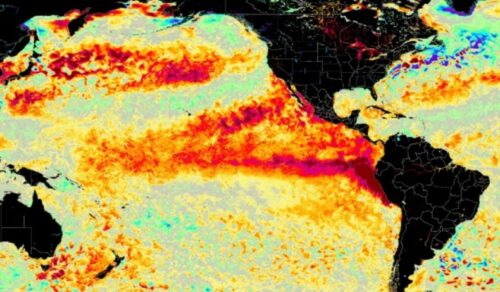 “El Niño has developed in the Pacific Ocean, a climate pattern that can reshape weather around the globe into 2027. The last El Niño was in 2023-24, and forecasters say this one is developing earlier than many typically do. “The sea surface temperatures are quickly changing in the equatorial Pacific,” AccuWeather Long-Range Expert Paul Pastelok explained. By early June, the water in this region had risen by at least 0.9 of a degree F, reaching a threshold associated with El Niño conditions. “Most El Niños begin in the fall, so this is developing much earlier and faster than expected,” AccuWeather Senior Meteorologist Chad Merrill said. “The weather patterns here early in the summer are also lining up to what is expected with an El Niño.” AccuWeather experts say there is a 40% chance it evolves into a “super El Nino.” To reach that level, water near the equator in the eastern Pacific would need to climb to at least 3.6 degrees F above the long-term average. The stronger El Niño becomes, the greater its potential influence on weather patterns around the world. … ” Read more from AccuWeather.
Calif. experts update rainfall expectations as El Niño intensifies
“After months of anticipation, the National Weather Service’s Climate Prediction Center declared on Thursday that El Niño conditions have developed. The latest data shows a 63% chance that El Niño, the seasonal climate pattern that generally brings a wet winter to California along with a cascade of global weather impacts, will become “very strong” from November 2026 through January 2027. California experts are closely monitoring the potency of this El Niño, which some models show as on par with the previous seven very strong events since 1950 and others forecast will make history by the end of the year. “El Niño kept brewing, and now the telltale signs have become strong signals,” Alexander Gershunov, a research meteorologist at the Scripps Institution of Oceanography at UC San Diego, told SFGATE. “All the models basically came into agreement to predict El Niño, and most of them are predicting a very strong El Niño.” … ” Read more from SF Gate.
SEE ALSO:
- El Nino forms, expected to strengthen, say NOAA forecasters, from NOAA
- El Nino is here and scientists fear it’ll be big, bad and costly with heat, floods, droughts, fires, from the Associated Press
State Water Board rejects Reclamation’s Final Shasta Temperature Management Plan, seeks stronger salmon protections
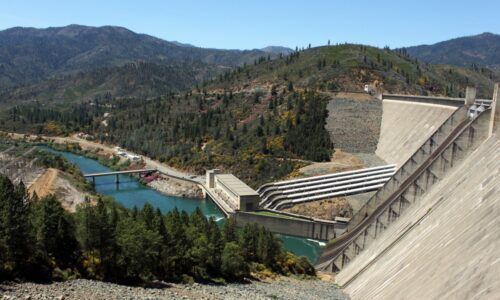 “The State Water Resources Control Board received the Bureau of Reclamation’s final Sacramento River Temperature Management Plan (TMP) on June 1, 2026. Although the State Water Board recognizes the difficult hydrologic conditions and uncertainty surrounding temperature management, it has rejected the plan as currently written. State Water Board Order 90-5 requires Reclamation to manage Sacramento River temperatures to protect fish species, including winter-run and fall-run Chinook salmon. In its May 15, 2026 comment letter, State Water Board staff asked Reclamation to strengthen the final TMP to better protect winter-run and fall-run Chinook salmon. Staff said this could include retaining more water in storage at the end of September to improve river temperatures this year and reduce risk next year. However, the final TMP remains largely unchanged from the draft and does not reflect Board staff’s understanding of how Reclamation would operate under the 2024 Shasta Operations Framework for long-term CVP and SWP operations. That framework was intended to support more predictable operations and avoid very low reservoir storage, temperature problems, and water supply impacts. The California Department of Fish and Wildlife raised similar concerns in its May 27, 2026 comment letter on the draft TMP. “Given these circumstances, I cannot approve the final TMP as currently written,” writes Eric Oppenheimer, Executive Director, State Water Resources Control Board. … ” Continue reading at Maven’s Notebook.
Some Tulare County farmers pumping like it’s the “wild west” with no oversight
“Some farmers in southern Tulare County – where excessive groundwater pumping has already caused hundreds of millions in damage to the Friant-Kern Canal – are back to pumping like crazy while there’s a gap in oversight. It hasn’t gone unnoticed. “They have got to be serious about stopping the pumping,” said Jeevan Muhar, general manager of Arvin-Edison Water Storage District Groundwater Sustainability Agency. “It needs to stop for the canal to function as it is supposed to.” The “they” Muhar referred to is the Tule East Groundwater Sustainability Agency (GSA), which took over a large chunk of the Tule subbasin after its predecessor, Eastern Tule GSA, folded. But there’s not much that can be done right now as Tule East is still in its formation stages. … ” Read more from SJV Water.
California is adapting to a drier climate by making conservation a way of life
“With nearly 40 million residents, farms that produce half of all U.S. produce and an increasingly volatile climate, California’s prosperity as the world’s fourth largest economy is directly linked to its ability to stretch its water supplies. Rarely do you have to go back too far to find drought in California. Over the last 15 years alone, Californians have lived through some of the hottest and driest stretches on record, including two statewide emergency drought declarations (2012–16, 2021–22). And right now, drought conditions that have persisted for more than 20 years are worsening in the Colorado River Basin, threatening the source of approximately 25% of Southern California’s drinking water supply. Droughts can deplete drinking water supplies, cause crop failures, harm aquatic ecosystems, limit hydroelectric power generation, and increase wildfire activity. They also come with severe economic repercussions: In 2022, drought conditions caused an estimated loss of $1.7 billion in revenue for California’s agricultural industry. … ” Read more from the State Water Board’s Ebb and Flow.
Driven by climate change, sudden swings between wet and dry create “hydrologic whiplash”
“On Christmas Day 2022, most of California was in serious drought. Reservoirs were critically low, and crops failed as water bills rose. But when it finally started raining on December 26, the region quickly faced the opposite problem. Atmospheric rivers rolled in and delivered a deluge. These streams of water vapor ride the wind and dump rain and snow when they bump up against the mountains. Over just three weeks, nine strong atmospheric rivers flowed into the coast—essentially an entire season’s worth—causing flooding and other damage that led to 22 fatalities and an estimated $5 billion to $7 billion in economic losses. “That’s an iconic example of going from super dry to super wet in a short period,” says meteorologist Marty Ralph at the University of California, San Diego (UCSD), who has studied the incident. … ” Read more from PNAS.
What is an atmospheric river? A river in the sky?
“This past week, atmospheric rivers slammed the West Coast, causing record rainfall and dangerous flooding. What are these rivers in the sky? Learn about this crazy weather phenomenon.An atmospheric river (AR) is a band of tropical water vapor caught on the edge of a cold front and carried toward the poles. These 250 to 350-mile-wide bands carry as much as 300,000 tons of water, 7 to 15 times as much as the mouth of the Mississippi River! Most atmospheric rivers do not cause damage; most are weak systems that often provide beneficial rain or snow that is crucial to the water supply, from 30 to 50% of precipitation along the West Coast, according to NOAA. If you live on the West Coast, some folks, especially farmers, are pleased that these giant atmospheric rivers bring rain to a parched state. So much of the food for Americans (and the world) is grown in California. … ” Continue reading from the Old Farmers Almanac.
Climate change makes once-rare coastal floods more likely, study says
“Extreme floods that once swamped coastal communities only rarely are becoming far more common as climate change caused by humans pushes sea levels higher, according to new research published Wednesday. Experts say the findings are crucial for making plans about floods and coastal infrastructure as the planet warms. These big coastal floods happen when high tides and storm surges — the amount above normal tide level — combine with seas that are already rising. Those pile on top of natural climate patterns and other human influence. Climate change has strengthened storms like Hurricane Ian, which caused significant flooding in 2022, scientists say. Flooding threatens hundreds of millions of people each year in low-lying coastal areas across the globe. It also causes billions of dollars in damage and can be deadly. Floods that historically had a 1% chance of striking a coastline in a year are now about 12 times more likely, on average, according to a new study published in the journal Nature Climate Change on Wednesday. Those events have become about four times more likely due to human-driven climate change, the research shows. … ” Read more from the Associated Press.
Trump administration to probe California’s powerful coastal watchdog
“The Trump administration is planning a review of the powerful California Coastal Commission and other state regulatory agencies that deal with the state’s shoreline, saying they’re likely out of compliance with the nation’s coastal management laws — an assertion critics say is merely a pretense to weaken their authority. U.S. Commerce Secretary Howard Lutnick directed the review in a recent letter to the National Oceanic and Atmospheric Administration. He alleged that California regulators were making decisions about development and other activities without giving due consideration to military plans and possibly many other federal interests, including offshore oil and gas drilling. By initiating an assessment of California’s federally approved coastal management program, and the agencies that execute it, the administration is opening the door to changing how much say the state has over federal and federally licensed projects — from dredging harbors to developing wind farms in the ocean to building undersea pipelines. … ” Read more from the San Francisco Chronicle. | Read via MSN News.
Newsom and Trump just agreed on something: Building the Delta tunnel. Fishing groups are furious.
“Governor Newsom and President Trump do not agree on much. They agree on this: building the Delta Tunnel. Newsom applauded the Trump administration this week after the U.S. Fish and Wildlife Service and National Marine Fisheries Service issued biological opinions greenlighting construction of the Delta Conveyance Project, a massive tunnel that would divert Sacramento River water beneath the Sacramento-San Joaquin Delta to Central Valley and Southern California water contractors. The Governor called the project vital for climate resilience and urged construction to begin. The federal permits mark the completion of the Endangered Species Act review for the project’s construction phase. The reaction from fishing groups, tribes and Delta communities was immediate and sharp. … ” Read more from Active NorCal.
Managing and preventing invasive species in tomorrow’s Delta
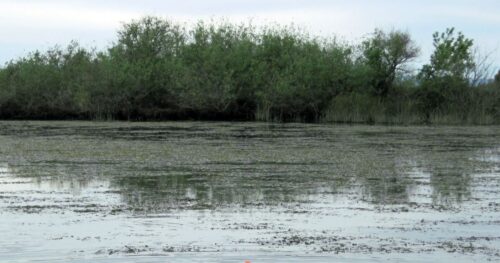
“California depends on the health of the Sacramento-San Joaquin Delta’s ecosystem. It supports native fish, provides recreation, and helps move water across the state. Yet, that ecosystem is being reshaped. The San Francisco Bay Delta is one of the most invaded estuaries in the world, with nearly 200 non-native species already here and new ones arriving. This includes the destructive golden mussel, which has been spreading rapidly since its detection in the Delta in 2024. They clog pipelines, damage other water infrastructure, and may compete with fish for food. No single agency can solve the invasive species problem alone; success depends on coordination among state, federal, local partners, and communities. For example, the Golden Mussel Task Force includes agencies as well as academic and non-governmental partners working together to address this newest threat. … ” Read more from the Delta Stewardship Council.
California’s $20 million solar canal experiment just proved the future of clean energy and water conservation
“What if the solution to two of the most pressing crises of our time was hiding in plain sight, right above the water we’ve been struggling to protect? That’s exactly what California discovered through a groundbreaking pilot program that transformed ordinary irrigation canals into dual-purpose powerhouses for both clean energy and water Conservation. The results are turning heads far beyond state lines, and for good reason. As climate pressures mount globally, nations are racing to expand renewable capacity while simultaneously watching their freshwater supplies shrink. California sits at the painful intersection of both problems. The state’s explosive growth in energy-intensive industries, particularly generative AI and data centers consuming nearly 5,580 GWh of power each year, has pushed the electrical grid toward instability. Meanwhile, rising temperatures have dramatically accelerated evaporation from open water systems at a time when every drop counts. … ” Read more from One Green Planet.
Environmental group sues to protect native Western ridged mussel
“The Center for Biological Diversity on June 9 sued the U.S. Fish and Wildlife Service for failing to decide whether native Western ridged mussels should be protected under the Endangered Species Act. The mussels “are sliding toward extinction and it’s clear they won’t get any help from the Trump administration without this lawsuit,” Meg Townsend, freshwater attorney for the center, said in a news release. “We won’t let these little yet important mussels become its latest victim. Every year that endangered species protections are delayed puts more populations at risk and makes recovery harder.” Western ridged mussels are native to rivers and streams throughout the West, including the Columbia and Snake river basins. … ” Read more from the Capital Press.
In commentary today …
An alternative vision for the Potter Valley Project
Edward Ring, Director of Water and Energy Policy at the California Policy Center, writes, “A recent article in Grist characterized recent efforts by the Trump administration to preserve Scott Dam as a “culture war crusade.” That is accurate, so long as we recognize that efforts to demolish the dam – and diminish the value of the entire Potter Valley Project that the dam is a part of – are also the result of a culture war crusade. Behind Scott Dam is Lake Pillsbury, completed in 1922. The original storage capacity of the lake was 94,863 acre feet; today sediment has reduced its capacity to under 70,000 acre feet. Twelve miles downstream from Scott Dam is the much smaller Lake Van Arsdale. It is a forebay for an 8 inch diameter, one mile long diversion tunnel that sends water to the north end of the Potter Valley. The 450 foot drop in elevation provides enough hydropower to generate 9 megawatts, and this water diversion nourishes farms, ranches and cities all the way down to Marin County. The average amount of water diverted rarely reaches even 60,000 acre feet per year, representing barely one percent of the average annual flow reaching the ocean via the Eel River. … ” Continue reading from Edward Ring.
California is conserving Colorado River water, but not some states
Michelle Paul, executive director of the California Farm Water Coalition, writes, “Complex problems require deliberate solutions. That’s exactly what the Colorado River is lacking, months after the 2007 interim guidelines stewarding operations on the river officially expired. What makes this especially frustrating is that we’ve known this moment was coming for nearly 20 years. Yet, deadlines continue to be missed and from all outside appearances, a seven-state solution seems unlikely. This is despite the Bureau of Reclamation openly stating its preference for a collaborative approach. At every step of the negotiations, California’s representatives were at the table, sleeves rolled up and ready to work. … ” Read more from the Desert Sun.
In regional water news and commentary today …
NORTH COAST
Warming Klamath river spikes parasites, threatening salmon
“Low winter snowpack and warmer-than-average spring temperatures have triggered elevated levels of the Ceratonova shasta parasite in the Klamath River. This has been leading to recent die-offs of juvenile salmon. Oregon State University researchers monitoring the river say that the warmer water accelerates both the ecosystem’s metabolism and parasite proliferation. Water samples taken through out the spring have been showing dangerous parasite levels at multiple lower basin sites. By June, water sampling detected the parasite at all six sites. … ” Read more from KOBI 5.
SIERRA NEVADA
Fire and ice—Study explores Caldor Fire’s effect on snowpack
“A recently published study on the 2021 Caldor Fire burn scar is shedding light on how fires can impact snowpacks. Often referred to as the “frozen reservoir”, the Sierra Nevada snowpack provides 30% or more of California’s water. As wildfires in the west are not only burning increasingly more acreage, but are also going higher in elevation—including into areas where snowpacks occur—it’s raising questions about what that means for one of the state’s biggest water resources. Marianne Cowherd set out to find answers, studying the Caldor Fire area during the 2022-2023 winter along with others, including UC Berkeley Central Sierra Snow Lab Director Andrew Schwartz. “These fires are massively problematic for us trying to ensure we’re managing our water correctly,” Schwartz said, “and so that’s why it’s important that we study how they affect different snow processes.” … ” Read more from the Tahoe Daily Tribune.
Wild Tahoe Festival: Tahoe untamed at Taylor Creek Visitor Center
“The Wild Tahoe Festival returns to Taylor Creek Visitor Center on Saturday, June 13, bringing Tahoe’s wildlife to the forefront for a day of celebration, education and family-friendly fun. “The festival features everything in Tahoe that’s wild, whether it’s flowers, birds, or mammals,” said Sarah Hockensmith, Outreach Director at Tahoe Institute for Natural Science (TINS). In collaboration with the U.S. Forest Service and the Great Basin Institute, TINS gives attendees a chance to connect with local wildlife and conservation organizations including Tallac Artist in Residence, California Conservation Corps., California Department of Fish and Wildlife, Little Hiker Bird, Aspen Hollow Nursery, Northwest Nevada Bird Alliance, South Tahoe Public Utility District, and more. … ” Read more from the Tahoe Daily Tribune.
SACRAMENTO VALLEY
After generations apart, Northern California tribe regains 450 acres of ancestral land
“The Mechoopda Indian Tribe of Chico Rancheria has reclaimed 450 acres of ancestral land in Butte County, marking one of the tribe’s largest land returns and a major step in restoring its historic land base. The completion of the land return, which had been in the works for about seven years, marked a significant moment for the tribe, which lost ownership of the land during the late 19th and early 20th centuries, according to Kyle McHenry, the Mechoopda Tribe’s cultural director. “This particular landscape co-evolved with the Mechoopda’s stewardship, traditional ecological knowledge, and is very much intertwined with Machupta’s not only governance, but culture, ceremonies, connection to place,” said Geneva Thompson, the California Natural Resources Agency’s deputy secretary for tribal affairs. … ” Read more from the Sacramento Bee.
Sacramento Suburban Water District may buy Rancho Cordova company for $4.1M
“Sacramento Suburban Water District, which serves residents in Arden Arcade and North Highlands, is looking to purchase a well maintenance company, saying the move would save money in the long term. The district wants to purchase Rancho Cordova-based Kirby’s Pump and Mechanical for $4.1 million, according to a staff report. The deal would include a $2.4 million payment at closing, $750,000 after the first year and $850,000 after the second year. The payback period, when projected savings would exceed the purchase price, is about three years and five months, including the cost of adding staff. … ” Read more from the Sacramento Bee.
NAPA/SONOMA
Commentary: For reds or whites, red tape is a costly burden
Johnnie White, a winegrape grower in St. Helena, writes, “Our family has farmed in Napa County for six generations. We’ve survived every shift that California agriculture has sent our way. California’s long commitment to agriculture has made it the largest agricultural producing state in the nation. But today, soaring regulations threaten to end what California farmers have built. A new study from Cal Poly San Luis Obispo, supported by the Napa County Farm Bureau, puts hard numbers on what Napa County winegrape growers have known for years: California regulations are eating our farms alive. The findings from Cal Poly are stark, showing that regulatory compliance costs a large Napa County vineyard $1,744 per acre, or $1.7 million annually, while a smaller vineyard faces costs of $1,131 per acre, or $226,000 annually. Those figures represent 8% to 12% of production costs — a share that might sound manageable until you understand the context. … ” Continue reading at the Santa Rosa Press Democrat.
BAY AREA
Pleasanton council voices support for changes to sewer rates, connection fees
“The Pleasanton City Council recently directed staff to move forward with new sewer rate structure, rate increases and sewer connection fees, which would result in a nearly $30 increase to the bimonthly sewer bill for single-family homes. The city’s website explains that these updates are part of the city’s recent sewer rate study, which is designed to “help maintain the long-term reliability of the city’s aging sewer system and protect public health and the environment”. “By conducting this study, the city can ensure that rates remain fair, equitable and align with the cost of service while providing the financial resources necessary to maintain system reliability, protect public health and environment, and avoid costly infrastructure failure in the future,” Pleasanton’s public works director Siew-Chin Yeong said during the June 2 council meeting. … ” Read more from Pleasanton Weekly.
CENTRAL COAST
Public comment open for Monterey County climate plan highlighted during county briefing
“This week’s county briefing highlighted a new public comment period for the county’s Community Climate Action and Adaptation Plan, the Monterey County Free Libraries’ Summer Reading Program and ongoing art exhibits at county facilities. On Wednesday, County Sustainability Manager Cora Panturad announced the start of a 60-day public comment period for the Community Climate Action and Adaptation Plan, which has been under development since 2021. The plan outlines strategies for reducing greenhouse gas emissions while preparing for the effects of climate change already being experienced throughout the county. According to Panturad, the county’s 2019 greenhouse gas report found that on-road transportation, agriculture and buildings as the largest sources of emissions. The report says without additional local action, Monterey County will not meet the climate goals set by the state of California. … ” Read more from the Monterey Herald.
New FEMA flood maps take effect
“Santa Barbara County will transition to the newly updated FEMA flood hazard map (also known as FEMA’s Preliminary Flood Insurance Rate Map) today, replacing all previous versions. While some properties will see reduced requirements under the new maps, many projects will continue to require oversight. In July 2025, the Board of Supervisors (acting as the Flood Control and Water Conservation District Board) approved updates to the County’s flood hazard maps by incorporating FEMA’s Preliminary Flood Insurance Rate Maps. The County has been applying the preliminary maps alongside FEMA’s current effective maps. On June 10, 2026, FEMA’s new maps will become effective, the older maps will be rescinded, and the County will rely solely on the updated FEMA maps. … ” Read more from the Santa Barbara Independent.
EASTERN SIERRA
Ridgecrest: Phase 2 of adjudication will define basin safe yield, but sustainability work continues
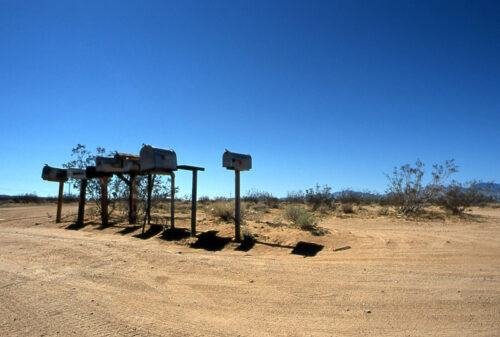
“On June 8, 2026, the Orange County Superior Court began hearing Phase 2 of the comprehensive adjudication for the Indian Wells Valley Groundwater Basin. The trial will focus on the basin’s “safe yield” and the scientific evidence used to calculate that figure. At the conclusion of Phase 2, a judge will issue a ruling determining the basin’s safe yield, which is the amount of groundwater that can be pumped from the basin each year without causing long-term harm, such as falling water tables, dry wells, or land subsidence. In short, the Indian Wells Valley Water District filed a comprehensive groundwater adjudication in 2021 to challenge the groundwater authority’s findings that the basin’s sustainable yield is 7,650 acre-feet per year. Three years later, the water district claimed the safe yield in the basin is 14,300 acre-feet per year. Phase 2 is a critical milestone in the adjudication process that will ultimately effect pumping in the basin. What it will not do, however, is change the fundamental challenge water users face. In 2024, legally required reporting of all pumpers in the valley showed that 20,840 acre-feet was pumped from the basin, which is far more than either estimate presented of what the basin can sustain. … ” Continue reading from the Indian Wells Valley Groundwater Authority.
Ridgecrest: State building, construction council pens letter supporting controversial data center proposed in Inyokern
“A California construction group has submitted a letter of support for the controversial proposed data center in Inyokern, which has quickly become a hot-button issue for the community. The State Building and Construction Trades Council of California penned the letter to the California Energy Commission on Friday, May 22, urging the commission to approve the project, saying it “exemplifies the kind of responsible investment California should encourage.” The data center in question has been proposed by R&L Capital Inc., who has filed a small power plant exemption application with the commission to hopefully build the data center in an unincorporated area of Kern County, Inyokern, near Ridgecrest. … ” Read more from Channel 12.
SOUTHERN CALIFORNIA
Algae blooms in Castaic Lake, ‘no contact’ notice issued
“For people looking to cool off with a day at the lake, they should know that Castaic Lake’s upper lake has a “no contact” notice in place for the time being due to an algae bloom. Derek Elleri, chief lake lifeguard at Castaic Lake, said the notice will be in place until the algae volume gets back to a safe level. He added that “it is entirely up to nature” for when the algae will go down. “It’s in active bloom. And we’re kind of in a holding pattern waiting to see how it develops,” Elleri said. … ” Read more from The Signal.
Her water bill was ‘insane.’ So she tore out her lawn and planted a ‘wabi-sabi’ wonderland
“Julia Lee had no need for a new garden when she and her husband purchased their Cheviot Hills home eight years ago. The traditional 1950 home came with mature tropical plants in the back and a sprawling grass hillside lawn in front, and it suited them just fine. But as drought and wildfires dragged on in California in recent years, she started to question whether keeping the thirsty lawn made sense. “Our water bill was insane,” she says as she offers a tour of the former lawn, which is now filled with colorful native plants and drought-tolerant plants. “It was a waste of space. Our kids were getting older and didn’t play on the lawn. There was just no reason to keep a big green lawn.” … ” Read more from the LA Times.
Vampire planet: The case for letting Malibu flood
“The first major swell of the year pummeled Southern California this week, and onlookers flocked to Balboa Peninsula in ritzy Newport Beach to watch adrenaline junkies attack the Wedge – a mutant wave that ricochets off a rock jetty, forming a steep, heavy wall of water that accelerates and breaks chaotically. Only the bravest (craziest?) dare to face it down. A wild storm system, nearly the size of the United States, took shape in the central South Pacific last week and hurled massive wave energy toward California and Baja, Mexico. It was the perfect setup to awaken the sleeping Wedge and the lore and danger that accompany the deadly break. As the big swell arrived on Tuesday, lifeguards were already rescuing daredevils from the rough waters. However, amid all the excitement, er, stoke, as we surfers call it, lies a coastline that continues to be chewed up by high tides, large swells, and rising seas. … ” Continue reading at Counter Punch.
Hurricane rainfall and landslide risk on the rise in Southern California
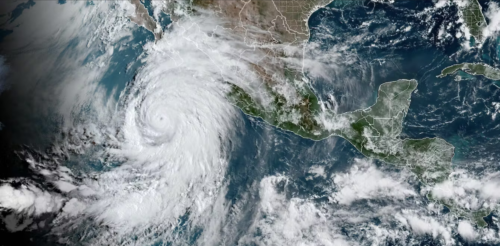
“Climate change could make historically rare tropical storms in Southern California produce significantly more precipitation in the next few decades, and when they strike, landslides are likely to become a bigger risk across the region, according to new research in Nature Climate Change. The study, published June 10 by scientists from Stanford, MIT, and Western Michigan University, finds exposure to landslide risk is likely to grow fastest among low-income households. Tropical cyclone risk has long been overlooked in Southern California because the storms have been relatively rare. In the summer of 2023, Hurricane Hilary demonstrated the damage these storms can cause when its remnants swept gale-force winds and torrential rain into the region. The record-breaking rainfall caused closed roads, flash floods carried away cars, and landslides caked homes in mud, costing more than $900 million in damages. “Hurricane Hilary reminded people that Southern California is not immune to tropical cyclones and related flooding and landslides,” said Yuan Wang, assistant professor of Earth system science at the Stanford Doerr School of Sustainability and a senior author of the new study. … ” Read more from Stanford Doerr School of Sustainability.
FBI seizing evidence at California plant where chemical tank overheated and forced evacuations
“Federal authorities served a search warrant on Wednesday at a Southern California aerospace facility where a chemical tank overheated last month, forcing 50,000 residents to evacuate because authorities feared a catastrophic explosion. The warrant signed by a federal judge last week approved the seizure of documents and records related to the “storage, use, or disposal” of methyl methacrylate, the chemical inside the affected tank. “Samples of the substance within any tank, tote, drum, vat, vessel, or container suspected of containing or having previously contained methyl methacrylate and/or any hazardous substance” were also sought, according to the warrant. … ” Read more from the Associated Press.
Herbicide spraying in San Juan and Trabuco creeks to be phased out, studied
“Months after herbicide spraying in San Juan and Trabuco creeks sparked outcry and organizing among residents, county leaders said they will officially phase out the practice in the two waterways in the next year. The OC Board of Supervisors voted 4-1 this week to approve a year-long pilot project that would limit the use of herbicides in the two south county creeks and evaluate the effectiveness of mechanical methods of clearing vegetation in flood control channels. Last month, OC Public Works announced a countywide pause on herbicide application. A public pressure campaign came from concerned residents who created the Creek Team OC. They mounted a social media blitz against the practice of spraying herbicides, which they say has wrecked local ecosystems and turned the county’s once-lush creek beds barren. “Your constituents feel betrayed on this issue,” Creek Team founder Brent Linas said at Tuesday’s supervisor meeting. “Year after year, these ecosystems were treated as problems to be erased. This is a policy of ecocide.” … ” Read more from the OC Register.
SAN DIEGO
Audio: How the Tijuana River Estuary is celebrating nature, access and history
“Wednesday marks the beginning of California State Parks Week. It is an annual celebration of the diversity of California state parks and public lands, from coastal beaches to redwood forests. The Tijuana River National Estuarine Research Reserve is part of the festivities. KPBS Midday Edition Jade Hindmon sits with three experts at the reserve to talk about the ongoing restoration, preservation and accessibility efforts at the Tijuana River Estuary.” Listen at KPBS.
While Trump drags his feet, Governor Newsom delivers $46M to help address the federally managed water crisis at the border
“Governor Gavin Newsom today announced the availability of $46 million in voter-approved Prop 4 funding to combat the ongoing water quality issues at the California-Mexico border, while calling on the Trump administration to fulfill its responsibility to deliver a permanent fix to the federally managed Tijuana River wastewater treatment facility at the center of the crisis. This adds to the $38 million previously allocated by the state as it continues to wait for the federal government to meet its obligations. “People in San Diego County shouldn’t have to worry about getting sick, losing access to their beaches, and living with polluted air,” said Governor Gavin Newsom. “California has stepped up repeatedly, but we can’t solve a decades-long federal failure on our own. The Trump administration must do its part, honor its commitments, and finally deliver the lasting solutions this community deserves, and they have a moral obligation to provide. … ” Read more from the Office of the Governor.
Along the Colorado River …
The winter’s snow drought is now a full-blown water crisis
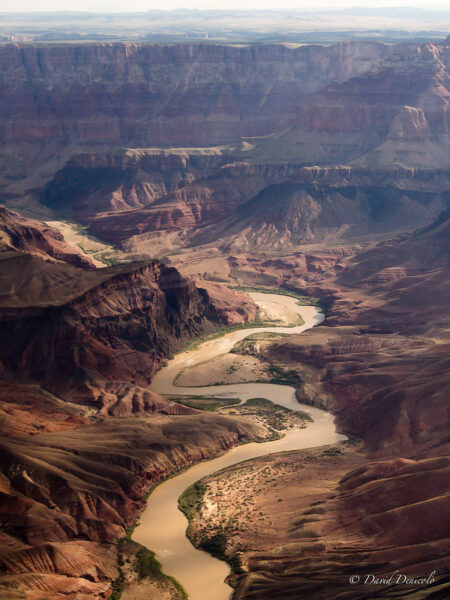 “Snowglobes contained more powder than the mountains out west this winter. Below-average snowpack across the Cascade Range, Rockies, and the Sierra Nevada created an unprecedented “snow drought” that caused abnormally warm winter vacations and muddy ski runs. Those monitoring the Earth’s weather cycles saw it as a warning of what’s to come this summer. And just as feared, as the ice began to melt, the snow drought began showing the signs of a traditional drought. Already in June, the data is showing a dire scenario. The snow water equivalent—a measure of melted snow—set record lows in April across Arizona, Colorado, Idaho, Nevada, New Mexico, Oregon, Utah, and Wyoming. That’s already impacting water runoff into key tributaries and rivers. For example, the Colorado River Basin is forecast to produce less than 30% of its average runoff and experienced its warmest March on record; California’s river basins experienced their driest March on record. … ” Read more from Atmos Magazine.
Water concerns focus of D.C. talks
“Wyoming Governor Mark Gordon (R-Wyo.) and Utah Governor Spencer Cox (R-Utah) joined U.S. Senate Majority Whip John Barrasso (R-Wyo.), Chairman of the Senate Energy and Natural Resources Committee Mike Lee (R-Utah), and U.S. Senators Cynthia Lummis (R-Wyo.) and John Curtis (R-Utah) in Washington, D.C. for a meeting on Colorado River negotiations. They discussed the future of the Colorado River Basin and the long-term management of critical water resources, including Flaming Gorge Reservoir and Lake Powell. “We came to Washington D.C. to have serious conversations about the future of the Colorado River Basin, and those conversations were productive,” said Governor Gordon. “Wyoming is committed to bringing forward ideas, and leading the search for practical solutions that recognize both the realities of drought and the needs of the West.” … ” Read more from OK Energy Today.
Utah senator warns Arizona, other downstream states, they’ll forfeit $354M in conservation aid if they sue over Colorado River water
“The chair of the Senate Energy and Natural Resources Committee warned Arizona and two other states that rely on the Colorado River on Wednesday that they will lose access to hundreds of millions in conservation aid if they pursue litigation over water rights. Roughly $354 million is still available under a 2022 climate law. But the funds expire at the end of September. “States that choose to sue their fellow basin states over Colorado River operations should not expect Congress to reward that decision with additional federal funding,” Sen. Mike Lee, a Republican from Utah – one of the four Upper Basin states, said at the outset of a hearing on the stalemate among the seven states that share the river. “Federal taxpayers should not be asked to subsidize litigation among the states.” … ” Read more from Cronkite News.
SEE ALSO:
- Utah asks feds to cut off money to states that sue over the Colorado River, from Fox 13
- Colorado River states inch closer to court battle as water experts testify in D.C, from KJZZ
- Pinedale rancher tells senators he’s tired of Wyoming giving up Colorado River water, from Cowboy State Daily
Audio: Why federal officials are taking a new approach to distributing water from the Colorado River
“A few years back, federal regulators gave an ultimatum to negotiators from the seven states that rely on Colorado River water. It boiled down to, find a path forward, or we’ll figure one out for you. It was a big ask. The agreement over how to share river water was a century old and overdue for an update. Severe drought strained the river and its reservoirs. Cities in the region, from Denver to Los Angeles, had grown dramatically over the decades. So negotiators from various states talked for years without agreeing how to divvy up the river going forward. And now federal officials are moving forward with their vow to take control. Last week at a conference in Boulder they announced they plan to call the shots for the next decade. So, with reservoirs in the Colorado River basin at alarmingly low levels, will this new arrangement help or create more disagreements? And how big of a turning point is this for the river?” Listen at KUNC.
Glen Canyon Dam dances with deadpool
“In 1956, construction of Glen Canyon Dam began. The dam would generate hydropower, promote recreation and keep silt from filling up Lake Mead, but its main purpose was to create Lake Powell to serve as a water savings account and even out the Colorado River’s fluctuating flows. By storing water during wet years for use during dry ones, it would help the Upper Basin states comply with the Colorado River Compact and ensure that the river’s flow at Lees Ferry was not depleted “below an aggregate of 75,000,000 acre-feet for any period of ten consecutive years.” Now, all its functions — except capturing silt — are imperiled, and, ironically, the dam itself may cause the Upper Basin to violate the compact’s non-depletion clause. … ” Read more from High Country News.
Lake Mead continues to shrink, but Las Vegas may actually be the West’s best-prepared city
“Lake Mead has fallen under 1,050 feet above sea level, underscoring how deeply the West’s water shortages still run. As the country’s largest reservoir continues to shrink, Las Vegas appears to have stronger safeguards against a worsening shortage than most major Colorado River Basin cities. Federal forecasts show Lake Mead could reach about 1,020 feet by July 2027, the Las Vegas Sun reported. With the reservoir already sitting at roughly 35% of capacity, that outcome would take it past the low it hit in 2022. For Southern Nevada, the stakes are high. About 2.4 million people rely on the Colorado River for around 90% of their drinking water. … ” Read more from The Cool Down.
Henderson’s $100M plant upgrade reinforces one of the most advanced water reuse systems in the US
“The City of Henderson, Nevada, has completed a $100 million overhaul of its Water Reclamation Facility, adding treatment capacity, modernizing aging equipment and reinforcing infrastructure that is central to Southern Nevada’s strategy for stretching a scarce water supply. Key improvements include a new 12-million-gallon biological nutrient removal (BNR) basin, a secondary clarifier, sand filters, upgraded influent pumping and vacuum systems, backwash pump station improvements, headworks grit pipe replacements and alum pump upgrades. The investment goes beyond keeping pace with Henderson’s growing population. The facility plays a critical role in protecting the city’s water resources: every drop that goes down a drain is treated and returned to beneficial use, supporting the community’s long-term water sustainability. … ” Read more from Smart Water Magazine.
Colorado River shortage: Preparing for less available water in the Phoenix metro area
“The Colorado River is facing serious challenges, and Arizona Municipal Water Users Association (AMWUA) cities are getting ready for what comes next. The federal government wants to significantly cut the amount of Colorado River water that Arizona, California and Nevada receive by up to 3 million acre-feet to protect the river from worsening conditions. The Central Arizona Project (CAP), which brings Colorado River water to the Phoenix and Tucson areas, has junior water rights and will be the first to face cuts. This could mean much less CAP water delivered, or even a dry canal, depending on how bad conditions become for the Colorado River. Here in Arizona, we’ve always managed our water carefully and planned for the long-term, and that foundation is exactly what the AMWUA cities are building on now. … ” Read more from KTAR.
Facing steep water cuts, Scottsdale defunds water recycling program
“With devastating cuts likely coming to the state’s share of Colorado River water, Arizona cities have been gearing up to diversify their water supplies. Yet, despite grave and passionate warnings — from experts, residents and even former city leaders — one East Valley city is ditching critical water funding. On Tuesday evening, the affluent suburb of Scottsdale unanimously passed a $2.1 billion budget for fiscal year 2026-27 that didn’t include $233 million for various water projects, both active and planned. In its place, the budget included $100 million for “water source and supply.” The change — which leaves critical water resources, like a wastewater purification facility, without assured funding — elicited spirited criticism from attendees at the meeting. … ” Read more from New Times Phoenix.
Uranium mine near Grand Canyon seeks higher arsenic limit in groundwater
“A uranium mine about 10 miles south of the Grand Canyon is now asking the state to increase the levels of arsenic that can legally be found in the groundwater they use. Advocates said mining in this area and increasing arsenic levels is too risky with the mine’s proximity to a large aquifer. Mine representatives said this is all routine and advocates are fearmongering. The workers at the mine have pumped out more than 80 million gallons of groundwater from within the mine shaft since 2016. That water contains lead, arsenic, and uranium. Miners at the Pinyon Plain uranium mine have been extracting uranium here since 2023. … ” Read more from Arizona Family.
Colorado’s race to cut water use off to a slow start
“Denver Water customers have yet to embrace a strict water diet this year, cutting water use just 5% this month as the outdoor watering season begins. The utility, which serves 1.5 million customers, has asked residents and businesses to slash water use by 20% this summer to combat extreme drought. At the same time, reservoirs, unable to refill after melting snows evaporated early due to a surprising March heatwave, are dropping. The utility said its storage system is just 79% full, down from the 89% mark normally seen at this time of year. … ” Read more from Water Education Colorado.
In national water news today …
Broke and on their own: small water systems lose ground as federal support wavers
“The country’s most severe drinking water problems, from high levels of contaminants and foul-smelling water to pipe breaks, low water pressure, and expensive rates, are generally found in the thousands of small systems that serve dozens of people up to a few thousand. These systems are public health crises waiting to emerge, said Denise Schmidt, director of water at the Environmental Policy Innovation Center, a group that works with water utilities on infrastructure funding. Though some are perpetually struggling, small water systems, especially those serving low-income communities, are encountering a fresh set of economic and political hurdles in their quest for safe drinking water. … ” Read more from Circle of Blue.
Amazon says its data centers use 2.5 billion gallons of water
“Amazon.com Inc. said its data centers used 2.5 billion gallons of water worldwide last year, or about 5% of the amount metro Seattle consumes annually. The world’s largest cloud-computing company said the disclosure shows that it cools server farms more efficiently than some of its large tech industry peers. Amazon’s announcement arrives amid a politically charged debate over how much water and electricity data centers use. Some states and cities – including Amazon’s home base Seattle – have considered or implemented moratoriums on construction of new server farms, in part to allow for further study. Water researchers and community advocates say the only way to understand data center water usage is if Amazon and its peers share more granular data. Gradually, more information about water consumption is coming out. … ” Read more from Bloomberg.
Efforts to save kelp forests from ocean warming are ramping up
“In the coastal waters off British Columbia, tribal volunteers from the Haida Nation dive for purple sea urchins amid a dense forest of rippling golden-brown kelp fronds. Sunlight filters through the canopy, creating a mesmerizing dance of light and shadow, as rays and sea lions wend through the kelp maze, sharks glide past, and bright orange garibaldis dash between the swaying fronds. Kelp forests are biodiversity hotspots teeming with a colorful variety of seaweeds, sponges, crustaceans, and other small ocean animals, many of them found nowhere else. At one time, vast kelp beds grew in nutrient-rich shallow waters along roughly a third of the world’s coastlines, where they helped to reduce the strength of waves, minimized coastal erosion, and provided shelter to fish, invertebrates, and marine mammals. Today, however, many kelp forests are on life support, victims of water pollution from terrestrial agriculture and coastal development, bottom trawling for fish, and an explosion of kelp-devouring urchins, like those the Haida volunteers are collecting as part of an eradication program. But perhaps the most important driver of kelp decline is the rapid warming of the ocean. … ” Read more from Yale e360.
The hidden legacy of dead species
“Death doesn’t always end a species’ impact on its environment. Researchers studying ecosystems across the country found that the remains of foundation species such as oysters, corals and trees can continue shaping habitats for years or even decades after their death, sometimes helping future generations thrive and sometimes accelerating their decline. The findings, published Wednesday in the journal Science Advances, suggest dead organisms often play a larger role in ecosystems than scientists have traditionally recognized. Foundation species are organisms that help create and maintain the physical structure of an ecosystem, providing habitat, resources and stability for many other species. To better understand what happens after those species die, researchers analyzed observations and experiments spanning between two and 32 years across 10 marine and terrestrial ecosystems in the U.S. Long Term Ecological Research Network. … ” Read more from the Courthouse News Service.
SEE ALSO: Across Ecosystems, Dead Organisms Help Shape the Living World, from Inside Climate News

