

Several news sources featured in the Daily Digest may limit the number of articles you can access without a subscription. However, gift articles and open-access links are provided when available. For more open access California water news articles, explore the main page at MavensNotebook.com.
In California water news today …
California groundwater recovery stalls
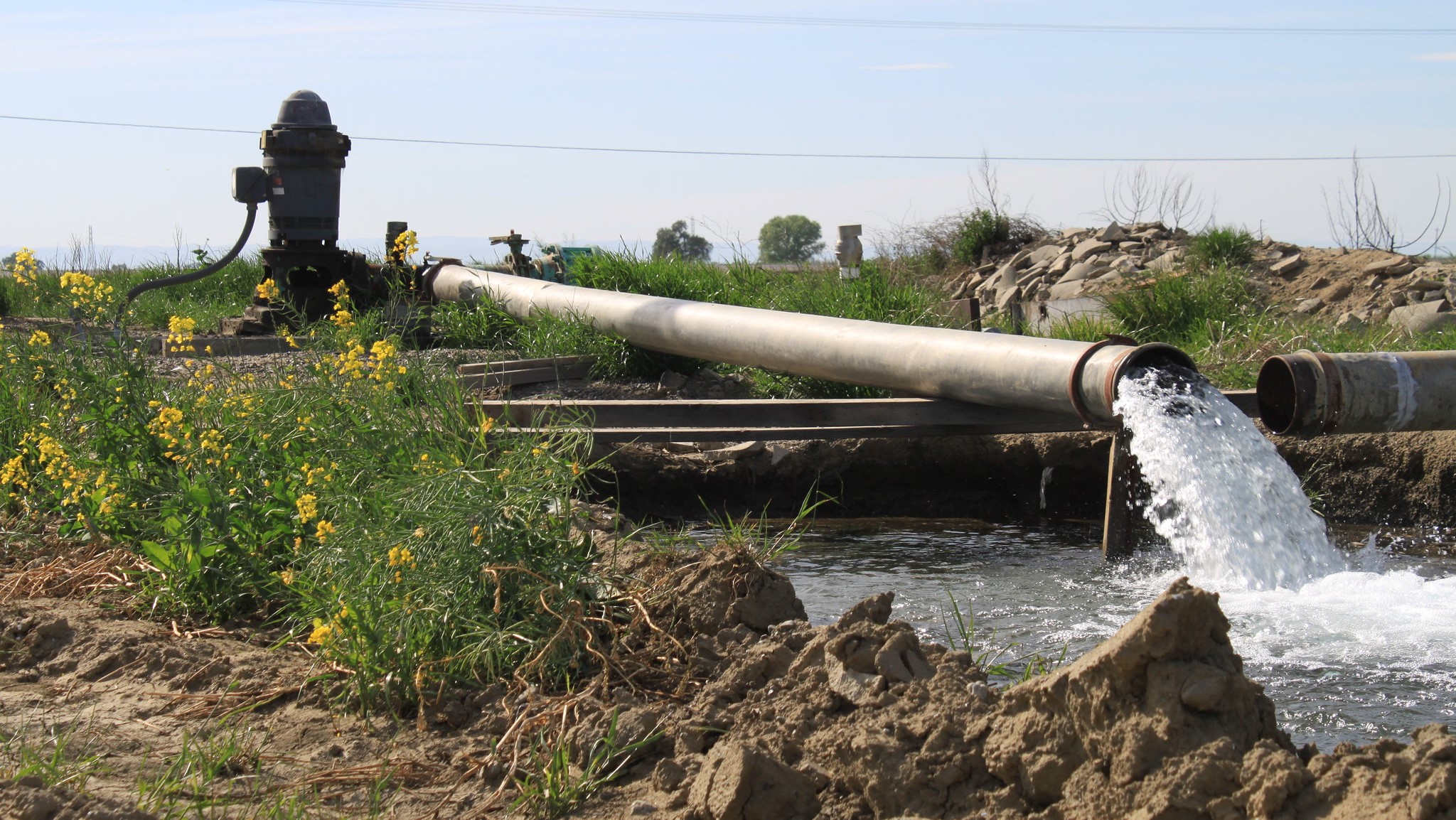 “A new California Department of Water Resources update shows groundwater recovery has stalled as extraction continues to outpace recharge, leaving long-term stress across major basins. The report highlights that statewide extractions reported by local agencies reached 13 million acre-feet pumped, while managed recharge fell sharply, constraining aquifer refill and system recovery. DWR warned that two recent wet years produced only short-term relief and that volatile conditions have returned in the current water cycle. Most monitored wells showed little change over the most recent year, with about 71% relatively stable, 13% rising more than 5 feet and 15% declining more than 5 feet. Those short-term gains mask deeper trends: nearly half of monitored wells exhibit long-term declines in water levels, while only a small share show sustained increases. The Tulare Lake and southern San Joaquin regions remain the most stressed for groundwater levels. … ” Read more from AgroNews.
How floodplains grow fish on the San Joaquin River
“In California’s Central Valley, a river can look alive and still be starving. The San Joaquin winds through farmland and former floodplain country, but for much of the last century, it has been cut off from the seasonal flooding that is the lifeforce of juvenile fish. That is why inland salmon and steelhead — ocean-going rainbow trout — recovery conversations keep circling back to one idea: The river must be reconnected to the land beside it. The modern San Joaquin reflects decades of intensive flow regulation and water diversion. Completed in 1942, Friant Dam, located on the upper San Joaquin River near Fresno, California, was built to store water for irrigation and provide flood control. The dam helped set in motion a long period in which large sections of the upper San Joaquin ran dry as water was diverted into canals. … ” Read more from American Rivers.
Wildlife Conservation Board approves $80.4 million for wildlife connectivity, salmon recovery, biodiversity and public access projects
“The Wildlife Conservation Board (WCB) approved $80,450,797 in grants for 23 projects across 16 counties to protect biodiversity, restore wildlife habitat and expand public access to nature. The board met today at the California Natural Resources Agency headquarters in Sacramento. Among these, seven projects advance the California Salmon Strategy for a Hotter, Drier Future, restoring floodplains, improving stream function and enhancing habitat for coho salmon, Chinook salmon and steelhead trout. Projects also include investments in wildlife corridors, wildfire resiliency, wildlife-oriented recreation and butterfly pollinators. WCB’s grants advance Gov. Gavin Newsom’s goal of conserving 30 percent of California’s lands and coastal waters by 2030, a globally adopted target known as 30×30(external. The initiative seeks to protect biodiversity, expand access to nature for all Californians and adapt to climate change. … ” Read more from the Department of Fish an Wildlife.
California Water Plan Advisory Committee gets to work at first meeting
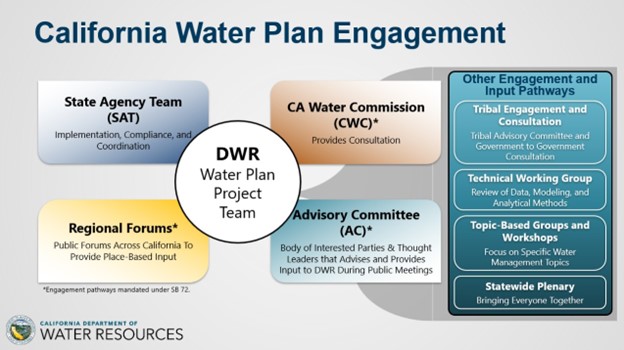 “The California Department of Water Resources (DWR) hosted the inaugural meeting of the Advisory Committee for California Water Plan 2028 on May 13 and 14 in Sacramento, marking an important milestone in the implementation of Senate Bill 72 (SB 72) and a new era of statewide water planning in California. In the 2028 Water Plan, DWR will establish, for the first time, an interim target of 9-million-acre feet of additional water supply, storage capacity, or conservation. The Committee was appointed by DWR Director Karla Nemeth in early 2026 and is comprised of 38 members representing a broad range of perspectives including water management, agriculture, environmental, equity, energy, business, along with regional, state, and federal governments. … ” Read more from the Department of Water Resources.
Paper: Dammed water markets: How Western water transfer markets may be inhibiting an efficient allocation of water
“Western water lawyers and policymakers, may incline to believe that municipalities are overpaying to acquire new supplies. They may not, however, be able to articulate the bad economics at play; indeed, there have been plenty of obfuscatory claims surrounding water transfer OTC markets, such as “[t]he fact that people in Southern California cities pay 100 times more for water than farmers in the Palo Verde Valley” somehow evidences utilitarian value-maximization. Water transfer markets, in theory, provide a pareto-optimal solution to increasing water scarcity. The experience of municipal water purchasers, however, does not appear to square with theory. Indeed, municipal purchasers facing water supply shortfalls often pay comparatively exorbitant premiums for marginal units of water; this evidenced prices-paid differential is likely imputable to allocative inefficiency in water transfer markets—i.e., prices paid by municipal water purchasers are distorted above the marginal cost of supplying the water. Broadly, the hypothesized allocative inefficiency is a market failure in-and-of-itself, calling into question normative arguments that water transfer markets provide for an ideal mode of resource allocation.” Read the paper at the University of Denver Water Law Review.
Steve Hilton promises big changes for California farmers, water, and energy policies
“California gubernatorial candidate Steve Hilton joined “The Ag Meter” Nick Papagni for an energetic and wide-ranging interview focused on the future of California agriculture, water policy, energy costs, regulations, and what Hilton described as the urgent need for “common-sense leadership” in Sacramento. Hilton immediately criticized recent California gubernatorial debates for failing to address agriculture, despite farming being one of the state’s largest and most important industries. He said California farmers and ranchers have been ignored for years by political leaders who continue pushing environmental regulations while overlooking the struggles facing rural communities throughout the Central Valley, Imperial Valley, Salinas, Monterey, Ventura County, and other major agricultural regions. … ” Read more from AgNet West.
Reclamation develops new categorical exclusions to streamline environmental reviews for hydropower
“The Bureau of Reclamation today released two new categorical exclusions for hydropower-related activities under the National Environmental Policy Act of 1969 as part of its ongoing Hydropower Action Plan. “Under the Trump-Vance Administration, Reclamation is cutting outdated red tape to streamline reviews for hydropower maintenance and leasing,” said Assistant Secretary for Water and Science Andrea Travnicek. “This is a step in the right direction and just one of the ways we’re working to increase the affordability of water and power.” To develop the new CEs, Reclamation identified hydropower activities that have been consistently shown to have no significant environmental impacts. … ” Read more from the Bureau of Reclamation.
Data center data is hard to come by. Erin Brockovich wants to change that
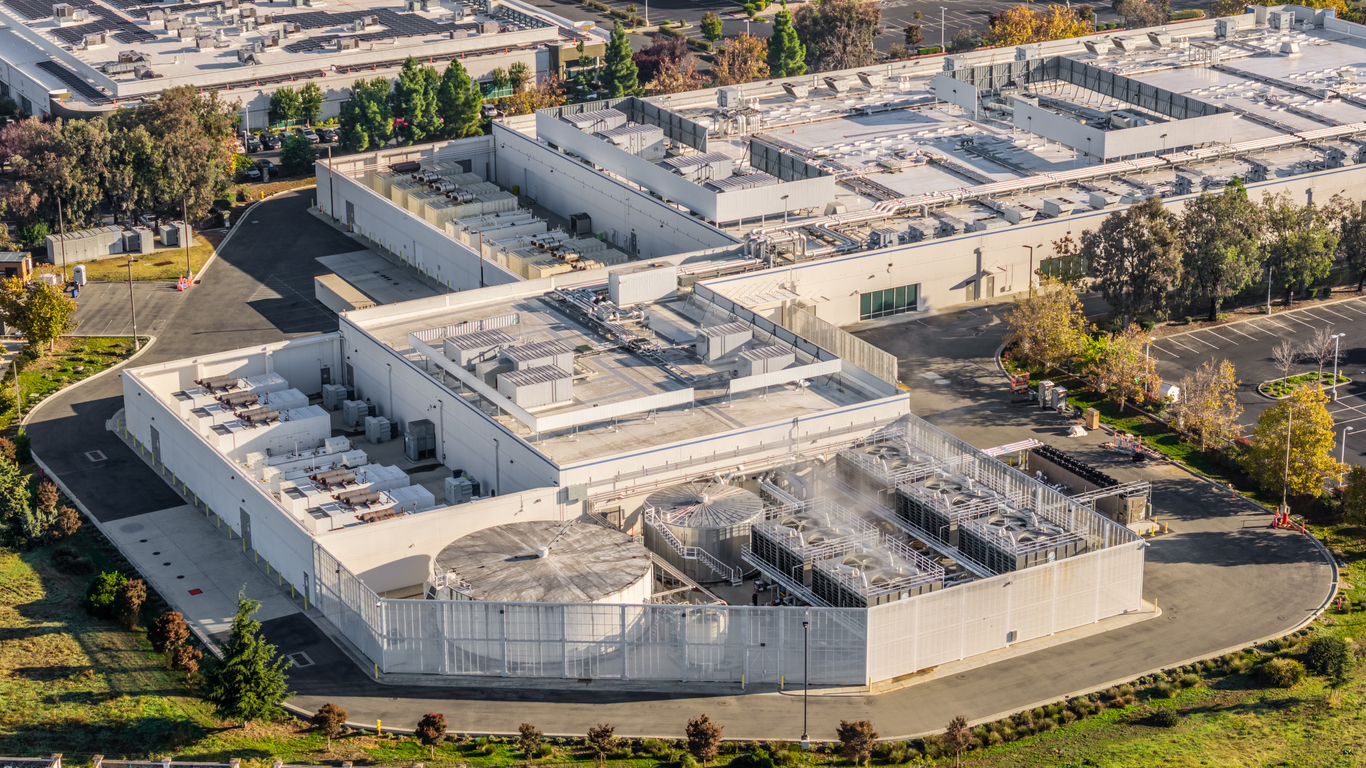
“Artificial intelligence is confusing, so confusing that many companies don’t even understand how their AI works, often labeling their systems a “black box.” But another aspect of AI that’s led to confusion is the infrastructure propping it up. For AI to work, it needs data centers to process massive amounts of information. These data centers have become a bipartisan sticking point, with residents alleging they are loud, obnoxious and an eyesore — and a drain on water and electrical supplies. Some researchers have even claimed the sounds produced by these facilities are harmful to people. But data on data centers is sparse, making it difficult to get a precise number of how many exist, and which ones are used for general internet services and which ones are used to run AI. That’s where famous environmental activist Erin Brockovich comes in. … ” Read more from Straight Arrow News.
California lawmakers move to pull back curtain on AI Data Centers amid strain on power and water
“As the rapid expansion of artificial intelligence drives an unprecedented boom in data center construction across California, a bipartisan push for tighter industry oversight is gaining traction in the state capitol. Assemblyman Jeff Gonzalez (R-Indio) cast his vote this week in favor of a sweeping package of legislation designed to pull back the curtain on the secretive, energy-hungry facilities. The move highlights growing anxiety in rural and suburban communities over how the massive computing hubs will affect local infrastructure. While the tech sector views data centers as the essential backbone of the AI revolution, residents from the Coachella Valley to the Imperial Valley are increasingly worried about the strain these facilities place on public health, power grids, and scarce water supplies. “People across our communities from Coachella to Imperial are asking important and valid questions,” Gonzalez said. “They want transparency. They want accountability. And they want to know these projects will not negatively impact their quality of life, public safety, or access to resources.” … ” Read more from the Imperial Valley Press.
California Senate approves bills to force data centers to foot their own energy bills
“The California State Senate has passed a pair of measures aimed at shielding utility ratepayers from skyrocketing electricity bills and environmental fallout driven by the state’s burgeoning data center industry. The legislative package, authored by Sen. Steve Padilla, D-San Diego, passed the upper chamber this week with comfortable majorities. Senate Bill 886 cleared the floor in a 27-8 vote, while Senate Bill 887 advanced on a 29-9 vote. Both measures now head to the State Assembly. The bills arrive at a critical juncture for California, which is balancing an aggressive transition to clean energy with the staggering power demands of the artificial intelligence boom. Data centers require massive amounts of electricity and water to keep servers running and cooled, triggering fears that regular consumers will be left to subsidize the necessary electrical grid upgrades. … ” Read more from the Imperial Valley Press.
In regional water news and commentary today …
SIERRA NEVADA
Funding the future: Preserving Lake Tahoe’s clarity research
“We often talk about preserving Lake Tahoe and its clarity, but what about sustaining the research that makes it possible? Though the lake itself is starting to see promising conditions and hundreds of millions of dollars in investments, some of its graduate research funding, on the other hand, is facing a murky future. The UC Davis Tahoe Environmental Research Center, also known as TERC, collaborates with NASA to operate four research buoys that sit on Lake Tahoe’s pristine water. The tiny research stations are used by NASA to calibrate their satellites and collect data, like water surface temperature. “We have on the top of it, an atmospheric deposition sampler. That is collecting any sort of deposition that’s falling onto the lake,” Brandon Berry, researcher with UC Davis TERC said. “Those things are very useful during wildfire events.” … ” Read more from Fox 40.
Clearing ladder fuels is priority for basin’s largest Firewise community
“On Saturday, the Al Tahoe Firewise community held a community barbecue and heard from guest speakers on the importance of ladder fuels reduction and wildfire insurance rates, which continue to climb drastically for residents. Firewise is a recognition program that educates owners and residents about what they can do to reduce fire risks on their property, including programs like defensible space and home hardening. Communities can be nationally recognized by the National Fire Protection Association (NFPA) and can also learn more through the Tahoe Resource Conservation District’s Living With Fire site. The Al Tahoe Firewise community is the largest in the Tahoe Basin and was the first to be nationally recognized as a Firewise community in South Lake Tahoe. The group formed in part due to concerns over evacuation issues seen in the Camp Fire, and has formed partnerships with the Tahoe Resource Conservation District, South Lake Tahoe Fire Rescue (SLTFR) and Lake Valley Fire Protection District. … ” Read more from the Tahoe Daily Tribune.
El Dorado Water Agency grant funds to help support urban water supply
“The El Dorado Water Agency is providing grant funding to four urban water providers. The El Dorado Water Agency (EDWA) announced it is providing grant funding to the four urban water purveyors in El Dorado County to help support their urban water supply reliability planning efforts. The EDWA Board of Directors recently approved a supplemental grant program which allocates up to $20,000 for each urban water provider – El Dorado Irrigation District, Georgetown Divide Public Utility District, South Tahoe Public Utility District and Tahoe City Public Utility District – to help them update their Urban Water Management Plans. The funding will support the districts as they evaluate current and future water demands, assess water supply reliability and identify strategies to improve long-term drought resilience and emergency preparedness. Urban Water Management Plans are required by the State of California and serve as critical planning tools to help water agencies sustainably manage water resources for their communities. … ” Read more from Gold Country Media.
SACRAMENTO VALLEY
Nearly entire month of rain hits Northern California city in one day
“A torrential downpour inundated Davis, California, on Tuesday, producing nearly an entire month’s worth of rain in one day, according to data from the National Weather Service (NWS). The late-season storm system brought an unusual burst of wet weather to Northern California, as scattered thunderstorms moved through the Sacramento Valley, dropping more than half an inch of rain in parts of the area in a single day. The downpours were fueled by a slow-moving low-pressure system that unsettled typically dry late-May conditions, producing showers and isolated thunderstorms across the region. … ” Read more from Newsweek.
BAY AREA
Marin Municipal Water District approves transition to ‘smart’ meters
“The Marin Municipal Water District has approved a plan to replace all of its analog water meters with wireless “smart” meters within the next 10 years. On Tuesday, the district board of directors approved three contracts with Badger Meter Inc. worth a combined $20.6 million to make the switch to smart meters, also known as advanced metering infrastructure, or AMI. The district has already transitioned about 5,670 account holders to the wireless meters under three pilot projects that began in 2018. The transition for the remaining 55,000 or so will improve conservation, reduce the need for staff to manually read meters and result in faster leak detection and lower bills, district officials said. Jed Smith, chair of the board, said the action Tuesday is a “historic approval.” … ” Read more from the Marin Independent Journal.
Corte Madera prepares for next flood emergency after January King Tides left neighbors ‘in the dark’
“Five months after storms and extreme King Tides brought historic flooding to Marin County, North Bay residents say they are still dealing with the aftermath and looking for changes. Many neighbors say they had little warning before floodwaters rushed into their communities. Now, the town of Corte Madera says it is using lessons learned to improve emergency response. “This is the high-water mark,” said Maya Solis. Solis remembers when water surged into her Lucky Drive neighborhood in January as storms and King Tides swelled nearby Corte Madera Creek. “Things got bad quickly,” she said. “There were no signs from the city or county about flooding. We had no idea it was going to get that bad.” … ” Read more from KGO.
Where Berkeley’s water supply stands after spring heat wiped out our ‘frozen reservoir’
“Record heat and dry weather wiped out the snowpack that holds much of Berkeley’s water early this spring, but the East Bay Municipal Utility District says its reservoirs are in solid shape after a decent rainy season. The district recorded 40.4 inches of precipitation as of earlier this week in the Sierra Nevada watershed of the Mokelumne River, which provides water for about 1.5 million people across portions of Alameda and Contra Costa counties, spokesperson Tracie Morales said. That amounts to 94% of the historical average, while precipitation around the East Bay was lower, at 77% of average. The Berkeley Weather Lab recorded 27.5 inches of rain at its station in the Berkeley Hills, which is 94% of average. … ” Read more from Berkeleyside.
CENTRAL COAST
Questions surface over Palo Corona grazing lease recommendation.
“In a bid for a cattle grazing lease on a coveted parcel, five applicants were vying for the keys to Palo Corona Regional Park. Now, some bidders are questioning whether the recommended contract in the parcel’s first competitive selection process was selected fairly. Following a request for proposals issued on Feb. 13, the Monterey Peninsula Regional Park District recommended Renz Livestock, a family-run cattle and rangeland management company based in San Benito County, for a five-year lease for $1/year. The lease would begin July 1, replacing Emily and Luke Gardner of Paddock Land & Cattle (also called L&E), whose family has operated at Palo Corona since the 1980s. The recommendation goes to the MPRPD board on June 3. “There has been no transparency,” says Hannah Moon of Lonely Bull Cattle Company, one of the applicants. “The way it’s playing out, it looks like there’s some pretty significant inconsistencies with their stated scoring process.” … ” Read more from Monterey County Now.
Carpinteria breaks ground on new, state-funded water purification facility
“Celebrating a new source of drought-proof drinking water supplies for another California city, the State Water Resources Control Board joined the City of Carpinteria, Carpinteria Valley Water District, and Carpinteria Sanitary District today to break ground on the Carpinteria Advanced Purification Project, a facility that will be able to inject up to 1 million gallons of treated wastewater per day into the groundwater basin for future drinking water supplies. The new facility, which is expected to be completed in 2029, will recycle the region’s wastewater by conveying it through an advanced treatment system and storing it below ground. Within a few months, this water can be extracted and used to augment supplies for the district’s 16,000 residents. Currently, Carpinteria’s wastewater is treated at the sanitary district’s existing plant and discharged to the Pacific Ocean. … ” Read more from the State Water Resources Control Board.
SAN JOAQUIN VALLEY
City of Modesto begins construction to connect 600 people to safe drinking water
“Expanding access to safe drinking water to communities that have been without it the longest, the State Water Resources Control Board today joined City of Modesto and Stanislaus County officials and residents to break ground on a project that will connect the community of Riverdale to the city’s water system, ensuring reliable access to safe drinking water for over 600 residents. Located in an unincorporated area of Stanislaus County, Riverdale is a severely disadvantaged community that has been without reliable access to safe drinking water since at least 2016 due to uranium contamination in its only supply well. The State Water Board provided over $7 million in grants through its Safe and Affordable Funding for Equity and Resilience (SAFER) drinking water program to fully fund the construction of community’s consolidation with the city. … ‘” Read more from the State Water Resources Control Board.
More federal funds secured for sinking Friant-Kern Canal; other water infrastructure
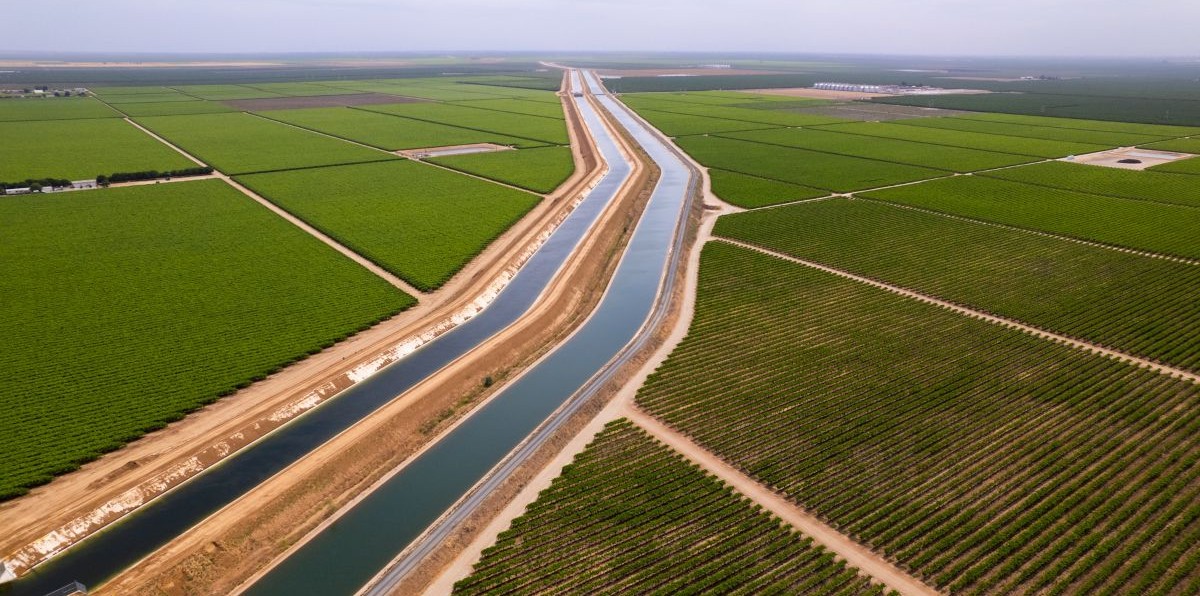
“Congressman Jim Costa announced Friday that more than $131 million in federal funding is being awarded for major water infrastructure improvements across the San Joaquin Valley, including two main components of the federal water delivery system, the Friant-Kern Canal and the O’Neill Pumping Plant. The canal stretches 152 miles from Millerton Lake in Fresno County to its terminus in Kern County, delivering water to more than 15,000 farms on the eastside of the San Joaquin Valley and cities such as Fresno and Lindsay. Groundwater overpumping had caused a 33-mile section of the canal in Tulare County to sink, crimping its carrying capacity by 60%. The Friant Water Authority, which oversees the canal, has spent more than $300 million to build an entirely new 10-mile section of canal but more repairs are needed. … ” Read more from SJV Water.
Kings County agency may scrap groundwater export policy to avoid lawsuit
“A recommendation to toss out a restriction for how far groundwater can be moved out of the South Fork Kings Groundwater Sustainability Agency (GSA) will be considered at the board’s next meeting on June 18. The recommendation was made during the board’s May 21 meeting after South Fork was repeatedly threatened with a lawsuit by John Vidovich, who controls Sandridge Partners, a large landowner in the GSA. The export restriction, which limits movement of groundwater pumped out of South Fork to within one mile of its boundaries, is part of the GSA’s allocation policy, or how much growers can pump. South Fork’s Legal Counsel, Ken Richardson, said the board will have to decide whether to separate those issues and if it wants to draft a standalone policy for groundwater exports during the June meeting. “I will be bringing back an amendment of the allocation policy that will revise that policy to eliminate its export restrictions and develop a specific export policy,” Richardson told the board. … ” Read more from SJV Water.
Tulare County water districts kick in another $67,500 for PR campaign
“Farmers in the Lower Tule River and Pixley groundwater sustainability agencies are paying $147,500 – including a recent addition of $67,500 – for a public relations campaign intended to convince state regulators they are tackling the region’s severe groundwater problems. The campaign will emphasize unity in the Tule subbasin, according to Anja Raudabaugh, chief executive officer of Western United Dairies. The private trade group is also helping pay for the messaging effort by Sacramento firm Calkin Public Relations. “We must brand ourselves as leaders, not tribes,” Raudabaugh said. “We need to pivot to the fact that you guys are ready to take the next step as a community. “That’s the shiny object we’re trying to create here.” … ” Read more from SJV Water.
Recent high-level water manager moves come with high-level salaries
“Three top-level personnel changes at two San Joaquin Valley water agencies have come with significant compensation packages, according to employment documents reviewed by SJV Water. Starting salaries for the three new hires range from $360,000 to $400,000 a year, with likely increases for each after the first year. The three, connected personnel changes started in January when Johnny Amaral was promoted to Chief Executive Officer of Friant Water Authority from his previous position of Chief Operating Officer for the authority. In March, Eric Limas, formerly General Manager of the Lower Tule River and Pixley irrigation districts, was hired to fill Amaral’s COO position at Friant. … ” Read more from SJV Water.
SOUTHERN CALIFORNIA
Judge unimpressed with SoCal Edison’s cross-complaint against LA County over Eaton Fire
“A Los Angeles Superior Court judge expressed deep skepticism Thursday over a cross-complaint filed by Southern California Edison against a range of governmental entities, including LA County, over the Eaton Fire. The 2025 fire, which killed at least 19 people and destroyed more than 9,000 buildings and most of the Altadena neighborhood, has been largely blamed on the electrical utility’s faulty power lines — though the company denies any liability. More than 10,000 plaintiffs have sued Edison in an action that has been consolidated into one mass tort proceeding in downtown LA. The U.S. Justice Department has also sued Edison in federal court, while hundreds of plaintiffs have also sued State Farm, accusing it of underpaying claims. Adding to the tangled web of litigation was a lawsuit filed by SoCal Edison against LA County, the sheriff’s department, fire department, the cities of Pasadena and Sierra Madre and several water companies. Those entities, Edison said in its cross-complaint filed in January, “contributed to the severity of the Eaton Fire and its resulting damage” by failing to “issue timely evacuation alerts,” manage “overgrown brush throughout publicly owned land” and “properly allocate resources to fire suppression.” … ” Read more from the Courthouse News Service.
Water wars, part 2: after the ruling, a reckoning
“Claremont’s legal setback in December 2016 did not end the water fight. It changed it. Before Los Angeles Superior Court Judge Richard Fruin ruled Claremont hadn’t made a compelling case to rule in favor of an eminent domain takeover of Golden State Water’s system, the local debate had centered on whether the city could run it better. After the ruling, the questions became more painful: should Claremont appeal? How much more should taxpayers risk? Had city leaders been overconfident? And how much did residents deserve to know about the legal advice that led the city into court? The City Council’s first answer was to keep going. On January 31, 2017, the council voted unanimously to appeal Fruin’s ruling. Mayor Sam Pedroza became emotional during the meeting, saying no one was taking the decision lightly and that he was proud of Claremont. Supporters argued the city was obligated to honor the will of voters, who had overwhelmingly approved Measure W in 2014. … ” Read more from the Claremont Courier.
Endangered frogs have cut a famous Calif. trail in two for 20 years
“In recent years, as climate change has driven more frequent and intense wildfires, winter storms and extreme heat, many Pacific Crest Trail hikers have abandoned the idea of a “continuous footpath” — the goal of walking the 2,650-mile trail sequentially end-to-end, from Mexico to Canada. In any given year, the expectation now is that sections of the trail might be closed during a wildfire or rendered impassable by record-setting snowfall. But the longest-running Pacific Crest Trail closure, a 3.5-mile section in Angeles National Forest that’s been closed for over 20 years, isn’t the result of fires or floods or heavy snow. It’s to protect a tiny endangered frog. The U.S. Forest Service first closed the Williamson Rock area in 2005 to protect the endangered southern mountain yellow-legged frog and its habitat, which has also been pummeled over the years by climate change, wildfires and drought. … ” Read more from SF Gate.
IMPERIAL/COACHELLA VALLEYS
The city of Coachella considers a data center moratorium after big-time backlash
“A mass outpouring of data center opponents has prompted the California city of Coachella to consider a moratorium on development of the facilities there. It’s the latest example of community backlash tempering local authorities’ acceptance of data centers — which are being built across the country to accommodate the rise of AI. After hundreds of people showed up to protest at the Coachella City Council meeting on Wednesday evening, all four council members signaled support for a temporary halt to Stronghold Power Systems’ proposal so the city can study the issue further. They also voted 4-0 to hire outside legal counsel to review an agreement for a city-controlled utility to provide power for the project. … ” Read more from Business Insider.
Saving the Sea: The Salton Sea is the focus of the first new state conservancy in 15 years
“Senate Bill 583, passed by the California Legislature and signed into law by Gov. Gavin Newsom in 2024, created the Salton Sea Conservancy (SSC), the first state conservancy created in the last 15 years. On April 10, the governor announced the inaugural appointees to the conservancy board. The April 10 press release from the governor’s office said the SSC will “take on a critical role to solidify the state’s efforts to protect residents’ health, sustain the operation and maintenance of large-scale habitat restoration, and increase public access. For too long, communities around the Salton Sea have carried the burden of environmental challenges and neglect. Today, California is changing that by launching the Salton Sea Conservancy to advance cleaner air, protect public health, restore critical ecosystems, and ensure the work we’ve started creates lasting opportunities for Salton Sea communities.” … ” Read more from the Coachella Valley Independent.
SAN DIEGO
Carlsbad adds sewer fees for new homes in old neighborhoods
“Adding accessory dwelling units or building a multi-home, infill development is about to get a little more expensive in some of Carlsbad’s older neighborhoods. The city is creating a new “sewer benefit area” so it can charge fees for additional sewer connections in the Village, Barrio, North Beach and most of the northern portion of Olde Carlsbad. The fee for multi-unit residential structures such as condominium and apartment buildings will be $4,761 per unit, according to a city report. Accessory dwelling unit, or ADU, owners will pay a fee of about $3,000 if a new or separate sewer connection is required and the ADU is detached and constructed with a new single-family dwelling. … ” Read more from the San Diego Union-Tribune.
Survey opens to measure economic impact of Tijuana River Valley pollution
“People who work, live, visit, own businesses or are part of community organizations near the Tijuana River Valley are invited to take a survey measuring the economic impacts of the ongoing sewage pollution. The findings will help guide future funding and long-term solutions. The survey is part of the Tijuana River Sewage Crisis Economic Impact Study, which is examining how sewage contamination, beach closures and overall pollution have affected the region over time. … ” Read more from the County News Center.
Along the Colorado River …
“I am not optimistic” — Western Slope leaders gather as Colorado River crisis deepens
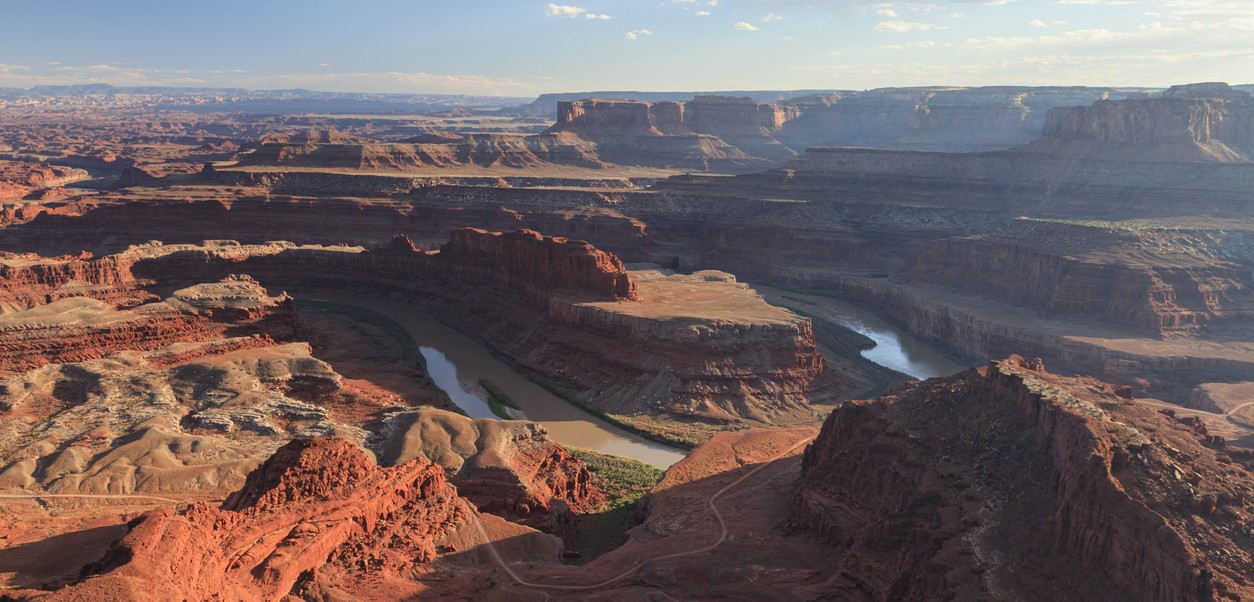 “A special mid-year West Slope Water Summit brought together water managers and community leaders to address a dire water year. Projected inflows into Lake Powell are expected to be well below half of normal, and negotiations over the river’s future remain unresolved. A special mid-year West Slope Water Summit convened this week in Montrose — called early because the situation couldn’t wait until November. Montrose County Commissioner Sue Hansen organized the gathering after attending the Colorado River District’s State of the River address. She told attendees it was time to step up the urgency. “This year is the first year that I am not optimistic,” Hansen said. “This is unprecedented and perhaps sobering for all of us.” … ” Read more from the High Country Spotlight.
Drought declarations in all 7 Colorado River Basin states
“Drought concerns are spreading across much of the Colorado River Basin as state and federal agencies respond to worsening conditions in several western states. During the spring of 2026, governors, water officials, and federal agencies issued a series of drought-related declarations stretching from Wyoming to Arizona. Some actions were designed to improve emergency preparedness, while others opened the door to financial assistance for farmers and ranchers affected by drought. Although each declaration serves a different purpose, together they show how dry conditions are affecting communities throughout the Colorado River Basin. … ” Read more from Western Water.
Nevada lawmakers to announce construction of water pipeline under Sloan Canyon
“Sen. Catherine Cortez Masto and Rep. Dina Titus will join Gov. Joe Lombardo and Southern Nevada Water Authority officials Friday to announce the passage of H.R. 972, the Sloan Canyon Conservation and Lateral Pipeline Act, which was signed into law last week. The legislation directs the Bureau of Land Management to grant rights-of-way for the construction of SNWA’s Horizon Lateral Program. The law will allow a portion of the pipeline to tunnel beneath the Sloan Canyon National Conservation Area, increasing water reliability for over one million Southern Nevada residents. The law also expands the 48,438-acre Sloan Canyon National Conservation Area by 9,290 acres to enhance preservation of desert landscapes and habitat. The conservation area contains the Sloan Petroglyph Site, which includes thousands of petroglyphs created by native cultures. … ” Read more from Channel 5.
SEE ALSO: SNWA Moves Forward with Billion-Dollar Pipeline to Secure Las Vegas Valley Water Supply, from Pipeline Technology Journal
Superior signs water deal with Resolution Copper to make Queen Creek flow again
“The town of Superior has forged a water deal worth more than $20 million with the mining company Resolution Copper. It’s designed to add water to Queen Creek, which is usually just a dry wash, to boost flows and riverside habitat. At a press conference to announce the agreement, town officials said the deal was the first of its kind in Arizona and came after “years of negotiations, scientific studies, hydrological testing, technical reviews and countless meetings.” “These are not small commitments,” said Mila Besich, Superior’s mayor. “These investments will help ensure that our creek, our environment, our community and Superior’s outdoor recreation economy can continue to thrive for generations to come.” … ” Read more from KJZZ.
Colorado’s race to cut water use off to a slow start
“Denver Water customers have yet to embrace a strict water diet this year, cutting water use just 5% this month as the outdoor watering season begins. The utility, which serves 1.5 million customers, has asked residents and businesses to slash water use by 20% this summer to combat extreme drought. At the same time, reservoirs, unable to refill after melting snows evaporated early due to a surprising March heatwave, are dropping. The utility said its storage system is just 79% full, down from the 89% mark normally seen at this time of year. Denver Water officials said they’re not disappointed with their customers, in part because they’re asking homeowners and businesses to adopt habits they haven’t had to use in years. … ” Read more from the Colorado Sun.
In national water news today …
The largest US groundwater supply is running out
“The largest underground water supply in the United States—responsible for sustaining a vast share of the nation’s farming—is steadily running dry, raising concerns about future food production and price volatility as supplies come under strain. The Ogallala Aquifer, which lies beneath eight Great Plains states from South Dakota to Texas, provides roughly 30 percent of the groundwater used for irrigation in the U.S. and supports around a fifth of the country’s agricultural output. But water levels have been falling for decades, raising fresh concerns about how long one of the world’s most important food-producing regions can continue to rely on it. … ” Read more from Newsweek.

