
By Robin Meadows
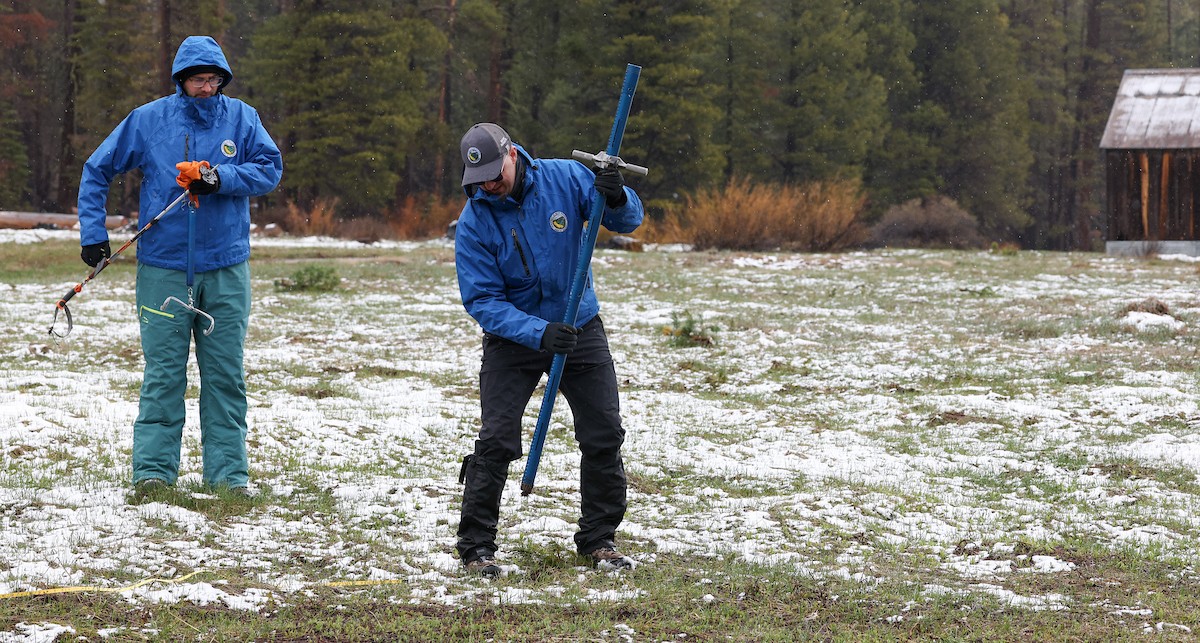
The snowpack that supplies about one third of California’s water needs historically peaked in April—but the state can no longer count on this natural water storage as the world warms. This winter is a perfect example. Precipitation was near average but the winter was so warm that much of it fell as rain, so the snowpack was sparse to begin with. Then a record heat wave in March melted so much snow that when the state measured it in April, barely any was left at the survey site.
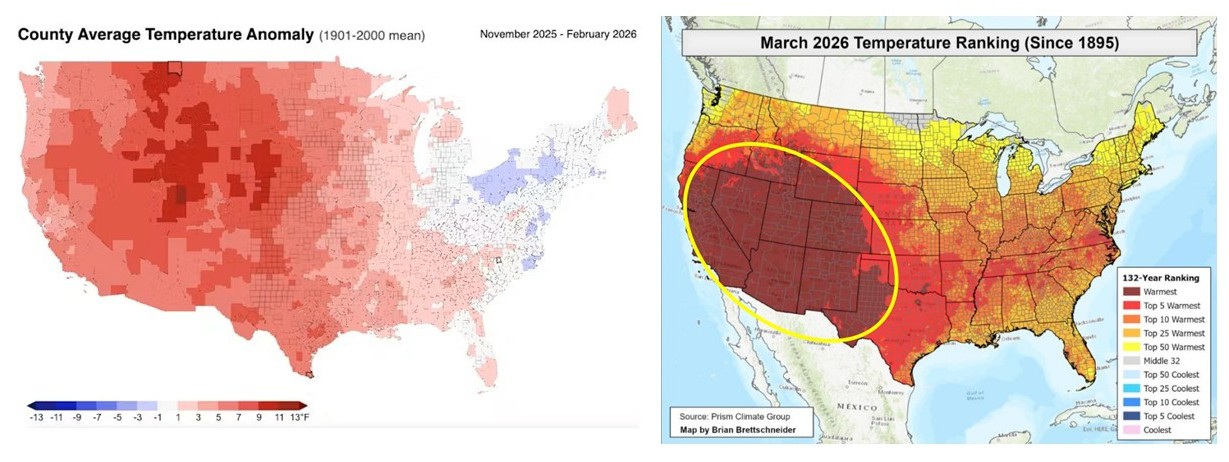
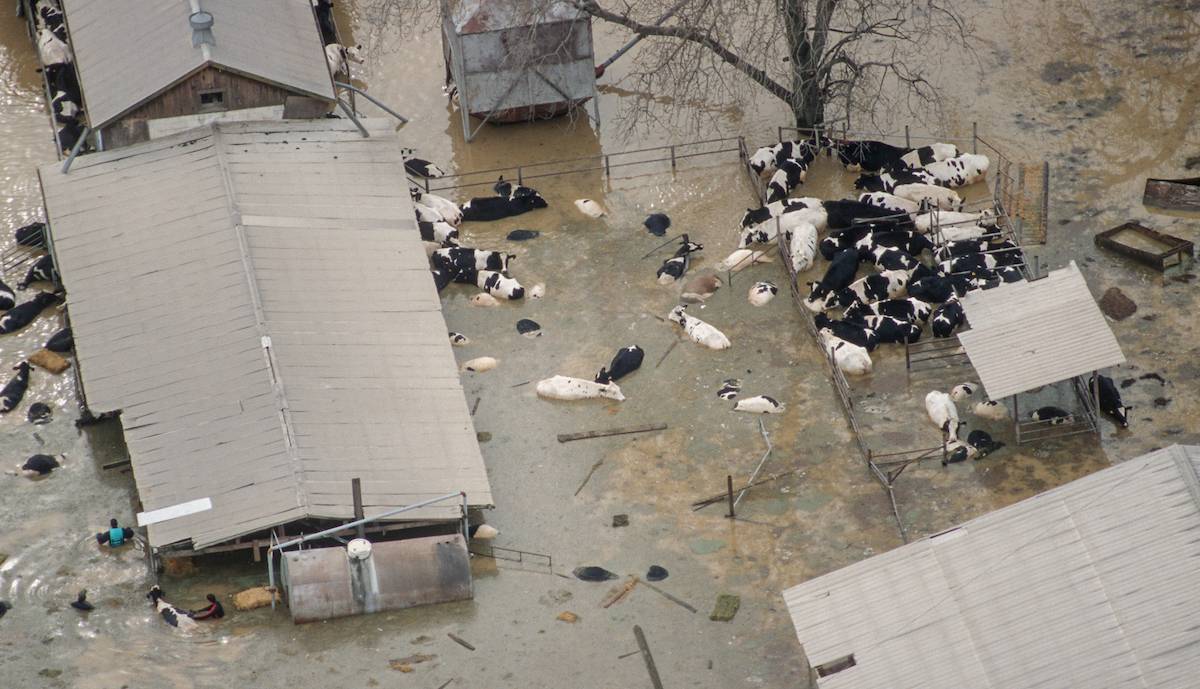
The latest climate change research shows that the future of water in California is changing in unprecedented ways. As seen this past winter, snowpacks will shrink as temperatures rise, shifting precipitation from snowfall to rainfall. Atmospheric river storms will be more powerful and hit the state in clusters, saturating the ground and exacerbating the risk of flooding. Swings between drought and deluge will sharpen, intensifying climate extremes.

“Our future climate will not be like our past,” says Jayantha Obeysekera, who directs the Florida International University’s Sea Level Solutions Center and is a member of the Delta Independent Science Board. “We need to begin considering potential future conditions in our planning.”
The board includes ten scientists from across the United States with expertise in areas from aquatic ecology to restoration to policy, and its directives include fostering connections between science, management, and policy.
This unfamiliar world of climate extremes may render the state’s water planning obsolete. Water supply projections rely primarily on CalSim, a model based on historical data. To help find ways of better aligning California’s water planning with its new climate reality, the Delta Independent Science Board held a two-day Emerging Climate Science Symposium in September 2025 that brought together academic researchers, managers, and agency planners. Goals included assessing how recent advances in climate science can inform adaptation strategies to stay ahead of emerging challenges. The board presented a draft memo of symposium highlights at their March 19 meeting.
To learn more, Robin Meadows spoke with Obeysekera about the need to implement new climate science, barriers to implementation, and how agencies can begin to apply the latest climate projections to water planning in California. This conversation has been edited for conciseness and clarity.
Why did the Delta Independent Science Board organize the Emerging Climate Science Symposium?
We realized that climate science is evolving and there’s an urgent need to ensure that it is incorporated into the Delta Plan, which is California’s long-term plan for managing water, the environment, and stressors that impact the ecosystem in the Delta. We wanted to review the new science that’s emerged in the last five to 10 years to get the most up-to-date information. We also wanted to assess how agencies are incorporating this new science.
What is the biggest takeaway of the symposium?
We cannot depend on the climate and hydrology of the past anymore. The Delta’s future will be shaped by greater extremes, shrinking snowpacks, flash droughts, flooding due to clusters of stronger storms as well as rain on snow, and faster transitions such as wet/dry climate whiplash events.
Were there any surprises in the symposium?
One thing that surprised me was all the new findings in the last decade. It raises an important question about how institutions should best incorporate these new insights into long-term planning. The challenge of climate change is not just scientific but also institutional. We need to share climate modeling across agencies and stakeholders, and translate it into forms they all can use.
What are barriers to implementing new climate science?
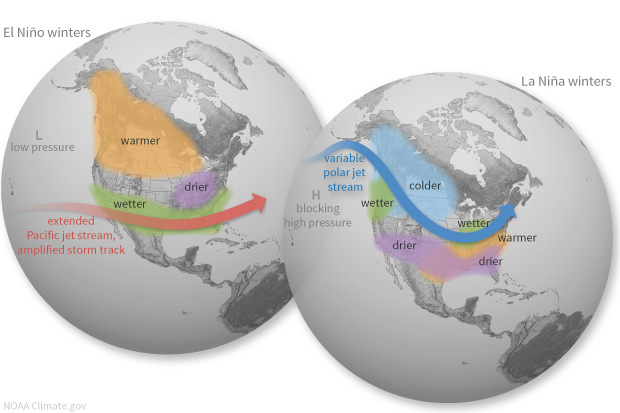
There are still uncertainties due to research gaps. California’s climate is influenced by the swing between the warmer waters of El Niño to the cooler waters of La Niña. Climate projections predict that a warmer world would produce a persistent pattern of El Niños in the tropical Pacific but actually the observations to date exhibit the opposite: there is a more persistent La Niña patten. El Niño can mean wetter winters, especially in southern California, and La Niña can mean dryer winters, raising drought and fire concerns.
Other uncertainties include whether the 60-70 year megadroughts of long ago will reoccur, and thresholds for ecosystem tipping points. For example, climate change could shift vegetation in the Delta watershed from forests to shrublands and brushlands. While the latter intercept less rainfall and so increase runoff, the consequences of this transition are not well understood.
How can agencies plan in the face of climate uncertainty?
We can’t wait for perfect certainty, we can’t stop planning―we’re beyond that point. One of the strongest recommendations from the symposium is to adopt scenario planning. This means looking at likely scenarios for the future and making sure the plans are robust enough to handle future hazards to the best extent possible.
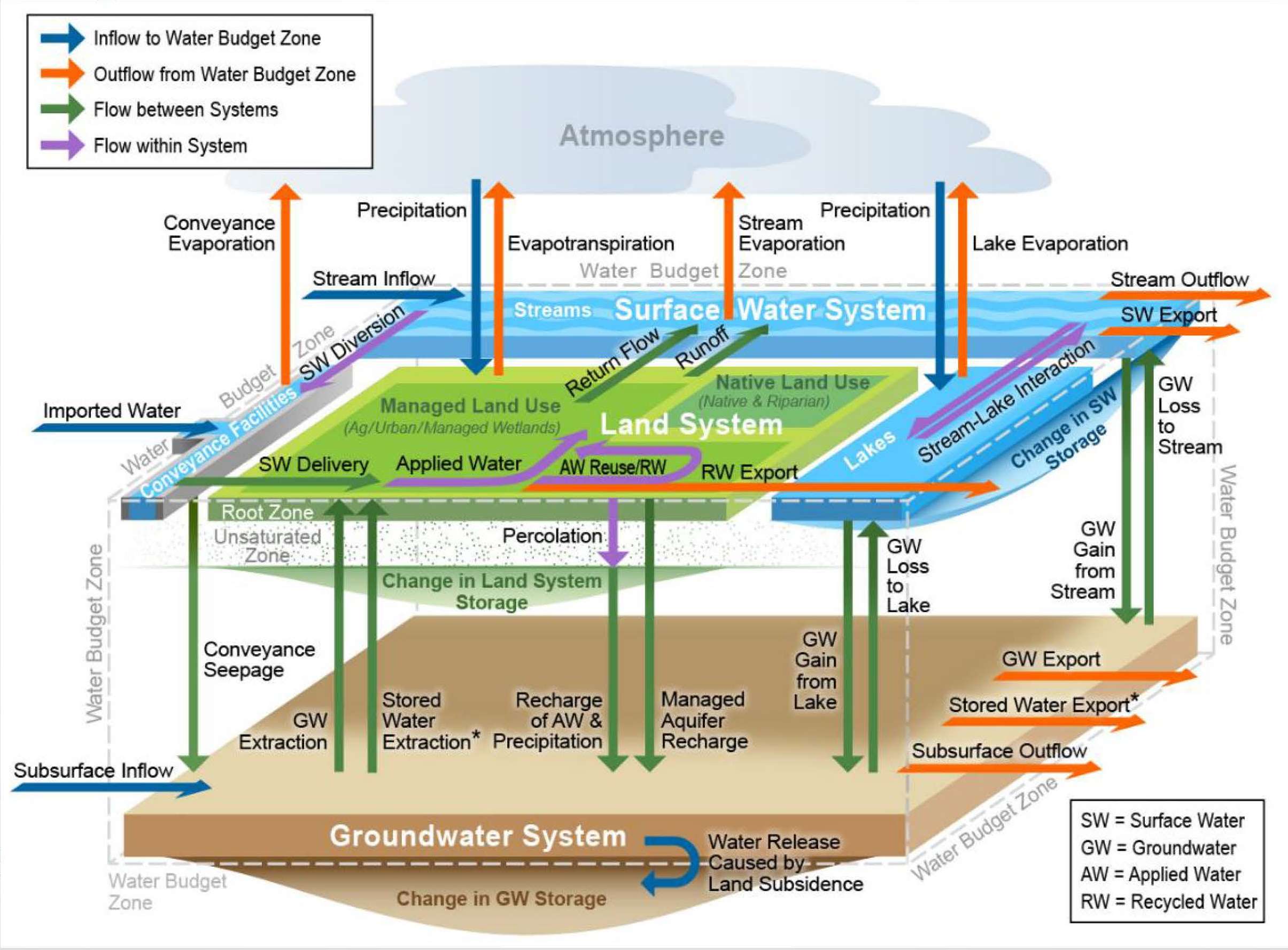
In an environment of greater uncertainty, planning should also be dynamic and adaptive. For example, you can look at the 100-year climate projection for sea level rise in the Delta and find different strategies for being prepared. You could plan for raising levees at a future date but also make sure that there’s enough land to implement such a solution when needed. Levees in the Delta are earthen and if they’re taller, they also have to be wider for strength and stability. The beauty of this approach is that you plan for shorter durations, such as a couple of decades, but still ensure that you have options for implementing future adaptation strategies.
We also need better monitoring of, for example, the water budget in the Delta. Water budgets account for factors including inflows, outflows and storage, and are key to understanding how future changes will affect water resources. Modeling is only as good as the data, and can’t be evaluated without adequate monitoring.
How can agencies start implementing new climate science?
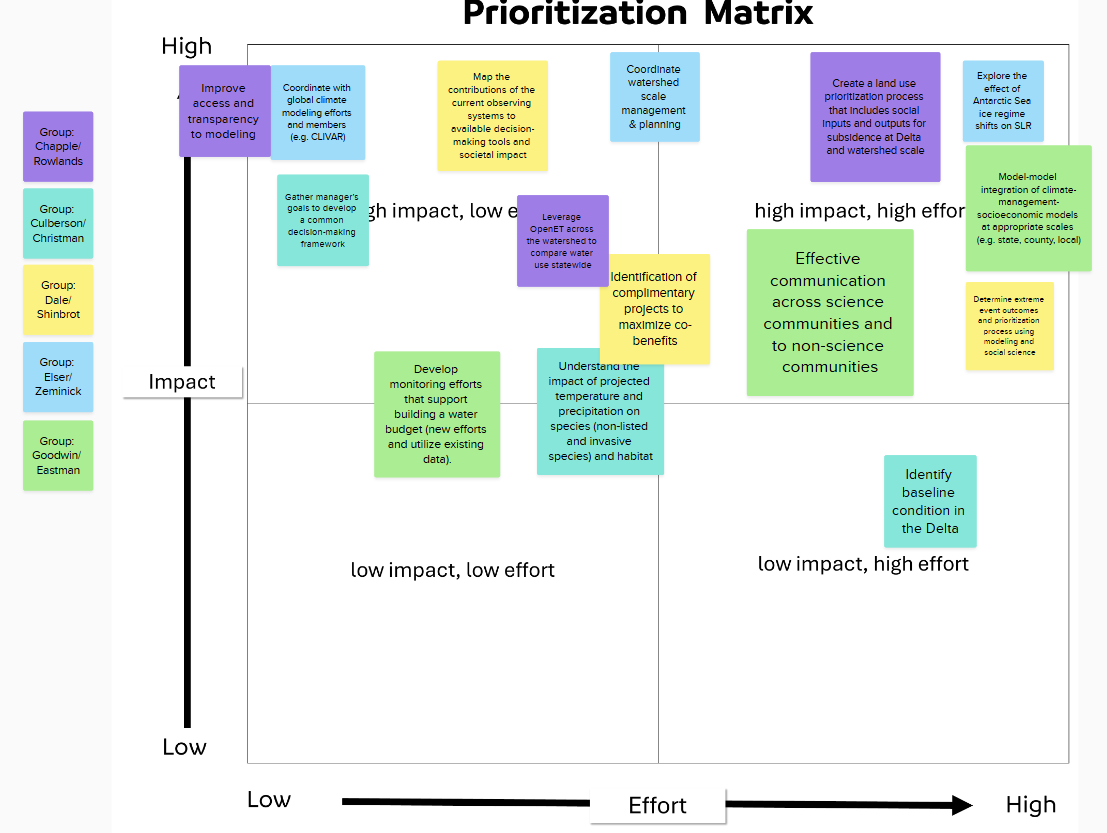
Breakout groups at the symposium identified and prioritized actions to bridge the gap between new climate science and implementation. They’re all important but those in the upper left quadrant in the figure above are a good starting point for agencies because they’re low effort and high impact.
These actions include developing a common decision-making framework for water managers, and expanding OpenET across the Delta’s watershed to track water use statewide. OpenET is a new online platform that uses satellites to track how much water plants consume, and is used by most growers in the Delta.
What’s next?
This symposium looked at how climate change will affect water resources. Next, we’d like to also look at ecological aspects such as how the future climate will affect fish―not just water for people but for the environment as well.

