At the May 21st meeting of the State Water Board, Lead Scientist Dr. John Callaway updated Board members of ongoing science efforts in the Delta. In his update, Dr. Callaway discussed the advisory panel report on biological goals, the results...
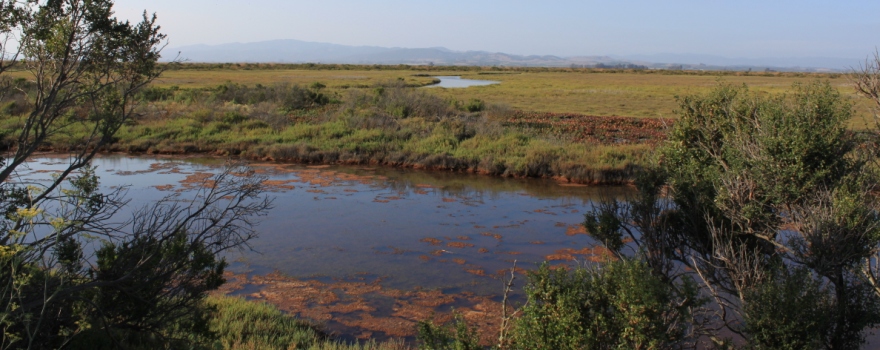
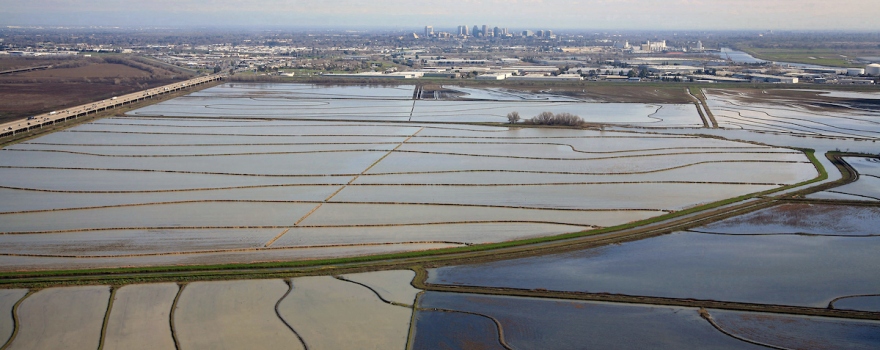
Presentations highlight the Montezuma Wetlands Project and the Nigiri Project Adaptive management is widely regarded as an effective approach to environmental management in the face of uncertainty because the approach provides a way to build science and learning into management...
Presentations highlight structured decision making, collective action on invasive species, and a scoring system for restoration projects Adaptive management is...
Panelists discuss what adaptive management is in a practical sense and how it can effectively be implemented in the Delta Adaptive management is widely regarded as an effective approach to environmental management in the face of uncertainty because the approach...
In the pre-development Central Valley, winter-spring flooding once created a vast mosaic of productive wetland habitats that teemed with fish and wildlife. A major driver of this wildlife abundance was terrestrial carbon made available to aquatic food webs when floodplains...
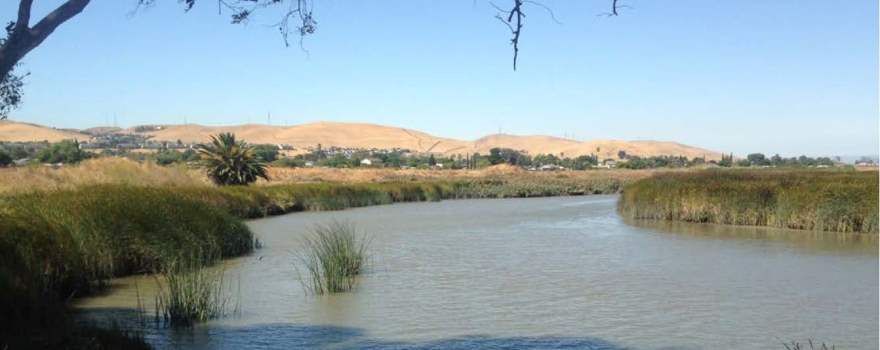
The permitting of tidal restoration projects is most often a costly and time-consuming process, causing substantial delays in implementation while endangered and threatened species remain at risk. Given the accelerating nature of sea level rise, restoration of tidal habitats that...