
From Sustainable Conservation:
Under the Sustainable Groundwater Management Act (SGMA), groundwater sustainability agencies (GSAs) are responsible for developing and implementing groundwater sustainability plans (GSPs) designed to balance groundwater use and replenishment.
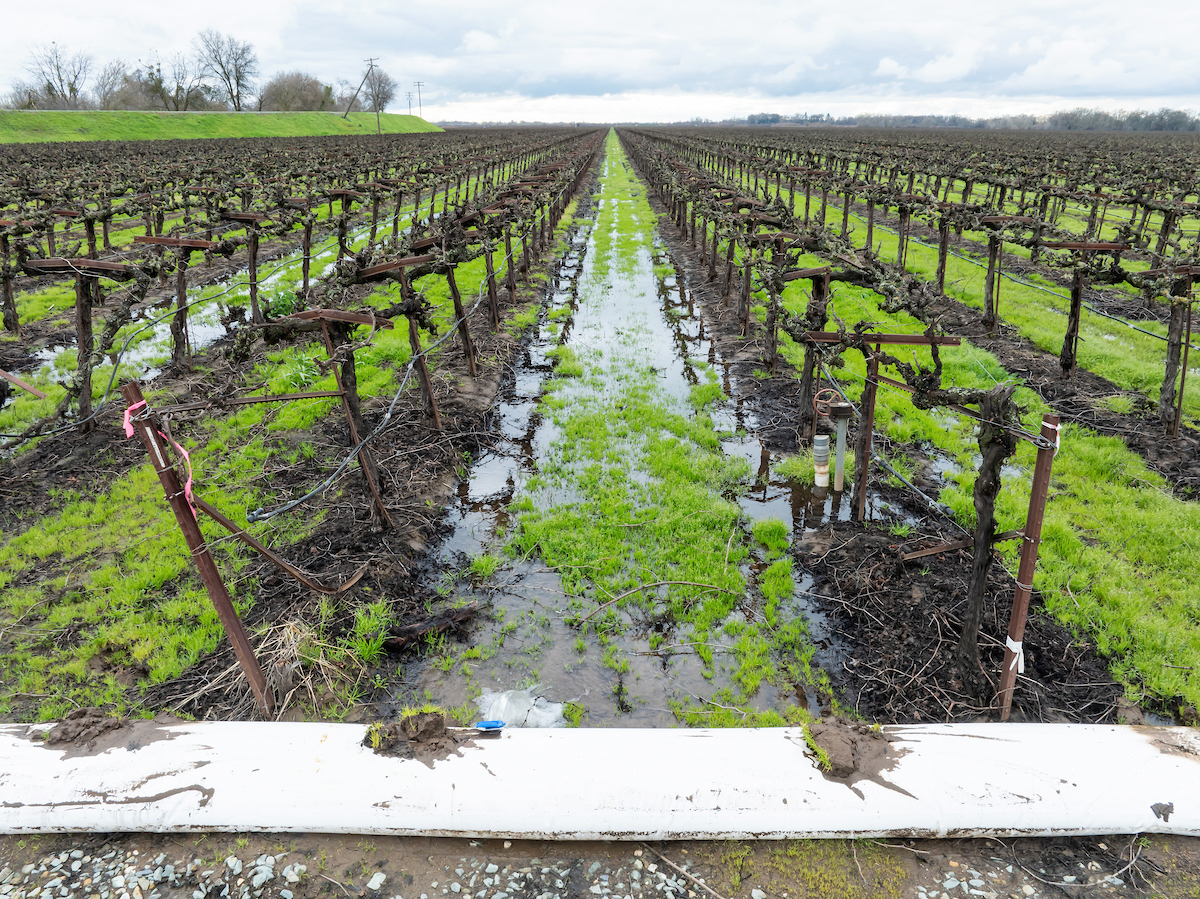
Groundwater recharge increases groundwater supplies by directing available surface water onto land where it can seep into aquifers. Farmland is often suitable for recharge because water delivery systems are already in place, and dormant or fallow fields can be flooded periodically when water is available during winter storms.
California water districts and GSAs are increasingly using financial incentives and water management strategies to expand groundwater recharge and reduce pumping in overdrafted basins.
This document presents examples of groundwater recharge incentives and management strategies that water districts and GSAs can adapt to the conditions of their subbasins.
Drawing on the practical experience of water managers, this report identifies opportunities and potential challenges associated with various recharge incentives. It examines how financial incentives for on-farm recharge can support district-scale groundwater recharge programs. The suitability of each approach depends on factors such as access to surface water for irrigation or direct recharge, the presence of a groundwater allocation and accounting system, and available funding. Much of the information in this guide comes from water managers who have developed, implemented, and refined the strategies described.
The authors note that the findings are based on responses from a small number of survey participants and should not be considered comprehensive or representative of all groundwater recharge programs.
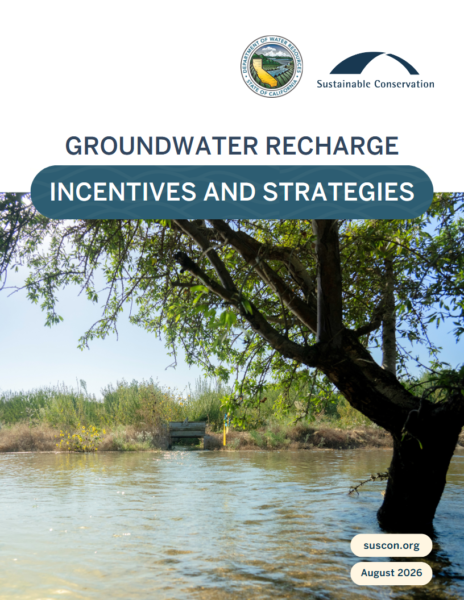
Click here for Groundwater Recharge: Incentives and Strategies.

