
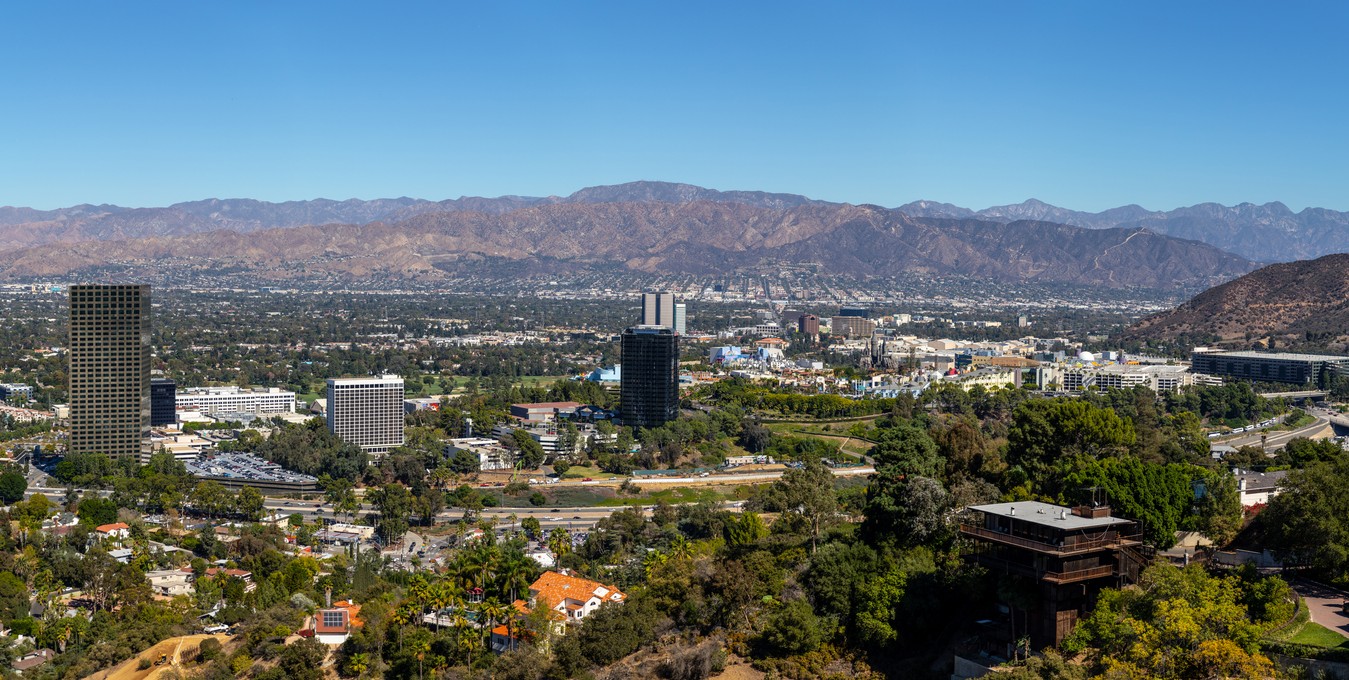
The 2026 American Rainwater Catchment Systems Association International Conference will convene September 16–17 at the Sheraton Universal Hotel in Universal City, giving California water managers a concentrated look at rainwater harvesting, stormwater capture, reuse, and the codes that increasingly shape those systems. The two-day program is co-located with the International Association of Plumbing and Mechanical Officials’ Annual Education and Business Conference, which runs September 13–17 as IAPMO marks its 100th anniversary in the Los Angeles area where the organization was founded in 1926.
For a state still absorbing the hydrologic aftershocks of wildfire, urban growth, and competing demands on potable supplies, the ARCSA agenda is less about a niche building technology and more about how decentralized water can be designed, permitted, staffed, and connected to larger management goals. Conference registration includes ARCSA educational sessions and daily networking breakfasts. Details are at arcsainternational.org/conference-arcsa.
ARCSA International, a member of The IAPMO Group, describes its mission as making rainwater and stormwater collection more accessible and working with the government at every level to advance rainwater management. Its conferences typically draw engineers, architects, environmental scientists, policymakers, educators, installers, and nonprofit practitioners. The 2026 meeting sits at the intersection of that community and the plumbing, mechanical, and codes world gathered for IAPMO’s centennial.
Two Thursday sessions are especially relevant for California audiences.
From wildfire to water resilience
On Thursday, September 17, from 11:30 a.m. to 12:15 p.m., Dawn Petschauer of the City of Pasadena Department of Public Works, Brianna Datti of Craftwater Engineering, and Yvana Hrovat of Black & Veatch will present “From Wildfire to Water Resilience: Integrating Post-Fire Monitoring, Scalable Design, and Workforce Development into Urban Stormwater Systems.”
The session focuses on work that followed the 2025 Eaton Fire. According to the conference description, Pasadena used post-fire monitoring and watershed modeling to better understand sediment, ash, and pollutant loading. Those findings helped shape the Brookside Park Stormwater Capture Project and the Eaton Wash Regional Stormwater Capture Project through improved pretreatment, modular design, maintenance planning, and nature-based strategies. The presentation will also highlight Pasadena’s Green Infrastructure Workforce Development Initiative and its role in keeping systems functional over time.
That pairing—post-fire water quality and long-term operations—tracks a problem familiar across Southern California: after a burn, the next storm is not only a flood and debris-flow hazard but a water-quality and infrastructure-maintenance event. Capture projects that look sound on paper can fail if pretreatment, access, and a trained workforce are not part of the design.
A related Thursday morning case study, “Decentralized Fire Resilience,” by CJ Huxford of Northwest Rain Solutions, examines Bow Regeneration Farms in Washington, where rainwater catchment and a 33,000-gallon cistern include dedicated fire-response storage and a fire department-certified outlet. The rural example is not a California project, but the permitting and on-site storage questions it raises will sound familiar in wildland-urban interface communities from the Sierra foothills to San Diego County.
Cascade Water Cycling
Later Thursday, from 1:15 to 2:15 p.m., ARCSA Executive Director Heather Kinkade will present “Cascade Water Cycling—A Systems Framework for Resilient Water Management.”
The session introduces a framework for integrating rainwater harvesting, stormwater capture, water reuse, and efficiency rather than treating each as a stand-alone project. The framework organizes water sources, uses, storage, reuse pathways, and restoration in a sequence that follows the natural movement of water. Attendees are promised a look at how that approach can improve water security, reduce potable demand, and support more resilient management at building, campus, and community scales.
Kinkade returns at 3:45 p.m. with “Beyond Conveyance: The Expanding Role of Stormwater Catchment,” including an update on ARCSA/ASPE/ANSI Standard 78 and stormwater use beyond conventional catchment. For California agencies already navigating municipal stormwater permits, onsite reuse rules, and building standards, the codes conversation may be as useful as the conceptual one.
What else is on the program
Wednesday’s sessions tilt toward demand, workforce, and field practice. Ashley Dirou of Grundfos will discuss data centers and rainwater/stormwater, followed by Shawn Crawford of RMS on rainwater harvesting as a supplemental supply for cooling towers and related non-potable uses as data-center water demand grows, including in water-stressed regions. That topic has become harder for California audiences to ignore as large loads cluster in the same basins already under pressure from cities, farms, and the environment.
Greg Chick of Global Water Works will describe the installation of 27 off-grid rainwater harvesting systems built to ARCSA standards in remote villages, with local labor and remote training support.
Alexander Williams of the Aura Rainwater Foundation will outline a training model developed with Austin Community College as the water workforce ages and demand grows for climate-resilient infrastructure. Steve Simpson and Brian Andersen of UA Training will address rainwater harvesting workforce development as well.
Thursday also includes UV treatment basics, commercial and industrial rainwater storage for fire protection and operations, and a national legislation and codes update from ARCSA’s Advisory Council on Policy. The day closes with a recap of Wednesday’s roundtable and goals for 2027 and beyond.
Why the co-location matters
IAPMO’s 2026 conference theme is a return to Los Angeles for a centennial celebration. IAPMO was formed in Los Angeles on May 17, 1926, to advance sanitation methods, promote consistency in ordinances, and protect public health. Holding ARCSA’s annual meeting in the same hotel during the same week puts rainwater and stormwater practitioners in the room with the codes and product-certification community that often determines whether a cistern, filter train, or dual-plumbing design can actually be built.
California water management is not only about reservoirs, groundwater basins, and Delta operations. A growing share of resilience work now happens at the parcel and neighborhood scale: capture after fire, non-potable substitution, storage for emergency use, and the standards that make those systems inspectable. The Universal City program is a short window on that side of the ledger.
More information is available at https://arcsainternational.org/conference-arcsa. IAPMO conference information is at iapmo.org/conference-iapmo.
FOR MORE INFORMATION: Heather.Kinkade@arcsainternational.org, Executive Director of ARCSA, 602-550-9316,
OR
Mary Conley Eggert, Global Water Works, mary.eggert@globalwaterworks.org, 312-282-6048
